Why You Need a Power Bank Portable Charger for Your Devices?
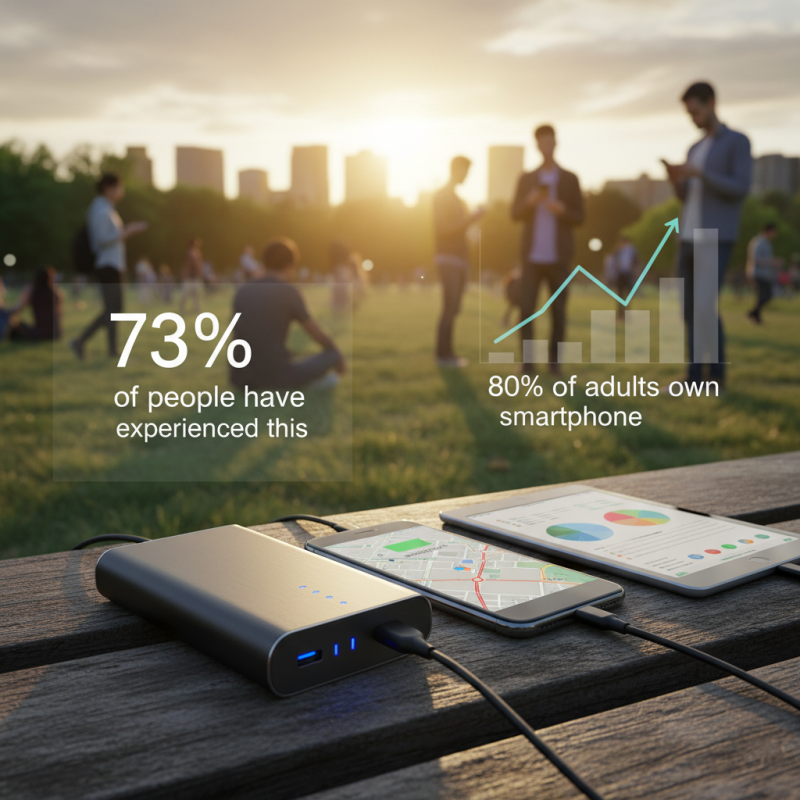
In today's fast-paced world, staying connected is essential. The use of smartphones and tablets has surged dramatically. According to industry reports, 80% of adults own a smartphone, and 40% rely on it for work or personal tasks. Yet, battery life often fails to keep up with our demands. This is where the Power Bank Portable Charger becomes crucial.
Imagine you're out for the day, relying on your device to navigate or communicate. Suddenly, your battery drains. Frustrating, right? Studies show that 73% of people have experienced this. It can disrupt plans and lead to missed opportunities. The Power Bank Portable Charger offers a solution, allowing users to recharge devices anytime, anywhere. Some models can provide multiple charges, ensuring you stay connected throughout your day.
However, not all power banks are created equal. Some may not deliver the promised capacity or speed. Understanding specifications is vital. It's important to choose a reliable Power Bank Portable Charger for your needs. This choice defines how well you can navigate life’s demands. Balancing convenience and reliability is key in today's tech-dependent environment.
The Importance of Staying Powered: Understanding Power Banks
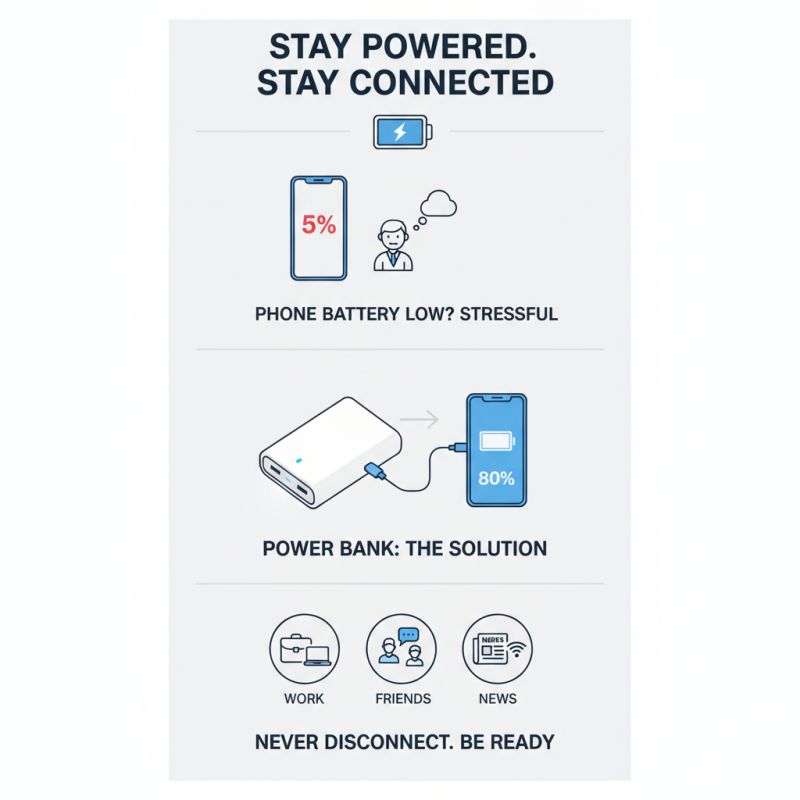
In today's digital world, staying powered is essential. Our devices keep us connected to work, friends, and the latest news. A power bank portable charger can ensure you never run out of battery during your busy days. Picture this: you're at a coffee shop, your phone shows 5% left. That’s stressful, right? A power bank solves this problem.
The convenience of carrying a power source is invaluable. Whether you’re traveling or in a meeting, you need reliable power. Many people experience that moment of panic when their device dies. This is where understanding power banks comes in. They provide a safety net, allowing us to recharge without being tethered to a wall socket.
However, not all power banks are created equal. Some may not hold a charge long enough for your needs. It’s important to reflect on your lifestyle and choose wisely. Not considering capacity is a common mistake. Imagine being out and realizing your power bank won’t fully charge your device. Avoid these pitfalls by researching before purchasing. Always be prepared.
How Power Banks Enhance Device Portability and Convenience
In today's fast-paced world, staying connected is essential. Power banks address this need by enhancing device portability and convenience. According to a recent survey by Statista, 67% of consumers reported being concerned about their mobile devices running out of battery. This concern highlights the necessity of portable chargers.
Power banks allow users to charge devices on the go. Whether commuting, traveling, or simply out for the day, they offer flexibility. A study revealed that 80% of smartphone users have experienced battery anxiety. This phenomenon can lead to stress and reduced productivity. With a power bank, users can keep their devices charged and maintain their connectivity.
While power banks offer numerous benefits, they are not without flaws. Many users forget to charge their power banks. A dead power bank can be just as frustrating as a dead phone. Additionally, not all power banks have the same charging speed or capacity. This inconsistency can create disappointment. Despite these drawbacks, the convenience of having a portable charger cannot be overlooked in our tech-driven lives.
Power Bank Usage Statistics: Enhancing Device Portability and Convenience
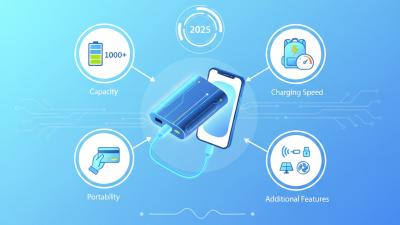
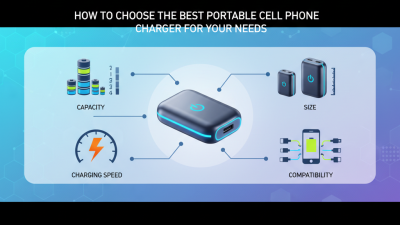
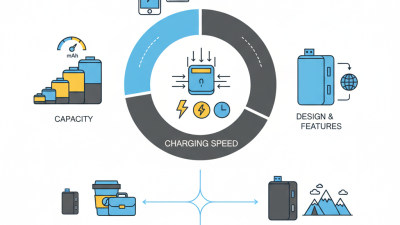
Key Features to Consider When Choosing a Portable Charger
When choosing a portable charger, capacity is crucial. Look for one with at least 10,000mAh. This provides multiple charges for most smartphones. A higher capacity can also power tablets or other larger devices. But remember, higher capacity often means a bulkier device.
Consider the output options as well. Many chargers come with multiple ports. This feature allows you to charge several devices at once. Sometimes, the charging speed varies. Fast charging can be vital during emergencies.
Tip: Check the weight if you travel a lot. A heavier charger can be a hassle in your bag. A lightweight option might save you from discomfort while you’re out.
Don’t overlook safety features. Overcharge protection and short-circuit prevention are important. These features ensure your devices stay safe. Some chargers might lack these crucial elements, leading to potential problems.
Assess your need; buying more features than you need can be wasteful. Reflect on your daily habits and find a balance between functionality and size.
Why You Need a Power Bank Portable Charger for Your Devices? - Key Features to Consider When Choosing a Portable Charger
| Feature |
Description |
Importance |
| Capacity (mAh) |
The total amount of energy the power bank can store, usually measured in milliampere-hours (mAh). |
Higher capacity allows more devices to be charged multiple times. |
| Output Ports |
The number and type of output ports (e.g., USB-A, USB-C, etc.) available for charging devices. |
Multiple ports enable charging of several devices simultaneously. |
| Charging Speed |
The rate at which the power bank can recharge devices, often specified in amperes (A). |
Faster charging speeds save time and increase convenience. |
| Size and Weight |
The physical dimensions and weight of the power bank, affecting portability. |
More portable designs make it easier to carry around. |
| Safety Features |
Features like overcharge protection, short-circuit protection, and heat management. |
Safety features protect both the power bank and the devices being charged. |
| LED Indicators |
Visual indicators showing remaining battery life or charging status. |
Helps users gauge when to recharge the power bank. |
Different Types of Power Banks and Their Uses
Power banks come in various types, each designed for specific needs. Lithium-ion power banks are popular due to their efficiency and compact size. They are lightweight and can often charge devices multiple times. According to industry reports, the lithium-ion market accounted for over 70% of portable power banks in 2022. This trend reflects consumer preference for convenience and portability.
Another type is solar power banks. These are useful for outdoor enthusiasts or in situations where traditional power sources are unavailable. They harness sunlight to recharge their batteries. Yet, they may only work effectively in bright sunlight. Research indicates that while they appeal to eco-conscious users, their charging speed can be significantly slower than other types. This makes them less reliable for urgent needs.
Rugged power banks are designed for durability and often feature waterproof or shockproof designs. They are ideal for those who work in tough environments. Still, they may lack high energy density. As a result, users must consider their specific situations to choose wisely. Each type of power bank has distinct advantages but may require compromises.
Tips for Maximizing Your Power Bank's Efficiency and Longevity
Portable chargers are essential for keeping your devices alive on the go. However, to maximize their efficiency and longevity, you need to implement some effective practices. According to a report by the International Energy Agency, improper usage can significantly reduce the life of your power bank. Hence, understanding the nuances of charging is key.
One common mistake is overcharging. Leaving your power bank plugged in after it reaches full capacity can lead to battery degradation. Aim to unplug it once charged. It's also vital to store your power bank in a cool, dry place. Extreme temperatures can mobilize internal chemical reactions that affect performance. A study from Battery University states that lithium-ion batteries perform best when kept at room temperature.
Regularly using your power bank can also enhance its lifespan. Just like any device, it needs to be “exercised.” Ensure you drain and recharge it at least once a month. This helps maintain battery health. Additionally, check for software updates if your power bank supports them. Outdated software can lead to inefficiencies that compromise charging speed. Your devices deserve the best, and so does your power bank.

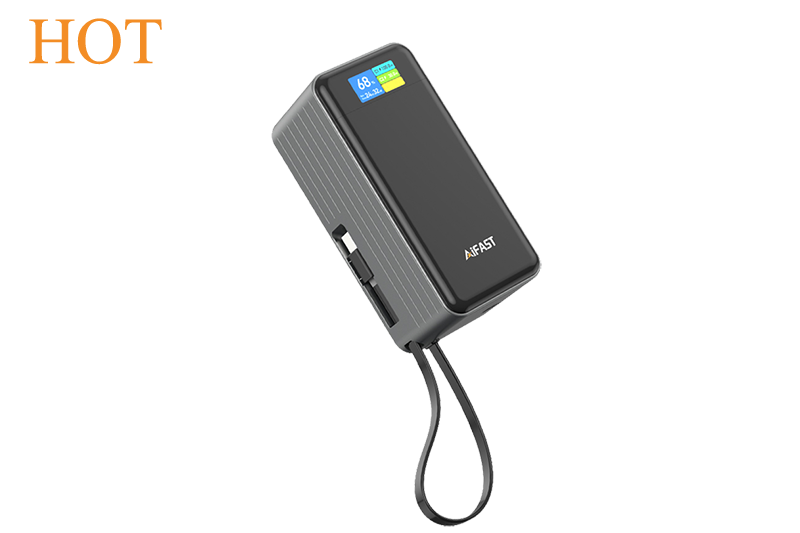 ESC-X019 65W Fast charge power bank
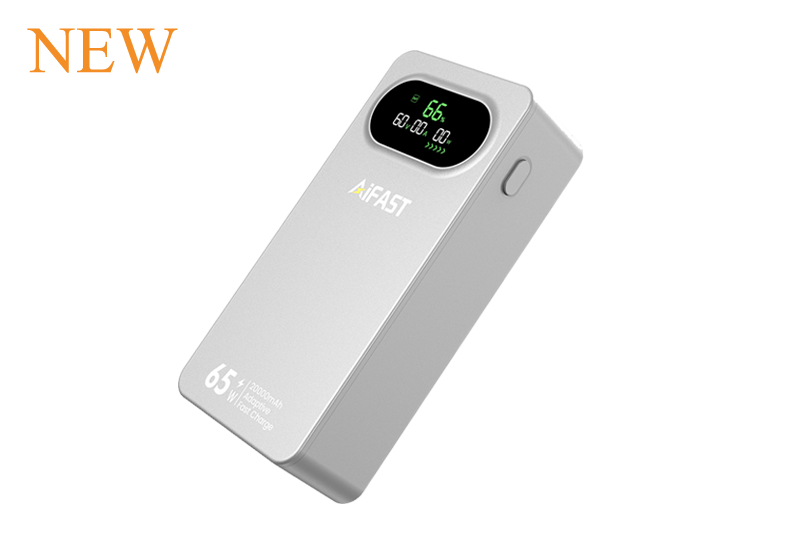 ESC-X018 65W Ultra-Fast 10000mAh Power Bank with TFT Display & Retractable Cable
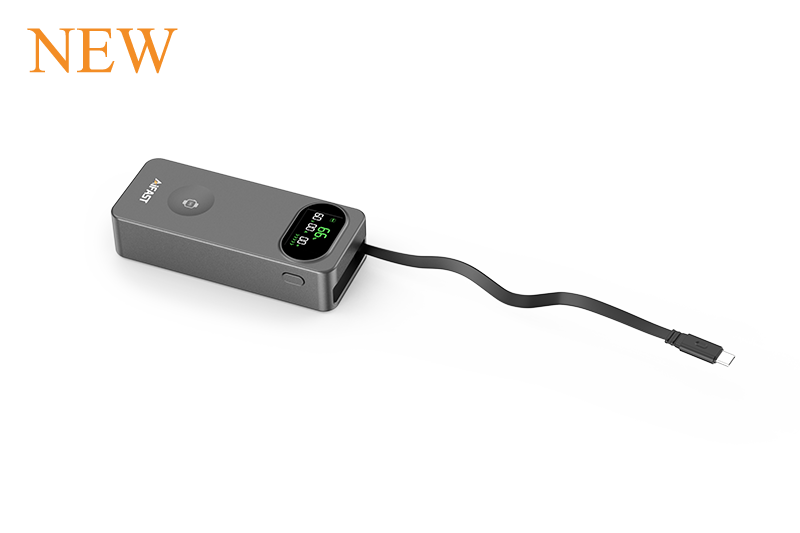 ESC-X017 65W Ultra-Fast 20000mAh Power Bank with TFT Display & Retractable Cable
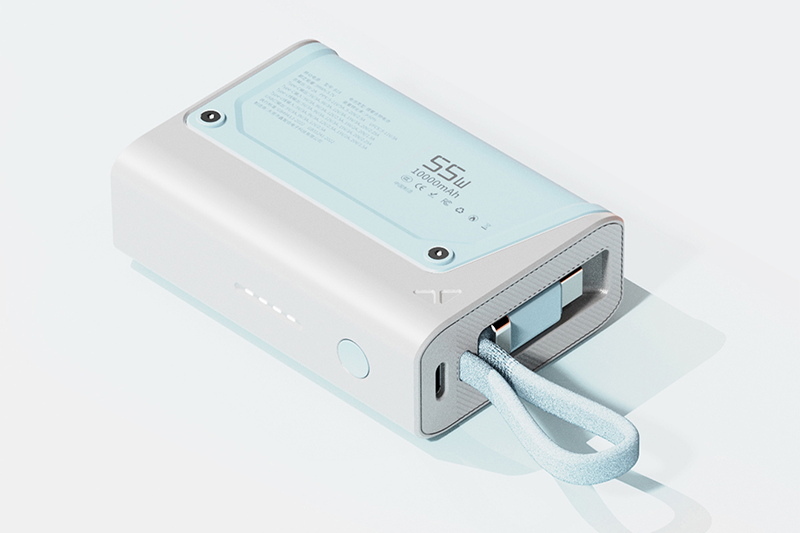 ESC-X020 10000mAh 55W Fast Charge Power Bank with cable built-in
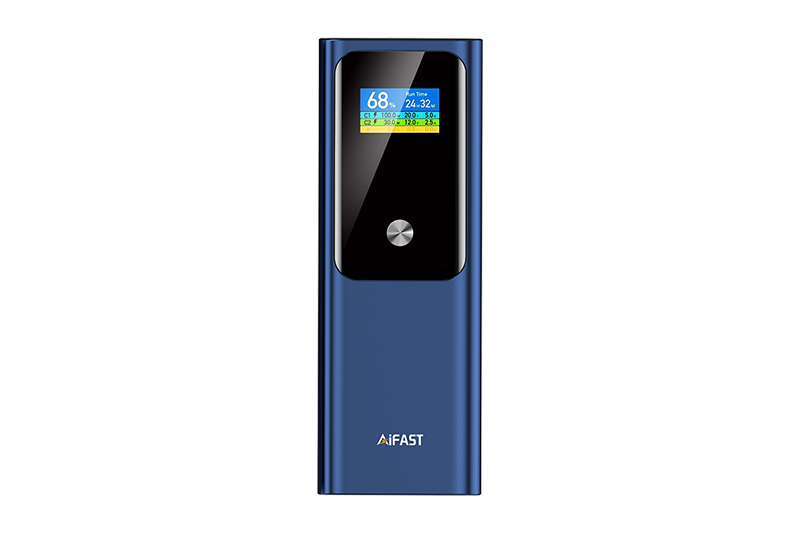 ESC-X016 120W 20000mAh Power Bank with Multi-Protocol TFT Display
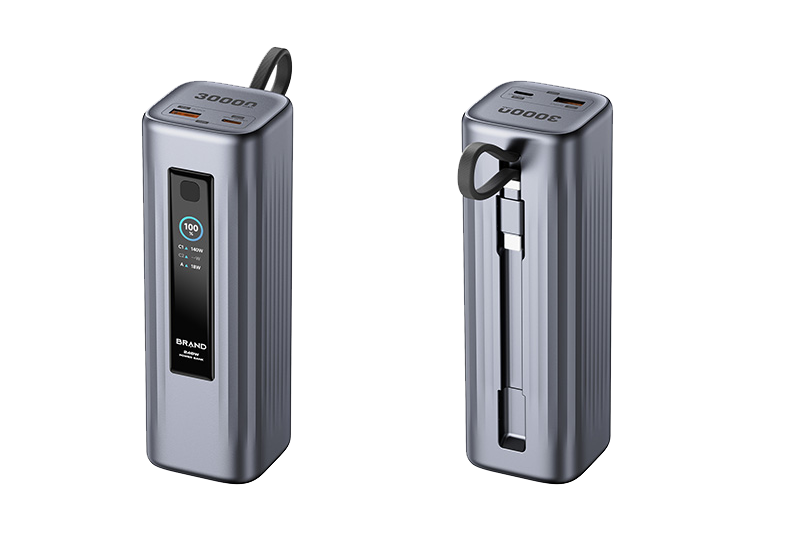 ECS-X022 145W 30,000mAh Power Bank with TFT Display & Retractable Cable
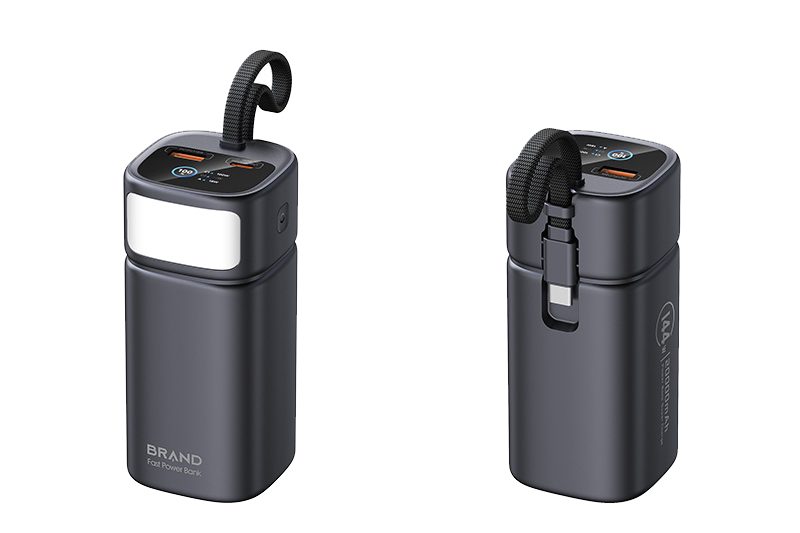 ECS-X021 100W 20,000mAh Power Bank with TFT Display & Retractable Cable
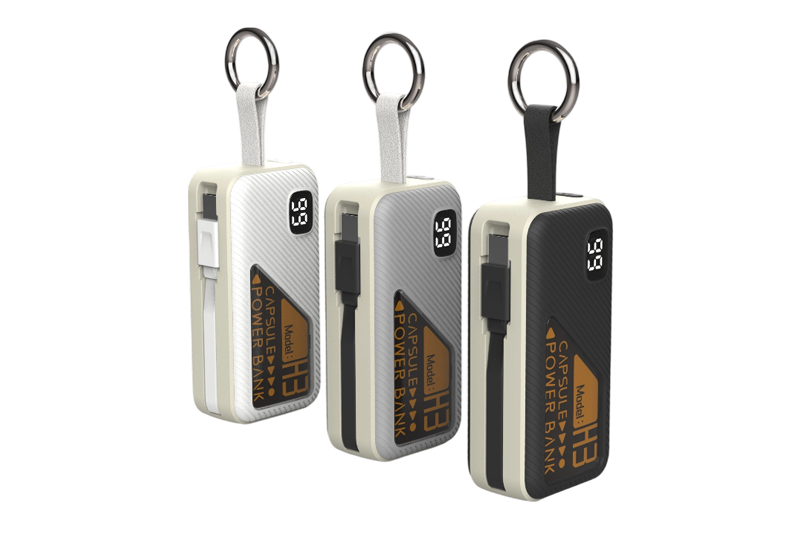 ESC-X023 20W Fast Charging Capsule Power Bank
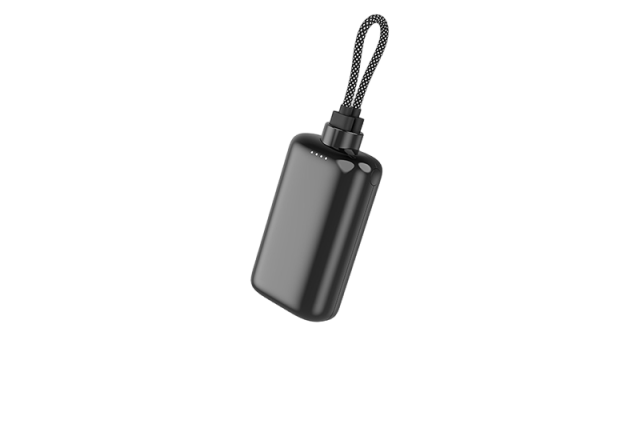 ESC-X024 22.5W 10,000mAh Fast Charging Power Bank
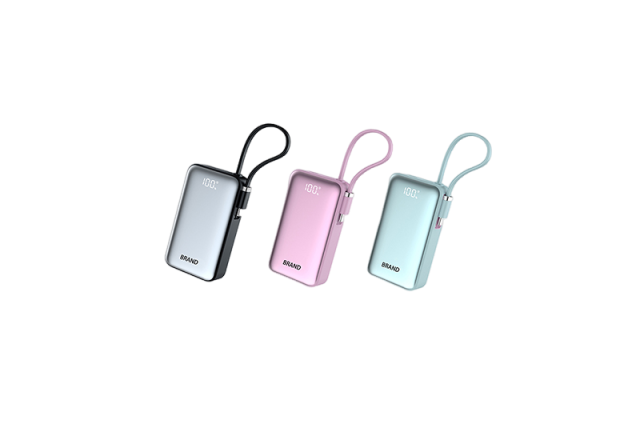 ESC-X025 22.5W Built-in Cable Portable Power Bank
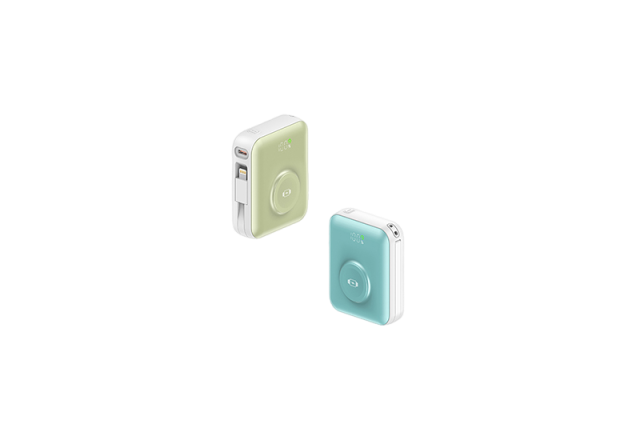 ESC-X026 22.5W 10000mAh Wireless Mini Size Power Bank
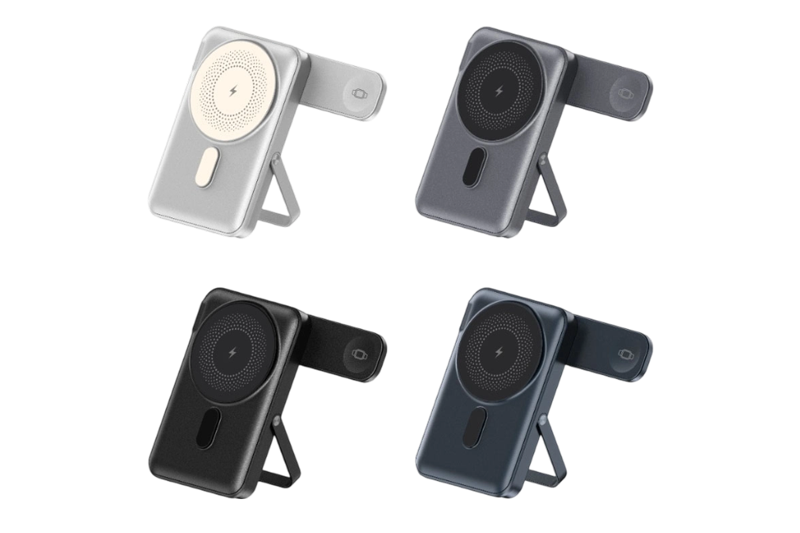 ESC-W018 3-in-1 MagSafe-Style Wireless Charging Stand
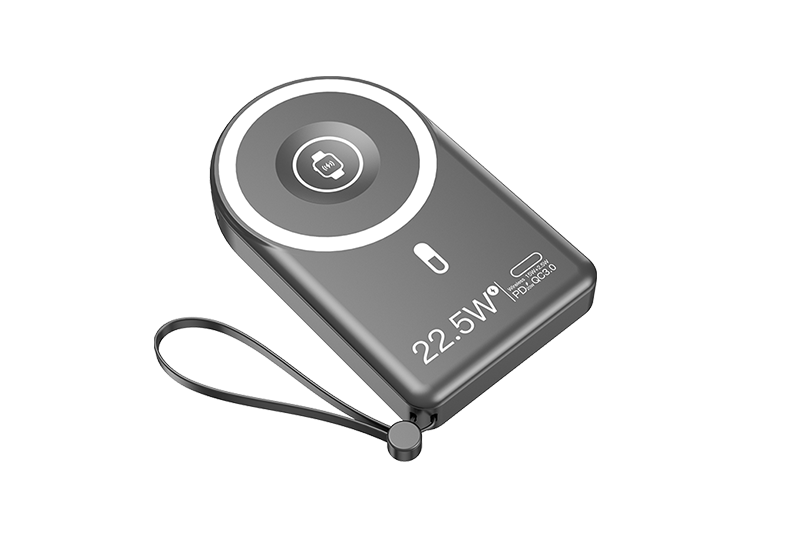 ESC-W017 5000mAh Wireless Ultimate All-in-One Power Solution for Samsung & iPhone Users
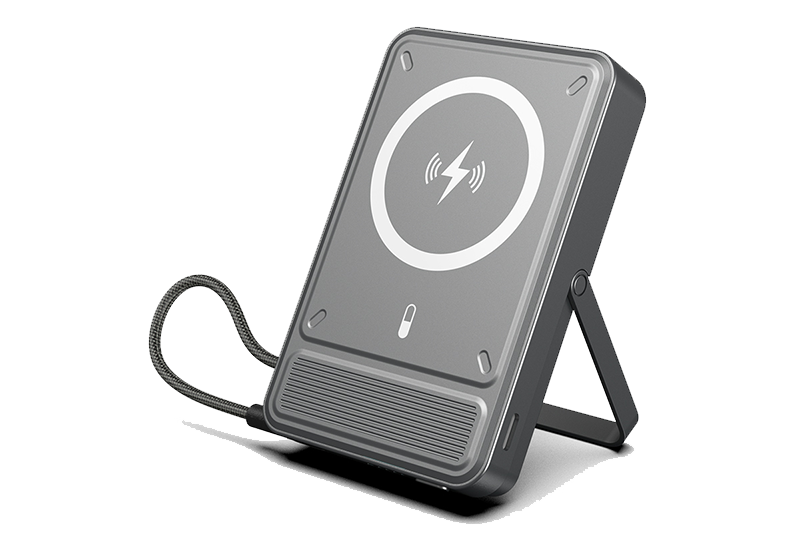 ECS-W016 45W Wireless Power Bank
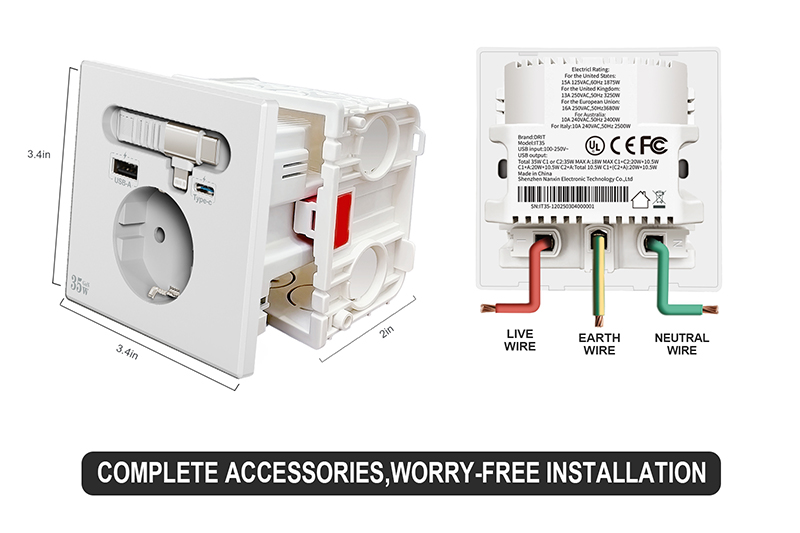 ESC-C019 Ultimate Universal 35W GaN Wall Socket
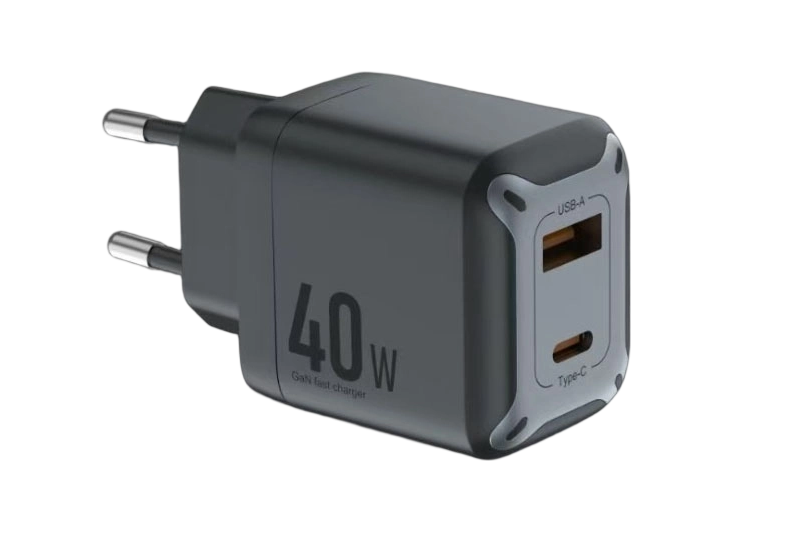 ESC-C018 Small Size 40W GaN Travel Charger
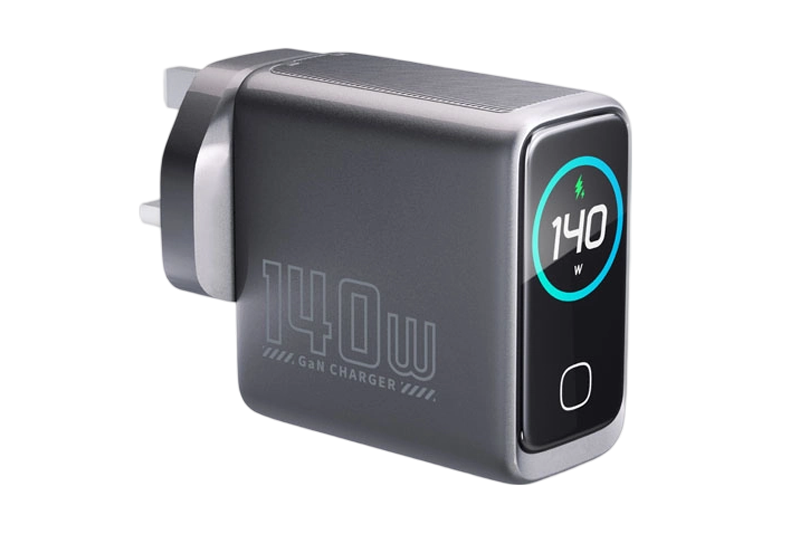 ESC-C017 140W HIGH Speed TFT Screen GaN Charger
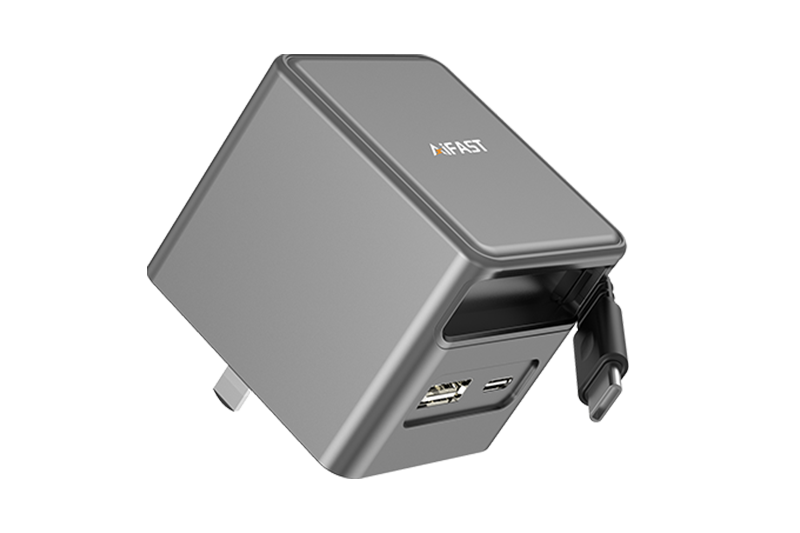 ESC-C016 65CM 65W HIGH Speed Retractable Cable GaN Charger


 Whatsapp
 Wechat