The Ultimate Guide to Choosing the Best Power Bank for Your Devices?
Choosing the right power bank for your devices can be overwhelming. With countless options on the market, it's crucial to focus on what you need. A power bank should provide reliable and efficient charging, especially during travel or daily commutes.
Consider the capacity you require. Do you need a lightweight option for quick charges, or a high-capacity bank for extended trips? Reading reviews can help highlight real-life experiences. Look for brands offering safety features. Overheating and short-circuiting are never acceptable.
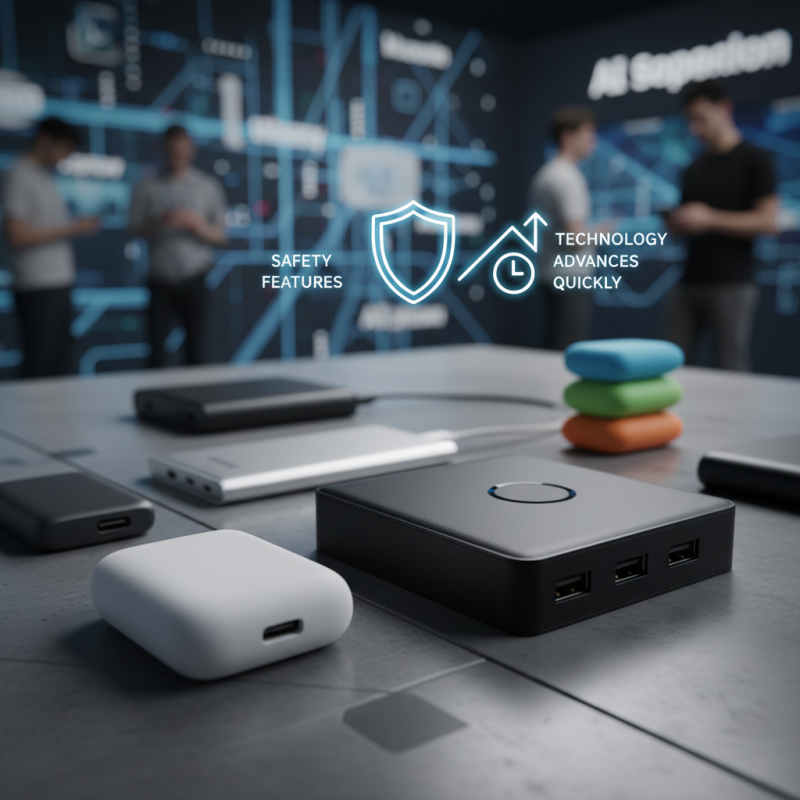
Visiting tech expos, like the Canton Fair, can provide hands-on experiences with various models. These events also leverage AI for efficient searches and navigation. This innovation allows you to find power banks that meet specific safety standards. Remember, technology advances quickly. Your perfect power bank today may not be ideal tomorrow. Reflect on your choices carefully.
Understanding Power Bank Basics: What You Need to Know
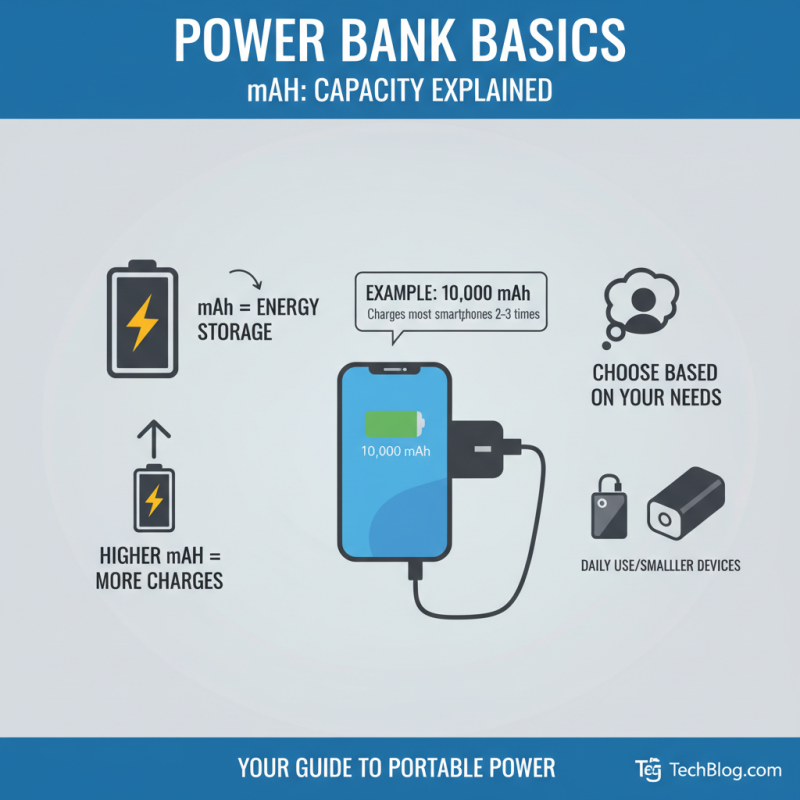
When choosing a power bank, start by understanding its capacity. The capacity is measured in milliamp hours (mAh). A higher mAh means more energy storage. For example, a 10,000 mAh power bank can charge most smartphones two to three times. However, this doesn't always mean it's the best choice for everyone. Consider your needs.
Tips: Check the device’s battery size. If you have a high-drain device, opt for a higher capacity. If you only need occasional charging, a compact model may suffice.
Another crucial feature is the output power. This is expressed in volts and amps. A higher output means faster charging. However, compatibility with your devices is key. Some devices only support specific output levels, which could lead to slower charging speeds or overheating issues.
Tips: Look for power banks with multiple output ports. This allows you to charge multiple devices at once. Just ensure the total output meets the requirements.
Lastly, think about size and weight. A portable power bank should fit in your bag or pocket easily. Sometimes, a smaller size might compromise battery capacity. Balance is necessary. Reflect on where and how often you plan to use it. Would a lighter option serve you better?
Key Features to Consider When Choosing a Power Bank
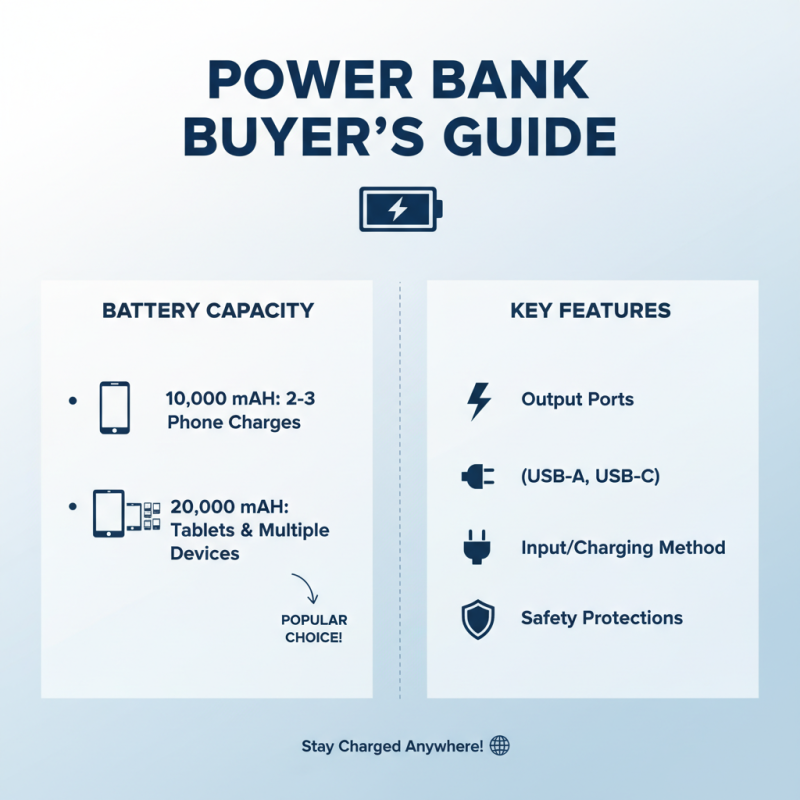
When selecting a power bank, key features are essential. Battery capacity stands out. For most smartphones, a capacity of 10,000 mAh can recharge your device two to three times. However, some users may require larger capacities for tablets or multiple charges. The market trend shows that 20,000 mAh power banks are increasingly popular due to their versatility.
Port types also matter. USB-C ports are now standard among modern devices. Power banks with multiple output ports increase compatibility. A report indicates that 70% of consumers prefer charging options that work with various devices. Charging speed is another consideration. Fast charging capabilities can reduce downtime, especially for users on the go.
Weight and portability can affect usability. Many prefer lighter models, but a compromise may occur with capacity. Some users find themselves carrying bulky power banks only for occasional use. This raises questions: Are we prioritizing convenience, or is capacity taking the lead? It’s a balance that varies with personal needs. In the end, defining your requirements is crucial to a successful power bank choice.
Types of Power Banks: Selecting the Right Type for Your Devices
When selecting a power bank, understanding the types available is crucial. There are typically three main types:
standard power banks,
solar power banks, and
quick charge power banks. Each type serves different needs.
Standard power banks are portable and ideal for everyday use. They offer a balance of capacity and size.
Solar power banks rely on sunlight, making them useful for outdoor adventures. However, their efficiency can vary based on weather conditions.
Quick charge power banks are designed for speed. They save time when charging devices. These are perfect for busy lifestyles where every minute counts. However, they can sometimes generate more heat, which may affect battery longevity.
The charging technology might not be compatible with every device. Always check specifications before making a choice.
Another consideration is capacity. Power banks come in various capacities measured in milliampere-hours (mAh).
A higher mAh allows for more charges, but larger capacity often means bulkier size. Finding the right balance between portability and power is essential.
Think about your typical usage patterns.
Do you often forget to charge your devices? If so, investing in a higher capacity might be wise. Reflect on your needs, and measure them against the power bank types before committing to a purchase.
Capacity and Efficiency: How to Assess Power Bank Performance
When choosing a power bank, capacity is crucial. The capacity, measured in milliamp-hours (mAh), indicates how much charge it can hold. Data shows that a 10,000mAh power bank can fully charge a standard smartphone about two to three times. However, efficiency matters too. The actual usable power often dips due to conversion losses. Some reports indicate that only 60-80% of the stored energy is usable.
To assess efficiency, look for the output rating. A 2.1A output charges devices faster than a 1A output. Yet, higher output does not always mean better quality. It's important to consider compatibility. Many users find that chargers fail to meet their devices' needs because of mismatched outputs. Additionally, low-cost power banks often use subpar components, which compromise safety and longevity.
Take note of size and weight as well. A high-capacity power bank may not always be portable. Many models can be bulky, making them less convenient for daily use. Striking a balance between capacity, weight, and efficiency is key. Awareness of these details can help avoid frustration with your power bank.
Safety Features and Reliability: Ensuring Your Devices Stay Protected
When choosing a power bank, safety features should be a top priority. Many users overlook this aspect. A high-quality power bank should come with overcharge protection. This feature prevents the battery from getting damaged during charging. Short circuit protection is also essential. It helps to avoid potential hazards like fire or battery explosion.
Look for power banks that have a reliable temperature control feature. This can help regulate heat and prevent overheating. Overheating could damage both the power bank and your devices. Furthermore, consider the build quality of the power bank. A solid exterior can withstand drops and impacts. A flimsy design may not offer the durability you need.
It’s worth noting that not all power banks are created equal. Some may have great specifications on paper but lack real-world performance. Testing a power bank before relying on it is advisable. Safety certifications, like those from safety organizations, can provide peace of mind. Always compare options to ensure your devices stay protected.

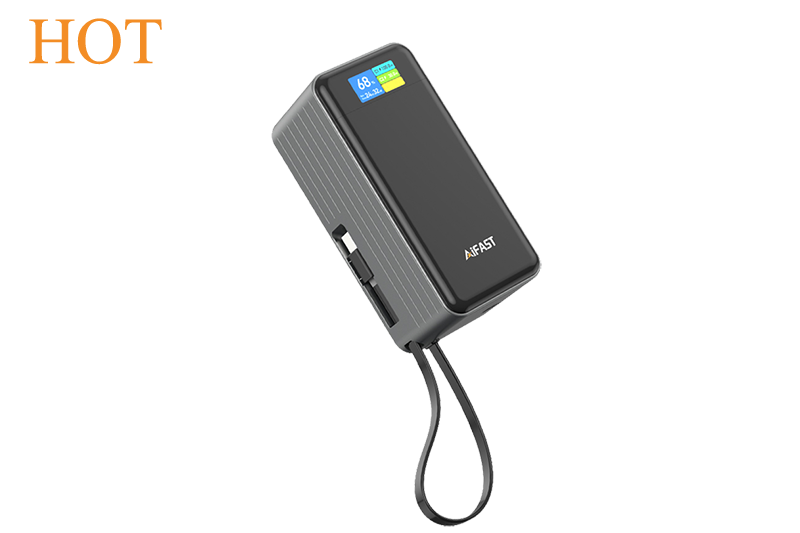 ESC-X019 65W Fast charge power bank
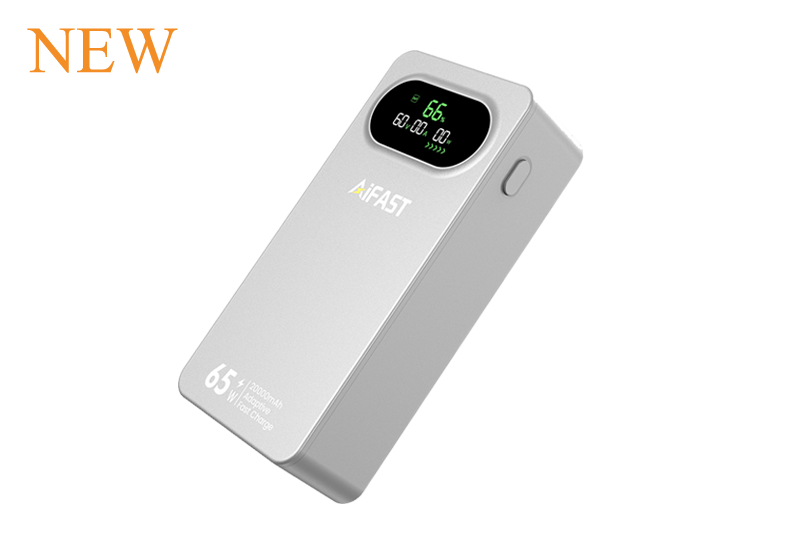 ESC-X018 65W Ultra-Fast 10000mAh Power Bank with TFT Display & Retractable Cable
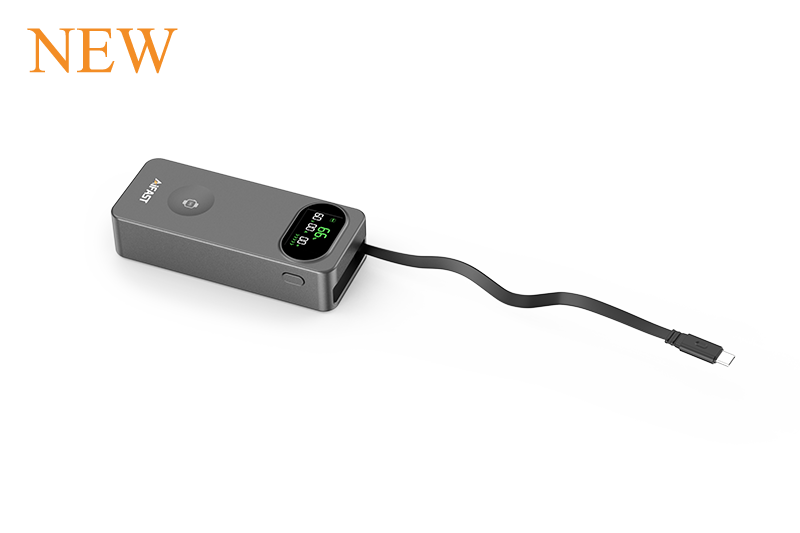 ESC-X017 65W Ultra-Fast 20000mAh Power Bank with TFT Display & Retractable Cable
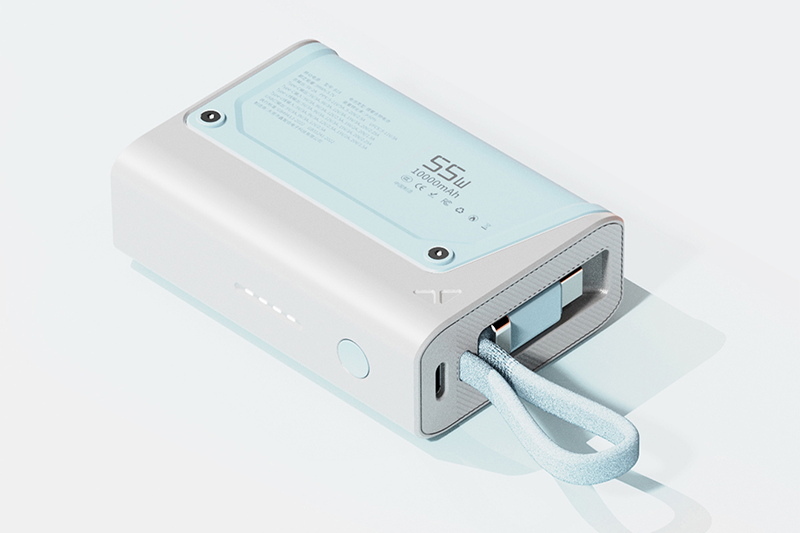 ESC-X020 10000mAh 55W Fast Charge Power Bank with cable built-in
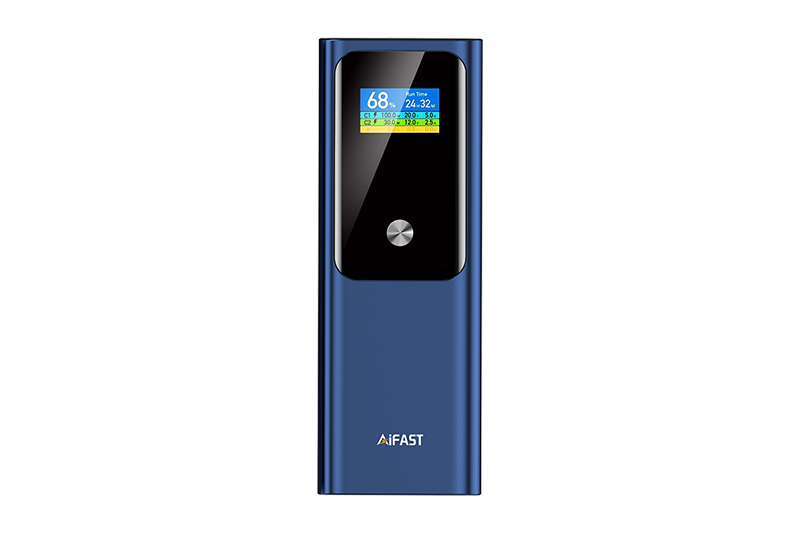 ESC-X016 120W 20000mAh Power Bank with Multi-Protocol TFT Display
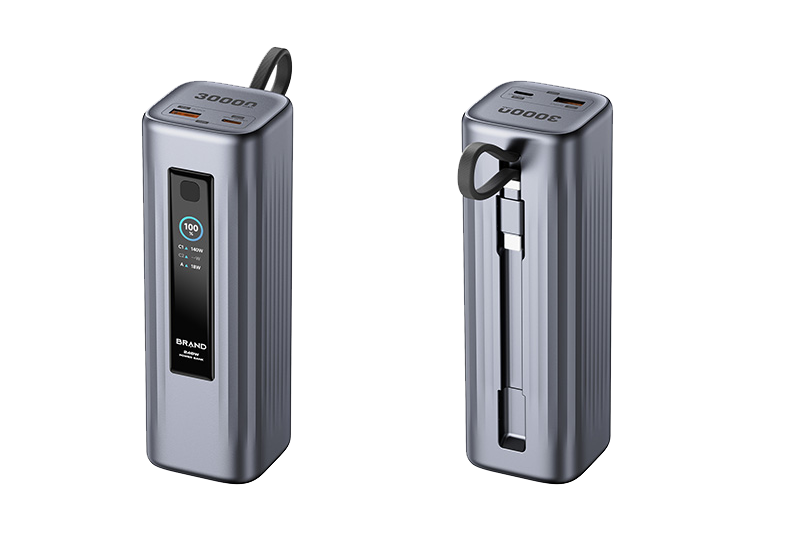 ECS-X022 145W 30,000mAh Power Bank with TFT Display & Retractable Cable
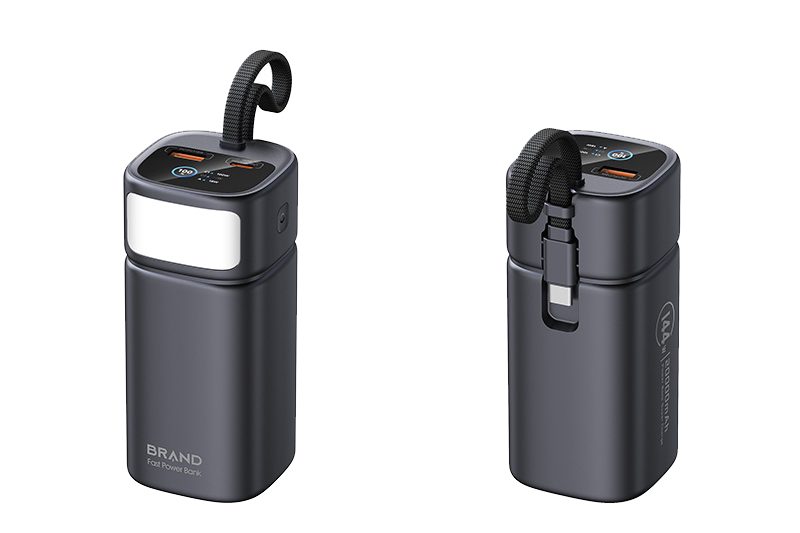 ECS-X021 100W 20,000mAh Power Bank with TFT Display & Retractable Cable
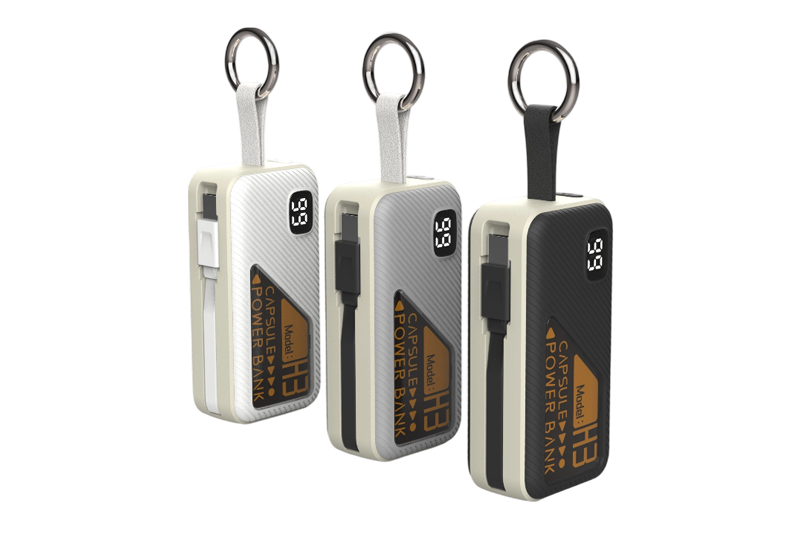 ESC-X023 20W Fast Charging Capsule Power Bank
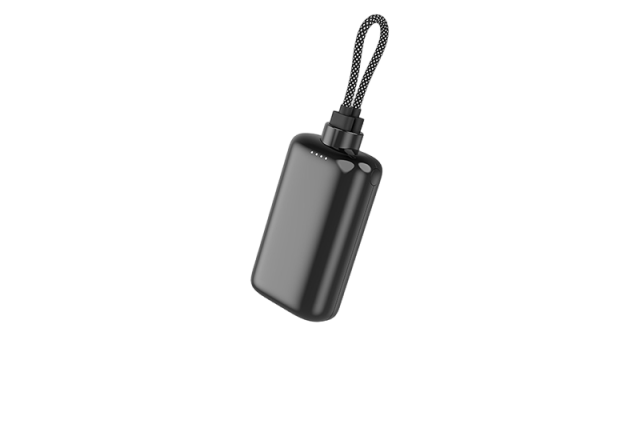 ESC-X024 22.5W 10,000mAh Fast Charging Power Bank
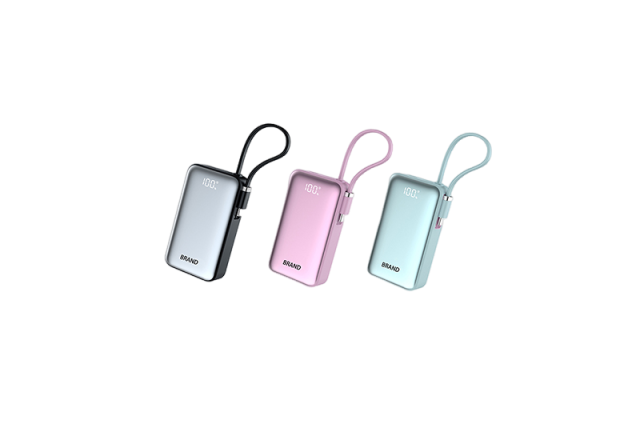 ESC-X025 22.5W Built-in Cable Portable Power Bank
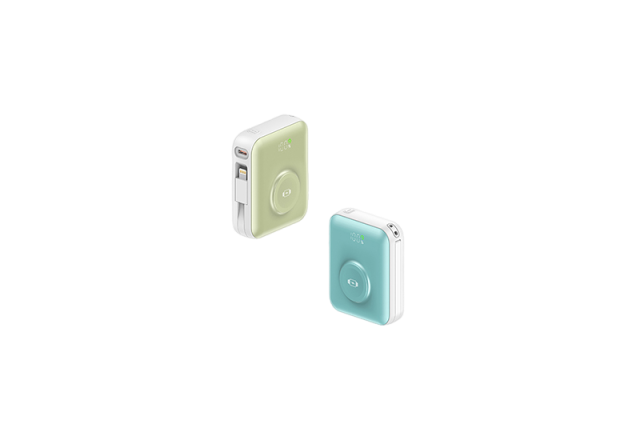 ESC-X026 22.5W 10000mAh Wireless Mini Size Power Bank
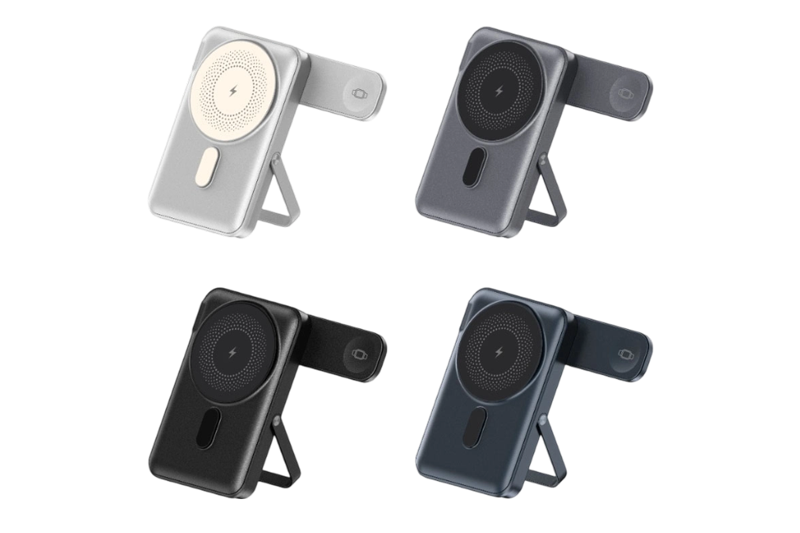 ESC-W018 3-in-1 MagSafe-Style Wireless Charging Stand
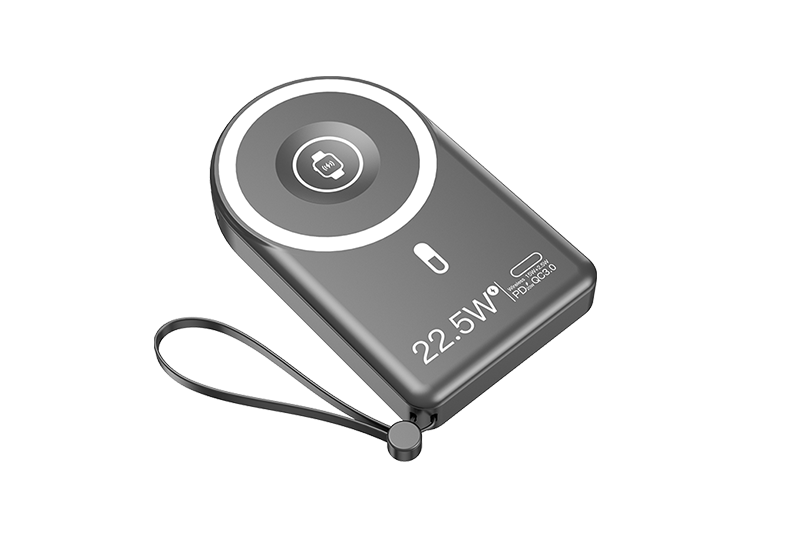 ESC-W017 5000mAh Wireless Ultimate All-in-One Power Solution for Samsung & iPhone Users
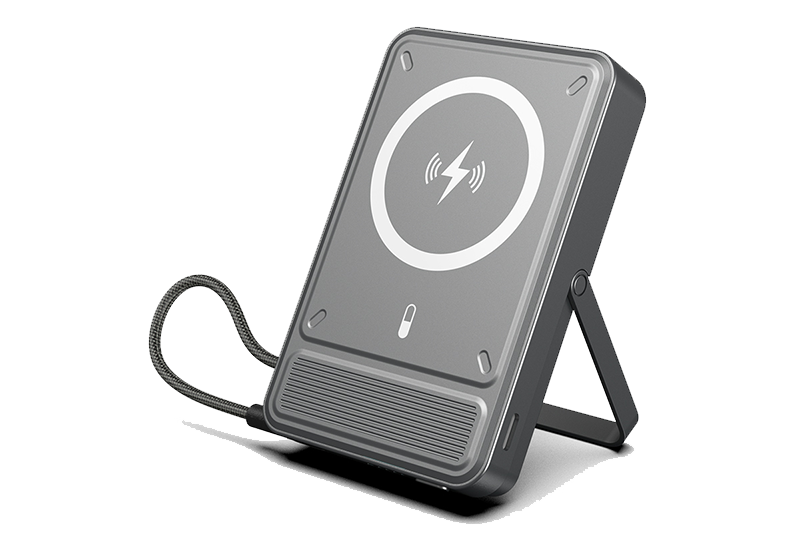 ECS-W016 45W Wireless Power Bank
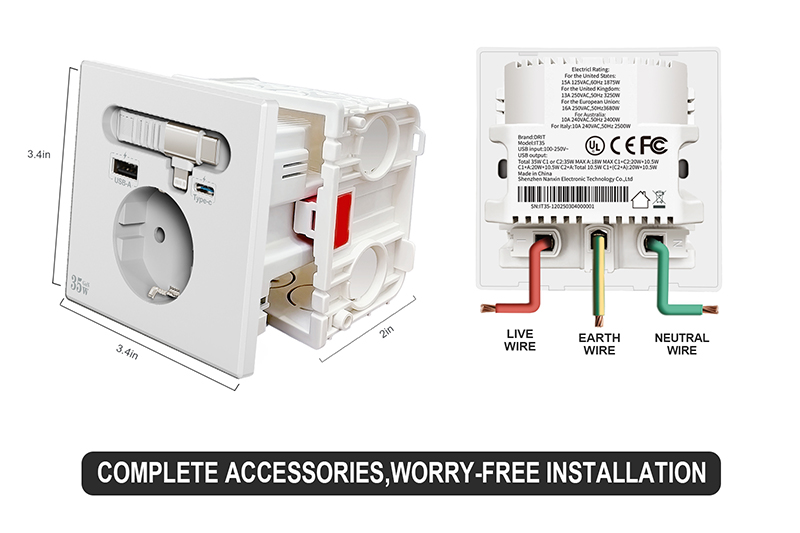 ESC-C019 Ultimate Universal 35W GaN Wall Socket
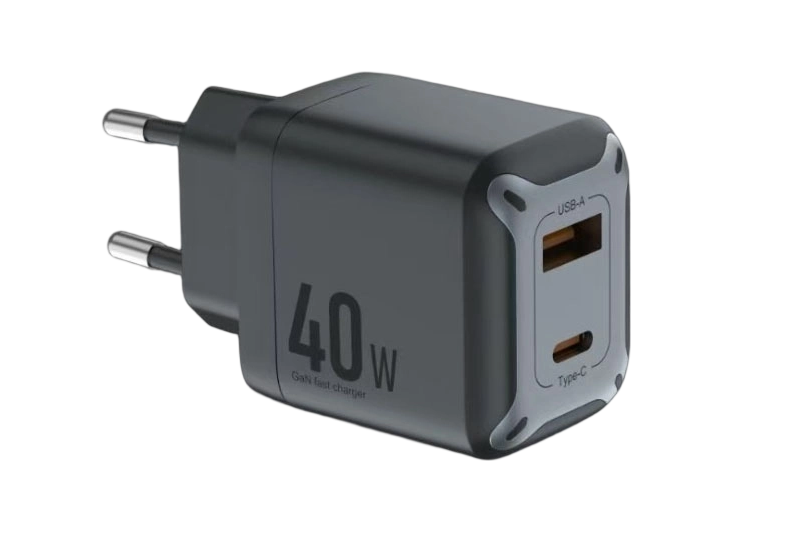 ESC-C018 Small Size 40W GaN Travel Charger
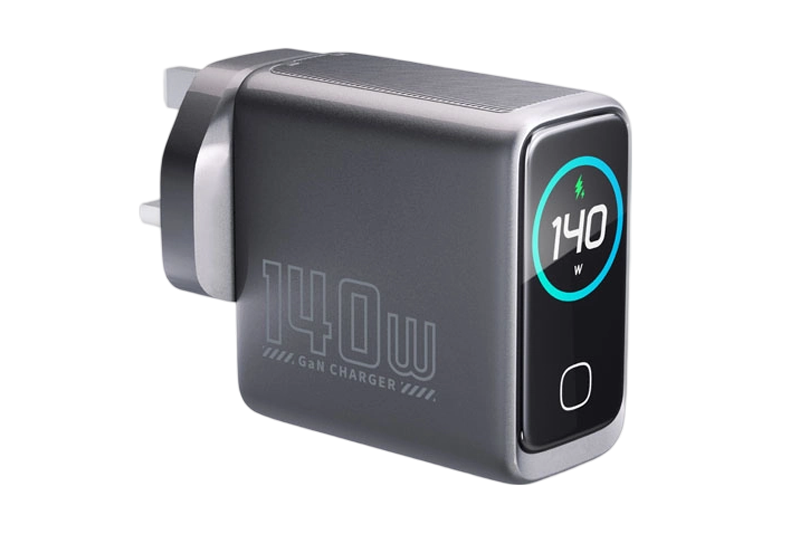 ESC-C017 140W HIGH Speed TFT Screen GaN Charger
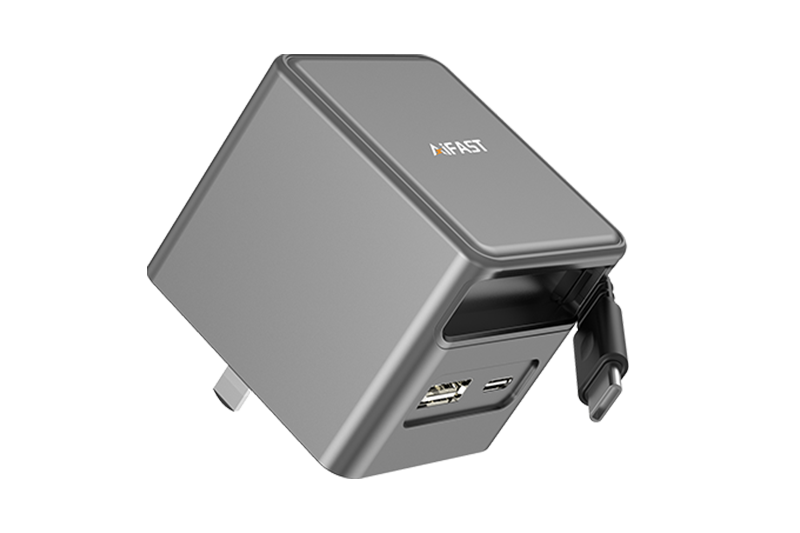 ESC-C016 65CM 65W HIGH Speed Retractable Cable GaN Charger


 Whatsapp
 Wechat