2026 Top Super Fast Charger Innovations and Trends?
The year 2026 promises to showcase remarkable innovations in the Super Fast Charger industry. According to a recent report by Research and Markets, the global market for fast chargers is projected to surpass $30 billion by 2026. This growth reflects an increasing demand for efficient charging solutions.
Experts like Dr. Emily Chen, a renowned figure in the charging technology sector, emphasize, "The future of mobility heavily depends on the advancements in Super Fast Chargers." As consumers shift towards electric vehicles and portable electronics, the need for speedier charging methods becomes paramount. Industry leaders are exploring innovative materials and designs to enhance charging efficiency while reducing energy loss.
Despite these advancements, challenges remain. Many users still face issues with heat management and compatibility between devices. The evolution of Super Fast Chargers requires continuous improvement and collaboration among manufacturers. As we look ahead, it's clear that addressing these shortcomings will be essential for meeting the expectations of tech-savvy consumers.

Emerging Technologies in Fast Charging Solutions for 2026
The fast charging landscape is rapidly evolving. In 2026, several innovative technologies are reshaping how we charge our devices. Reports suggest that the global fast charging market will reach about $30 billion by 2026, reflecting a compound annual growth rate (CAGR) of over 25%. This growth drives the pursuit of higher efficiency and faster charging times.
One emerging trend is the use of advanced battery materials. Solid-state batteries are gaining momentum. They promise improved safety and energy density. New materials can allow for charging times that are reduced to mere minutes. Additionally, wireless charging technologies are advancing. They now offer efficiency rates approaching 90%, but challenges remain in optimizing distances and achieving compatibility across devices.
Despite thrilling innovations, there are significant hurdles. Not all fast charging technologies are universally adopted. Different voltages create compatibility issues. Consumers may find themselves confused about which chargers to use. Furthermore, rapid charging can lead to heat generation. This raises concerns about battery longevity and overall safety. As the industry pushes forward, addressing these shortcomings will be crucial for a seamless user experience.
Key Innovations in Super Fast Charging Systems
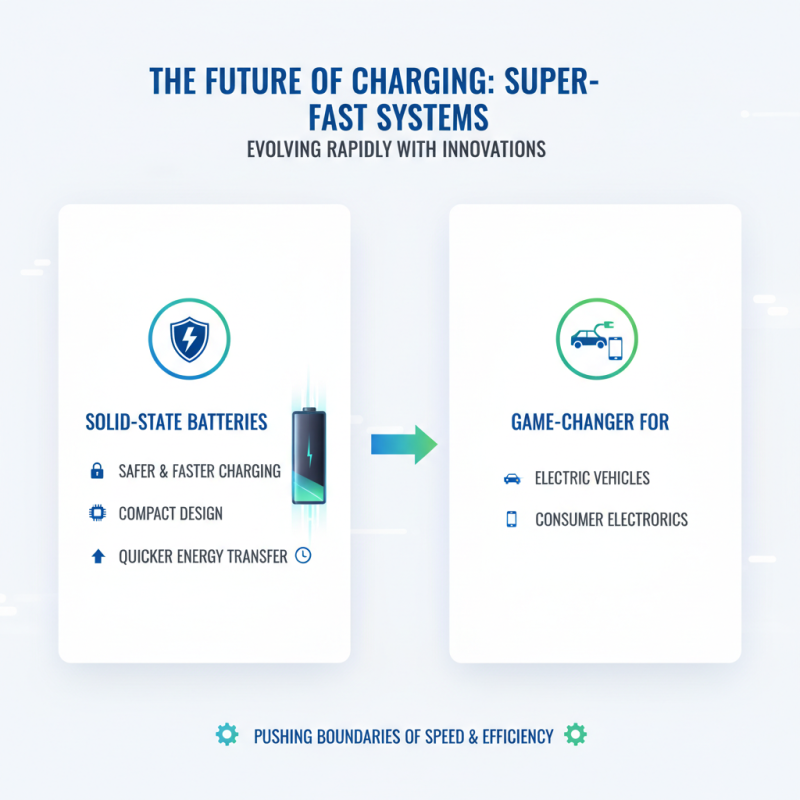
The landscape of super fast charging systems is evolving rapidly. Various innovations are emerging, pushing the boundaries of speed and efficiency. One exciting trend involves the development of solid-state batteries. These batteries promise safer and faster charging than traditional lithium-ion counterparts. Their compact design allows for even quicker energy transfer, presenting a game-changer for electric vehicles and consumer electronics.
Another intriguing innovation is the integration of smart charging algorithms. These systems adjust the charging speed based on battery conditions. They can optimize energy consumption and enhance battery lifespan. However, there’s a caveat: reliance on algorithms may lead to unforeseen issues in real-world applications. Additionally, the infrastructure for super fast charging still lags behind demand. Many locations lack sufficient charging stations, hindering widespread adoption.
We should also consider advancements in wireless charging technology. This method reduces wear and tear on charging ports. Yet, it often results in slower speeds compared to wired options. The journey toward perfecting super fast charging is filled with both potential and challenges. It requires ongoing assessment to ensure reliability and efficiency in everyday use.
Trends Shaping the Future of Electric Vehicle Charging
The future of electric vehicle charging is witnessing a radical transformation. As the demand for EVs grows, innovative charging technologies are emerging. According to recent industry reports, nearly 30% of new vehicles sold in 2026 will be electric. This surge necessitates faster charging solutions to enhance user convenience.
Ultra-fast chargers are becoming more prevalent. These chargers can provide up to 350 kW of power, enabling a significant boost in charging speed. Some users can recharge their vehicles to 80% in just 15 minutes. However, infrastructure development lags behind in many areas. Not all locations are equipped with these advanced charging stations. Accessibility remains a concern.
Tips: Choose charging stations wisely. Look for ultra-fast options during long trips. Explore apps that help locate nearby chargers. Monitor charging times. Your time is precious. On another note, as exciting as these innovations are, they require a different kind of user education. Not all drivers are aware of how to utilize new technologies effectively. Keeping pace with these changes is essential for all EV owners. The journey towards 2026 promises to be dynamic. Embracing this shift is not without challenges, but the potential rewards are significant.
Impact of Super Fast Chargers on Sustainable Energy Adoption
The rise of super fast chargers is reshaping the sustainable energy landscape. As electric vehicle (EV) adoption increases, charging speed is crucial. A recent report indicates that super fast chargers, capable of delivering up to 350 kW, can reduce charging times to under 15 minutes. This dramatically enhances the user experience and boosts EV popularity.
However, the integration of super fast chargers presents some challenges. High power demand during peak hours may strain local grids. This situation can lead to increased emissions if fossil fuels are the primary energy source. Moreover, a study found that 60% of charging stations lack sufficient infrastructure to support these ultrafast chargers.
Tips for users: consider charging during off-peak hours to lessen strain on the grid. Also, advocate for cleaner energy sources at charging stations. Committing to sustainable practices not only aids your charging experience but also contributes to environmental goals. With ongoing innovations, the race for better charging solutions continues, but vigilance remains essential.
2026 Super Fast Charger Innovations and Trends
This chart illustrates the projected advancements in super fast charger technology for 2026, showcasing key dimensions such as battery technology, charging speed, market adoption, and renewable energy integration rates. These innovations are expected to greatly influence the adoption of sustainable energy solutions.
Consumer Adoption Challenges for Next-Gen Charging Infrastructure
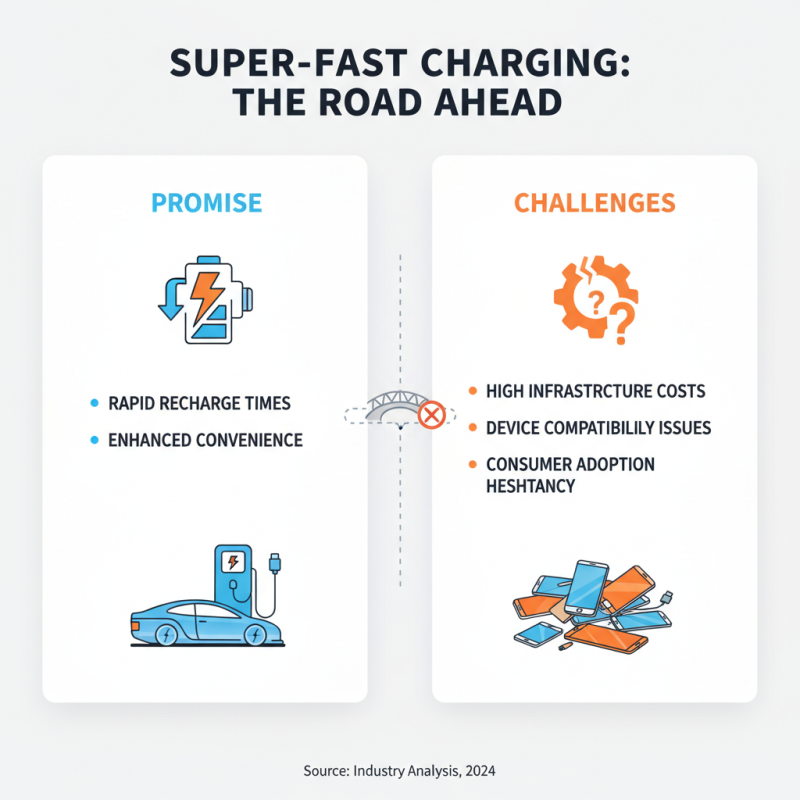
Current advancements in super-fast charging technology hold great promise. However, the road ahead is filled with challenges. Many consumers are still hesitant to adopt next-gen charging infrastructure. This reticence stems from various factors, including cost and compatibility. Many fear that new systems may render their existing devices obsolete.
Moreover, there is a noticeable lack of standardization in charging protocols. This inconsistency leads to confusion among users. Without a clear understanding of how new chargers will work, consumers might opt for traditional methods. Additionally, the availability of infrastructure poses a significant barrier. Charging stations need to be accessible, yet many areas remain underserved.
Consumer trust plays a key role in adoption rates. There is a need for increased awareness about the benefits of rapid charging. Educating users on the speed and efficiency can help. However, misinformation persists, creating doubts. As innovations arise, addressing these concerns is crucial for widespread acceptance. Building a solid foundation of trust and understanding will pave the way for the future of charging.

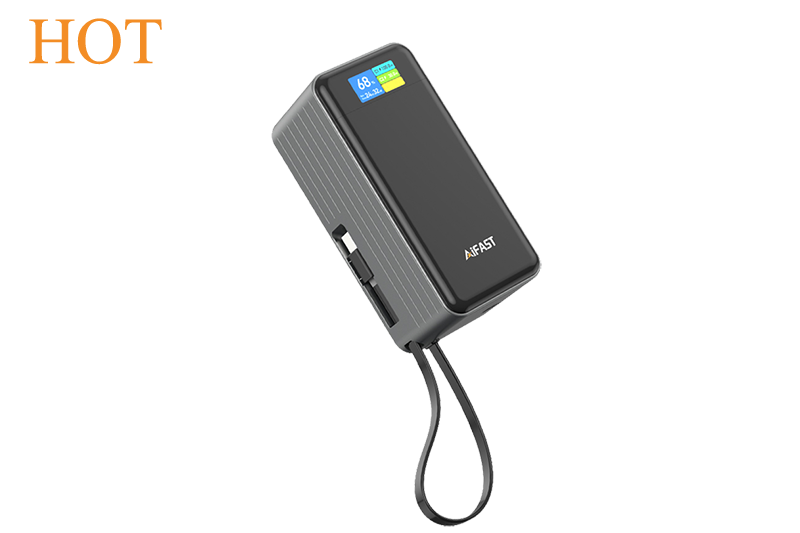 ESC-X019 65W Fast charge power bank
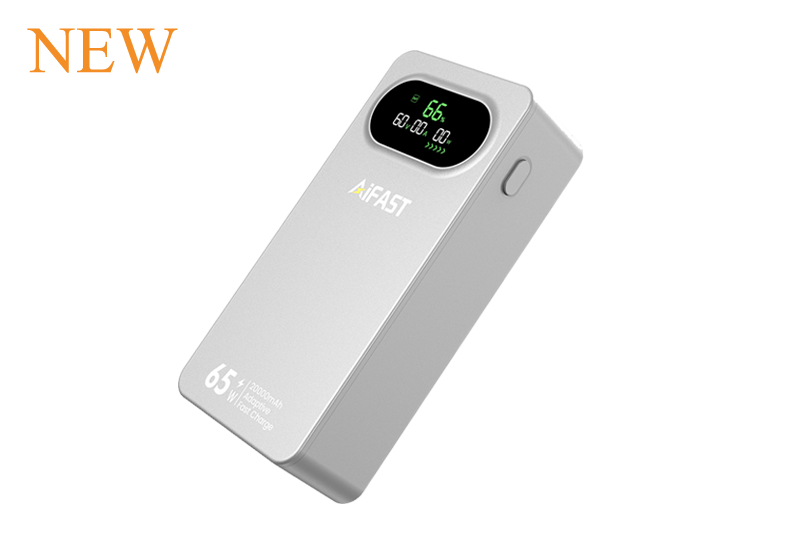 ESC-X018 65W Ultra-Fast 10000mAh Power Bank with TFT Display & Retractable Cable
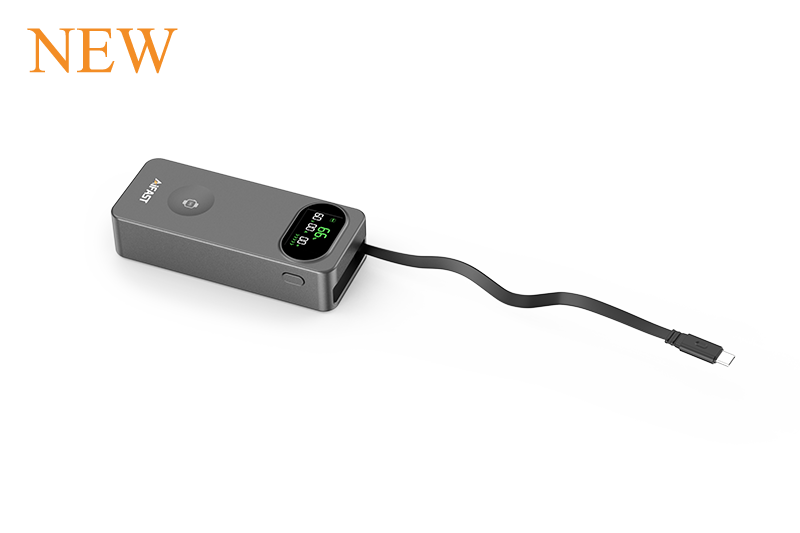 ESC-X017 65W Ultra-Fast 20000mAh Power Bank with TFT Display & Retractable Cable
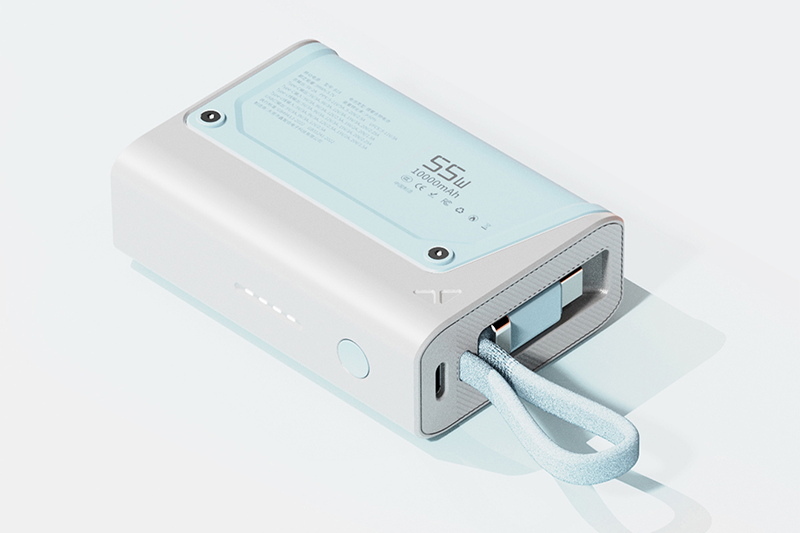 ESC-X020 10000mAh 55W Fast Charge Power Bank with cable built-in
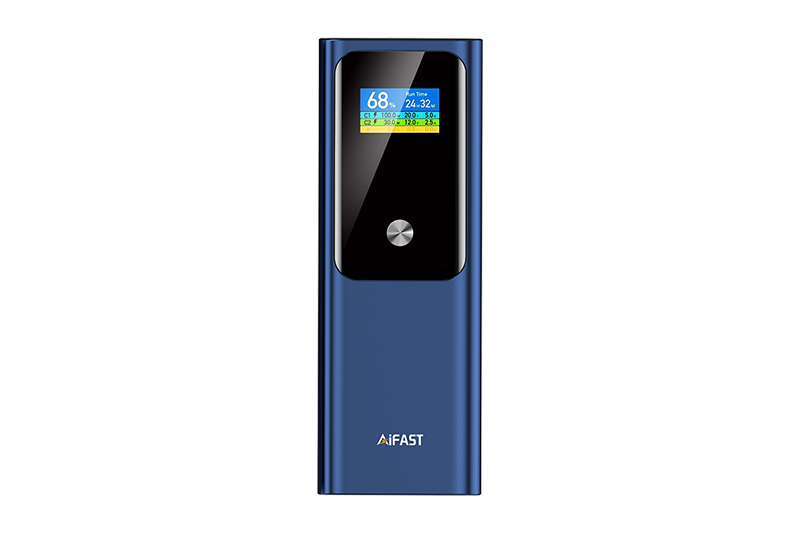 ESC-X016 120W 20000mAh Power Bank with Multi-Protocol TFT Display
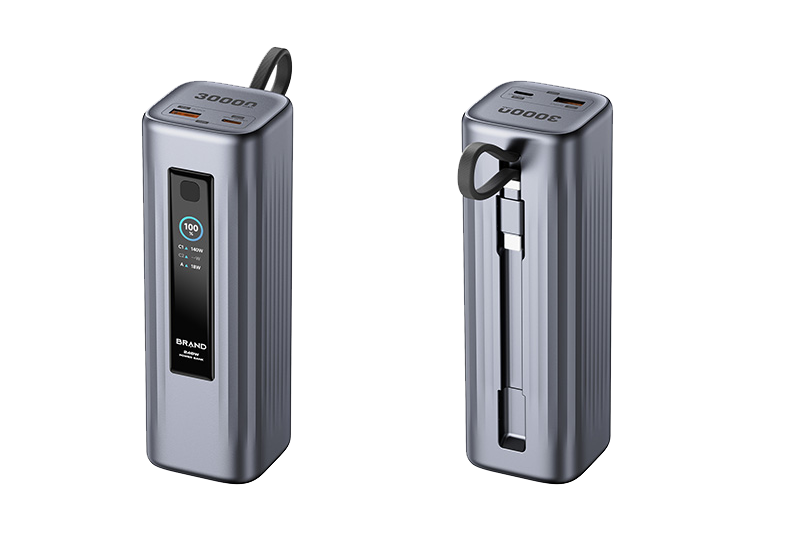 ECS-X022 145W 30,000mAh Power Bank with TFT Display & Retractable Cable
 ECS-X021 100W 20,000mAh Power Bank with TFT Display & Retractable Cable
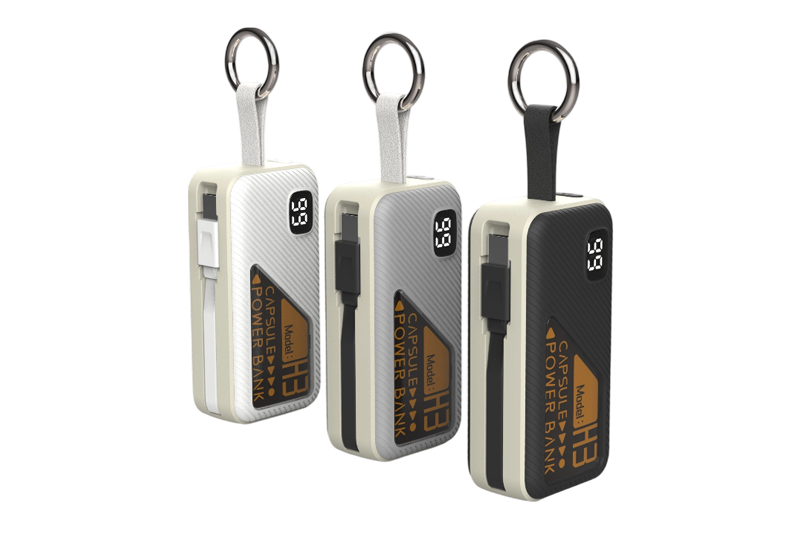 ESC-X023 20W Fast Charging Capsule Power Bank
 ESC-X024 22.5W 10,000mAh Fast Charging Power Bank
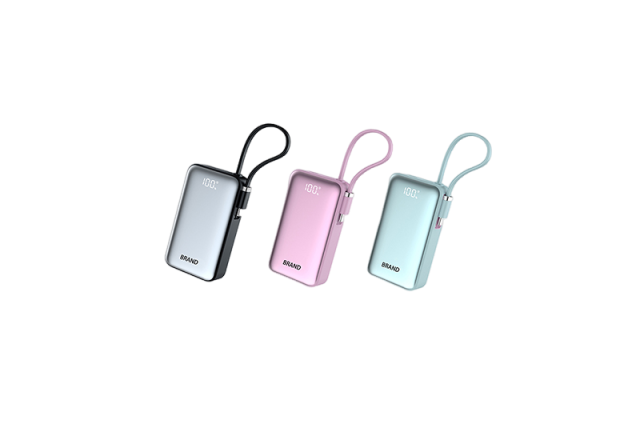 ESC-X025 22.5W Built-in Cable Portable Power Bank
 ESC-X026 22.5W 10000mAh Wireless Mini Size Power Bank
 ESC-W018 3-in-1 MagSafe-Style Wireless Charging Stand
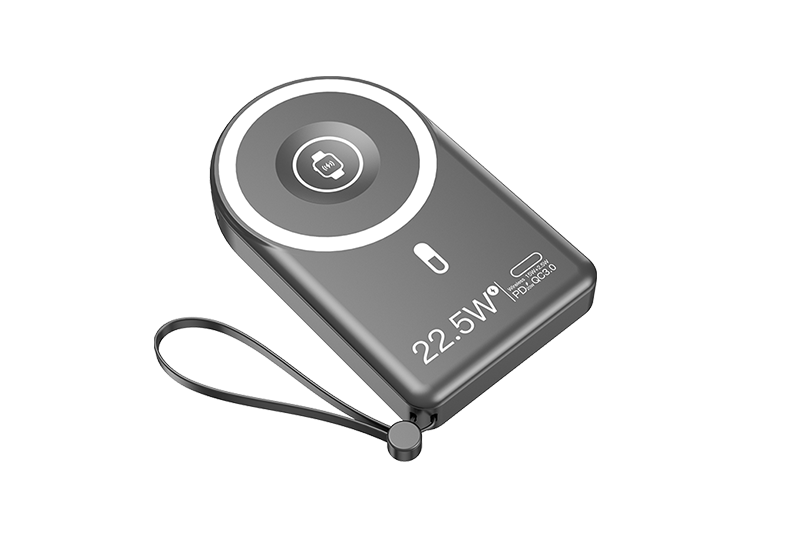 ESC-W017 5000mAh Wireless Ultimate All-in-One Power Solution for Samsung & iPhone Users
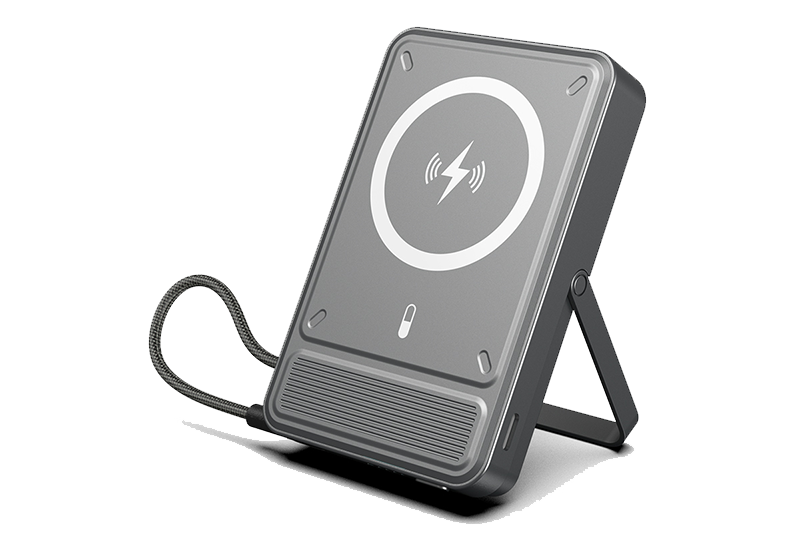 ECS-W016 45W Wireless Power Bank
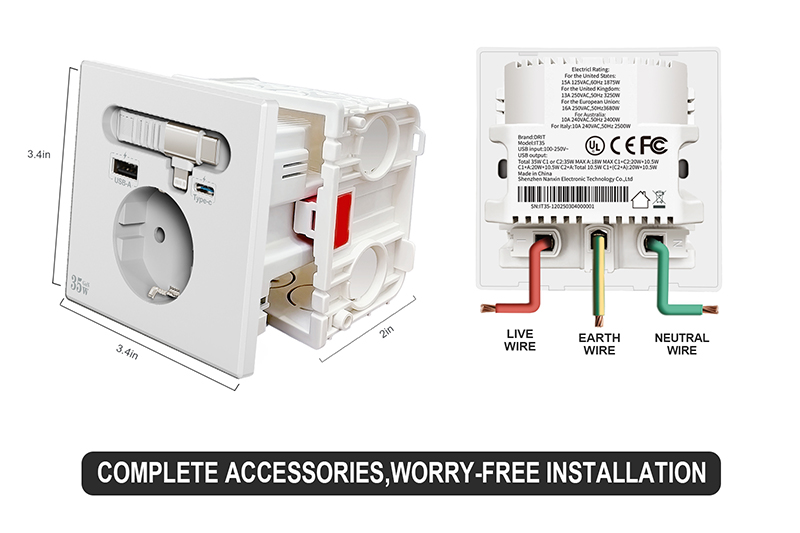 ESC-C019 Ultimate Universal 35W GaN Wall Socket
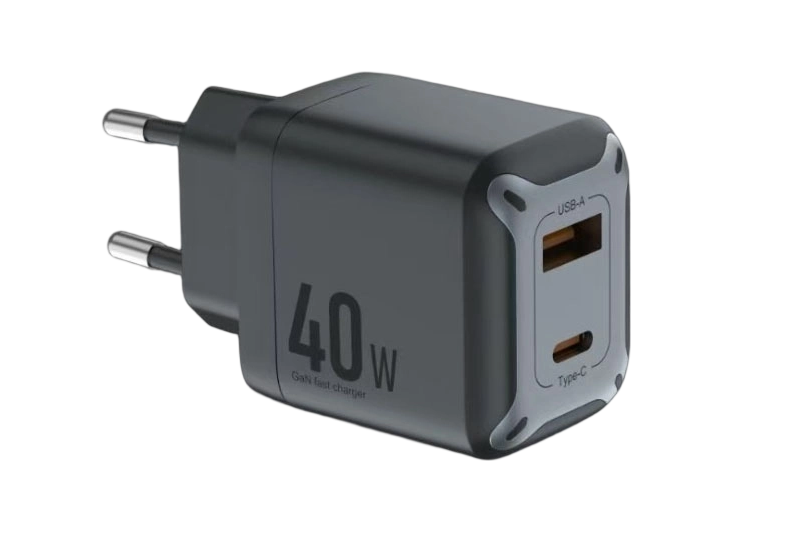 ESC-C018 Small Size 40W GaN Travel Charger
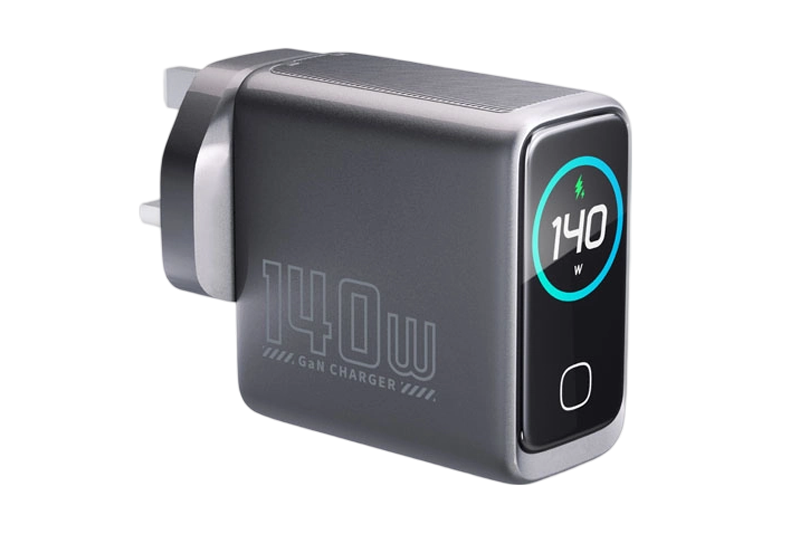 ESC-C017 140W HIGH Speed TFT Screen GaN Charger
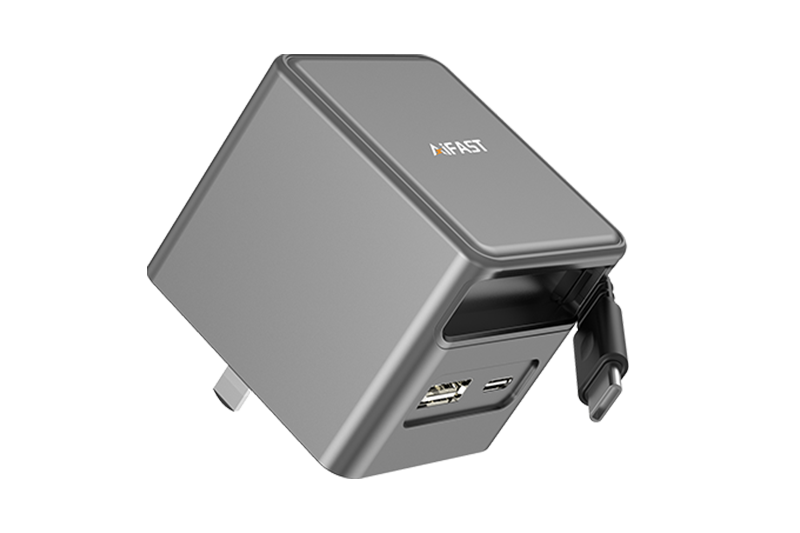 ESC-C016 65CM 65W HIGH Speed Retractable Cable GaN Charger


 Whatsapp
 Wechat