Top 10 Power Bank Portable Chargers for Your Everyday Needs?
In today's fast-paced world, staying connected is essential. The demand for reliable power sources has surged. According to a recent report by Grand View Research, the global power bank market size was valued at over $9 billion in 2022. The market is projected to grow significantly, driven by the increasing reliance on smartphones and other portable devices.
Power Bank Portable Chargers have become a necessity. People use them for various purposes, from daily commutes to long travels. They provide a convenient solution for keeping devices powered. Yet, not all chargers are created equal. Some lack efficiency, while others may not be durable enough.
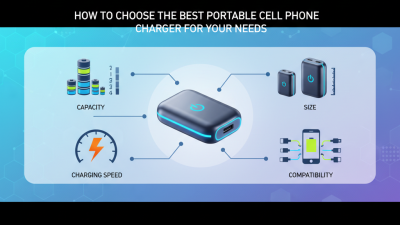
As consumers, we need to make informed choices. Selecting a power bank should be based on our unique needs. Factors like capacity, size, and charging speed play crucial roles. Reflecting on these details ensures we find the right match. Power Bank Portable Chargers are more than just accessories; they are lifelines in our digital age.
The Importance of Power Banks in Today's Digital Lifestyle
In today's digital age, power banks have become essential. Reports indicate that over 70% of smartphone users feel anxious about battery life. This anxiety often stems from our dependence on technology for daily tasks—shopping, navigation, and communication. With an average smartphone battery lasting just over a day, having a portable charger can alleviate this worry.
Many people underestimate the number of times their devices need charging. A typical user recharges their smartphone about 1.5 times a day. By keeping a power bank handy, you can consistently stay connected, especially during long commutes or outdoor adventures. Remember, investing in a reliable portable charger can ensure that your devices remain operational when you need them most.
**Tip:** When choosing a power bank, consider capacity. Higher mAh ratings mean more charges. However, don’t overlook size and weight. A powerful bank that’s impractical to carry defeats its purpose.
It’s also worth noting that not all power banks are created equal. Features like fast charging or multiple ports can enhance usability. Yet, with so many options, it’s easy to feel overwhelmed. Reflect on what features matter most to you before making a choice.
Top 10 Power Bank Portable Chargers for Your Everyday Needs
This chart illustrates the average charging capacity (mAh) and weight (grams) of the top 10 power banks, showcasing their importance in today's digital lifestyle.
Key Features to Consider When Choosing a Portable Charger
When choosing a portable charger, there are several key features to think about.
Battery capacity is essential. A higher capacity means more charges for your devices.
Look for options with at least 10,000 mAh. This allows for multiple phone charges in a day.
For those who travel often, compact size also matters.
A light charger is easier to carry.
Charging speed is another critical factor.
Fast charging technology can save time. Some chargers provide rapid output for devices that support it.
This ensures your phone gets back to 100% in no time.
Another often overlooked aspect is the number of ports.
A portable charger with multiple ports can charge several devices simultaneously.
This is great for group outings or road trips.
Don't forget about safety features.
Protection against overcharging and overheating can prevent damage to your devices.
Some chargers even offer smart technology to detect optimal charging needs.
Design can play a role too.
A sleek, attractive charger might appeal to style-conscious users.
Consider the materials as well. Durable, high-quality materials usually ensure longevity.
Top Brands and Their Market Share in the Power Bank Industry
The power bank industry has experienced significant growth over the past few years. Many brands are now vying for market dominance. Consumers have diverse needs, leading to variations in product features. Some brands focus on fast charging, while others emphasize capacity and portability. There is, however, a notable imbalance in market share. A few brands hold a majority of the market, leaving smaller companies fighting for the remaining pie.
Consumer preferences greatly influence brand performance. Users often seek reliability and durability in their portable chargers. Brands that fail to meet these expectations face challenges. Some newer companies struggle to convince customers to switch. Limited customer reviews and lesser-known names can deter potential buyers. The impact of reliable branding cannot be underestimated. Many consumers believe that established names are safer choices.
Despite the growing demand, not every brand adapts well. Some neglect to innovate or improve their products regularly. This stagnation in development can harm their market position. Shifting trends, such as the push for eco-friendly materials, also create pressure. Brands that don't align with these values may fall behind. Users are increasingly making choices based on sustainability, forcing companies to rethink their strategies and offerings.
Top 10 Power Bank Portable Chargers for Your Everyday Needs
| Model |
Battery Capacity (mAh) |
Output Ports |
Fast Charging |
Weight (g) |
Price (USD) |
| Model A |
10000 |
2 |
Yes |
250 |
29.99 |
| Model B |
20000 |
3 |
Yes |
350 |
49.99 |
| Model C |
15000 |
2 |
No |
300 |
35.99 |
| Model D |
25000 |
4 |
Yes |
450 |
69.99 |
| Model E |
5000 |
1 |
No |
150 |
19.99 |
| Model F |
12000 |
2 |
Yes |
280 |
39.99 |
| Model G |
8000 |
2 |
No |
200 |
24.99 |
| Model H |
30000 |
3 |
Yes |
500 |
79.99 |
| Model I |
7000 |
2 |
No |
150 |
23.99 |
| Model J |
11000 |
2 |
Yes |
260 |
34.99 |
Real-World Capacity: Understanding mAh Ratings and Battery Life
When choosing a portable charger, understanding mAh ratings is essential. The milliamp-hour (mAh) rating indicates the capacity of the power bank. A higher mAh means more stored energy. But what does that truly mean in practice? For instance, a 10,000mAh power bank can charge most smartphones fully two to three times. However, real-world usage may differ.
Many factors influence battery life. Temperature, the age of the battery, and device compatibility all matter. Charging a newer phone might drain the power bank faster. It's not just about the numbers on paper. Often, users find that their devices don’t last as long as expected. This inconsistency can be frustrating.
Sometimes, people overlook how they use their devices. Continuous app usage or heavy gaming can consume power quickly. It’s crucial to recharge the bank often. Yet, many forget to check how much charge is left. Consequently, running out of power during a critical moment is common. Tracking usage becomes necessary for effective daily charging. This all emphasizes the need for balance between capacity and performance.
Emerging Trends in Power Bank Technology and User Preferences
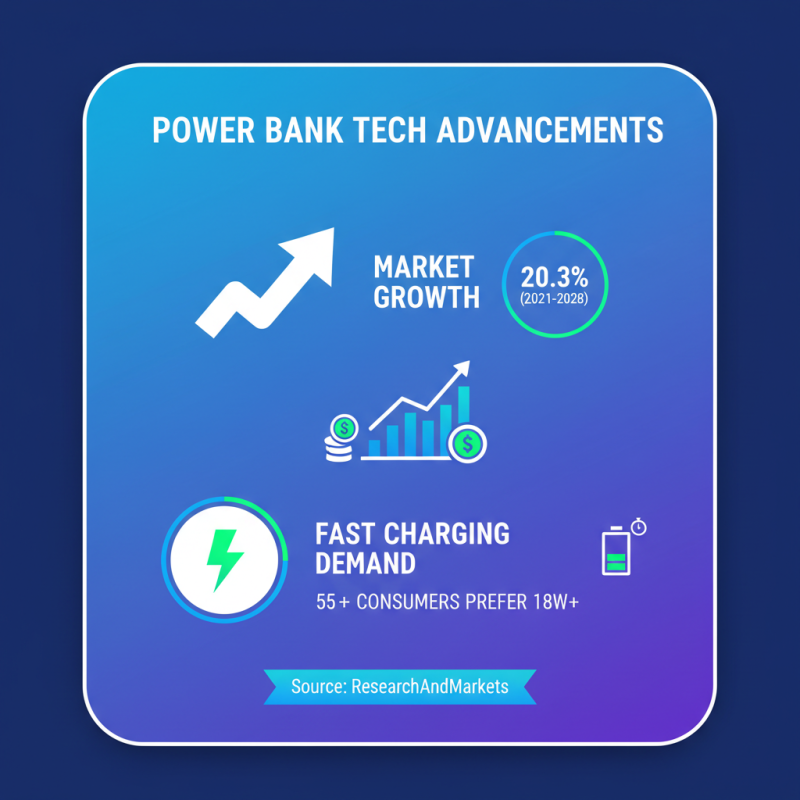
In recent years, power bank technology has seen significant advancements. According to a market report by ResearchAndMarkets, the portable charger market is projected to grow at a CAGR of 20.3% from 2021 to 2028. Users are increasingly seeking fast charging solutions. In fact, over 55% of consumers prefer chargers that can deliver at least 18W.
Size and weight are also crucial considerations. Many users want compact, lightweight designs that easily fit in pockets or bags. The same report highlighted that 70% of buyers prioritize portability. However, some designs sacrifice battery capacity for size. This can lead to inconsistent performance and frustration during heavy usage.
Furthermore, sustainability is a growing concern. A survey by Statista found that 45% of users are willing to pay more for eco-friendly products. Despite this trend, many power banks still rely on non-recyclable materials. There's a clear need for improvement in this area. Overall, while technology is evolving, companies must address user preferences and environmental impact.

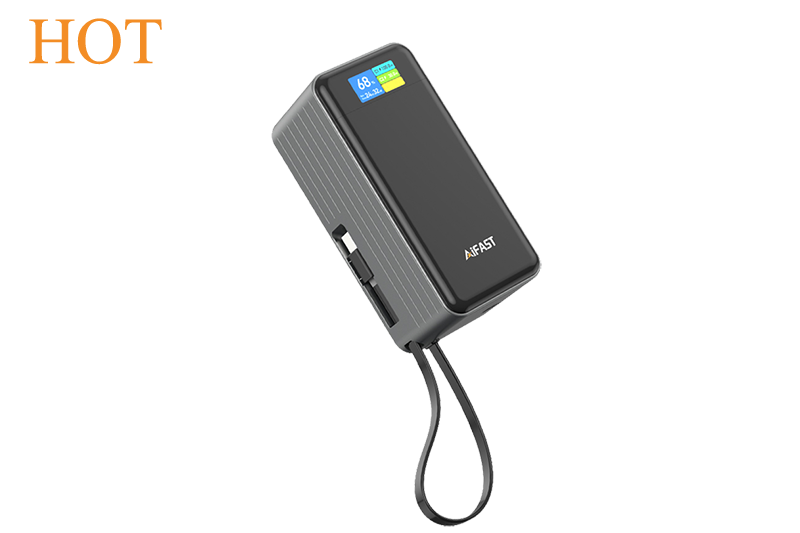 ESC-X019 65W Fast charge power bank
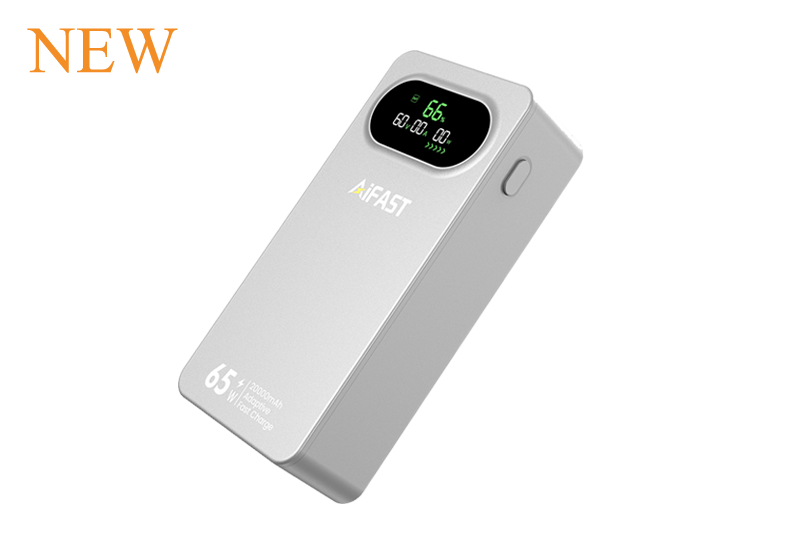 ESC-X018 65W Ultra-Fast 10000mAh Power Bank with TFT Display & Retractable Cable
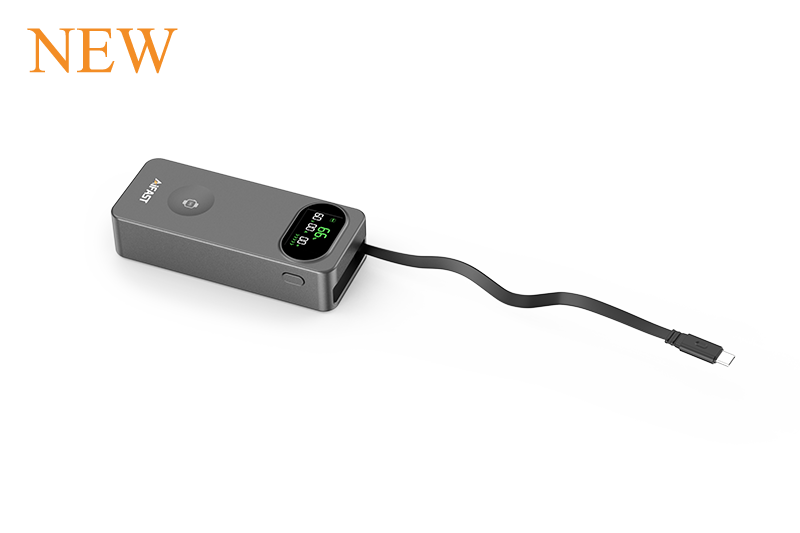 ESC-X017 65W Ultra-Fast 20000mAh Power Bank with TFT Display & Retractable Cable
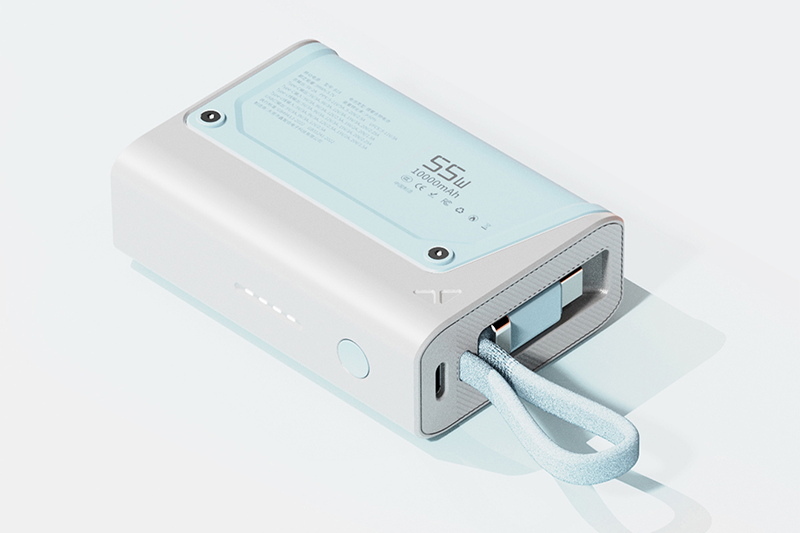 ESC-X020 10000mAh 55W Fast Charge Power Bank with cable built-in
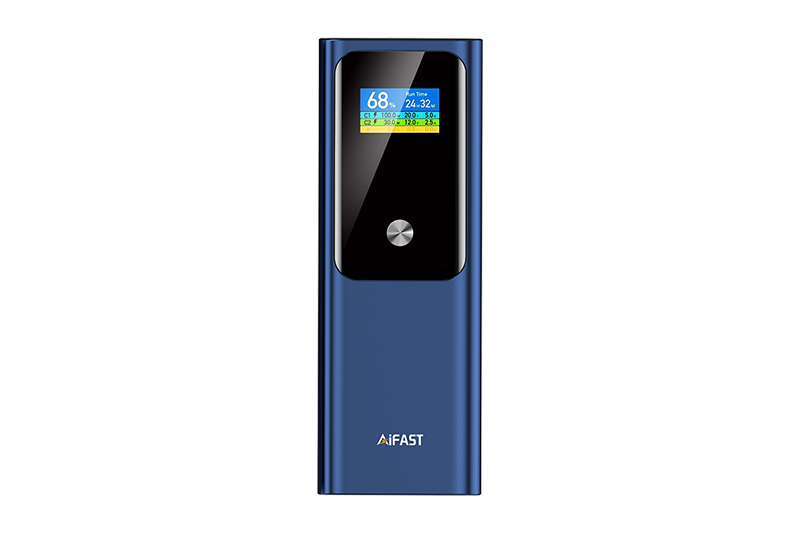 ESC-X016 120W 20000mAh Power Bank with Multi-Protocol TFT Display
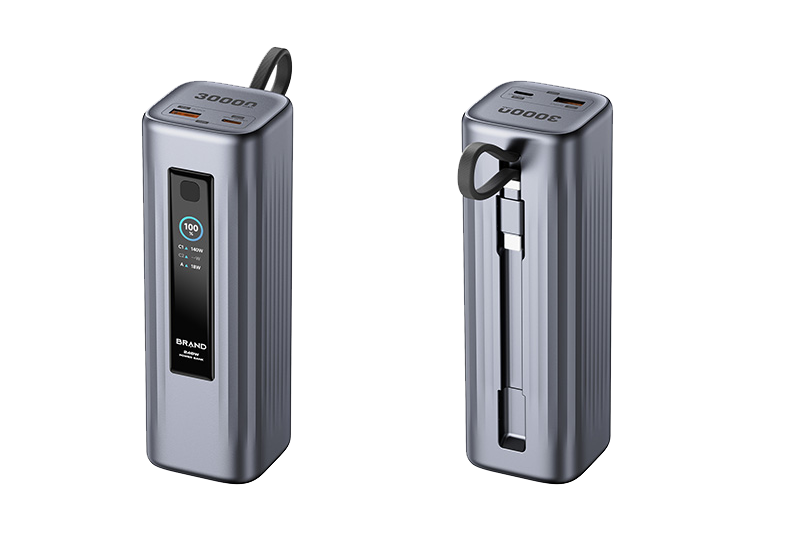 ECS-X022 145W 30,000mAh Power Bank with TFT Display & Retractable Cable
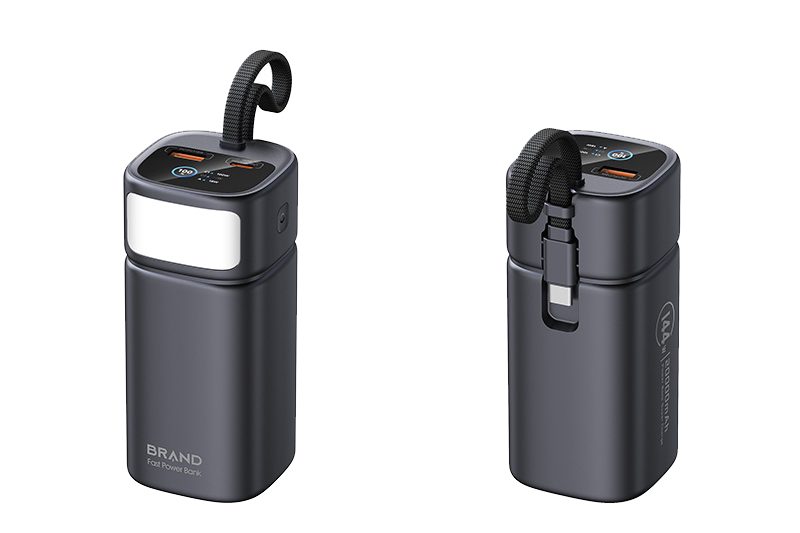 ECS-X021 100W 20,000mAh Power Bank with TFT Display & Retractable Cable
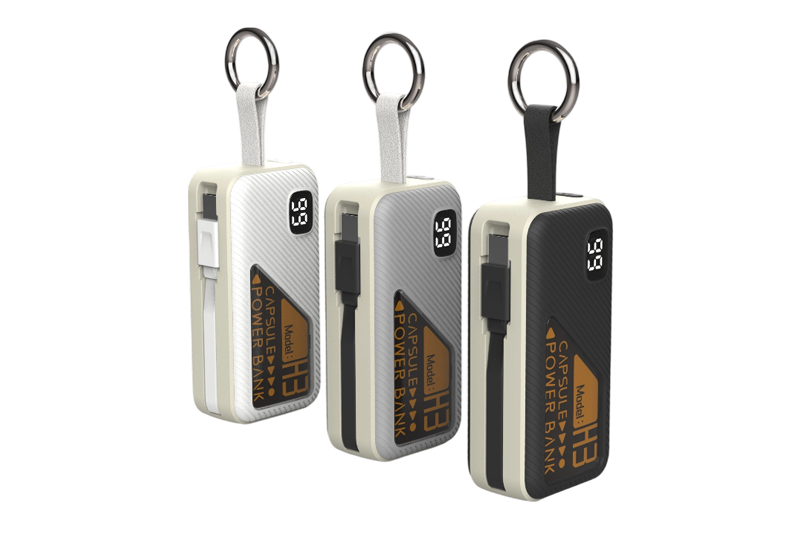 ESC-X023 20W Fast Charging Capsule Power Bank
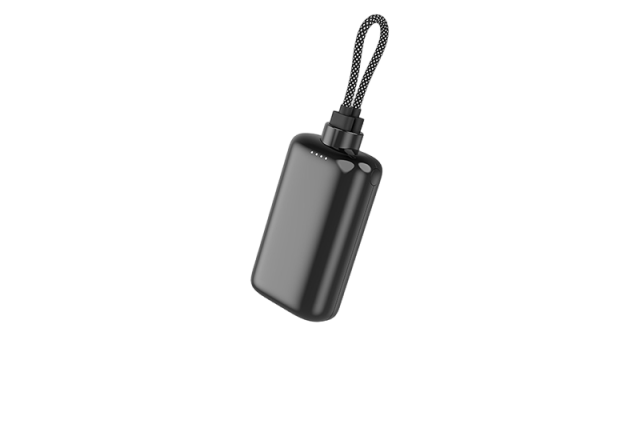 ESC-X024 22.5W 10,000mAh Fast Charging Power Bank
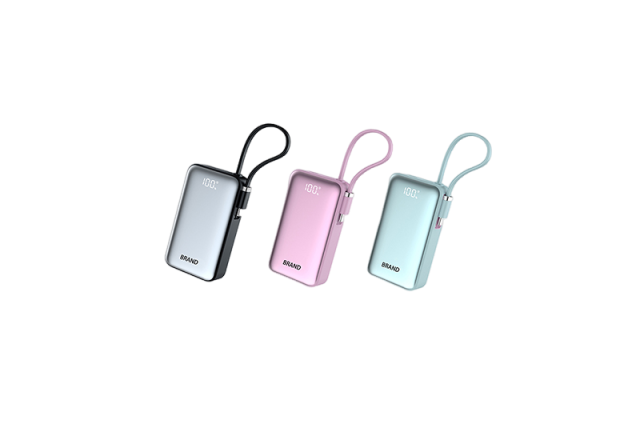 ESC-X025 22.5W Built-in Cable Portable Power Bank
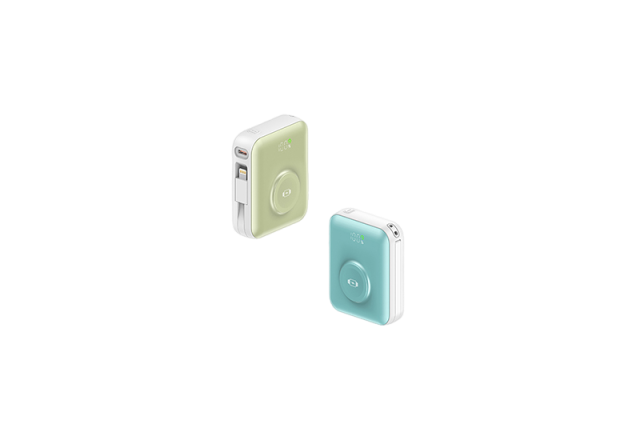 ESC-X026 22.5W 10000mAh Wireless Mini Size Power Bank
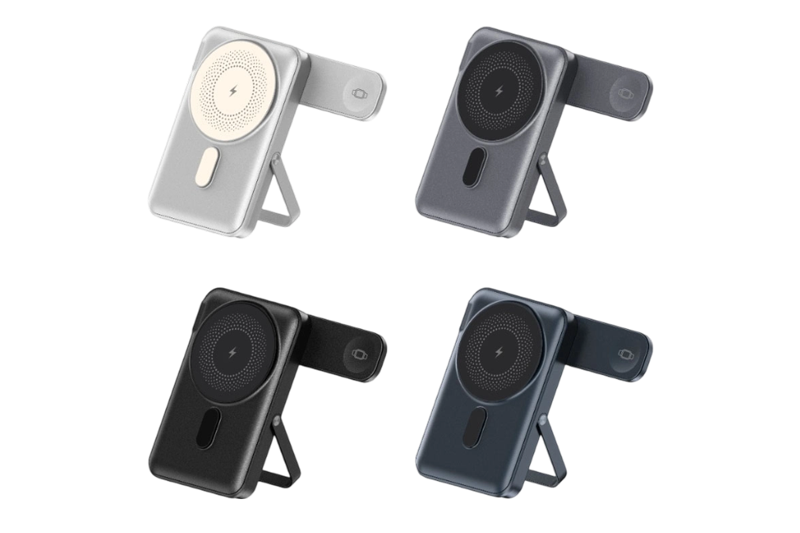 ESC-W018 3-in-1 MagSafe-Style Wireless Charging Stand
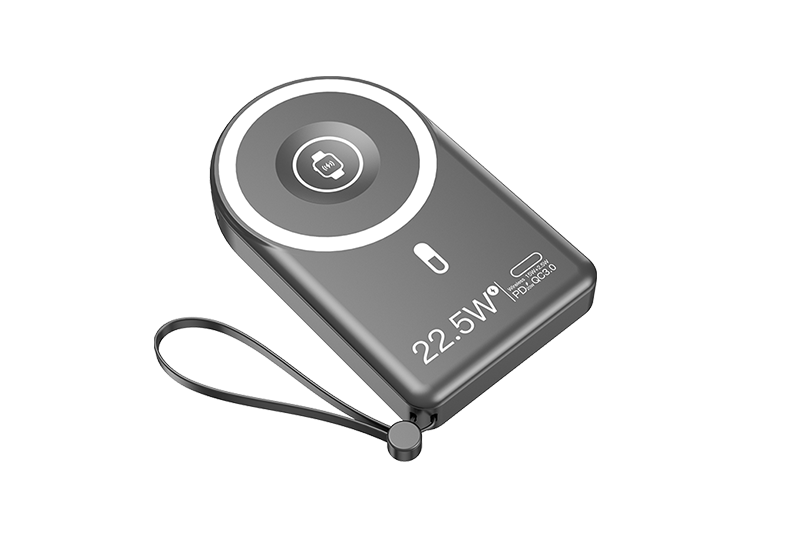 ESC-W017 5000mAh Wireless Ultimate All-in-One Power Solution for Samsung & iPhone Users
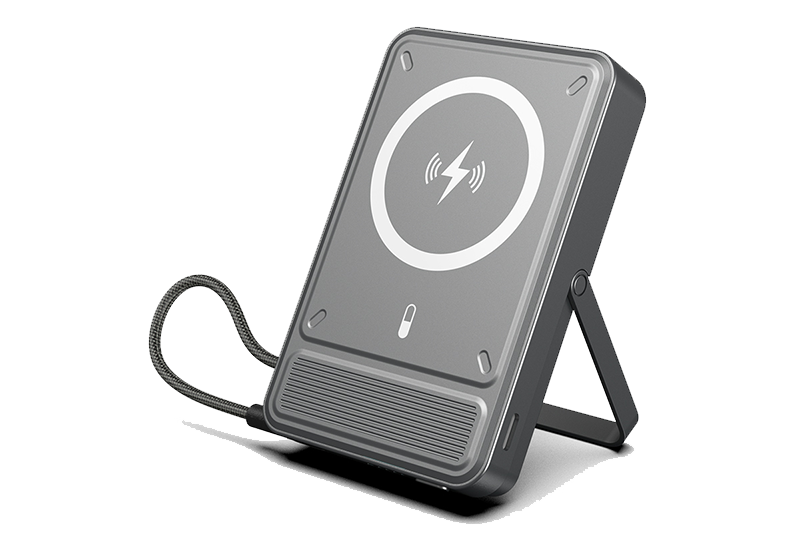 ECS-W016 45W Wireless Power Bank
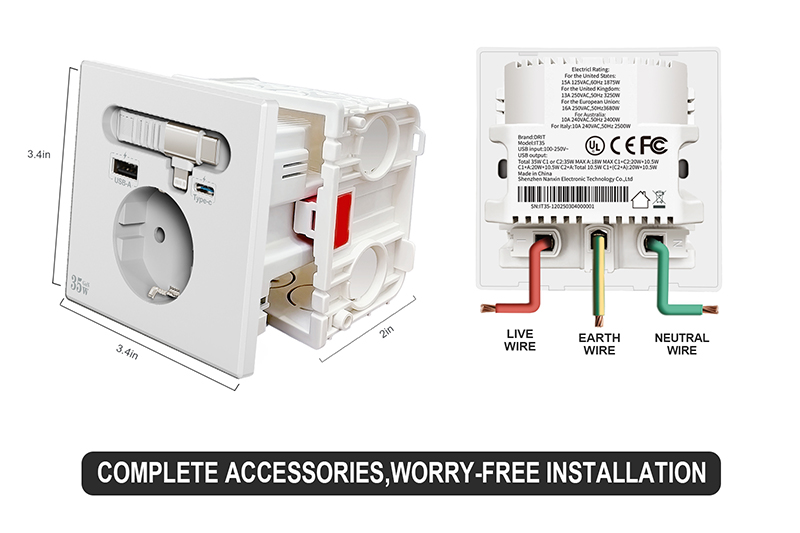 ESC-C019 Ultimate Universal 35W GaN Wall Socket
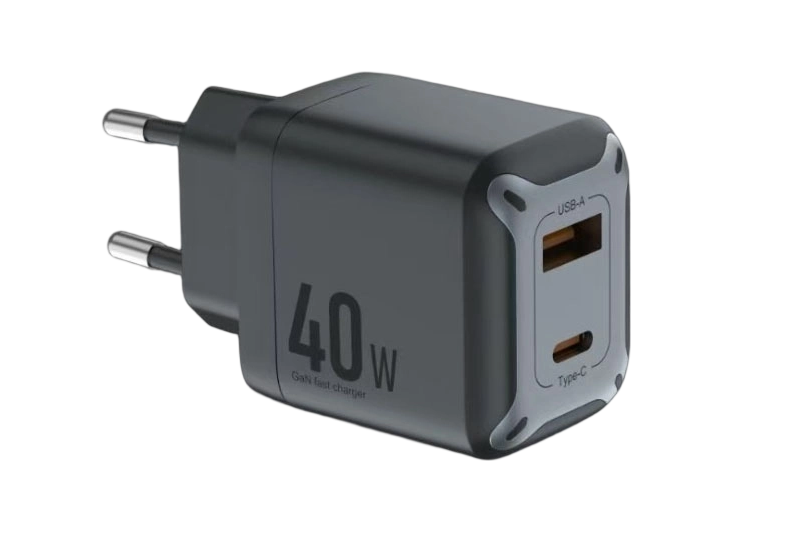 ESC-C018 Small Size 40W GaN Travel Charger
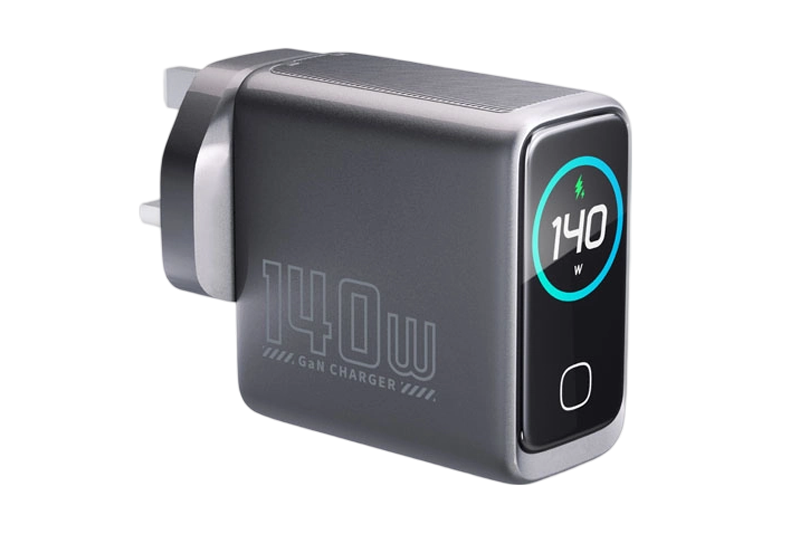 ESC-C017 140W HIGH Speed TFT Screen GaN Charger
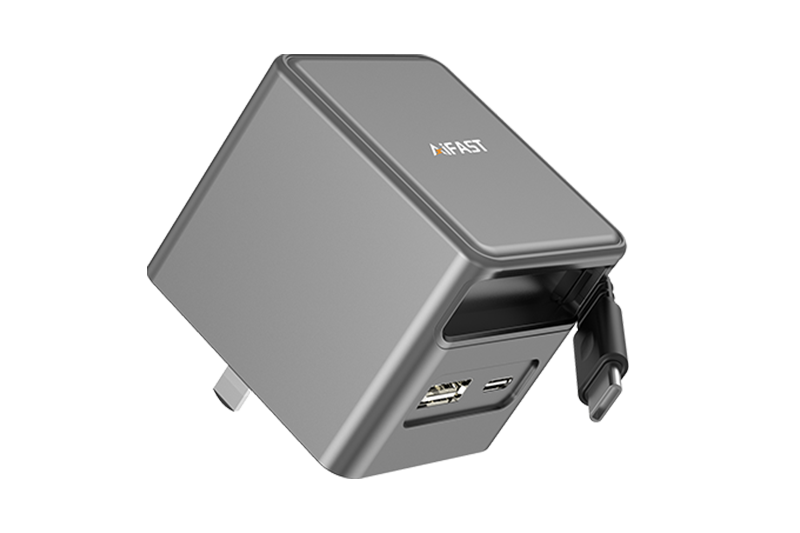 ESC-C016 65CM 65W HIGH Speed Retractable Cable GaN Charger


 Whatsapp
 Wechat