Top High Speed Chargers of 2025 for Fast and Efficient Device Charging
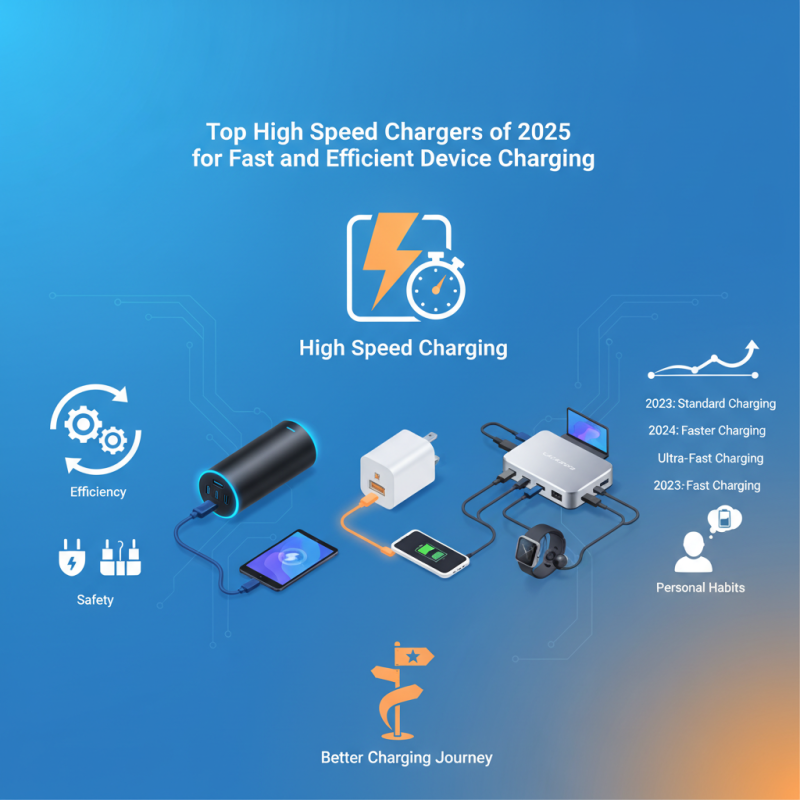
In today's fast-paced world, staying charged is essential. The demand for efficient charging solutions has grown rapidly. Enter the High Speed Charger; an innovative device designed for modern life.
With technology evolving, users seek quick and reliable options. A High Speed Charger fills this need well, offering impressive charging speeds. These chargers reduce downtime significantly, allowing users to stay productive on the go. However, not all options are created equal. Some may fail to meet expectations, leading to frustrations.
Potential buyers should consider various features like compatibility and safety. Before making a choice, it's important to reflect on personal charging habits. Are they efficient enough? Choosing the right High Speed Charger can transform daily routines. The journey toward better charging solutions is ongoing, requiring careful evaluation.
Overview of High-Speed Charging Technology Developments by 2025
High-speed charging technology is rapidly evolving. By 2025, charging solutions will be more advanced. Current reports indicate that charging speeds could reach up to 100W, significantly reducing charging times for devices. Many leading experts predict that devices will achieve full charges in under 30 minutes. This advancement is crucial as we rely heavily on our gadgets.
It's important to note that faster charging often generates more heat. Excessive heat can lead to battery degradation over time. Users may need to carefully consider their charging habits. Monitoring charging environments can help prolong battery life.
Tips: Always use certified chargers. Avoid charging in extreme temperatures. Regular firmware updates can enhance charging efficiency too. Balancing speed with battery health is essential for longevity. The future of charging appears bright, but this progress requires thoughtful user practices. The challenge is to harness speed while maintaining device integrity.
Top High-Speed Chargers for Various Devices in 2025
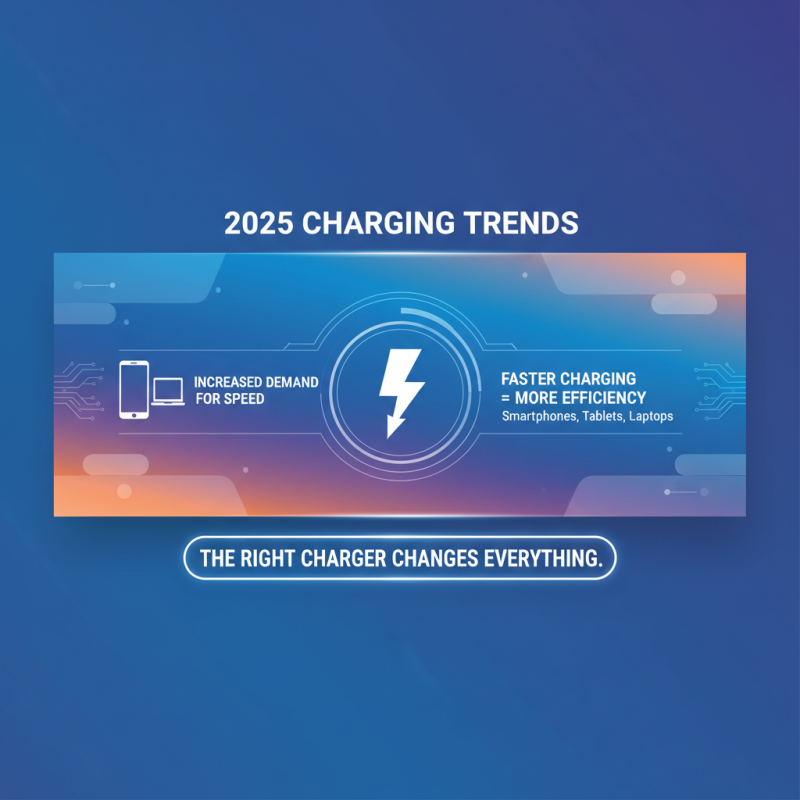
As we approach 2025, the demand for high-speed chargers continues to rise. People want devices that charge quickly. Whether it's smartphones, tablets, or laptops, the need for efficiency is clear. The right charger can make a huge difference in daily life.
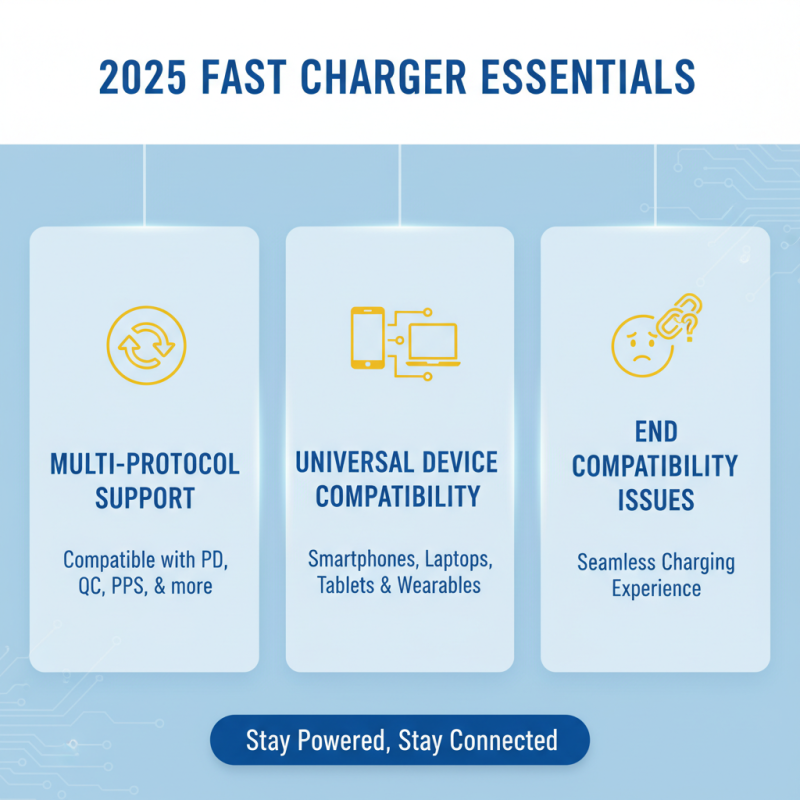
Modern high-speed chargers often feature multiple ports. This allows users to charge several devices at once. For example, charging a smartphone while powering a laptop can save time. However, not all chargers deliver the promised speed. It's important to choose wisely. Compatibility with your devices is crucial. Some chargers may not support newer technologies. This can lead to frustration.
A few models may become more popular than others. Yet, some products may fail to meet expectations. Some chargers can overheat, impacting battery life. Choosing the right high-speed charger involves careful research. Look for user reviews and expert opinions. It's essential to find a balance between speed and safety.
Comparative Analysis of Charging Speeds and Efficiency
As technology advances, the demand for high-speed chargers is growing. The landscape of charging speeds is evolving. In 2025, devices will require more efficient power sources. Users want fast charging without sacrificing battery health. This brings challenges and opportunities for manufacturers.
The analysis of charging efficiency reveals significant differences. Some chargers may promise rapid speeds but lack reliability. A charger might deliver 100 watts for a few minutes, then slow down. Users often feel frustrated when speed doesn't match expectations. Additionally, heat generation is a concern. Excessive heat may damage device batteries over time.
Efficiency isn't just about speed. It's crucial to consider how chargers perform under various conditions. Factors like cable quality and temperature can impact results. Real-life scenarios often show that advertised speeds are not consistently delivered. Users desire transparency in performance metrics. Without clarity, making an informed choice becomes difficult.
Top High Speed Chargers of 2025 for Fast and Efficient Device Charging
This chart compares the charging speeds of different high-speed chargers available in 2025. The data reflects the wattage output and efficiency ratings for various charging technologies, showing their effectiveness in rapidly charging devices.
Future Trends in Fast Charging Technology and Its Impact on Users
The future of fast charging technology is evolving rapidly. Users demand speed and efficiency. New high-speed chargers will likely support higher wattages. These chargers can reduce charging time significantly. Devices may reach full charge in under 30 minutes. However, these advancements bring challenges.
Heat generation remains a vital concern. Excess heat can damage batteries over time. Users must be cautious about using powerful chargers. Compatibility becomes another issue. Not all devices support the latest fast-charging standards. This may lead to confusion and frustration among users. Yet, the promise of convenience is compelling.
The integration of smart technology can enhance user experience. Future chargers may learn user habits. They could adjust charging speeds based on user patterns. Imagine a charger that knows when to deliver a power boost or when to slow down. Such innovations can maximize battery life. Still, we must remain critical. Can users really trust these advancements? The journey toward efficient charging continues, even with hurdles.
Top High Speed Chargers of 2025 for Fast and Efficient Device Charging
| Charger Type |
Max Output Power (W) |
Charging Protocols |
Compatibility |
Estimated Charging Time (0-100%) |
| Wall Charger |
100 |
USB Power Delivery |
Smartphones, Tablets |
30 minutes |
| Portable Charger |
50 |
QC 4.0, PD |
Smartphones, Laptops |
1 hour |
| Car Charger |
60 |
USB-C |
All USB-C devices |
1.5 hours |
| Wireless Charger |
30 |
Qi Standard |
Smartphones |
2 hours |
| Desktop Charger |
120 |
PPS, PD 3.0 |
Laptops, Tablets |
40 minutes |

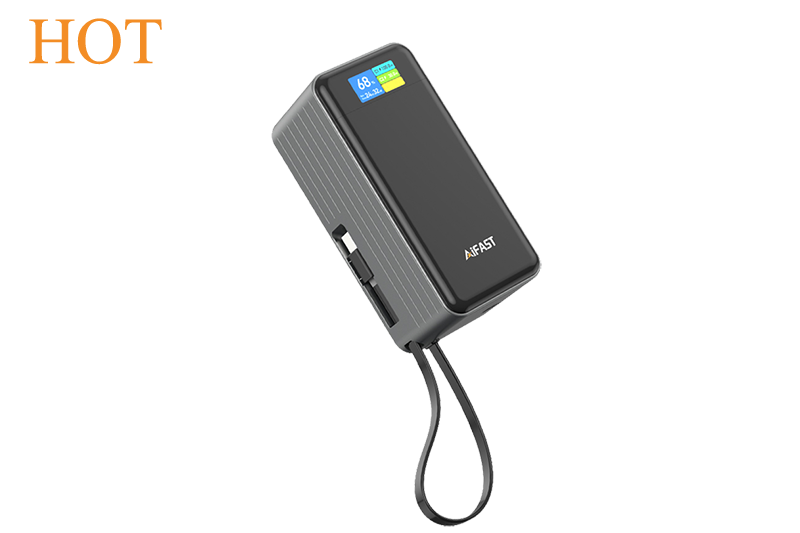 ESC-X019 65W Fast charge power bank
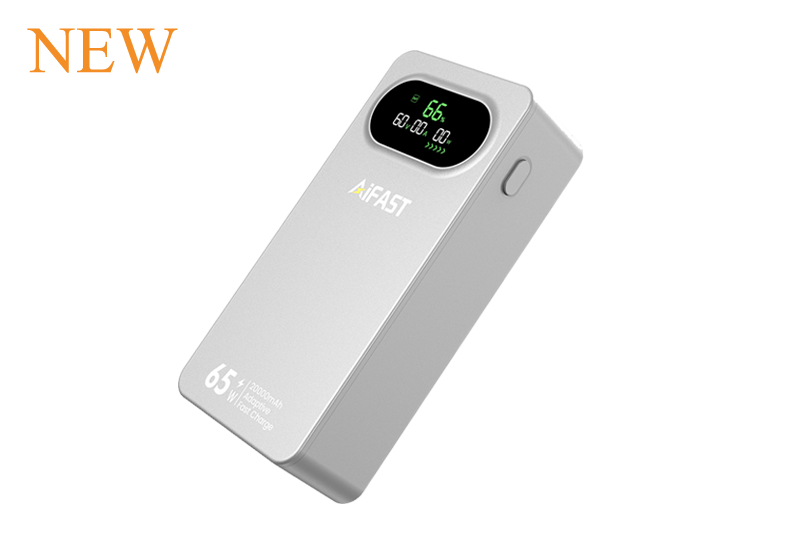 ESC-X018 65W Ultra-Fast 10000mAh Power Bank with TFT Display & Retractable Cable
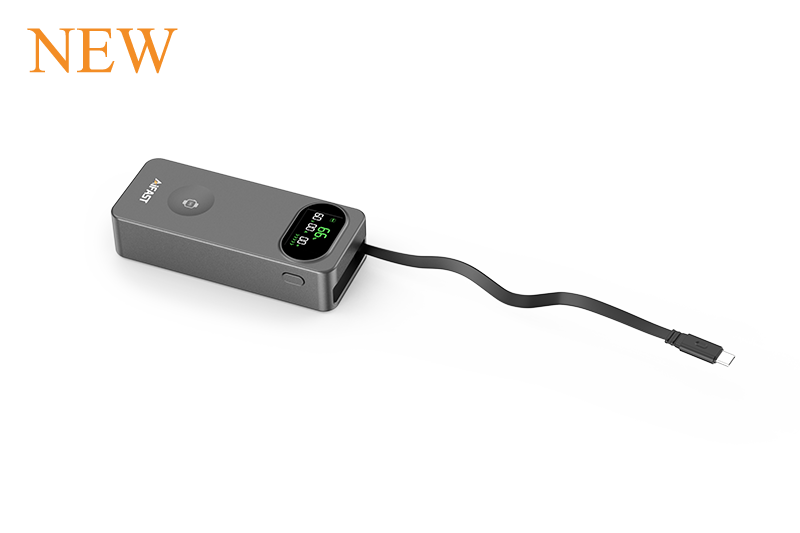 ESC-X017 65W Ultra-Fast 20000mAh Power Bank with TFT Display & Retractable Cable
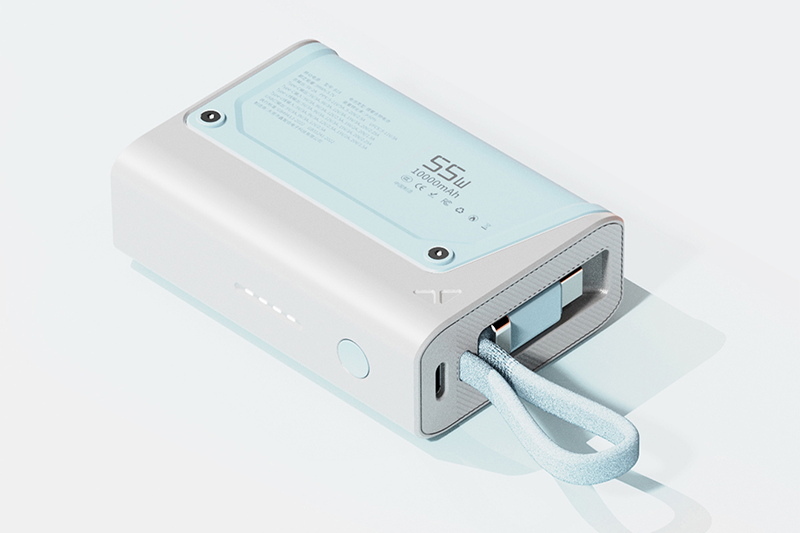 ESC-X020 10000mAh 55W Fast Charge Power Bank with cable built-in
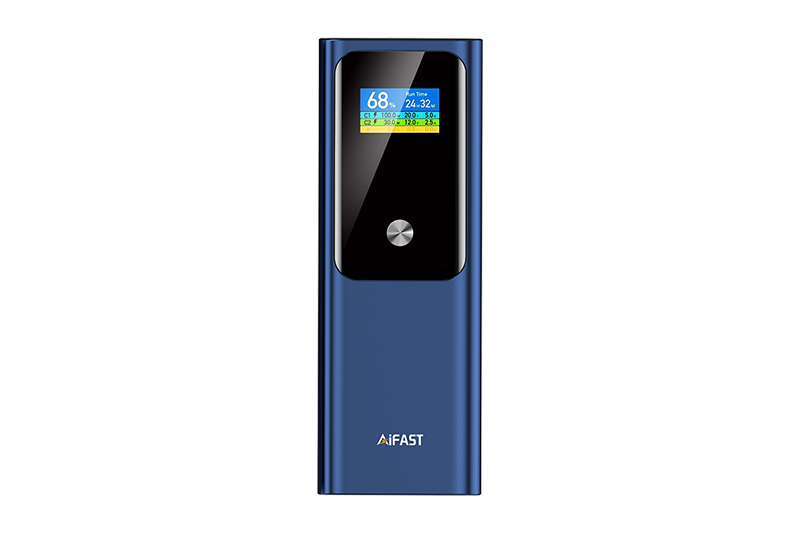 ESC-X016 120W 20000mAh Power Bank with Multi-Protocol TFT Display
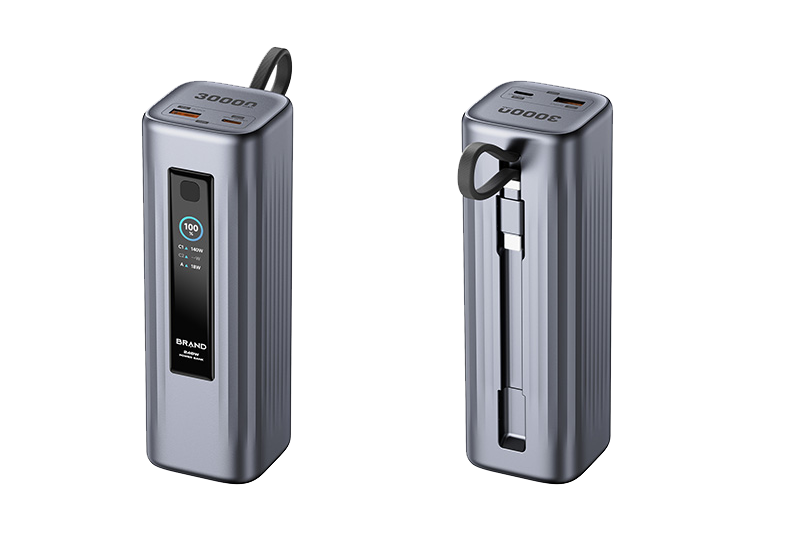 ECS-X022 145W 30,000mAh Power Bank with TFT Display & Retractable Cable
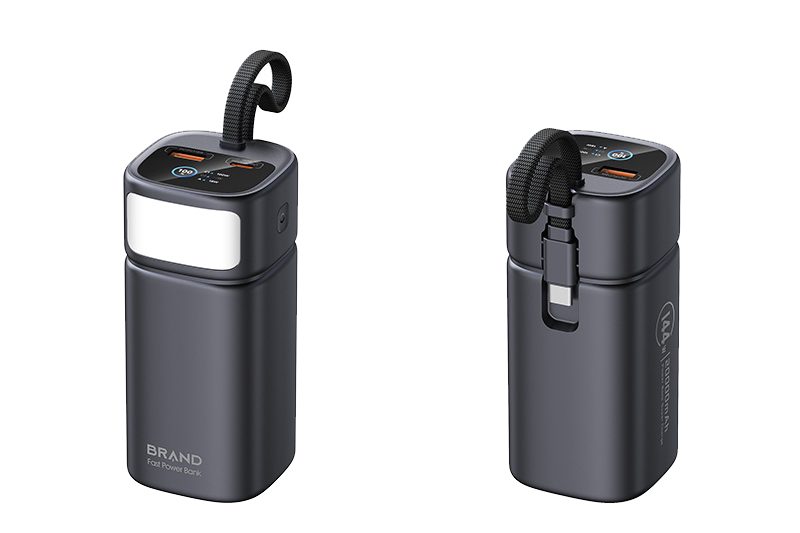 ECS-X021 100W 20,000mAh Power Bank with TFT Display & Retractable Cable
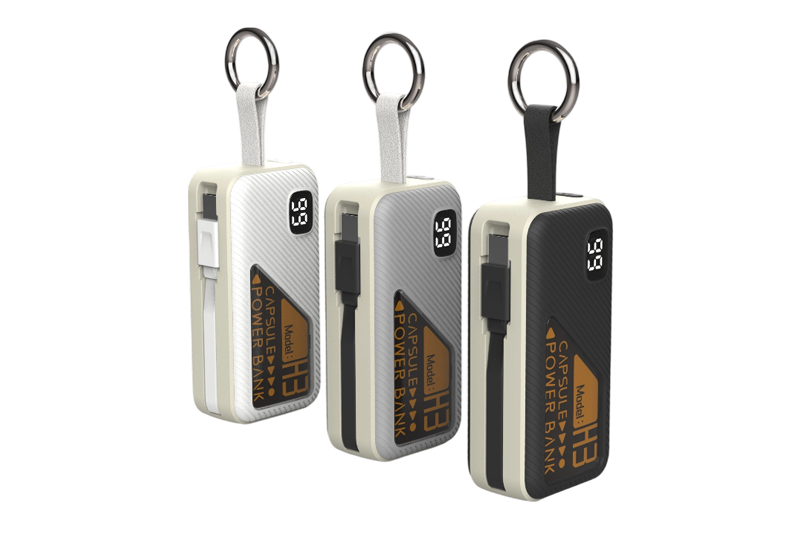 ESC-X023 20W Fast Charging Capsule Power Bank
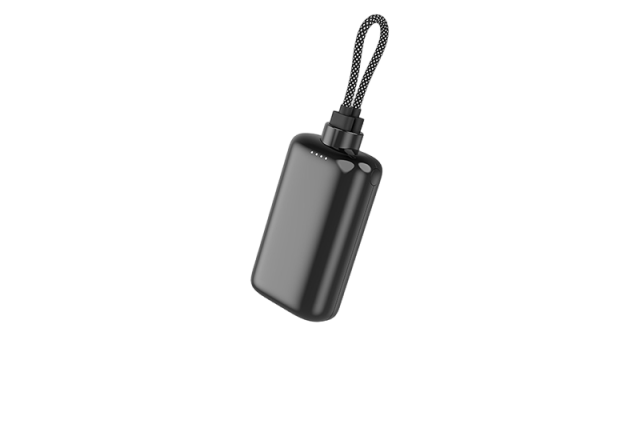 ESC-X024 22.5W 10,000mAh Fast Charging Power Bank
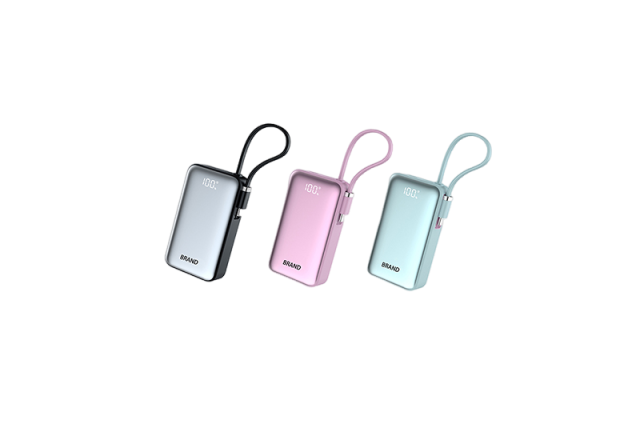 ESC-X025 22.5W Built-in Cable Portable Power Bank
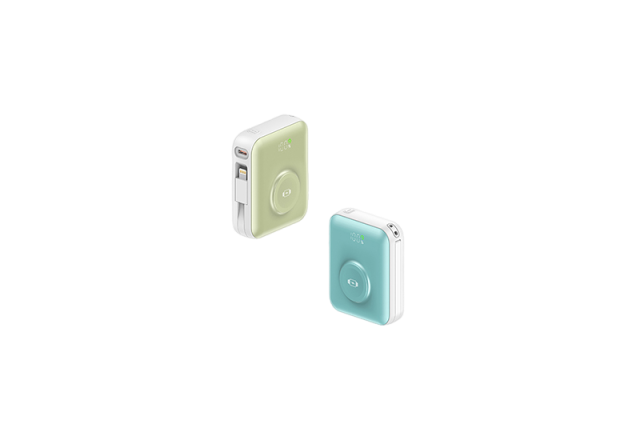 ESC-X026 22.5W 10000mAh Wireless Mini Size Power Bank
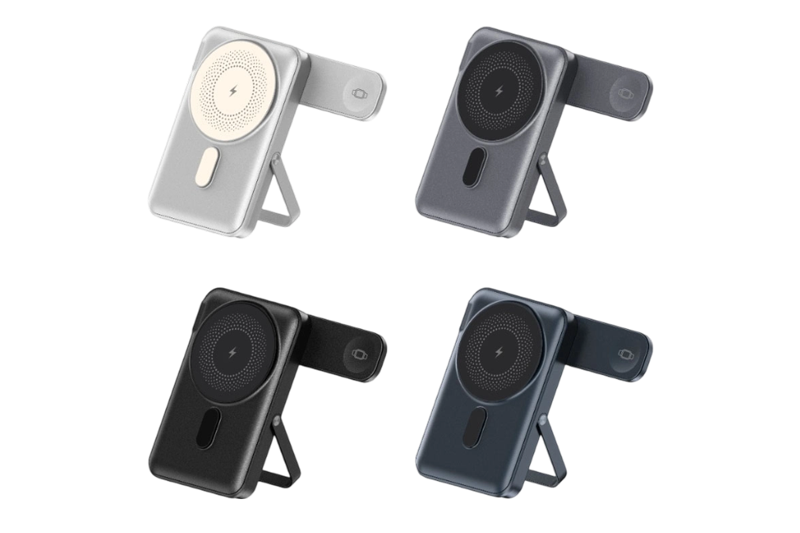 ESC-W018 3-in-1 MagSafe-Style Wireless Charging Stand
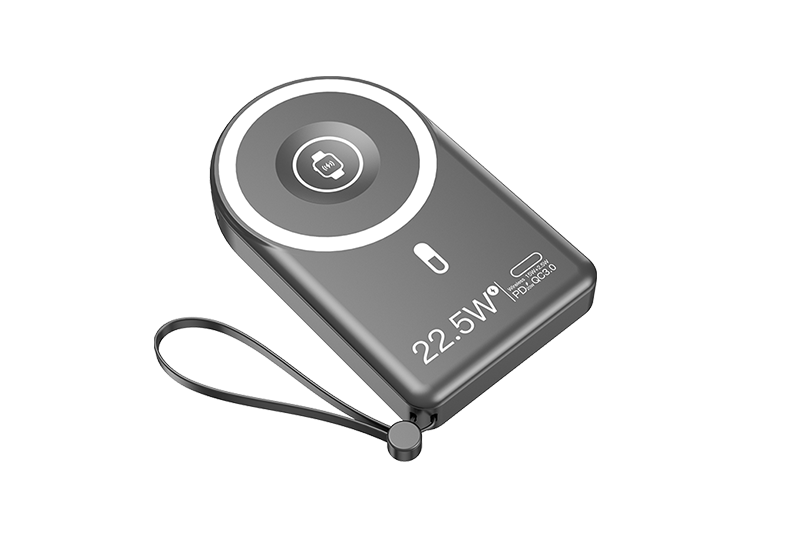 ESC-W017 5000mAh Wireless Ultimate All-in-One Power Solution for Samsung & iPhone Users
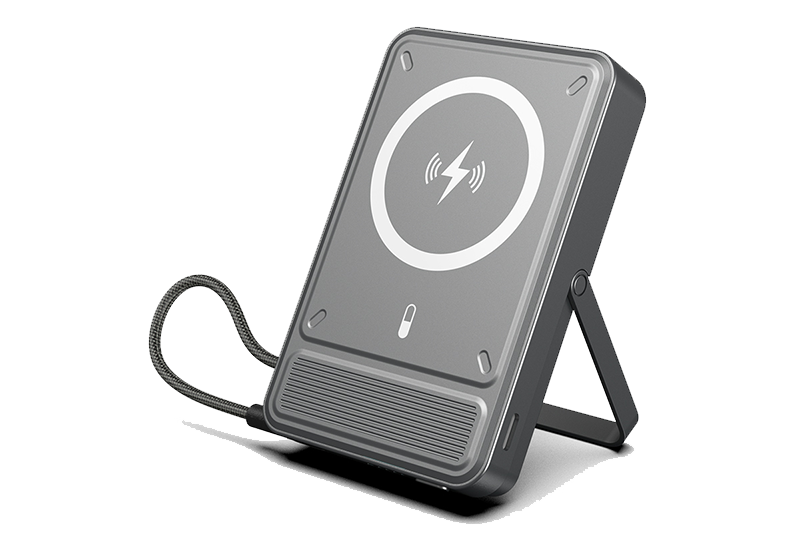 ECS-W016 45W Wireless Power Bank
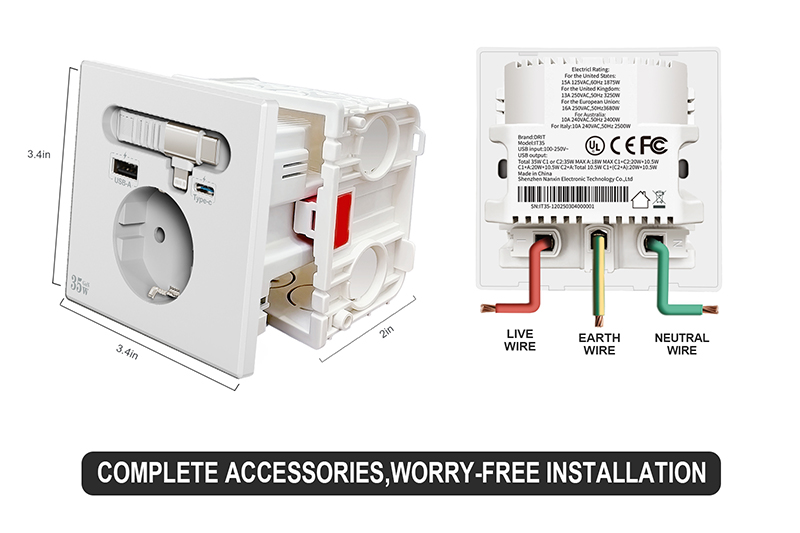 ESC-C019 Ultimate Universal 35W GaN Wall Socket
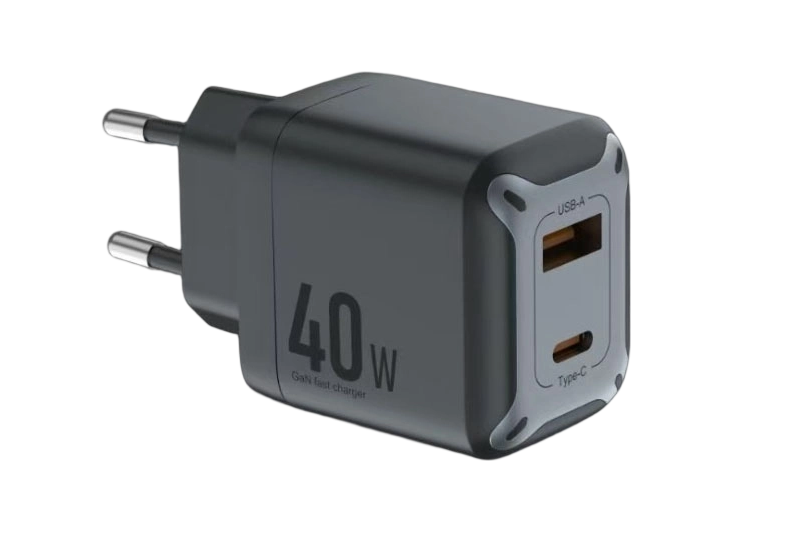 ESC-C018 Small Size 40W GaN Travel Charger
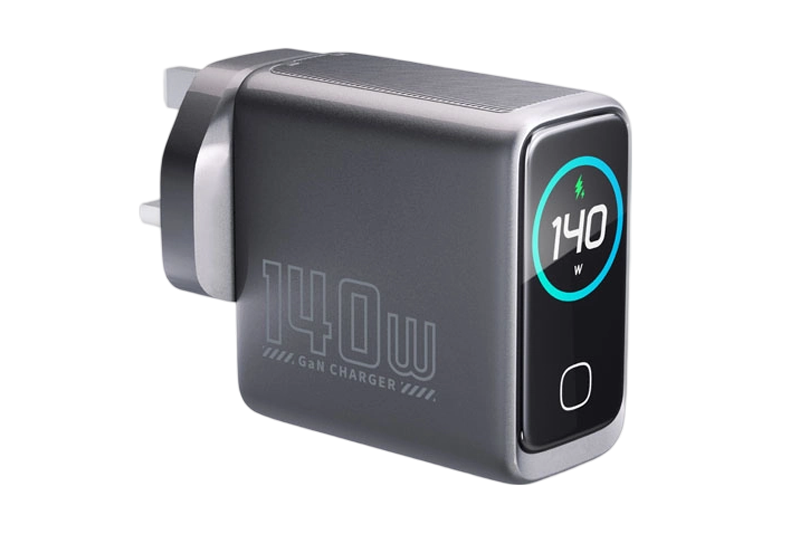 ESC-C017 140W HIGH Speed TFT Screen GaN Charger
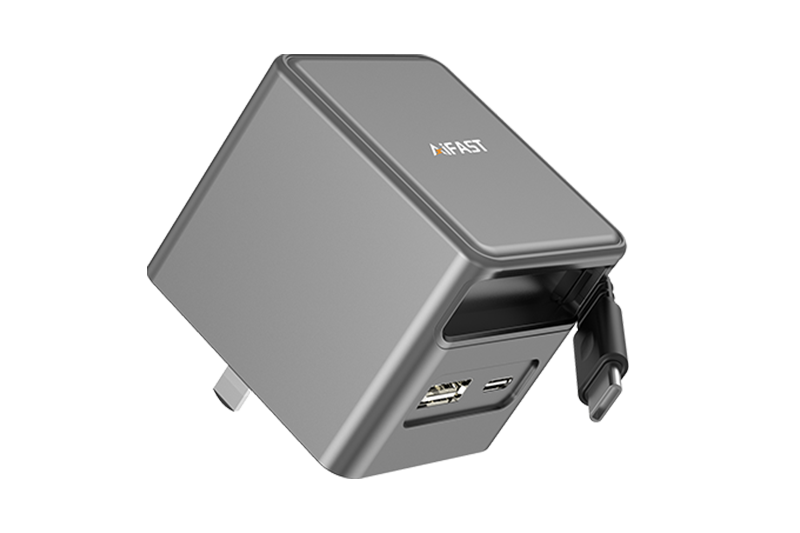 ESC-C016 65CM 65W HIGH Speed Retractable Cable GaN Charger


 Whatsapp
 Wechat