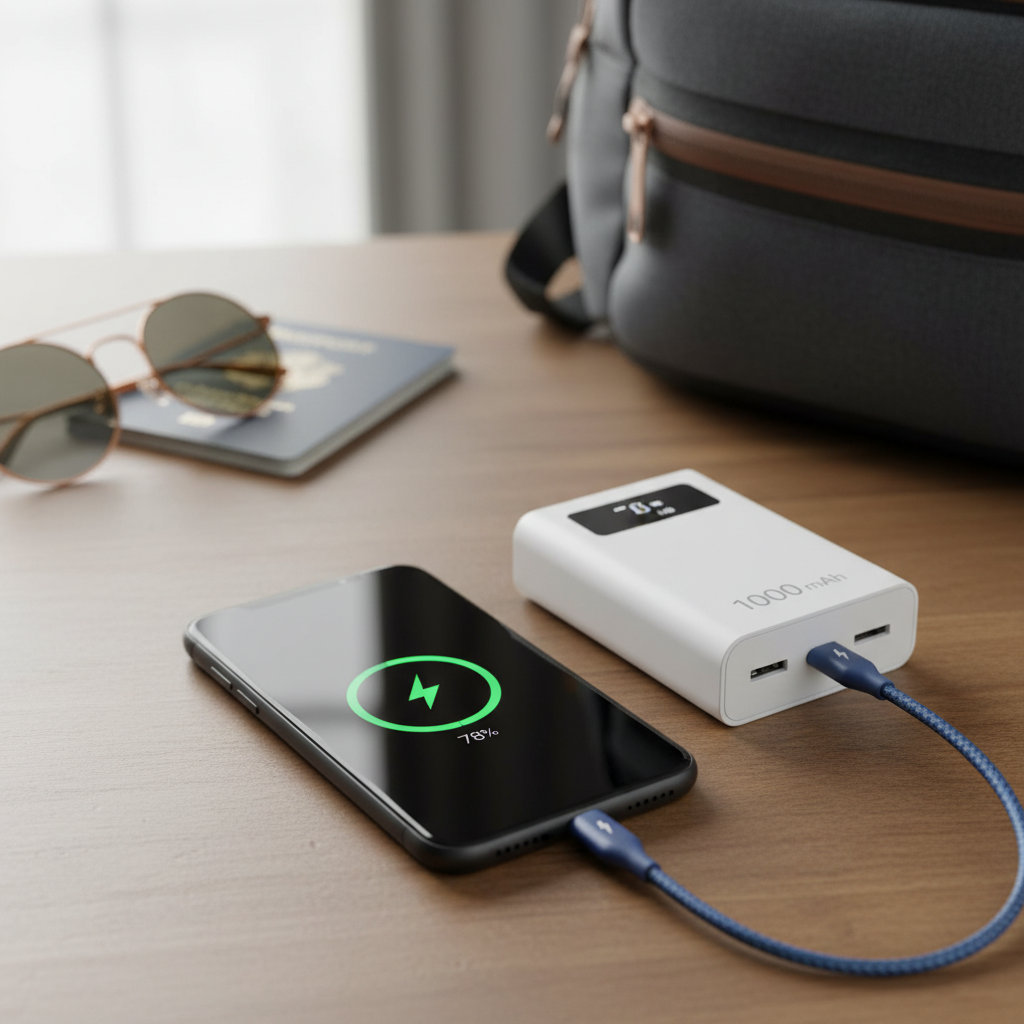
What is a Smartphone Power Bank and How Does it Work for Charging Your Device
In an era where smartphones have become essential companions, the demand for reliable charging solutions has surged. One such innovation that has gained immense popularity is the Smartphone Power Bank. According to industry expert Jane Doe, a leading authority in portable charging technology, "A Smartphone Power Bank is not just a convenience; it's a necessity for anyone who relies on their device throughout the day." This statement encapsulates the critical role that power banks play in ensuring that our devices remain functional, especially during long travel or busy schedules.
Smartphone Power Banks work by storing electrical energy which can then be transferred to a device when needed. As mobile technology evolves, so too do our charging solutions, with power banks now featuring fast-charging capabilities, sleek designs, and even solar-powered options. The evolution of these devices has not only enhanced user convenience but has also tailored charging solutions that fit various lifestyles. Understanding how a Smartphone Power Bank operates is crucial for maximizing its benefits, ensuring that users can stay connected without the fear of running out of battery life.
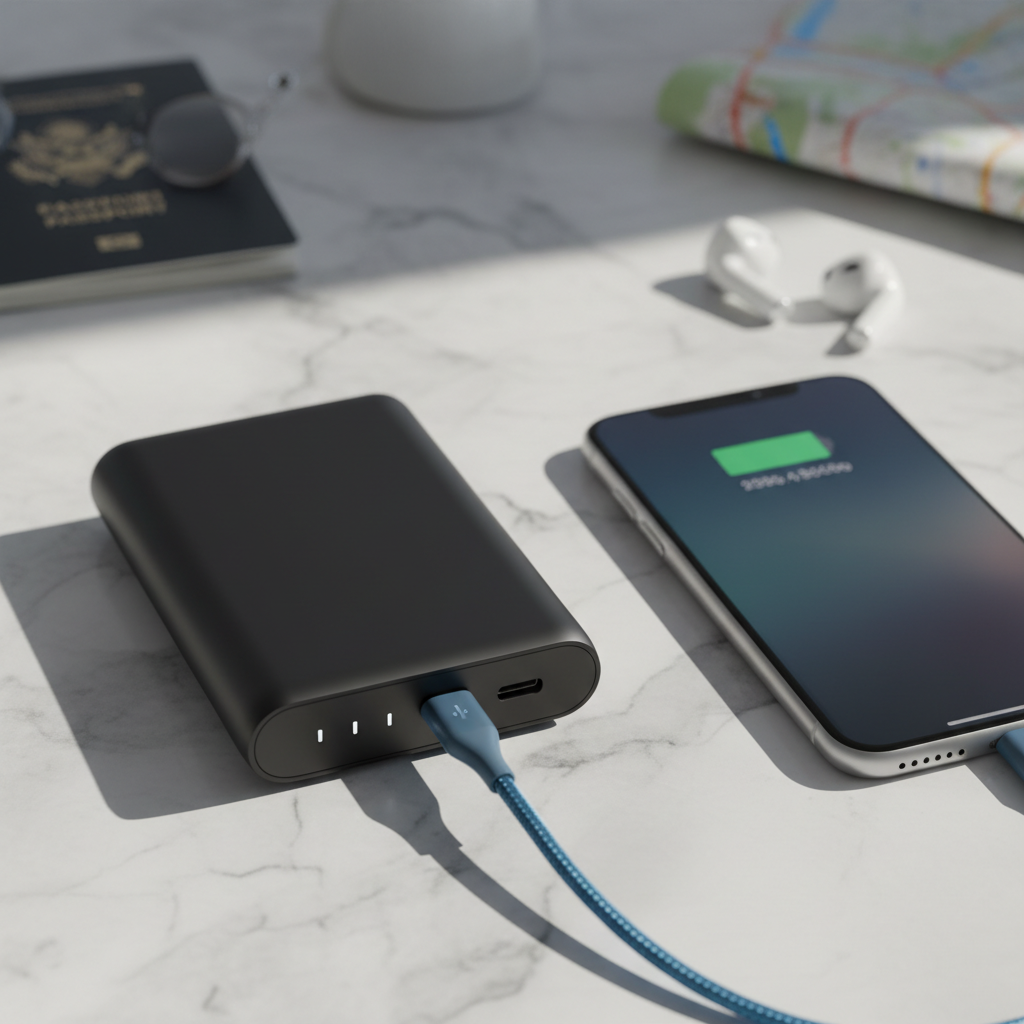
Definition and Purpose of a Smartphone Power Bank
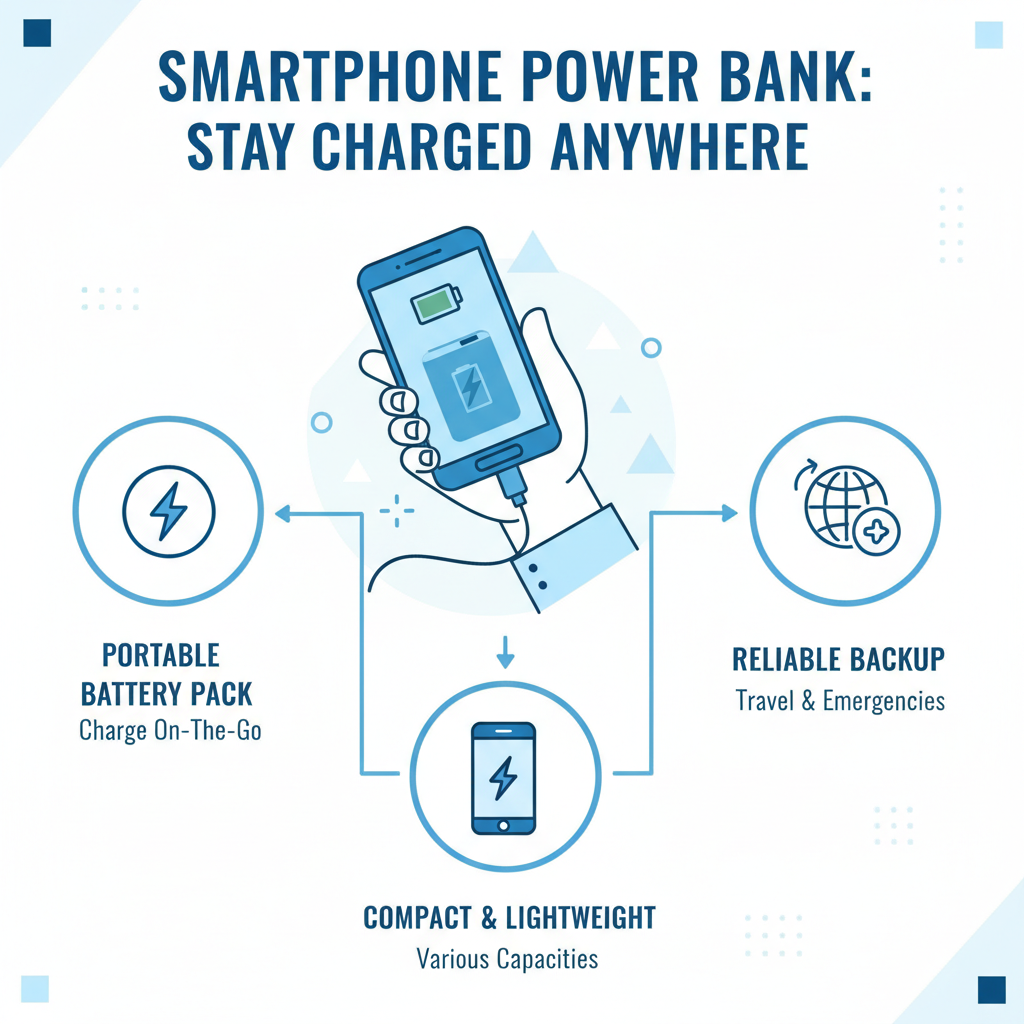
A smartphone power bank is a portable battery pack designed to charge mobile devices when they are not connected to a traditional power source. It serves as a reliable backup for your smartphone, ensuring that you can stay connected even during long trips or when you're far from an outlet. Typically compact and lightweight, power banks come in various capacities, allowing users to choose one that matches their charging needs.
When selecting a power bank, it's essential to consider several factors. First, pay attention to the capacity, measured in milliampere-hours (mAh); a higher capacity means more charge for your devices. Additionally, look for power banks that offer fast charging technology, which can significantly decrease the time required to recharge your smartphone. Lastly, opt for a model with multiple USB ports if you frequently charge multiple devices simultaneously.
Tips: Always carry a compatible charging cable with your power bank, as these devices usually do not come with built-in cables. It's also advisable to check the power bank's charge level before heading out, ensuring you have enough backup power when you need it most.
Key Components of a Smartphone Power Bank
A smartphone power bank is an essential accessory for modern mobile device users, providing portability and convenience in charging. The primary components of a smartphone power bank include the battery, charging circuit, input/output ports, and protection circuitry. The battery is typically a , known for high energy density and efficiency. The charging circuit manages the flow of electricity, ensuring safe charging of the connected device, as well as the power bank itself.
According to market reports, the demand for portable charging solutions continues to grow, with the global market projected to reach $27 billion by 2024, driven by the proliferation of electronic devices. Key features that consumers prioritize include compact design, capacity, and how many devices can be charged simultaneously. For instance, recent developments have seen innovations like three-in-one charging accessories that combine multiple functionalities, appealing to on-the-go users looking for efficiency without sacrificing space. Rising safety regulations further emphasize the importance of protection circuitry that prevents overcharging and short circuits, reinforcing overall device safety and longevity.
How Smartphone Power Banks Charge Devices
Smartphone power banks are portable battery packs designed to store electrical energy to charge devices on the go. They serve as a reliable backup power source when access to traditional charging methods is limited. The way these power banks function primarily revolves around their ability to convert stored electrical energy into a form usable by smartphones and other devices.
When you connect your smartphone to a power bank via a USB cable, the charging process initiates as the power bank releases its stored energy. Most power banks use lithium-ion or lithium-polymer batteries, which are efficient in holding a charge and delivering it at the appropriate voltage and current levels. Upon connection, the power bank's onboard electronics determine the appropriate output needed for the device, ensuring a safe and efficient charging experience. The user-friendly design usually includes multiple output ports, allowing several devices to charge simultaneously, and LED indicators to display the battery status of the power bank itself. This makes power banks an essential accessory for anyone looking to ensure their devices remain charged throughout the day.
Smartphone Power Bank Capacity Comparison
Different Types of Smartphone Power Banks
Smartphone power banks come in various types, each designed to cater to different needs and preferences. The most common type is the portable power bank, which is compact and easy to carry, making it ideal for on-the-go charging.
These power banks typically come with a standard USB output, allowing users to connect their devices effortlessly. They are available in various capacities, enabling users to choose one based on how many times they need to charge their phones while away from an outlet.
Another type is the solar power bank, which harnesses solar energy to charge devices. This is particularly useful for outdoor enthusiasts or travelers who may find themselves in remote locations without access to electricity. However, solar power banks usually have a slower charging rate compared to their traditional counterparts. Additionally, there's the charging case, which integrates a power bank into a protective phone case, offering a seamless way to keep your device charged without carrying extra accessories. Each type has its benefits, allowing users to select a power bank that best fits their lifestyle and charging needs.
Tips for Choosing a Suitable Smartphone Power Bank
When selecting a suitable smartphone power bank, it's essential to consider several key factors to ensure your device stays charged wherever you go. The capacity of the power bank, measured in milliampere-hours (mAh), largely determines how many times it can recharge your smartphone. According to a report by Statista, the average smartphone battery capacity was around 3,000 to 4,000 mAh as of 2023. A power bank with at least 10,000 mAh can provide multiple charges for your device, making it a practical choice for frequent travelers or heavy users.
Additionally, consider the output power and charging speed. Many power banks now support fast charging technologies like Quick Charge or Power Delivery, which can significantly reduce the time it takes to recharge your device. A report from Market Research Future highlights that the fast charging market is expected to grow substantially, with smart features becoming increasingly standard in power banks. Choosing a model that offers both high capacity and fast charging capabilities can enhance your overall charging experience and keep you connected longer while on the move.

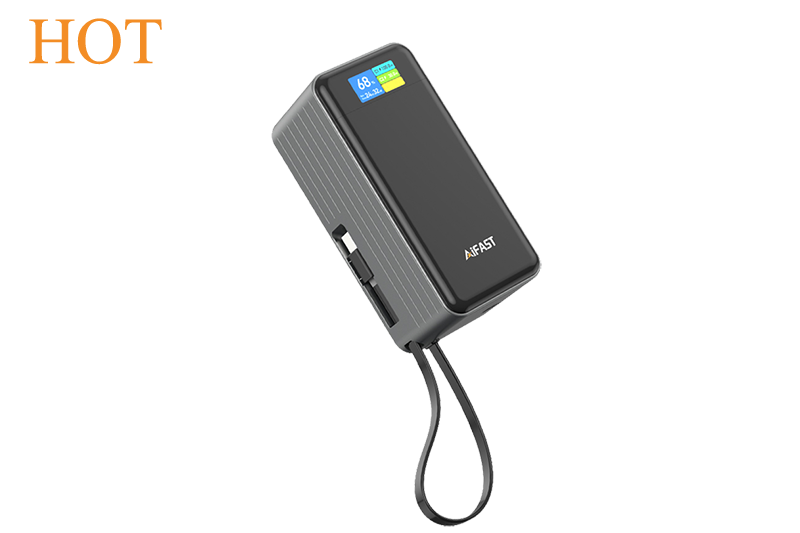 ESC-X019 65W Fast charge power bank
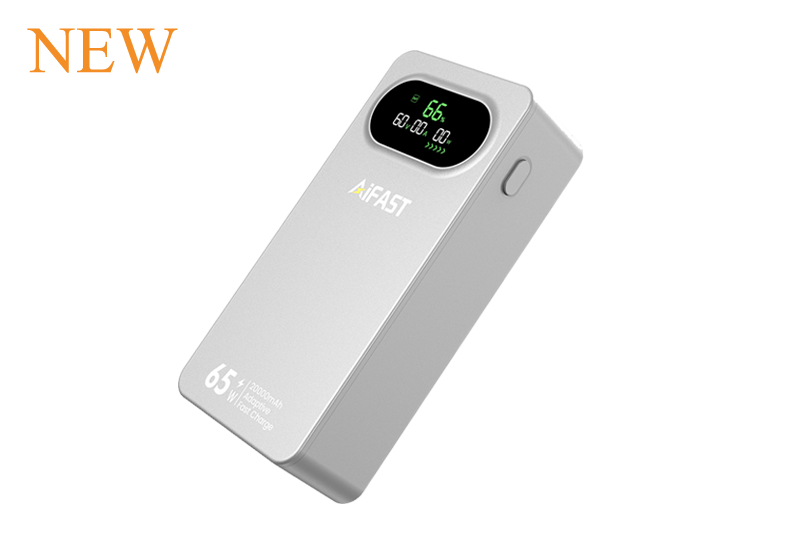 ESC-X018 65W Ultra-Fast 10000mAh Power Bank with TFT Display & Retractable Cable
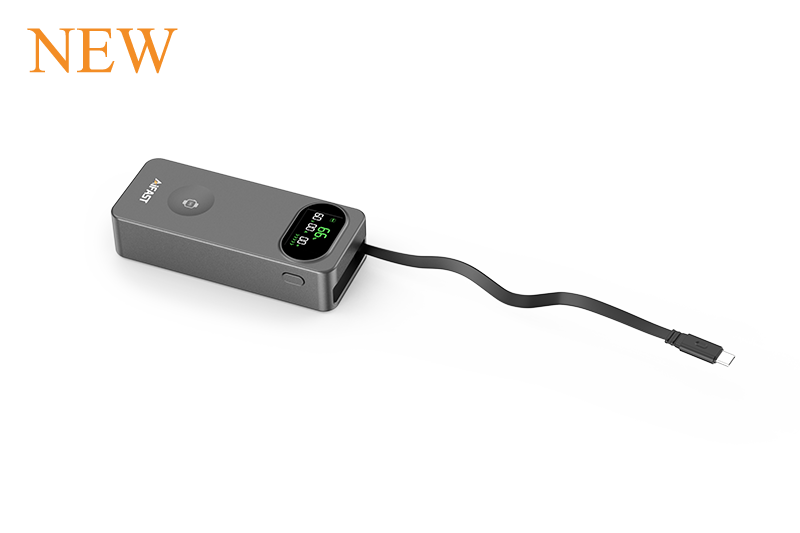 ESC-X017 65W Ultra-Fast 20000mAh Power Bank with TFT Display & Retractable Cable
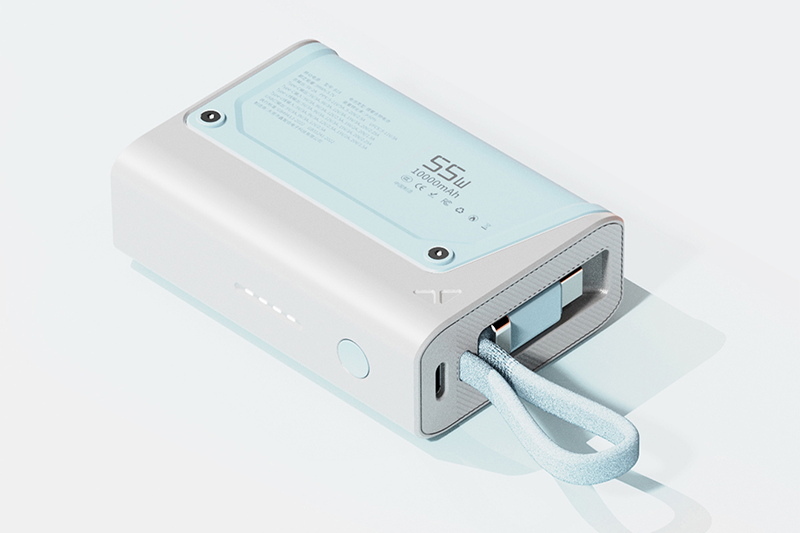 ESC-X020 10000mAh 55W Fast Charge Power Bank with cable built-in
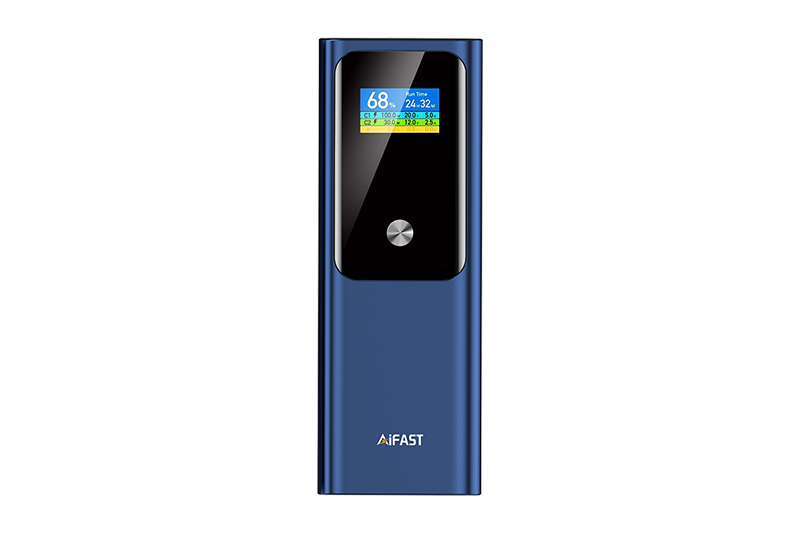 ESC-X016 120W 20000mAh Power Bank with Multi-Protocol TFT Display
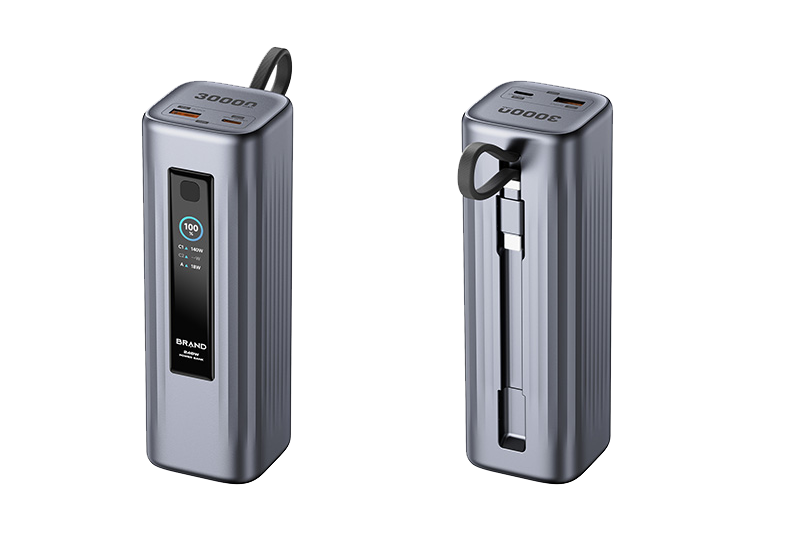 ECS-X022 145W 30,000mAh Power Bank with TFT Display & Retractable Cable
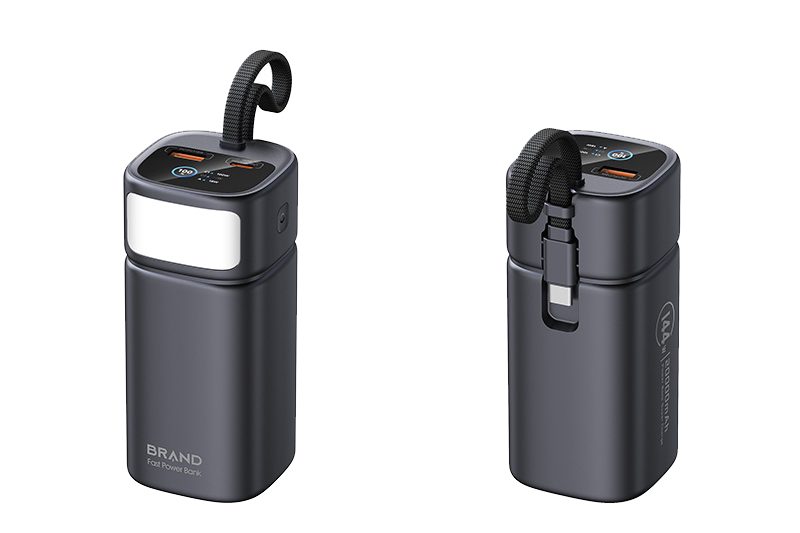 ECS-X021 100W 20,000mAh Power Bank with TFT Display & Retractable Cable
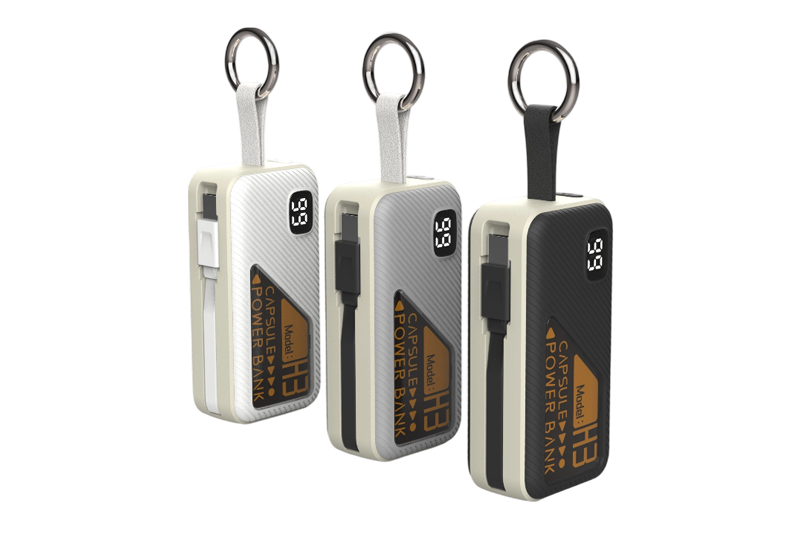 ESC-X023 20W Fast Charging Capsule Power Bank
 ESC-X024 22.5W 10,000mAh Fast Charging Power Bank
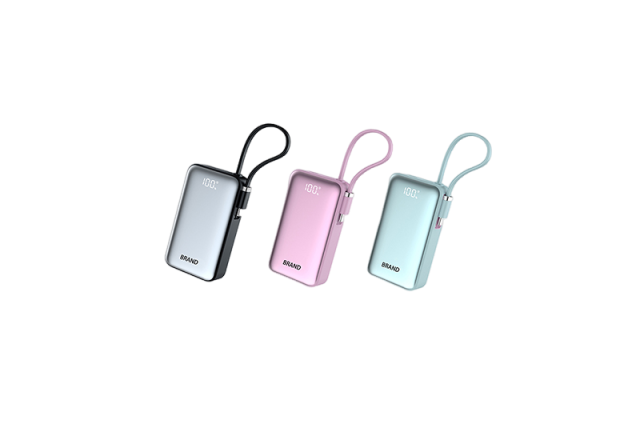 ESC-X025 22.5W Built-in Cable Portable Power Bank
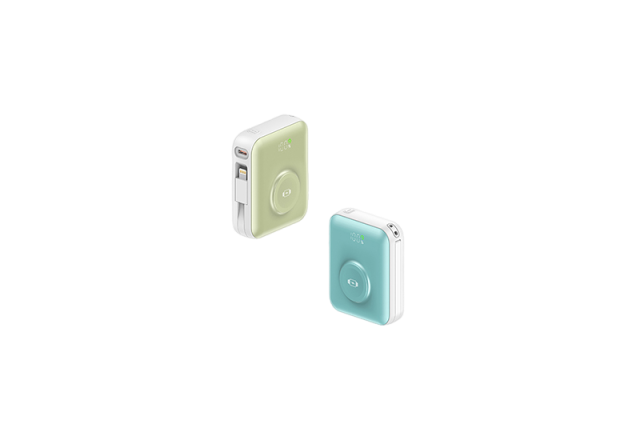 ESC-X026 22.5W 10000mAh Wireless Mini Size Power Bank
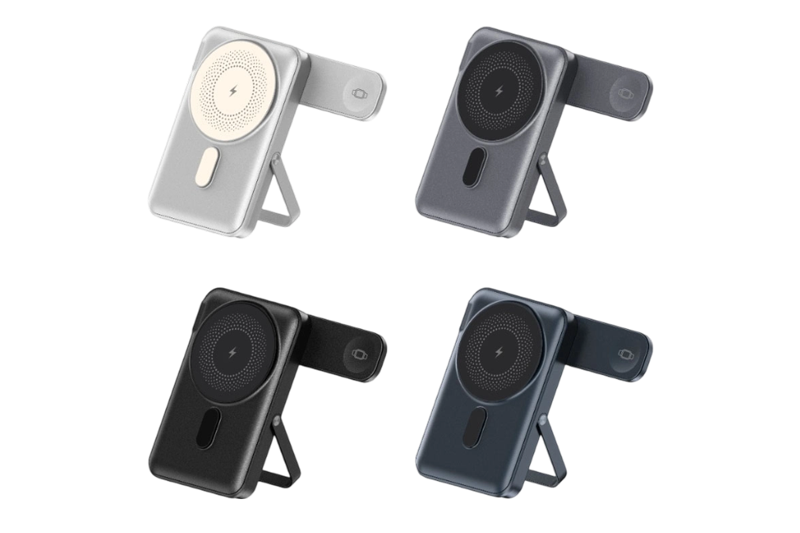 ESC-W018 3-in-1 MagSafe-Style Wireless Charging Stand
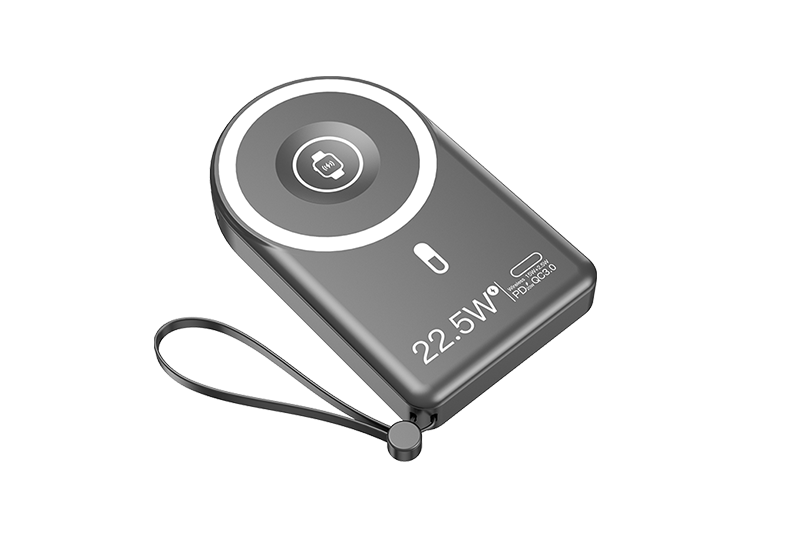 ESC-W017 5000mAh Wireless Ultimate All-in-One Power Solution for Samsung & iPhone Users
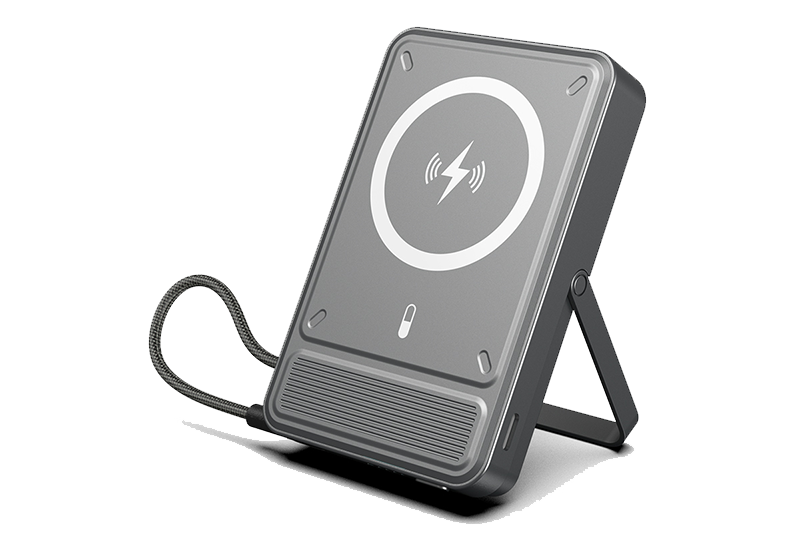 ECS-W016 45W Wireless Power Bank
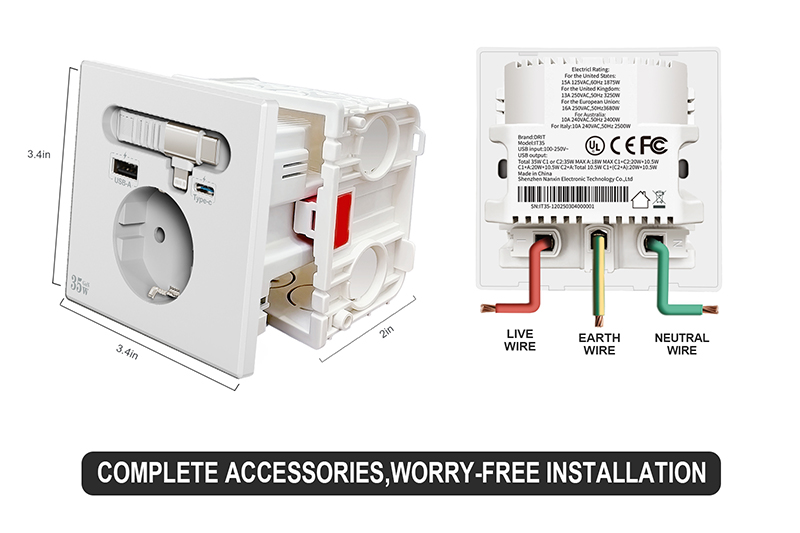 ESC-C019 Ultimate Universal 35W GaN Wall Socket
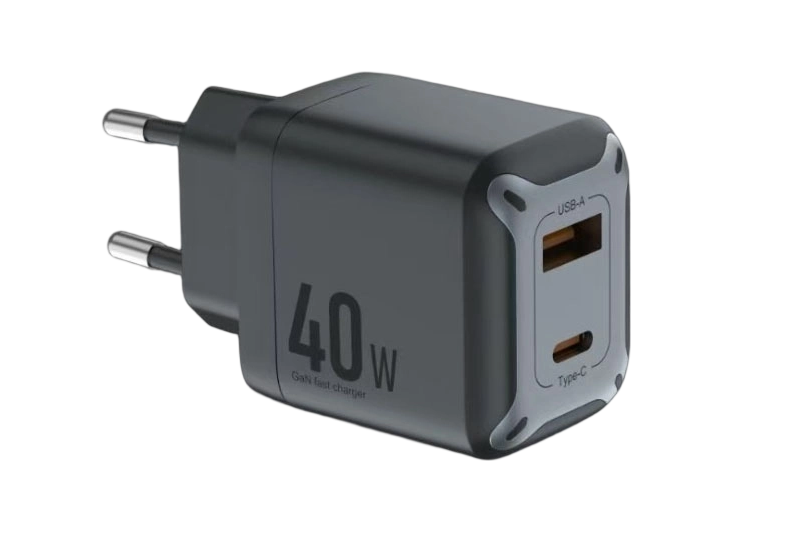 ESC-C018 Small Size 40W GaN Travel Charger
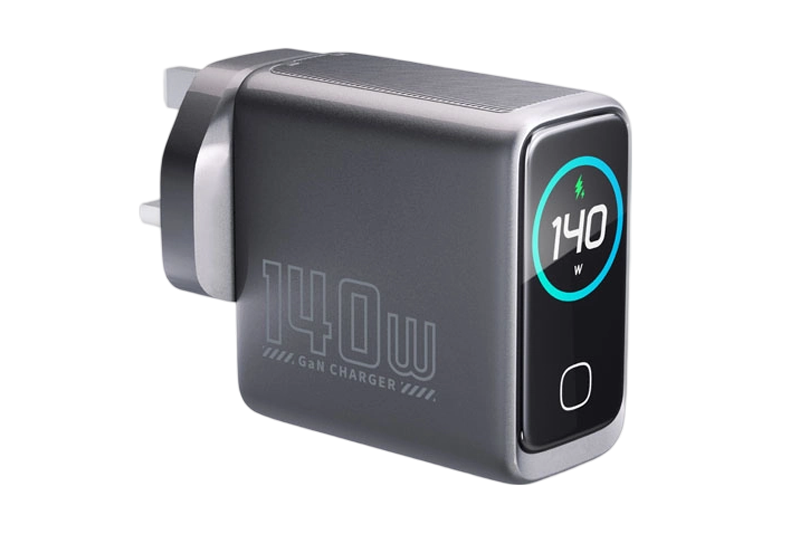 ESC-C017 140W HIGH Speed TFT Screen GaN Charger
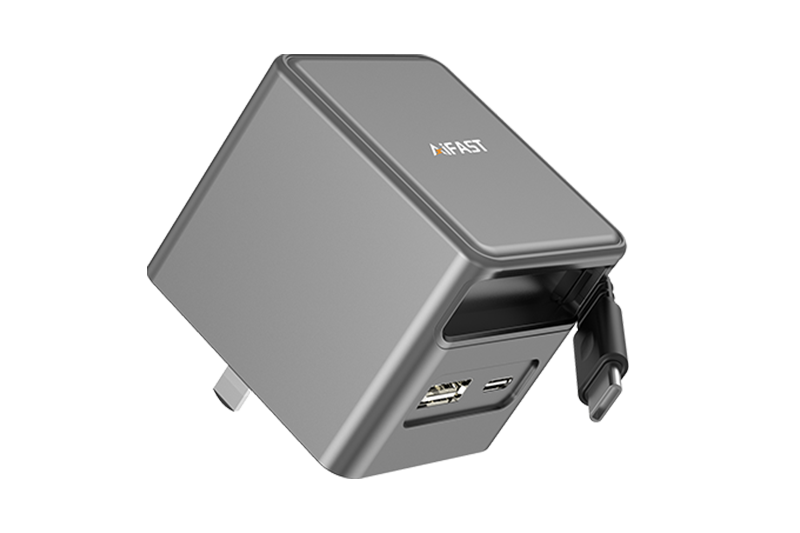 ESC-C016 65CM 65W HIGH Speed Retractable Cable GaN Charger


 Whatsapp
 Wechat