What is a Power Bank and How Does It Work?
In our fast-paced, technology-driven world, the need for portable power sources has surged. Power Banks have emerged as indispensable tools for both casual users and tech enthusiasts alike. According to a recent report by Grand View Research, the global power bank market is expected to reach $25 billion by 2025, reflecting a compound annual growth rate of 20.7%. This growing demand highlights the essential role power banks play in keeping our devices charged on the go.
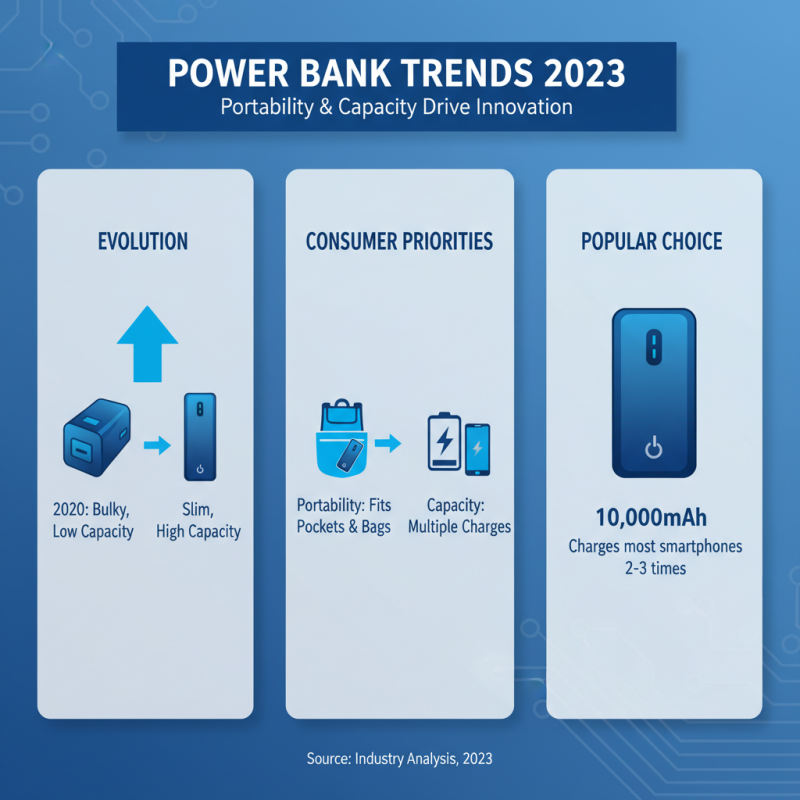
Power Banks come in various capacities and configurations, catering to diverse user needs. A standard power bank can charge a smartphone several times, making it a popular choice for travelers. However, as the market expands, so does the challenge of navigating quality. Many low-cost options may lack durability and safety features. This inconsistency raises questions about user trust and reliability.
Despite their advantages, using Power Banks isn't without drawbacks. They require charging too, and not every model offers fast charging. As we rely more on these devices, it is vital to consider their environmental impact. E-waste is an ongoing concern, prompting a reflection on the balance between convenience and sustainability.
What is a Power Bank? Definition and Overview of Portable Chargers
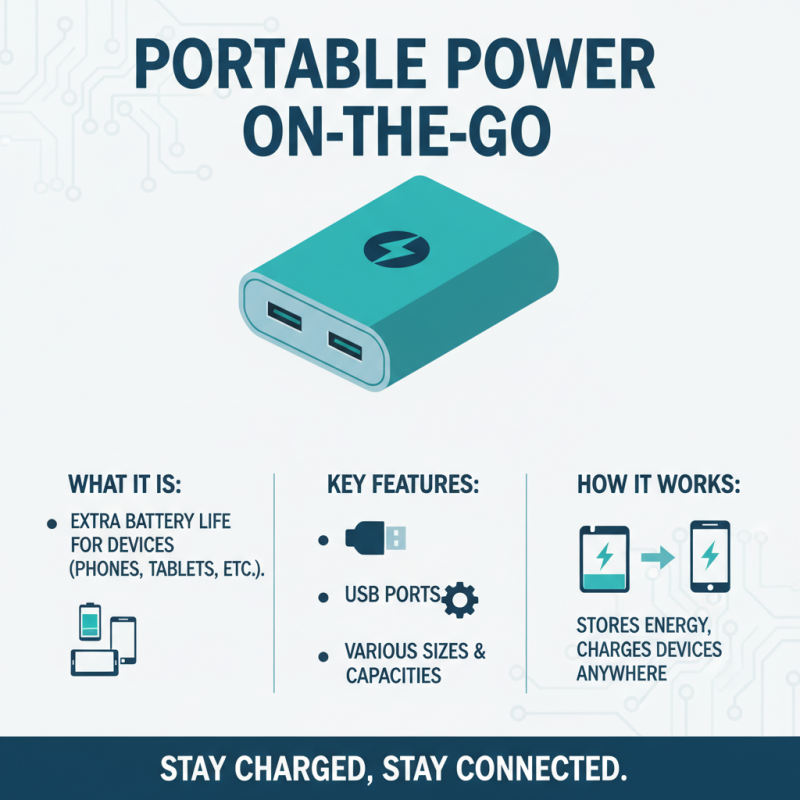
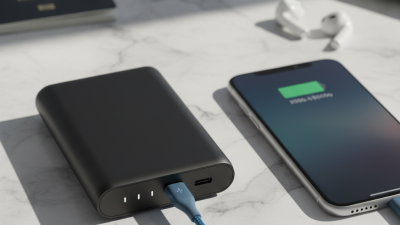
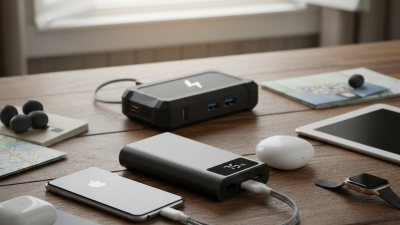
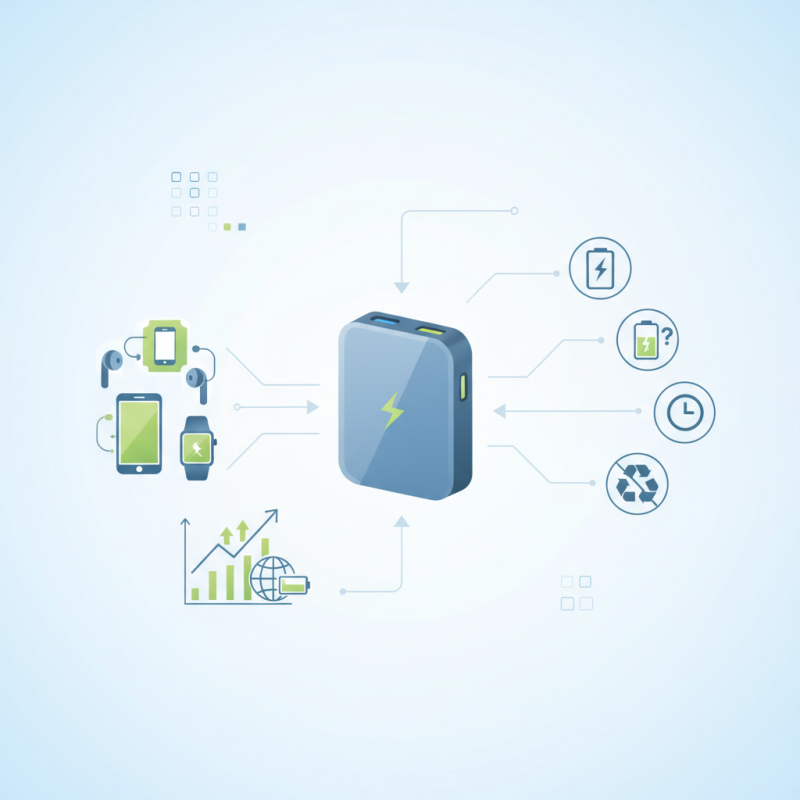
A power bank is a portable charger designed to provide extra battery life for your devices. These gadgets come in various sizes and capacities, making them suitable for different needs. Most power banks feature USB ports to connect with smartphones, tablets, and other electronics. They store electrical energy for later use, which is efficient for on-the-go charging.
Understanding how a power bank works can help you choose the right one. Inside, it has rechargeable lithium-ion or lithium-polymer batteries. When you plug it in, it charges the internal batteries from a wall outlet. Later, it can transfer this stored energy to your devices through the USB ports. The charge duration varies based on both the power bank's capacity and the device being charged.
There are some considerations to keep in mind. Not every power bank performs equally. Some may charge slowly, and others might not be compatible with all devices. The capacity you choose should meet your daily usage. If you rely on your devices heavily, a power bank with a higher capacity could be essential. However, it's also crucial to balance size and portability. A larger power bank may provide more power but can be cumbersome to carry.
Key Components of Power Banks: Batteries, Circuitry, and Connectors
Power banks are essential gadgets for today’s on-the-go lifestyle. They consist of several key components: batteries, circuitry, and connectors. Each part plays a vital role in the power bank's overall function.
Batteries store the electrical energy. Circuitry manages the flow of electricity. Connectors provide the link between the power bank and your devices.
The quality of the batteries greatly affects performance. Lithium-ion and lithium-polymer are the most common types used. They vary in capacity and lifespan. Poor-quality batteries may not hold a charge well. This could lead to frustration when you need power the most. Always check the specifications before making a purchase.
Circuitry is equally crucial. It regulates voltage and ensures safety. Overheating and overcharging can damage your devices. Some power banks come with built-in safety features. This adds a layer of protection for your electronics. However, not all models offer this advantage.
Tips: Look for power banks with smart charging technology. This helps maximize efficiency.
Lastly, connectors must be compatible with your devices. USB-C, Micro USB, and Lightning are the most common types. Poor compatibility can lead to slower charging. It's essential to confirm your connectors’ match. Remember to carry the right ones with you.
Understanding Battery Capacity: mAh Rating and Its Importance
A power bank is a portable device that stores energy for charging various gadgets. Understanding its battery capacity is vital. The capacity of power banks is often measured in milliampere-hours (mAh). This rating indicates how much charge a battery can hold. For instance, a typical power bank may have a capacity of 10,000 mAh. This means it can charge a smartphone with a 2,000 mAh battery about five times.
Battery capacity affects performance significantly. A higher mAh rating translates to longer usage without recharging. However, it's essential to consider efficiency. Not all stored energy translates to usable power due to energy loss during transfer. Reports indicate that energy loss can range from 20% to 30%. Therefore, a 10,000 mAh power bank may only effectively deliver 7,000 to 8,000 mAh to your device.
Tips for choosing a power bank: Look for a capacity that suits your needs. For daily use, a battery of around 5,000 mAh might suffice. For travel, consider a 20,000 mAh unit. Also, check for fast charging technology. While more appealing, it may often come at a higher cost. Balance your budget and requirements carefully to maximize value. Assessing what you really need could save you money and enhance your charging experience.
What is a Power Bank and How Does It Work?
| Power Bank Model |
Battery Capacity (mAh) |
Output Voltage (V) |
Number of USB Ports |
Weight (grams) |
| Model A |
10000 |
5 |
2 |
200 |
| Model B |
20000 |
5 |
3 |
400 |
| Model C |
5000 |
5 |
1 |
150 |
| Model D |
30000 |
5 |
4 |
600 |
How Power Banks Regulate Charging: Voltage, Current, and Safety Features
Power banks are portable devices that charge electronic gadgets on the go. They store electrical energy and release it as needed. Understanding how they regulate charging is crucial. Power banks manage voltage and current to ensure devices charge safely and efficiently.
A power bank utilizes smart technology to adjust output levels. It often detects the device's requirements and adjusts accordingly. This prevents overcharging. However, not all power banks perform consistently. Some may struggle to deliver the right voltage, leading to slower charging times. Lower-quality power banks can even damage devices.
Safety features are vital in preventing risks. Many power banks include protection against overheating and short circuits. Yet, it’s essential to check these features before use. Users may overlook this aspect, risking device safety. Knowing how power banks work empowers users to choose wisely. This maximizes charging efficiency while ensuring device longevity.
Power Bank Charging Characteristics
This chart displays the charging characteristics of a power bank, including voltage, current, charging time, and cycle life. These parameters are essential for understanding how power banks function and regulate charging processes.

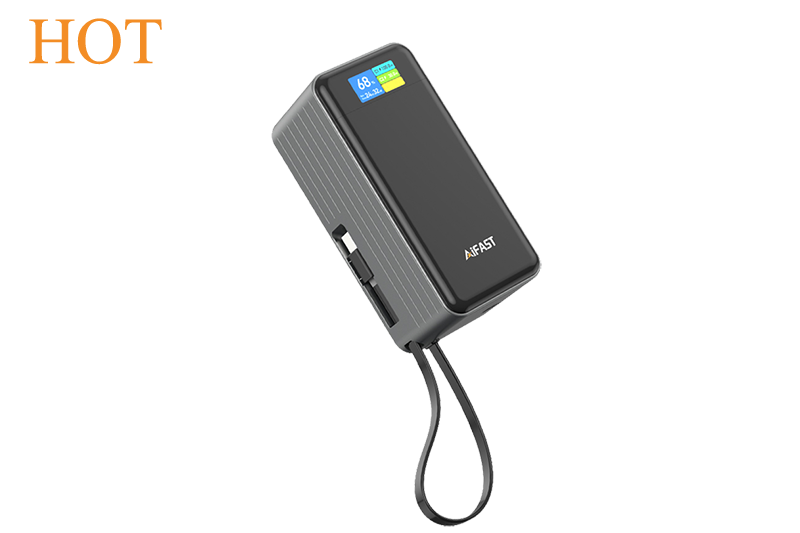 ESC-X019 65W Fast charge power bank
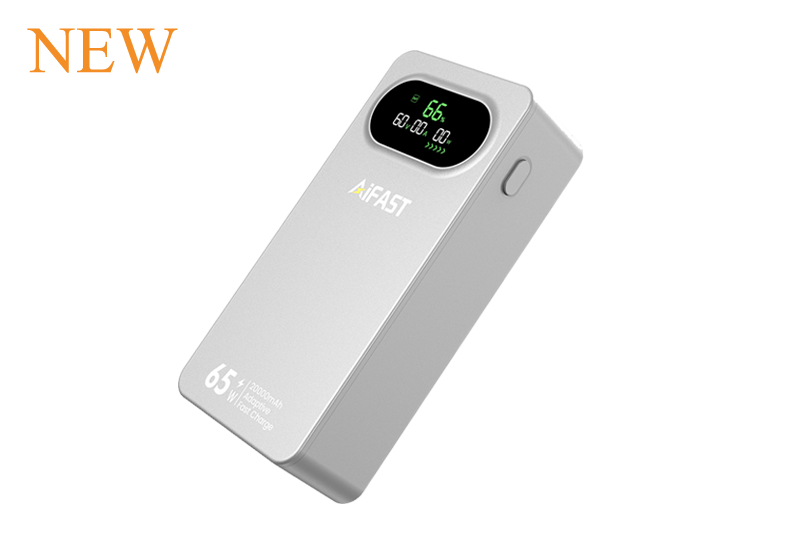 ESC-X018 65W Ultra-Fast 10000mAh Power Bank with TFT Display & Retractable Cable
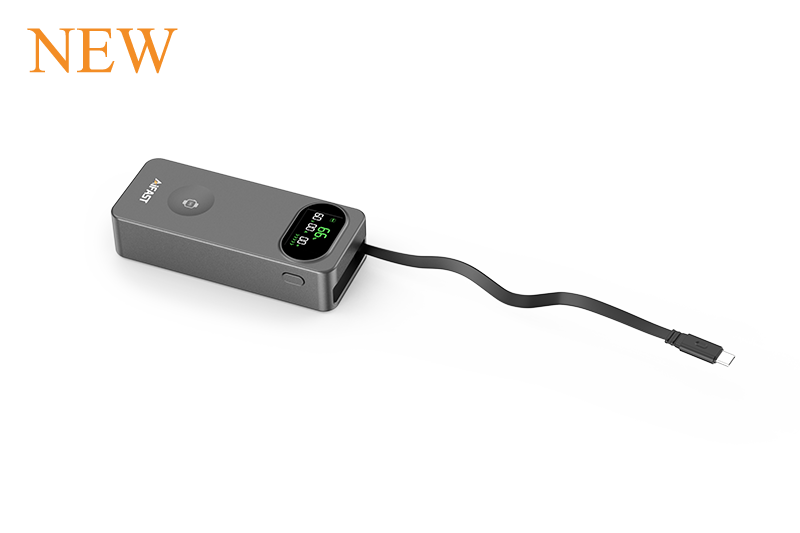 ESC-X017 65W Ultra-Fast 20000mAh Power Bank with TFT Display & Retractable Cable
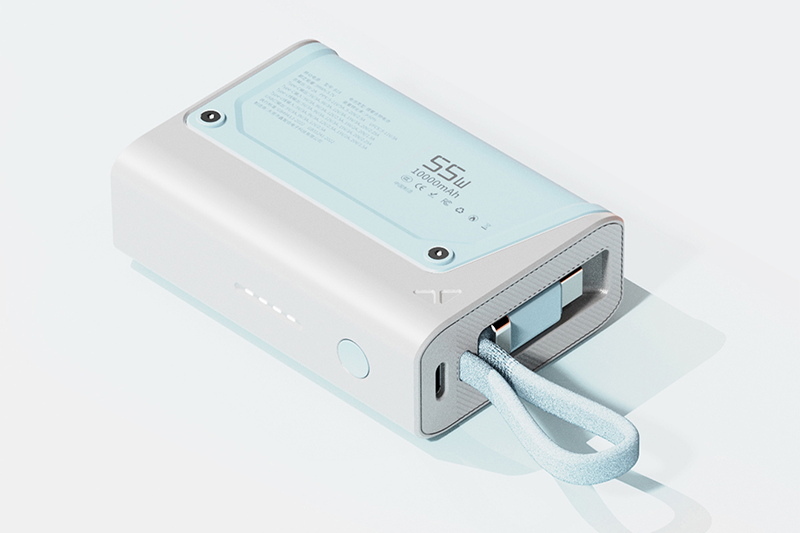 ESC-X020 10000mAh 55W Fast Charge Power Bank with cable built-in
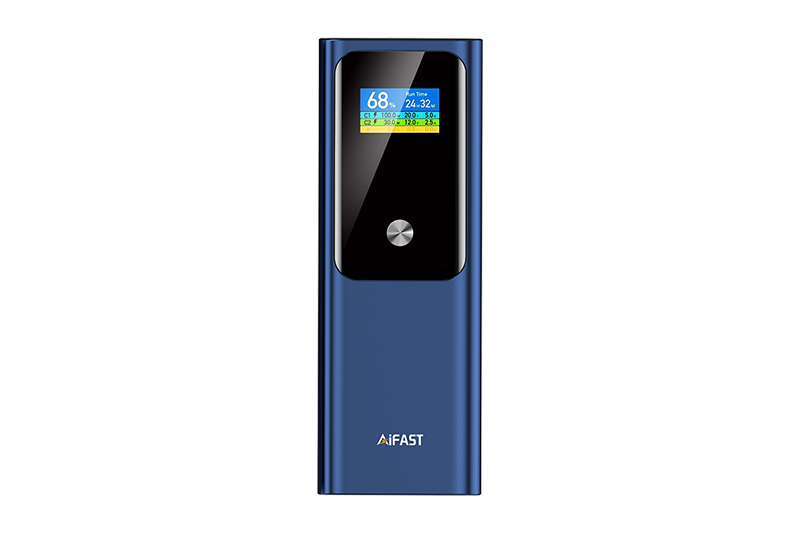 ESC-X016 120W 20000mAh Power Bank with Multi-Protocol TFT Display
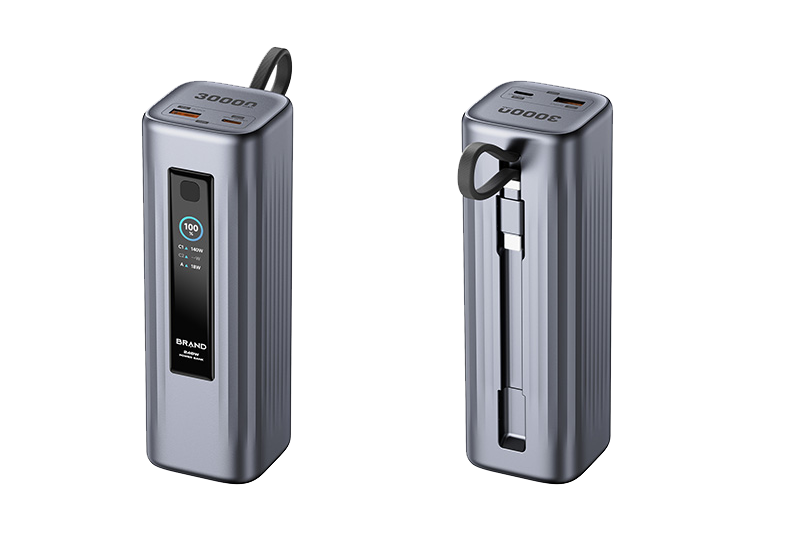 ECS-X022 145W 30,000mAh Power Bank with TFT Display & Retractable Cable
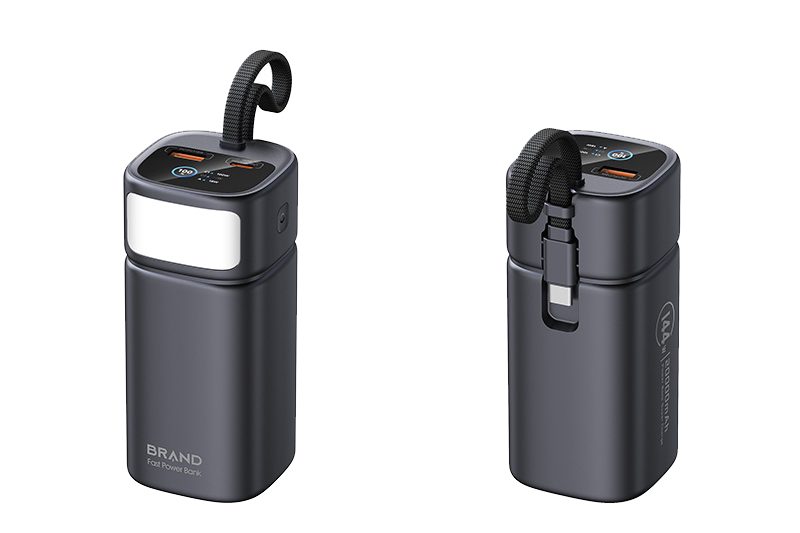 ECS-X021 100W 20,000mAh Power Bank with TFT Display & Retractable Cable
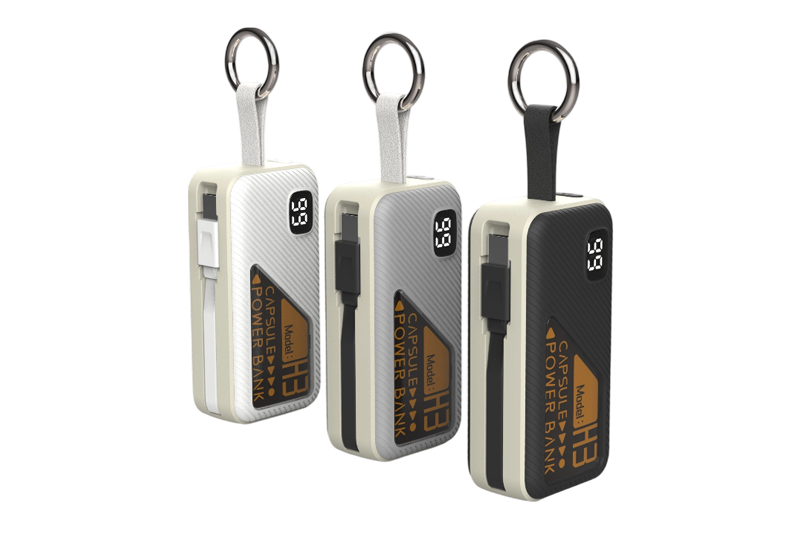 ESC-X023 20W Fast Charging Capsule Power Bank
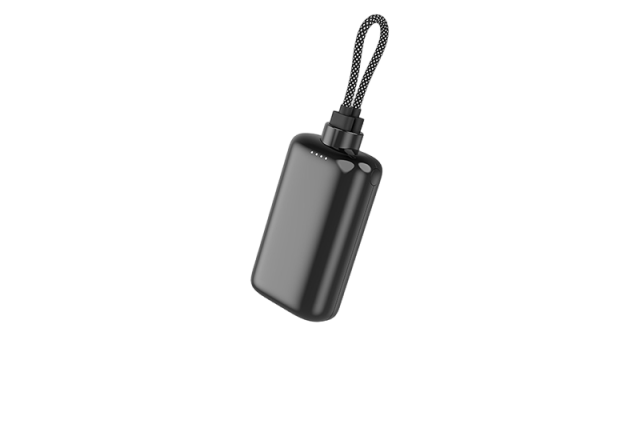 ESC-X024 22.5W 10,000mAh Fast Charging Power Bank
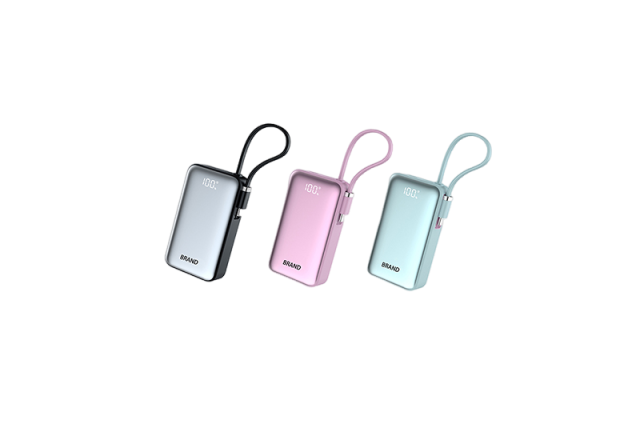 ESC-X025 22.5W Built-in Cable Portable Power Bank
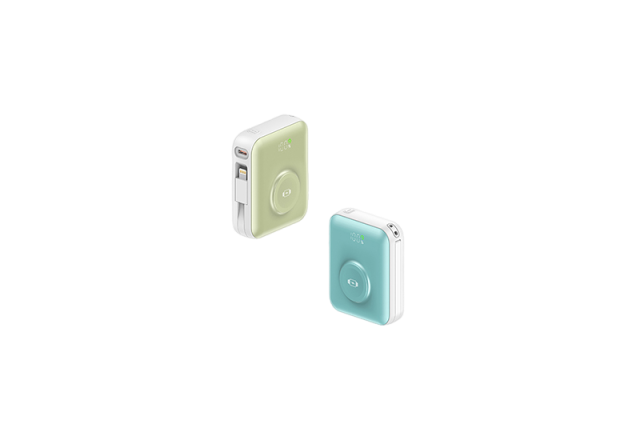 ESC-X026 22.5W 10000mAh Wireless Mini Size Power Bank
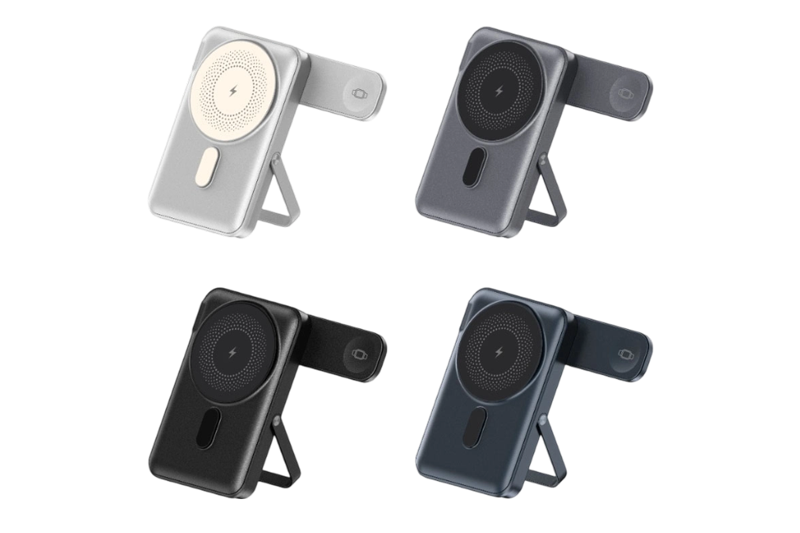 ESC-W018 3-in-1 MagSafe-Style Wireless Charging Stand
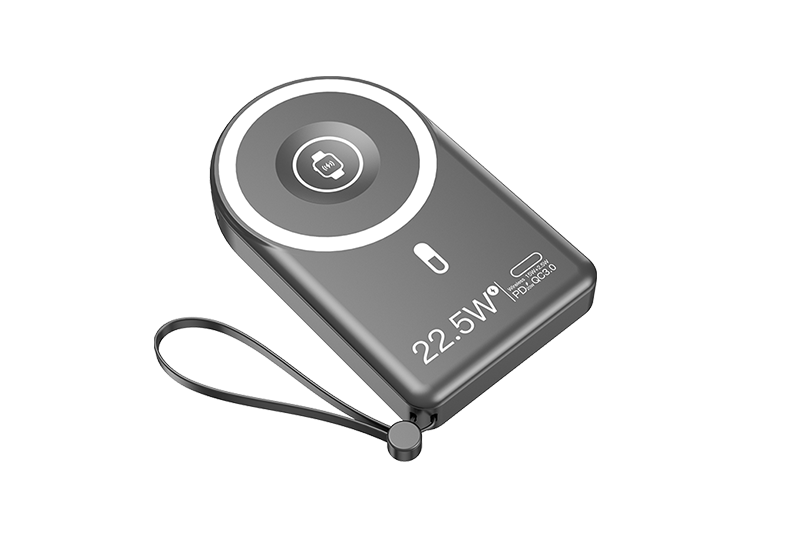 ESC-W017 5000mAh Wireless Ultimate All-in-One Power Solution for Samsung & iPhone Users
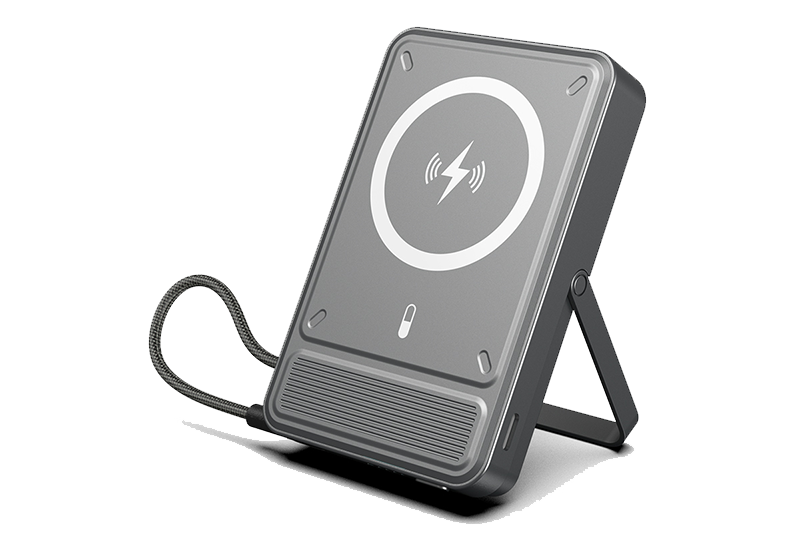 ECS-W016 45W Wireless Power Bank
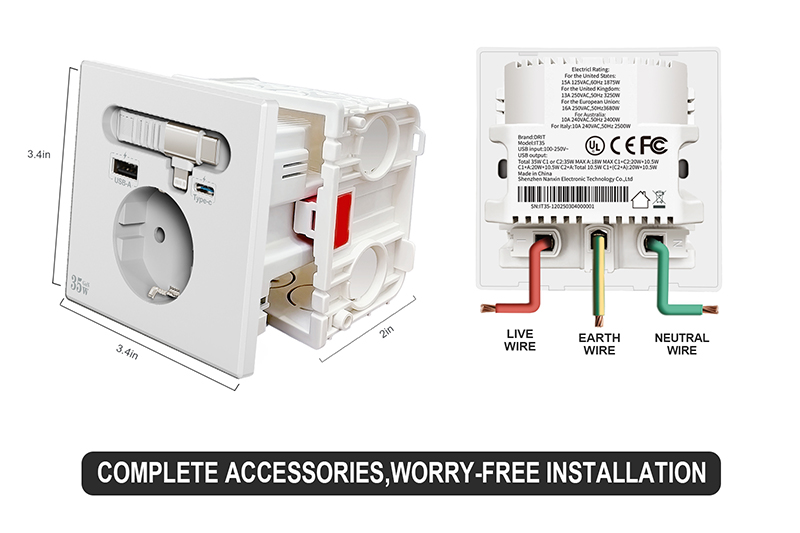 ESC-C019 Ultimate Universal 35W GaN Wall Socket
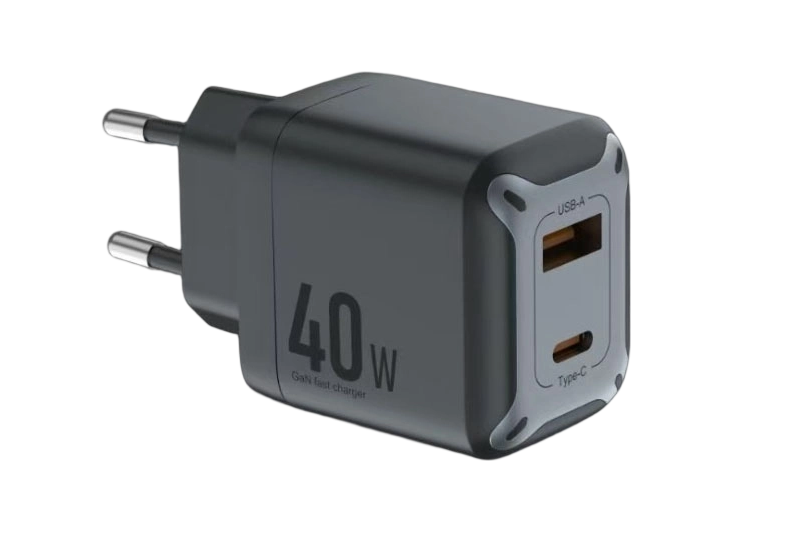 ESC-C018 Small Size 40W GaN Travel Charger
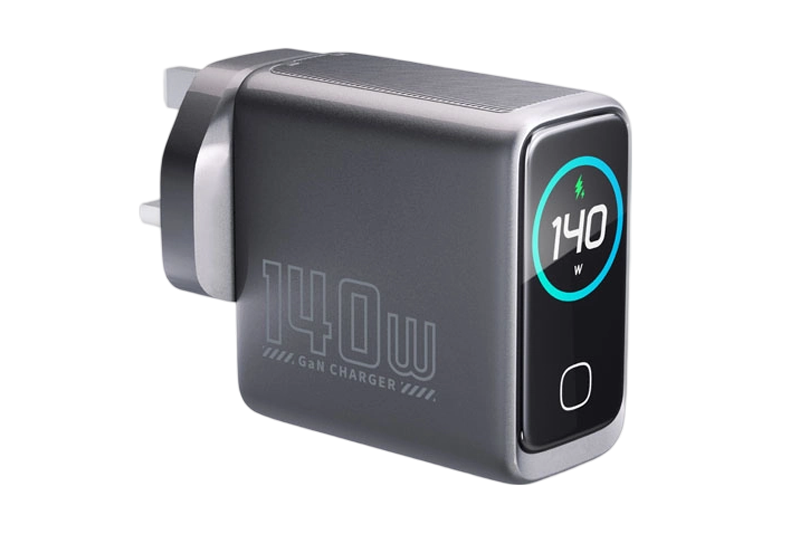 ESC-C017 140W HIGH Speed TFT Screen GaN Charger
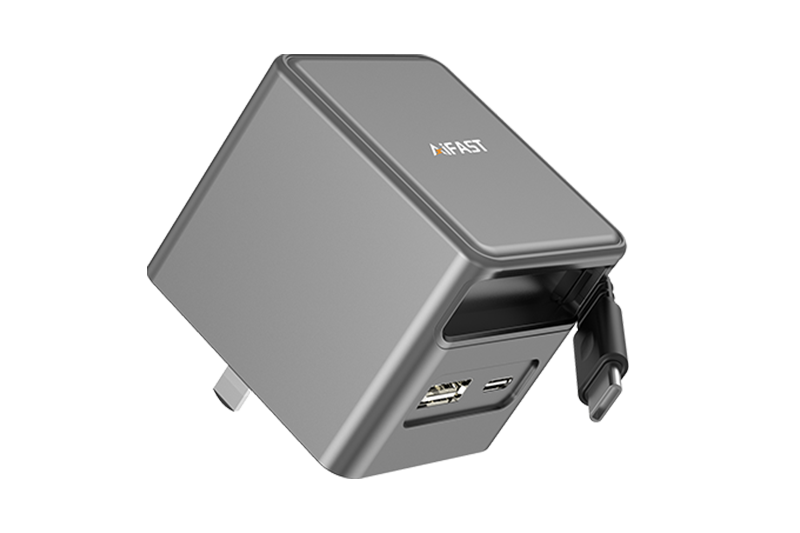 ESC-C016 65CM 65W HIGH Speed Retractable Cable GaN Charger


 Whatsapp
 Wechat