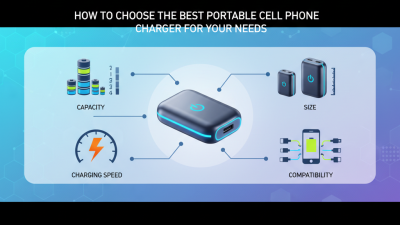
What is a Portable Power Bank and How Does It Work?
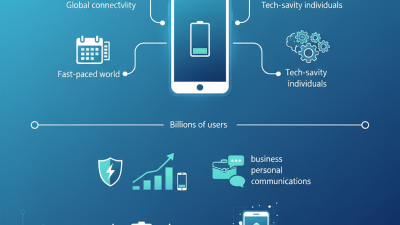
A Portable Power Bank is a valuable device in today's fast-paced world. With our lives increasingly dependent on smartphones, tablets, and other gadgets, staying charged is essential. Imagine being in a remote area, with low battery on your phone. A Portable Power Bank can be a lifesaver.
These devices work by storing energy and discharging it when needed. They usually contain lithium-ion batteries, similar to those in smartphones. Users simply connect their device to the power bank, and the charging begins. This convenience is hard to overlook, especially during travel or outdoor activities.
However, not all Portable Power Banks are created equal. Some have slower charging speeds or insufficient capacity. It’s vital to choose wisely based on personal needs. A poor choice can lead to frustration. Ultimately, while Portable Power Banks offer freedom, understanding their limitations is crucial.
What is a Portable Power Bank?
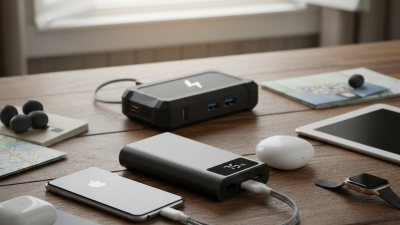
A portable power bank is a compact device designed to charge smartphones, tablets, and other electronic devices on the go. Often small enough to fit in a pocket, these gadgets are a necessity for many. According to a report by Statista, the portable power bank market size is projected to reach around $25 billion by 2026. This shows significant growth in consumer demand.
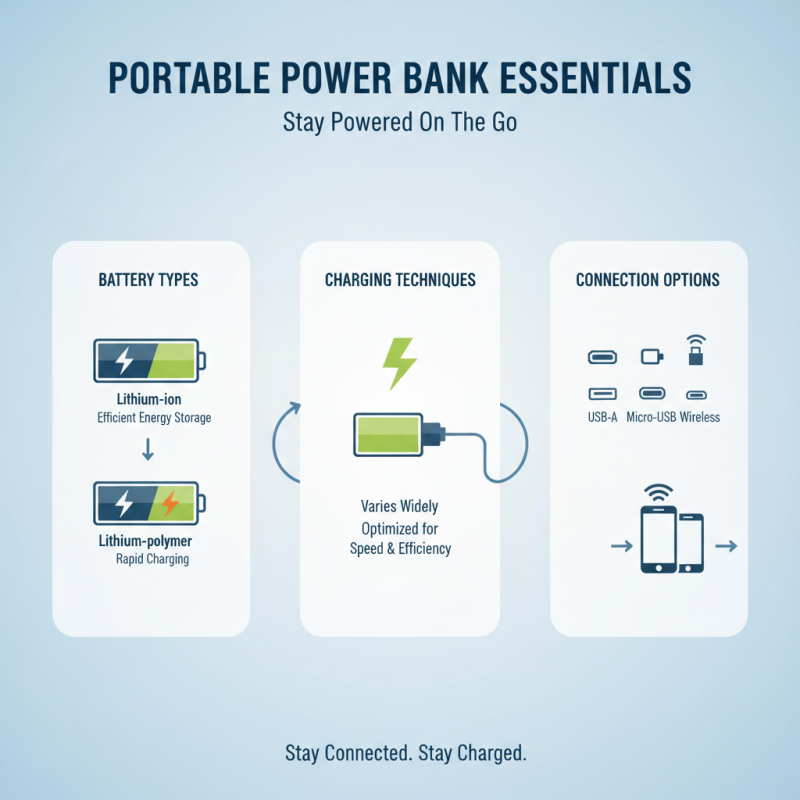
Power banks have rechargeable lithium-ion or lithium-polymer batteries. When a device is connected, the power bank sends electricity to it. The charging speed can vary, with some power banks offering fast charging options. In 2020, a study revealed that over 70% of users experienced issues with battery life on their phones. This creates a heavy reliance on power banks.
However, not all power banks are created equal. Some have lower efficiency rates, meaning they may not fully charge your device. Users often face compatibility issues, leaving them frustrated with their purchases. Importantly, the average lifespan of a power bank is about 500 cycles. After that, its performance can decline significantly. These limitations remind users to choose wisely and to invest in better products.
The Components of a Portable Power Bank
Portable power banks are essential devices for modern life. They provide convenience when charging smartphones, tablets, and other gadgets on the go. A typical power bank consists of several key components. These include the battery, control circuit, input/output ports, and casing.
The battery is usually a lithium-ion or lithium-polymer type. These batteries are favored for their high energy density and light weight. According to industry reports, the global power bank market reached $10.5 billion in 2021. It is projected to grow significantly. The control circuit manages the charging and discharging process, ensuring user safety. It can prevent overcharging, overheating, and short circuits.
Input and output ports play crucial roles in connectivity. Most power banks come with USB ports, offering versatility. A significant drawback is that not all ports provide fast charging. This can be frustrating for users in a hurry. The casing protects internal components and adds to the overall aesthetics. Manufacturers often use plastic or metal. Each material has its pros and cons. Metal casing can be more durable, while plastic may be lighter. Balancing these aspects is key for developers.
Battery Capacity Comparison of Portable Power Banks
This chart illustrates the capacity of various portable power banks measured in milliampere-hours (mAh). It provides a visual representation of how different power banks stack up against each other in terms of battery capability, indicating their potential to charge devices.
How Does a Portable Power Bank Generate Power?
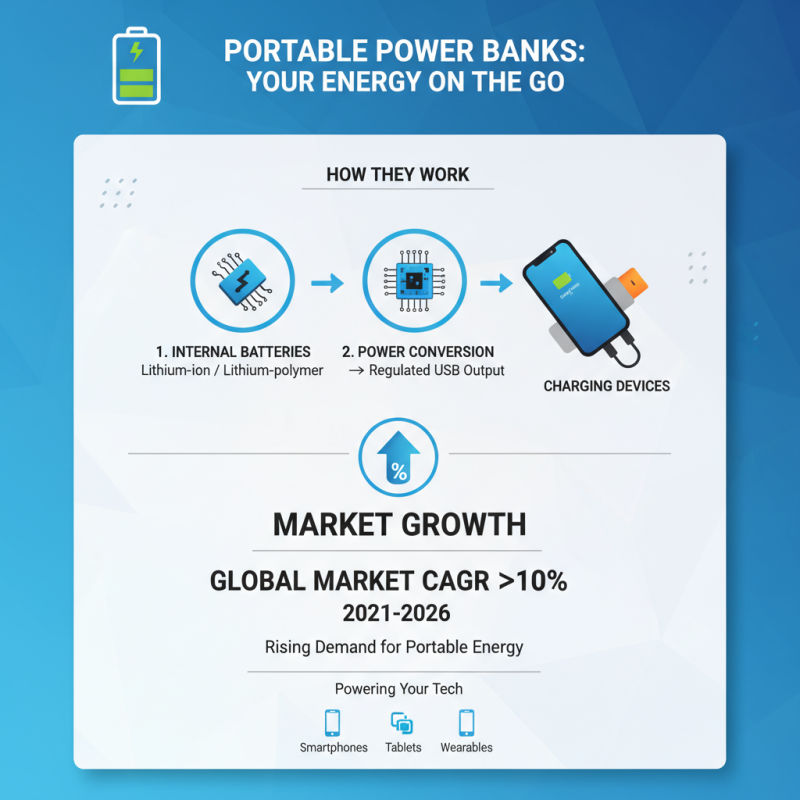
A portable power bank serves as a vital resource for charging devices on the go. Understanding how these power banks generate power can demystify their operation. Typically, a power bank houses lithium-ion or lithium-polymer batteries. These batteries convert stored electrical energy into usable power through a regulated output process. According to industry data, the global portable power bank market is expected to grow at a CAGR of over 10% from 2021 to 2026. This growth indicates a rising demand for portable energy solutions.
The charging process begins when a power bank is plugged into a wall outlet. It draws electricity, storing it within its battery cells. When users connect a device, the power bank releases the stored energy. The efficiency of this transfer is crucial. Experts suggest that most power banks operate at around 70% efficiency. This means that 30% of energy can be lost, often due to heat. It’s an important aspect to consider when selecting a power bank.
Portable power banks also feature various outputs, such as USB ports. This adds versatility, allowing multiple devices to charge simultaneously. However, not all devices charge at the same rate. Some may benefit from faster charging technology, while others may not. Consequently, users must assess their needs to choose the right power bank. This awareness can help avoid frustrations during critical moments.
Common Uses and Benefits of Portable Power Banks
Portable power banks have become essential for many people. They provide a convenient way to charge devices on the go. Whether you’re traveling or just out and about, a power bank ensures that your phone or tablet stays charged. Most people know the frustration of a dead battery. A power bank prevents that feeling.
Common uses for portable power banks include charging smartphones, tablets, and even some laptops. They are lightweight and easy to carry. Imagine a long flight without your devices dying. A power bank makes that possible. However, some people forget to charge their power banks. It can be frustrating to realize a power bank is dead when you need it most.
The benefits are clear. Having extra power can be a life-saver during emergency situations. It also allows for flexibility. From camping trips to long workdays, a power bank is truly handy. Yet, it is important to choose the right capacity for your needs. Sometimes, people buy a power bank that simply does not meet their requirements. Awareness of your usage can improve your experience significantly.
What is a Portable Power Bank and How Does It Work? - Common Uses and Benefits of Portable Power Banks
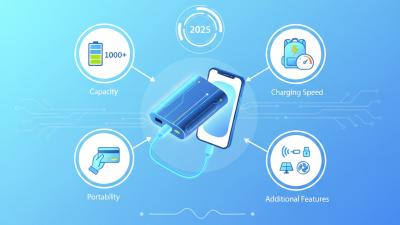
| Feature |
Description |
| Capacity |
Ranges from 2,000mAh to 30,000mAh, allowing multiple device charges. |
| Input/Output Ports |
Typically includes USB-A, USB-C, and sometimes Micro USB ports for charging. |
| Portability |
Compact design for easy transport, fits in bags and pockets. |
| Charging Speed |
Supports fast charging technologies like Quick Charge and Power Delivery. |
| Safety Features |
Includes overcharge, short-circuit protection, and temperature control. |
| Common Uses |
Charging smartphones, tablets, headphones, and other USB-powered devices on the go. |
| Benefits |
Convenience, mobility, and ensuring devices remain powered during travel. |

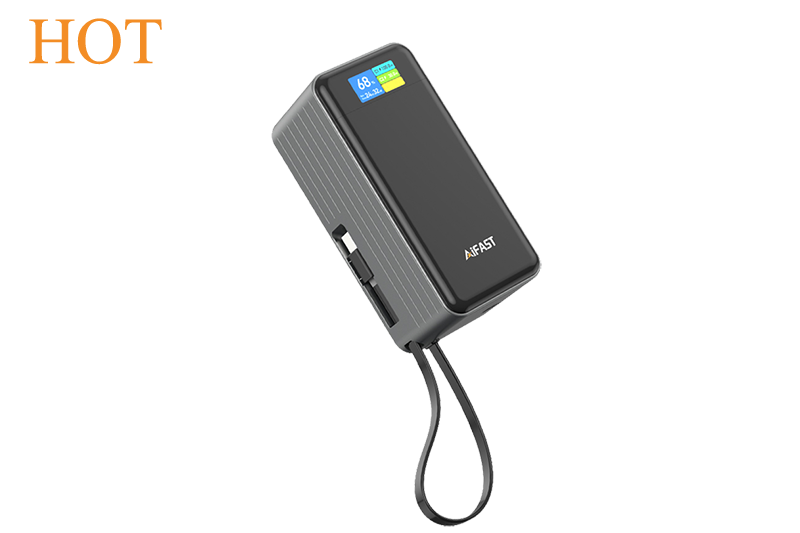 ESC-X019 65W Fast charge power bank
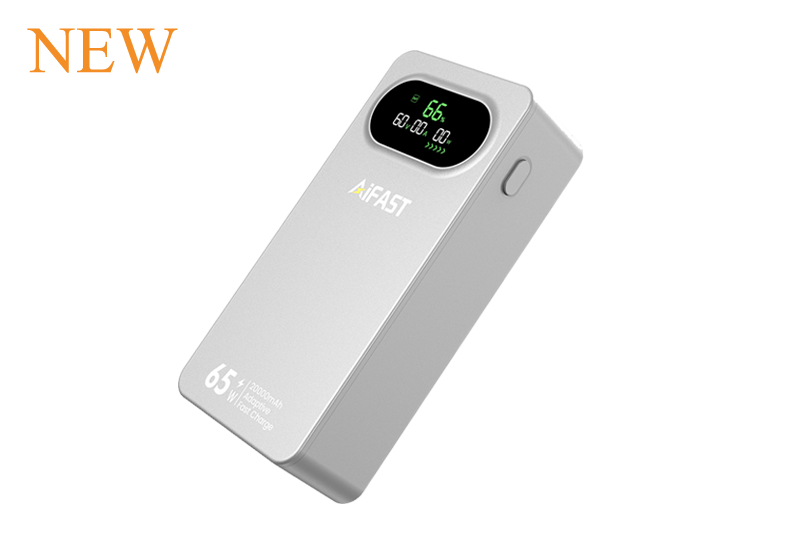 ESC-X018 65W Ultra-Fast 10000mAh Power Bank with TFT Display & Retractable Cable
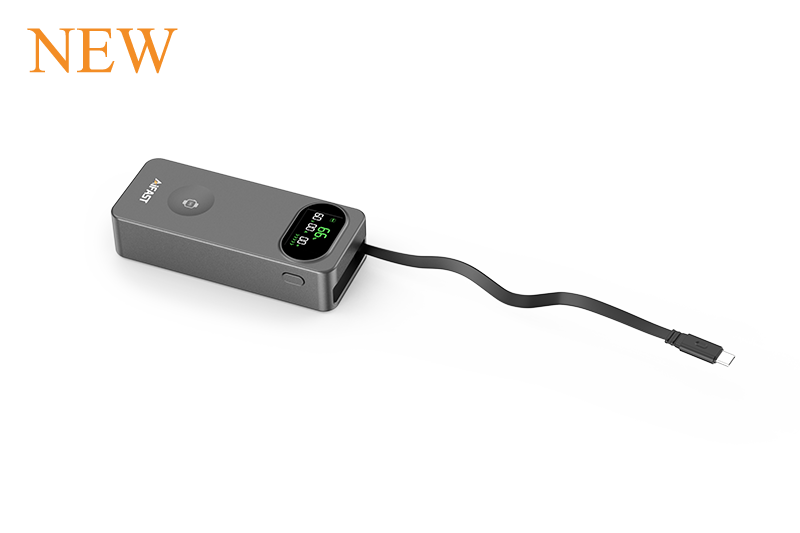 ESC-X017 65W Ultra-Fast 20000mAh Power Bank with TFT Display & Retractable Cable
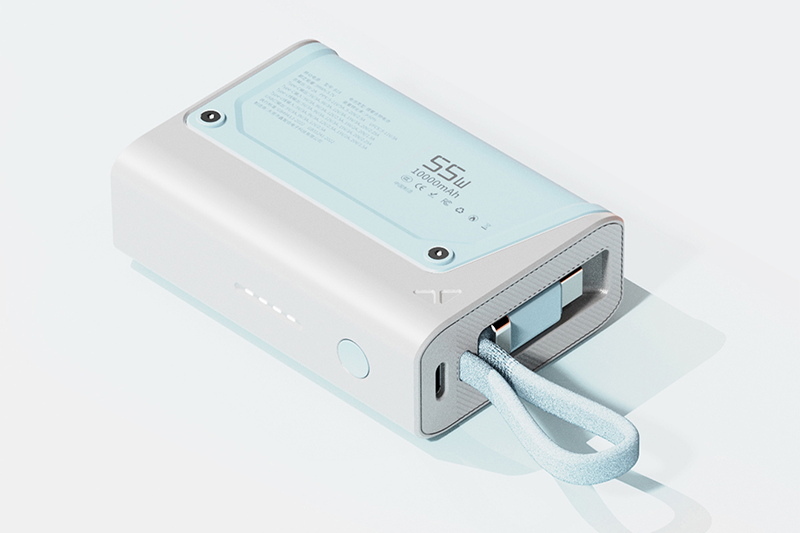 ESC-X020 10000mAh 55W Fast Charge Power Bank with cable built-in
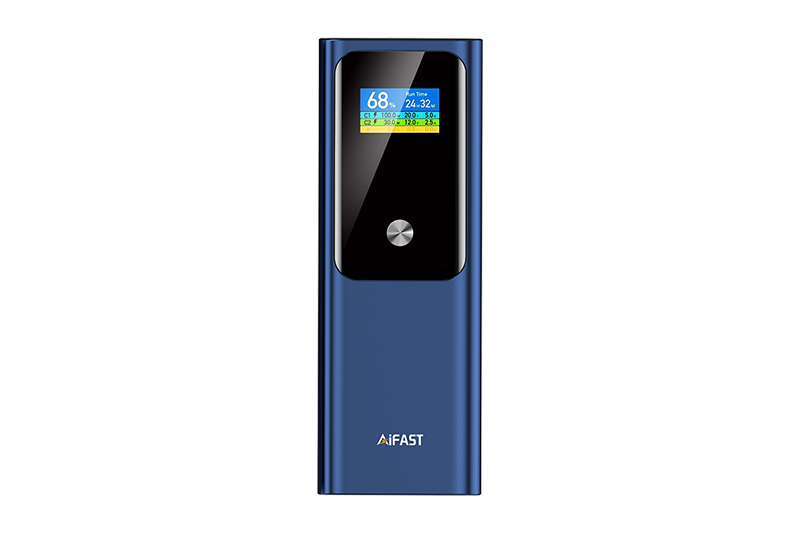 ESC-X016 120W 20000mAh Power Bank with Multi-Protocol TFT Display
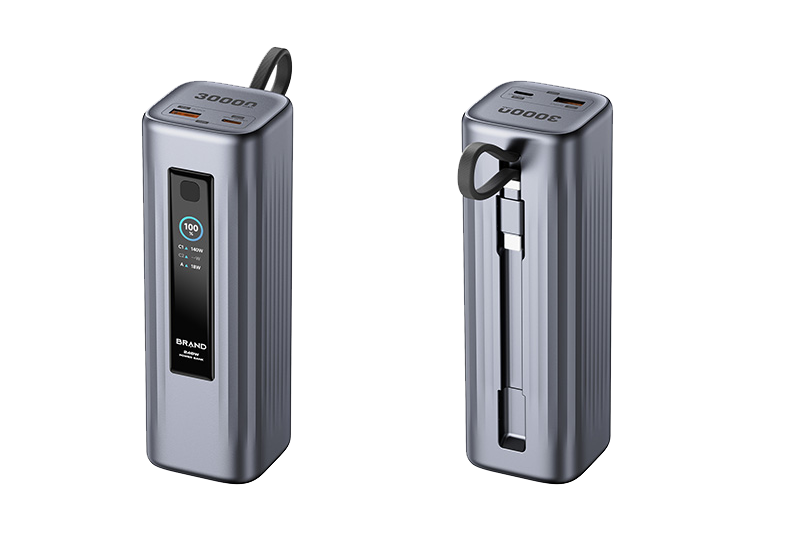 ECS-X022 145W 30,000mAh Power Bank with TFT Display & Retractable Cable
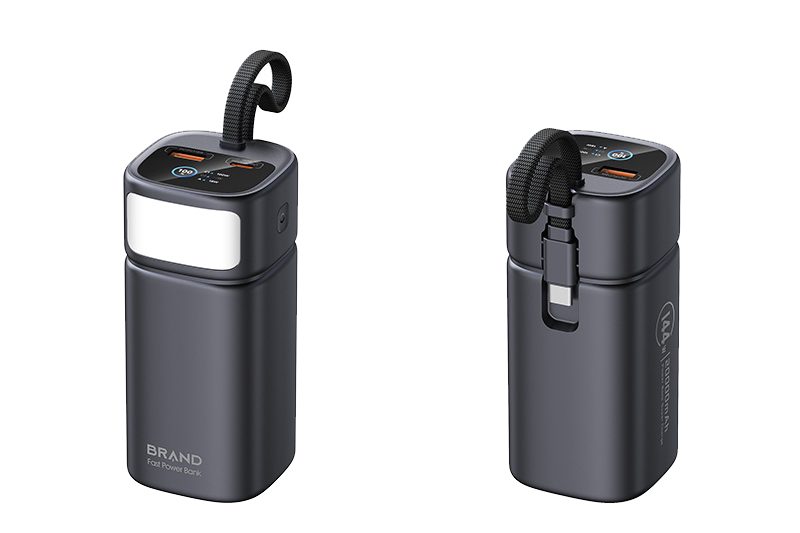 ECS-X021 100W 20,000mAh Power Bank with TFT Display & Retractable Cable
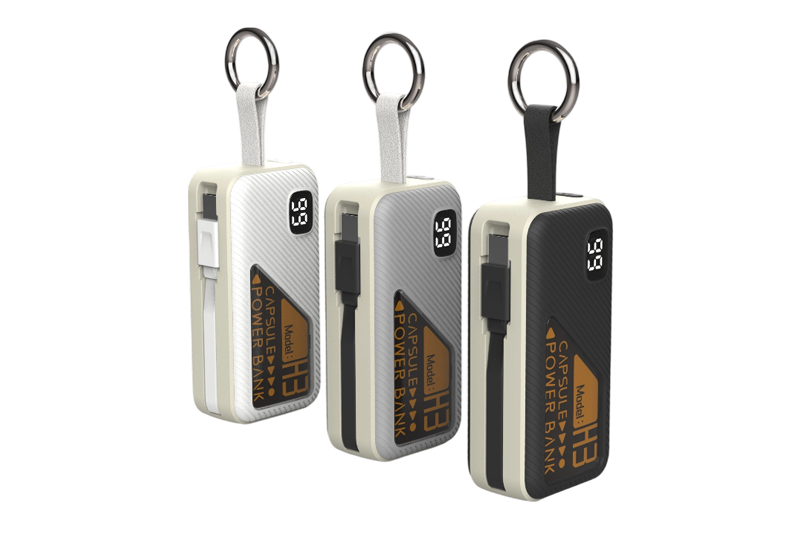 ESC-X023 20W Fast Charging Capsule Power Bank
 ESC-X024 22.5W 10,000mAh Fast Charging Power Bank
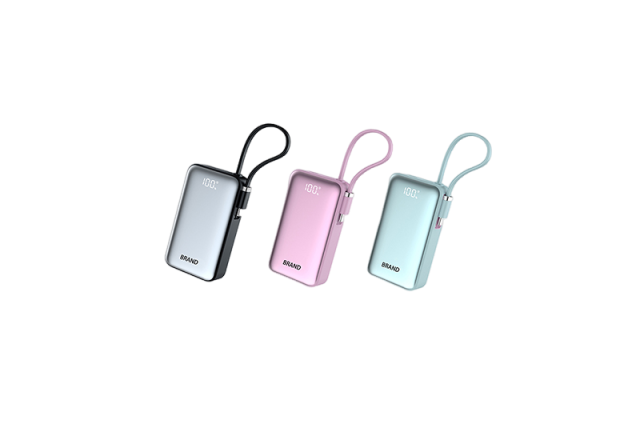 ESC-X025 22.5W Built-in Cable Portable Power Bank
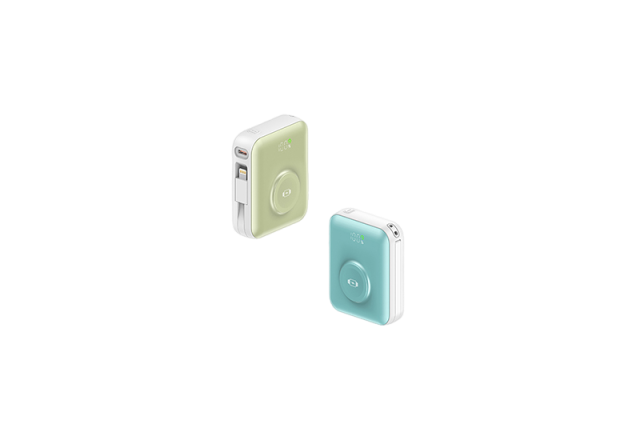 ESC-X026 22.5W 10000mAh Wireless Mini Size Power Bank
 ESC-W018 3-in-1 MagSafe-Style Wireless Charging Stand
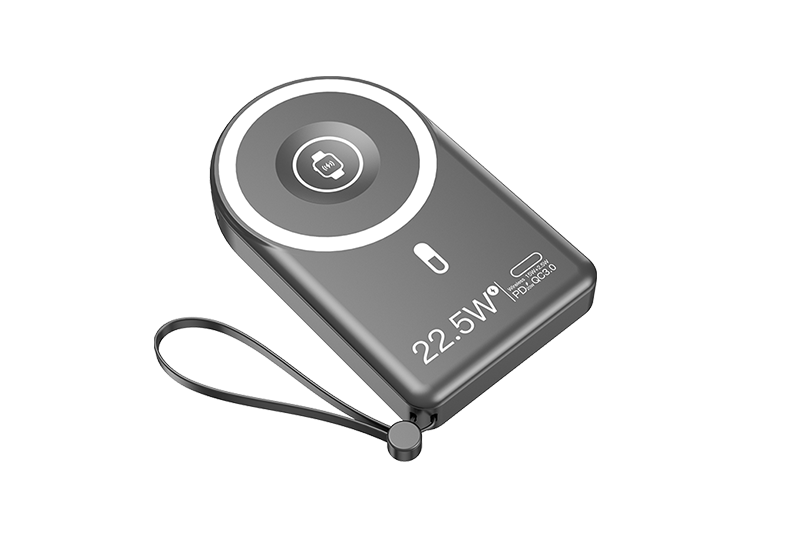 ESC-W017 5000mAh Wireless Ultimate All-in-One Power Solution for Samsung & iPhone Users
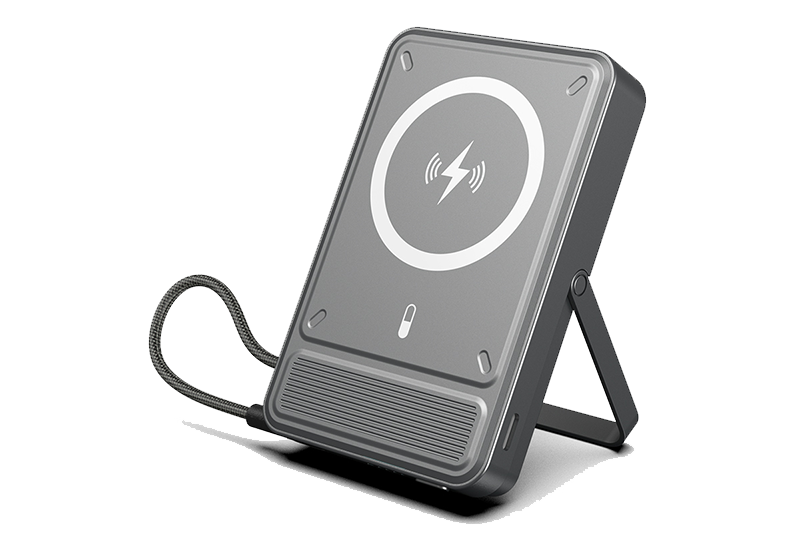 ECS-W016 45W Wireless Power Bank
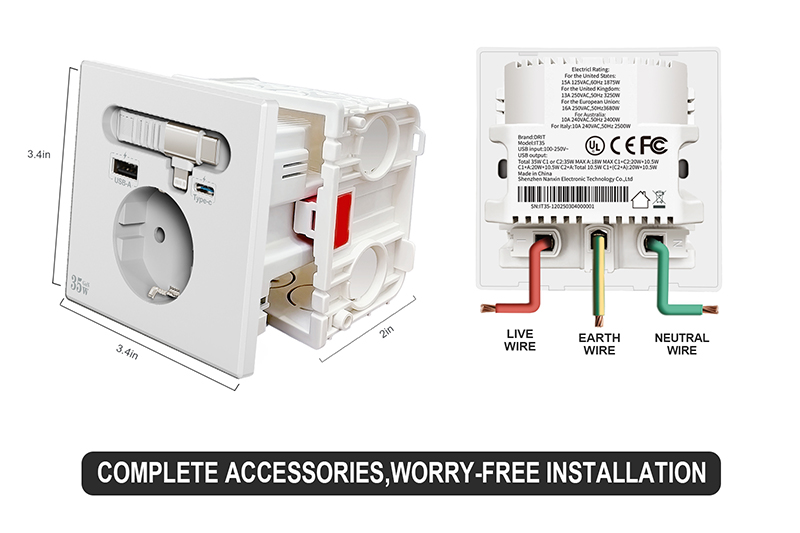 ESC-C019 Ultimate Universal 35W GaN Wall Socket
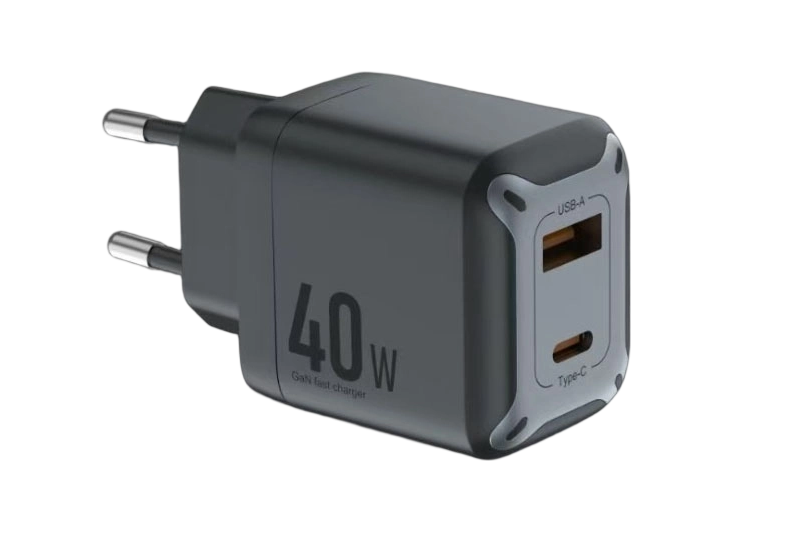 ESC-C018 Small Size 40W GaN Travel Charger
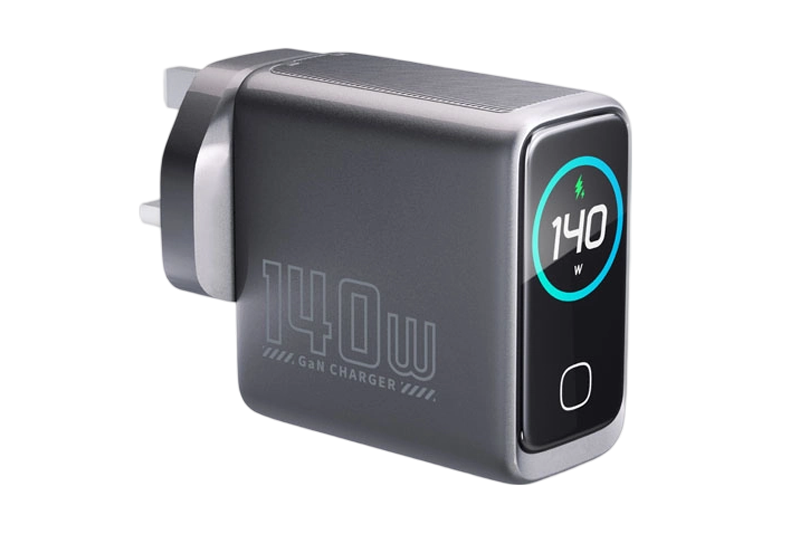 ESC-C017 140W HIGH Speed TFT Screen GaN Charger
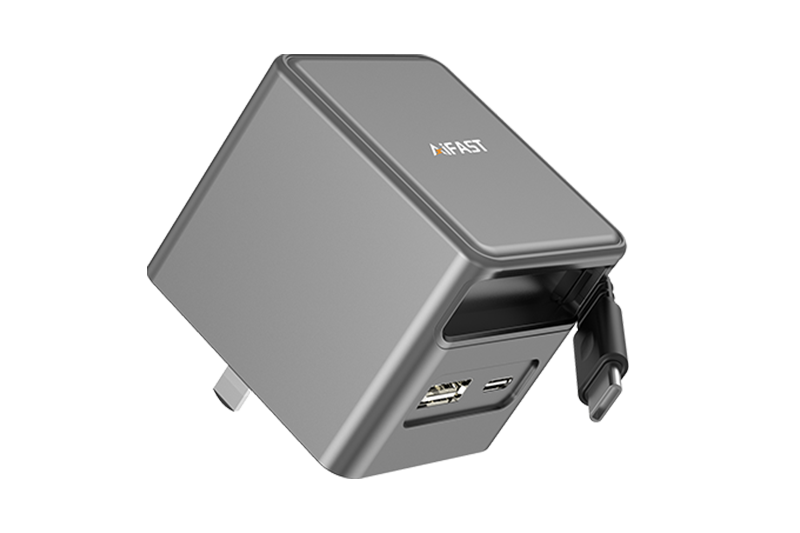 ESC-C016 65CM 65W HIGH Speed Retractable Cable GaN Charger


 Whatsapp
 Wechat