What is a Portable Cell Phone Charger and How Does It Work?
In today's fast-paced world, staying connected is essential. A Portable Cell Phone Charger is a must-have device that ensures your phone never runs out of battery. These devices are small, lightweight, and powerful. They allow users to recharge their phones on the go. David Chang, a leading expert in portable charging technology, once said, "The innovation in portable cell phone chargers is transforming how we power our devices."
Portable Cell Phone Chargers come in various sizes and capacities. Some can fully charge your phone multiple times, while others offer quick boosts. Their design reflects convenience and practicality. However, not all chargers are created equal. Users may find certain models bulky or inefficient. The market is filled with choices, which can overwhelm someone new to the technology.
The convenience of a Portable Cell Phone Charger cannot be overstated. Yet, it is vital to choose one that fits your lifestyle. Consider factors such as charging speed and portability. Reflecting on the right choice can lead to a more satisfying experience. The quest for the perfect charger often reveals more about our habits and reliance on technology.
Definition of a Portable Cell Phone Charger
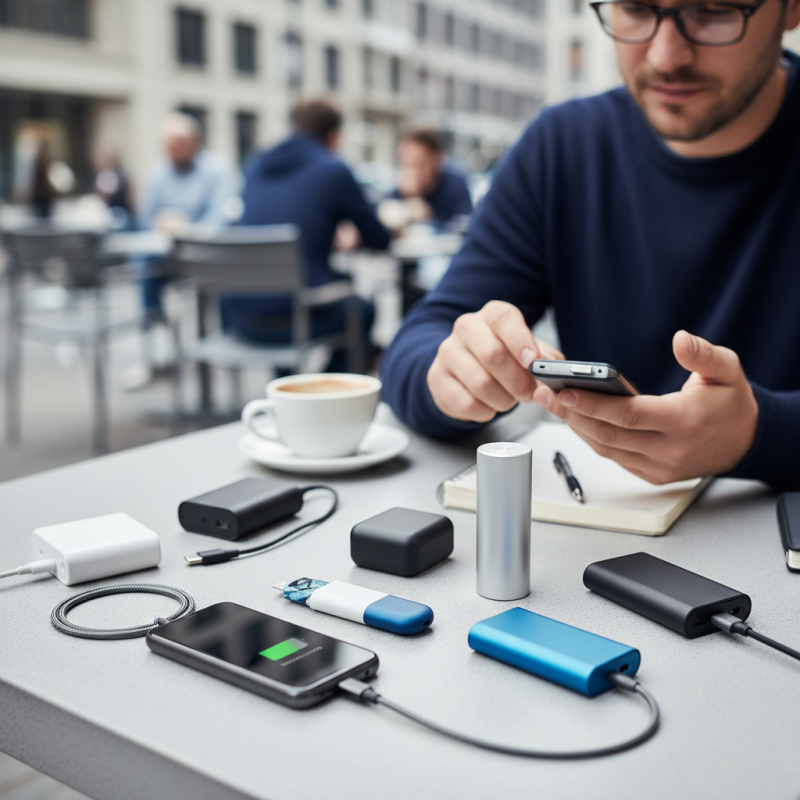
A portable cell phone charger is a handy device that provides power on the go. It is designed to recharge your phone without needing a wall outlet. These chargers often come in various shapes and sizes. Some are small enough to fit in your pocket, while others resemble a small tablet. The primary purpose is clear: keep your phone charged when you need it most.
The way a portable charger works is quite simple. It contains a rechargeable battery that stores energy. When your phone's battery runs low, you connect it to the charger using a cable. The charger then transfers its energy to your phone, restoring power. It's a lifesaver during long trips or busy days.
However, not all portable chargers are created equal. Some might charge slowly, while others may not hold enough power. Users can get frustrated when a charger fails. It's essential to research and find a device that suits your needs. All chargers have limitations; understanding those can improve your experience. The goal is to stay connected, but it takes a little planning.
How Portable Cell Phone Chargers Store Energy
Portable cell phone chargers, also known as power banks, are essential for many users today. These devices store energy and provide power to smartphones and other gadgets when needed. But how exactly do they work? They typically contain lithium-ion batteries that can recharge multiple times. According to a report by Statista, the global power bank market was valued at approximately 13.2 billion U.S. dollars in 2022, reflecting a growing dependence on portable charging solutions.
Energy storage is a key feature of these chargers. They capture energy through USB connections, either from wall outlets or solar panels. The efficiency of this process isn’t always perfect. Some units may lose up to 20% of energy during transfer. A study from the International Energy Agency notes that user habits can also impact long-term battery performance, with frequent overcharging being detrimental. Many users overlook how heat affects battery efficiency, often ignoring that keeping chargers in hot environments can degrade performance.
Most portable chargers come with multiple outputs. This allows users to charge multiple devices at once. However, managing power output can be tricky. Some chargers do not distribute energy equally, leading to longer charging times for certain devices. Users often experience frustration when their devices don’t charge as quickly as expected. Understanding the limitations of these chargers can enhance user experience and prolong the life of both the charger and the devices they power.
Portable Cell Phone Charger Battery Capacities
This bar chart illustrates the average battery capacities of various types of portable cell phone chargers. The capacities are measured in milliampere-hours (mAh), which indicates how much charge the charger can hold.
Types of Portable Cell Phone Chargers Available
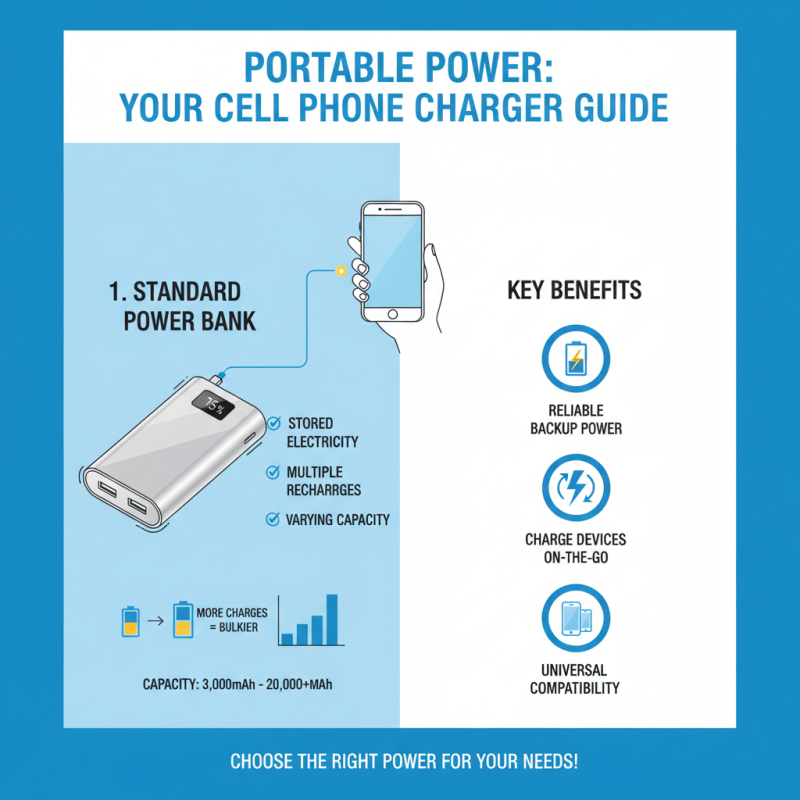
Portable cell phone chargers, often called power banks, come in various types to suit different needs. The most common type is the standard power bank. These chargers store electricity and can recharge devices multiple times. They generally come with varying capacities. A higher capacity means more charges but may also be bulkier.
Another popular type is the solar charger. This offers a sustainable option for those who spend time outdoors. These chargers utilize sunlight to generate power. However, their efficiency can drop in cloudy weather or low-light conditions. It's essential to consider your environment when relying on this type.
Wireless chargers are increasingly popular too. They provide a convenient, cord-free charging experience. Just place the device on the charger, and it starts charging. However, they can be slower than traditional wired chargers.
Tip: Always check the output specifications before purchasing a power bank. An output of 2A generally charges devices faster than 1A.
Make sure to assess your usage habits. Do you frequently run low on battery? If so, consider a charger with a larger capacity. Always have a backup plan for charging, especially during travels. That's key to staying connected.
Instructions for Using a Portable Cell Phone Charger
Using a portable cell phone charger is straightforward, even for beginners. Start by making sure your charger is charged. Check the indicator lights, if available. If your charger has multiple ports, choose one that matches your device. Connect the charging cable from your phone to the charger. It's quite satisfying to see that initial connection.
Once connected, monitor the battery percentage on your phone. Sometimes, it may take longer than expected for your phone to start charging. Be patient. If nothing happens, try a different cable or port. Not all cables work perfectly with every charger. This is a common issue that can frustrate users.
After your device is charged, remember to disconnect it properly. Leaving the charger plugged in can waste battery life over time. Reflect on how you could have charged your phone earlier to avoid emergencies. Keep your charger in a secure spot, and maintain it well. A little attention goes a long way.
What is a Portable Cell Phone Charger and How Does It Work?
| Feature |
Description |
How It Works |
| Capacity |
Measured in milliamp hours (mAh), indicates how many charges it can provide. |
Higher mAh means more power storage, allows charging multiple devices or larger batteries. |
| Port Type |
Includes USB Type-A, Type-C, and Micro USB ports. |
Different ports allow compatibility with various devices; choose the right type for efficient charging. |
| Charging Speed |
Measured in amps (A), indicating the speed at which the charger can deliver power. |
Higher output (e.g., 2.1A vs. 1A) charges devices faster. |
| Size and Weight |
Varies; portable chargers can range from pocket-sized to larger models. |
Choose a size that balances portability with battery life according to your needs. |
| Safety Features |
Includes overcharge protection, temperature control, and short circuit protection. |
These features prevent damage to devices and enhance user safety during charging. |
Benefits of Using a Portable Cell Phone Charger
Portable cell phone chargers are essential for today's mobile lifestyle. People often face battery anxiety. About 90% of Americans rely on their smartphones for various tasks. When the battery runs low, stress kicks in. This is where portable chargers come in. They provide an on-the-go solution for charging your device without being tethered to a wall outlet.
Using a portable charger has numerous benefits. Flexibility is a major advantage. You can charge your phone anywhere—while commuting, camping, or waiting in line. Reports show that over 80% of users feel more secure knowing they can charge their phones anytime. Also, portable chargers are often lightweight and compact. They fit easily into bags or pockets. However, not all portable chargers are created equal. Some might charge slowly or may not hold enough power for multiple uses.
Tips: Choose a charger with a capacity of at least 10,000 mAh. This ensures multiple phone charges. Check compatibility; not all chargers work with every device. Lastly, consider a model with multiple USB ports. This lets you charge more than one device at a time. A well-chosen portable charger can enhance your mobile experience significantly.

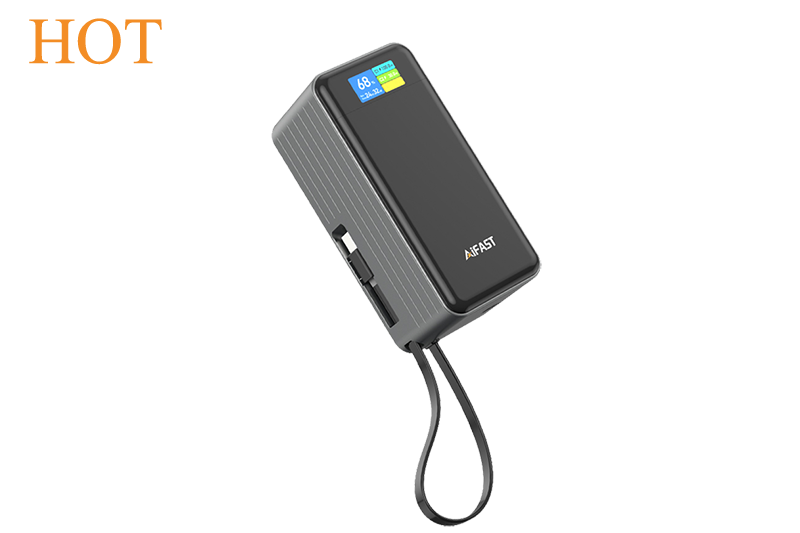 ESC-X019 65W Fast charge power bank
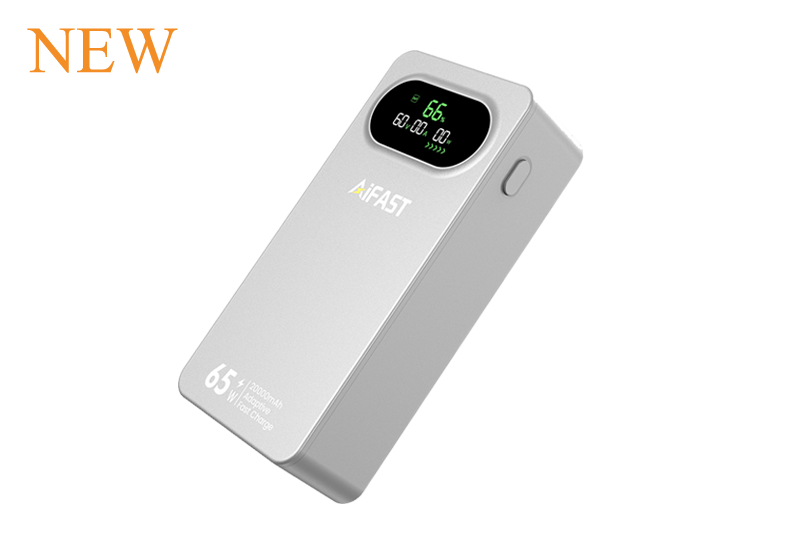 ESC-X018 65W Ultra-Fast 10000mAh Power Bank with TFT Display & Retractable Cable
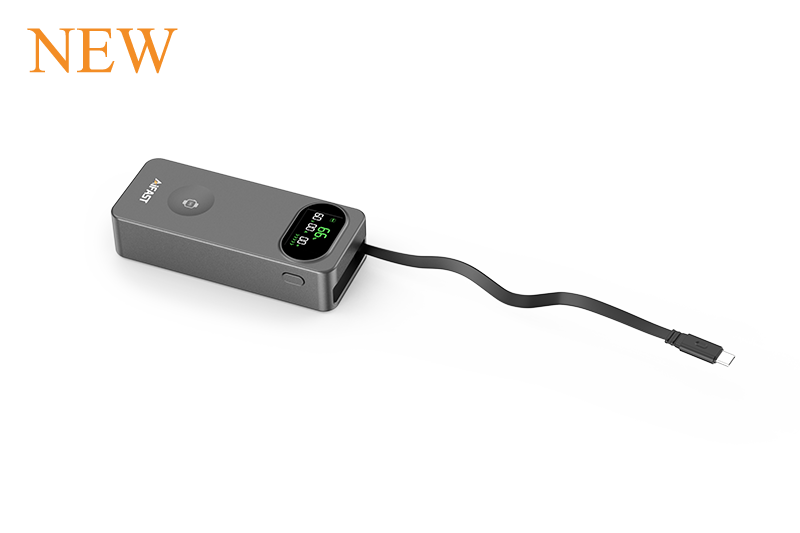 ESC-X017 65W Ultra-Fast 20000mAh Power Bank with TFT Display & Retractable Cable
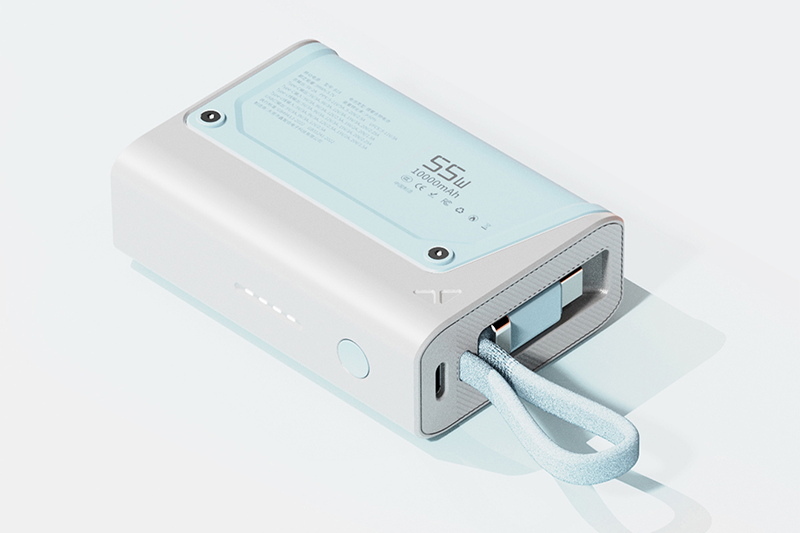 ESC-X020 10000mAh 55W Fast Charge Power Bank with cable built-in
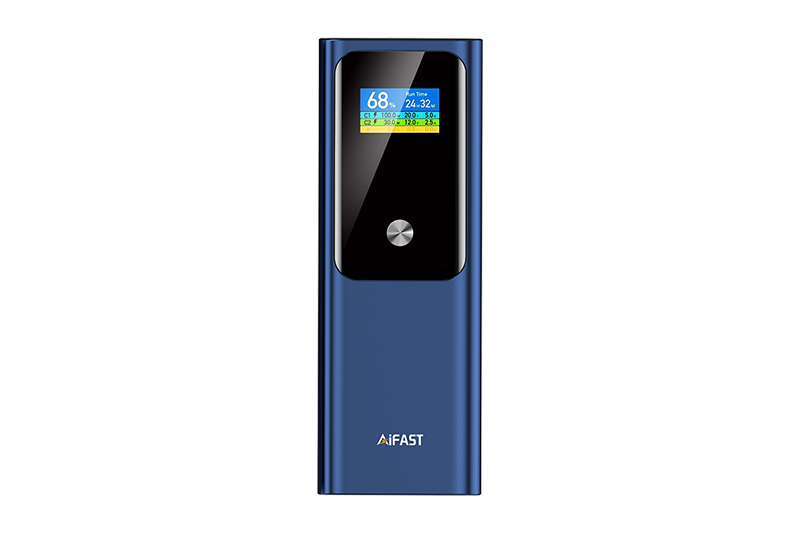 ESC-X016 120W 20000mAh Power Bank with Multi-Protocol TFT Display
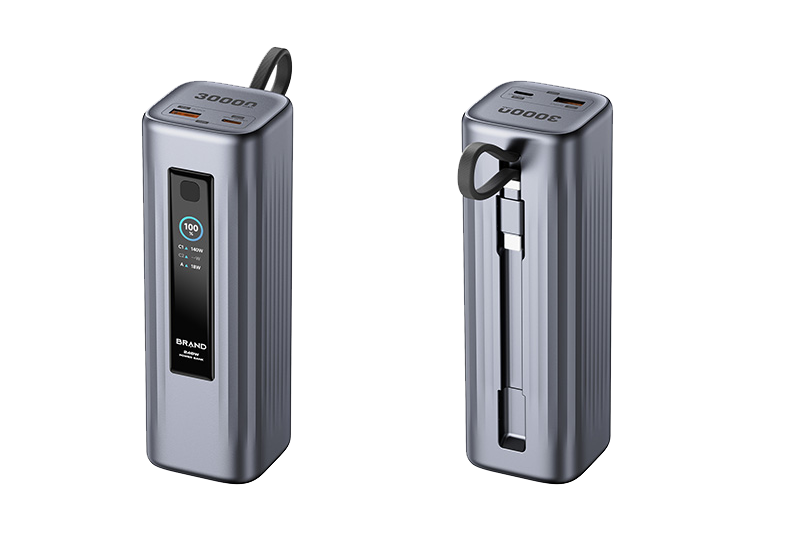 ECS-X022 145W 30,000mAh Power Bank with TFT Display & Retractable Cable
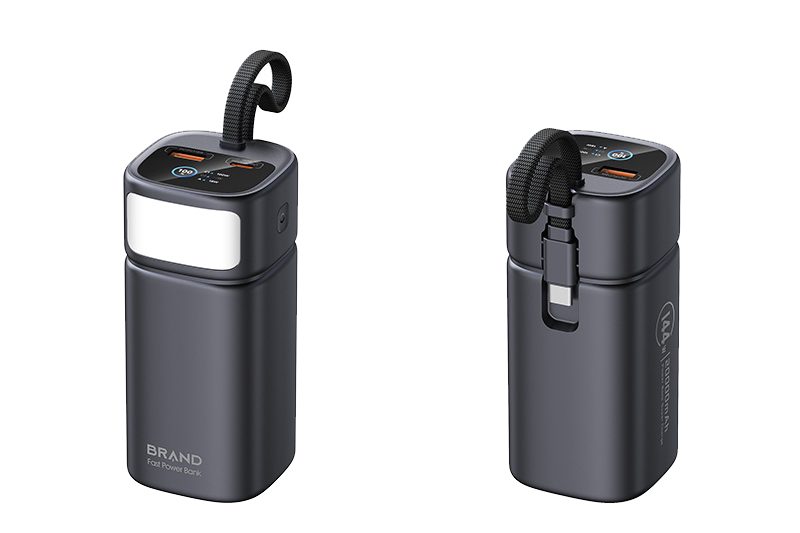 ECS-X021 100W 20,000mAh Power Bank with TFT Display & Retractable Cable
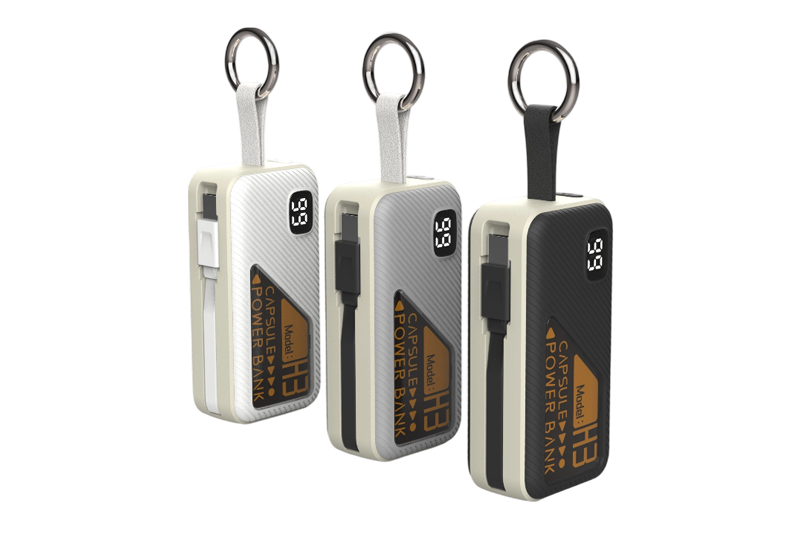 ESC-X023 20W Fast Charging Capsule Power Bank
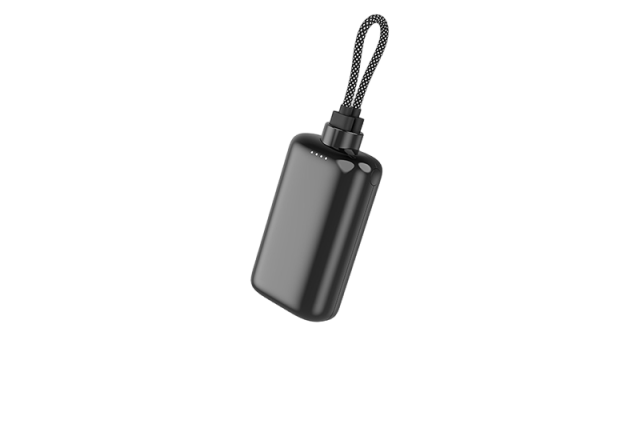 ESC-X024 22.5W 10,000mAh Fast Charging Power Bank
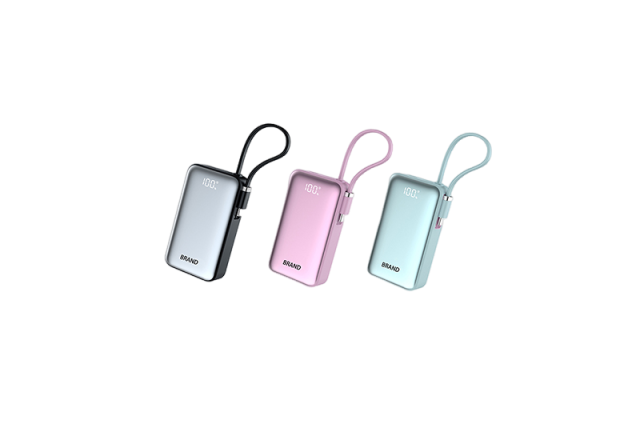 ESC-X025 22.5W Built-in Cable Portable Power Bank
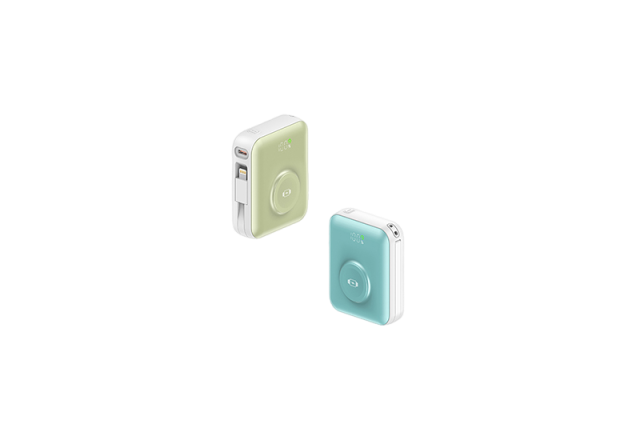 ESC-X026 22.5W 10000mAh Wireless Mini Size Power Bank
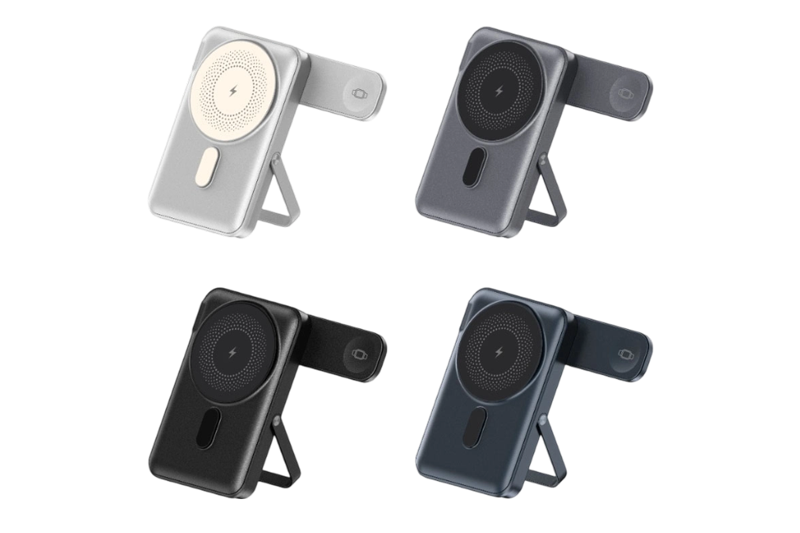 ESC-W018 3-in-1 MagSafe-Style Wireless Charging Stand
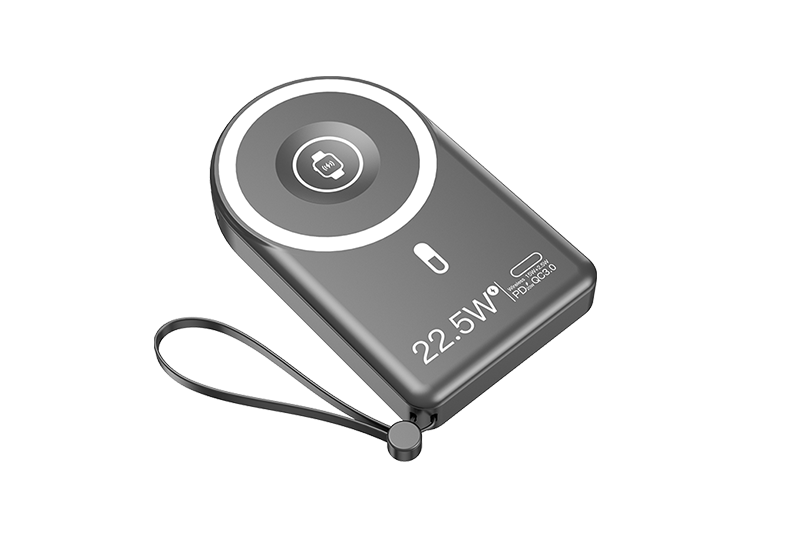 ESC-W017 5000mAh Wireless Ultimate All-in-One Power Solution for Samsung & iPhone Users
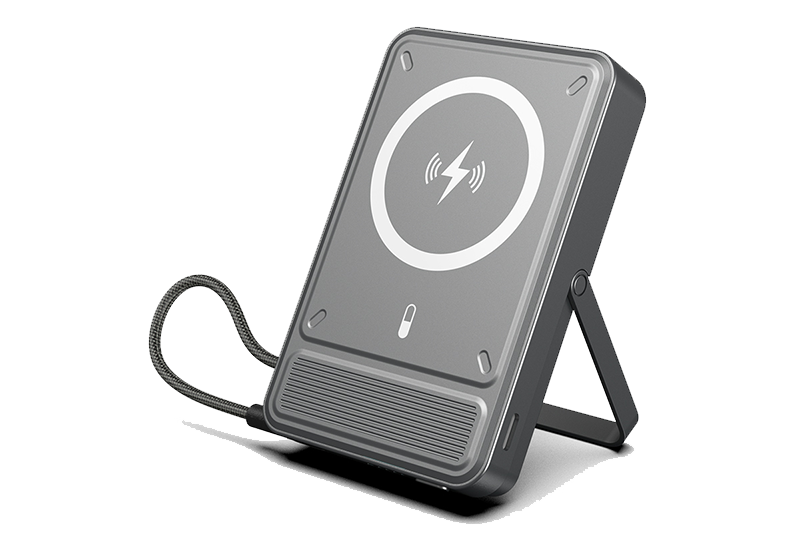 ECS-W016 45W Wireless Power Bank
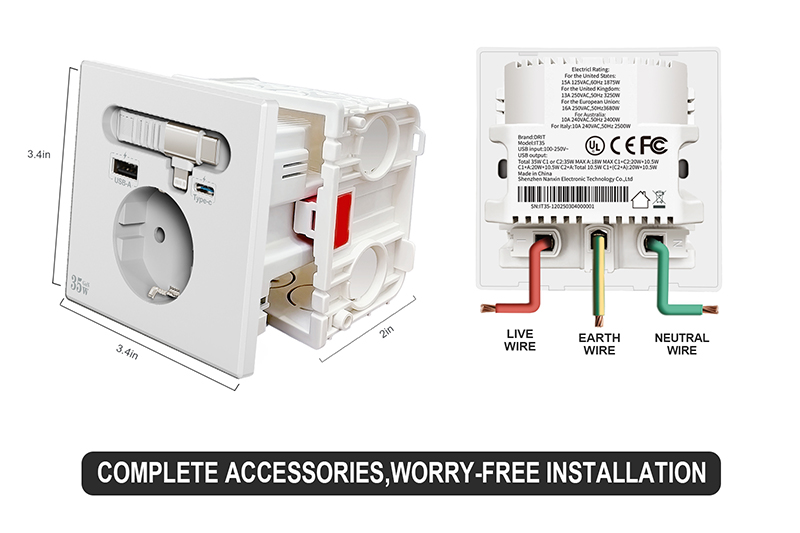 ESC-C019 Ultimate Universal 35W GaN Wall Socket
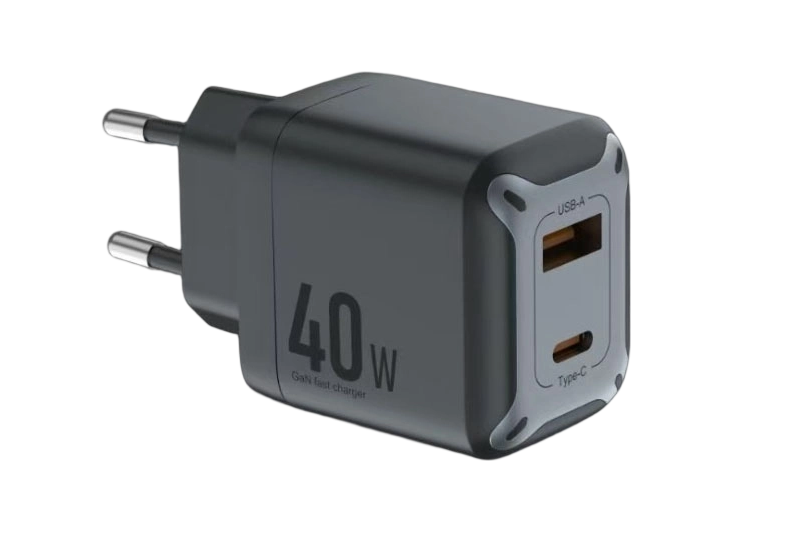 ESC-C018 Small Size 40W GaN Travel Charger
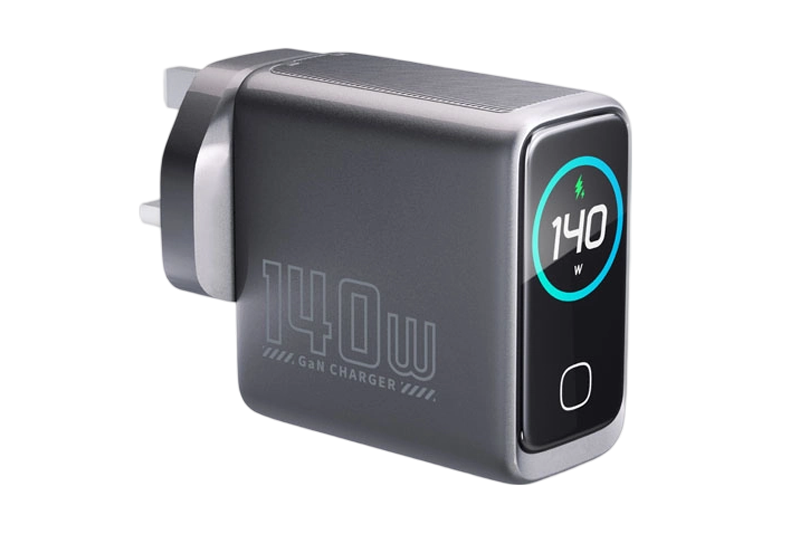 ESC-C017 140W HIGH Speed TFT Screen GaN Charger
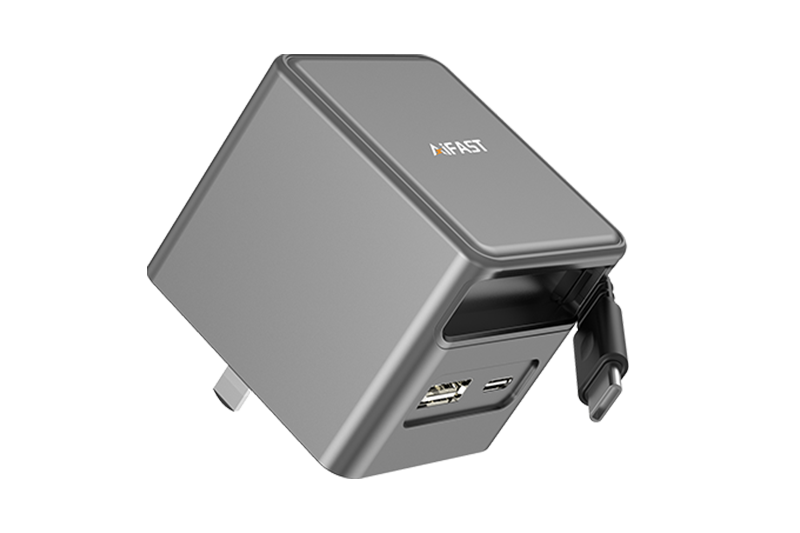 ESC-C016 65CM 65W HIGH Speed Retractable Cable GaN Charger


 Whatsapp
 Wechat