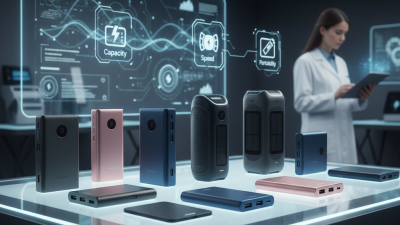
What is a Phone Power Bank and How Does It Work?
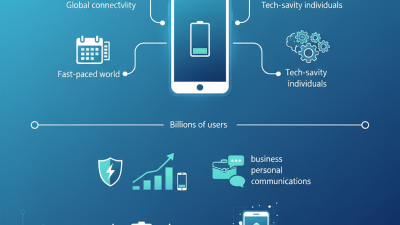
In today's fast-paced world, staying connected is essential. A Phone Power Bank serves as a lifeline for your devices. It provides portable charging solutions to keep your phone alive on the go. According to tech expert John Doe, "The Phone Power Bank has transformed how we manage our device's battery life."
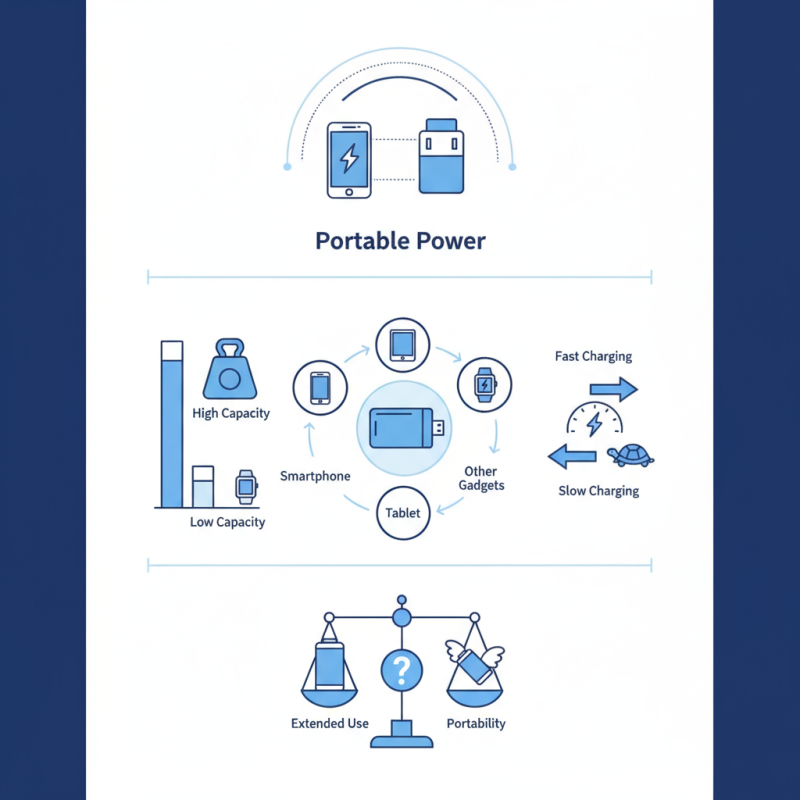
Phone Power Banks come in various sizes and capacities. They are designed to charge smartphones, tablets, and other gadgets. However, not all power banks are created equal. Some can charge devices rapidly, while others do it slowly. This variance can lead to frustration, especially when time is tight.
It is crucial to consider your power needs. A higher capacity power bank may be bigger and heavier but offers extended charging. On the other hand, a smaller one is more portable but might not last long. Does the convenience outweigh the weight? That's a question many users must ponder. Understanding the features and limitations of a Phone Power Bank can make a big difference in your daily routine.
What is a Phone Power Bank?
A phone power bank is a portable battery. It's designed to charge devices on the go. You can use it to recharge your smartphone, tablet, or other gadgets. Most power banks are compact and lightweight. This makes them easy to carry in your bag or pocket.
The working principle of a power bank is simple. Inside, there are lithium-ion or lithium-polymer batteries. When connected, the power bank transfers energy to your device. Usually, it has multiple charging ports. This allows you to charge more than one device at a time. Some models even have solar panels for an eco-friendly boost.
However, not all power banks are the same. Capacity can vary widely. Some hold enough charge for several devices, while others may only provide one or two refills. It’s also important to check the charging speed. A slow charge can be frustrating during emergencies. Additionally, cheap models may lack safety features. This can lead to overheating or damage to your devices. Always research before purchasing one.
Battery Capacity Comparison of Phone Power Banks
The Anatomy of a Phone Power Bank
A phone power bank is a portable charger that provides backup power to smartphones and tablets. Understanding its anatomy can help you choose the right one. Most power banks consist of a battery, a charging circuit, and USB ports. The battery usually uses lithium-ion technology, which is efficient and lightweight. Research by Statista indicates that the global power bank market was valued at approximately $11.3 billion in 2023.
The charging circuit regulates power flow. It ensures devices charge safely. Many power banks offer fast charging options, which can be crucial for busy users. USB ports allow for multiple devices to charge simultaneously, showcasing versatility. A well-designed power bank can have a capacity from 5,000 mAh to over 30,000 mAh. Yet, choosing the right capacity can be confusing. Oversized power banks can become cumbersome, making portability a concern.
Despite the advantages, not all power banks are created equal. Some may have subpar batteries that degrade quickly. Users should look for high-quality components to ensure longevity. According to Consumer Reports, more than 25% of power banks tested showed performance issues. Paying attention to these details can make a big difference.
How Does a Phone Power Bank Charge Devices?
A phone power bank is a portable device that stores electricity. It charges smartphones and other gadgets when needed. Most power banks use lithium-ion batteries. This type of battery is popular due to its high energy density. According to recent industry data, the global power bank market is expected to grow by 15% annually until 2026.
When you connect a device to a power bank, the energy transfers through a USB cable. The power bank’s internal battery sends electricity to the device. This process is usually fast, but it varies based on the power bank’s capacity. For example, a 10,000mAh power bank can charge a smartphone fully about two to three times. However, factors such as device compatibility and charging speeds can affect this.
Charging efficiency isn’t always perfect. Between 10% to 30% of energy can be lost during the transfer. This is due to heat and other factors. People often overlook this when purchasing power banks. It’s essential to consider the actual capacity. Some users might find their power banks underperforming. Understanding these aspects can help in choosing an effective power bank.
Types of Phone Power Banks Available on the Market
Power banks are essential gadgets for modern smartphone users. They provide an extra source of power when your phone runs low. When exploring the types of phone power banks, you’ll find various options catering to different needs.
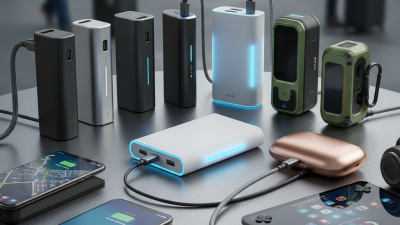
Compact power banks are popular for their size. They easily fit into pockets or bags. They typically range from 5,000 to 10,000 mAh. This is usually enough for one full charge. However, their capacity limits might not suit heavy users. Consider a larger model if you often find yourself on the go.
Solar power banks offer a unique approach. They harness sunlight to charge, making them perfect for outdoor enthusiasts. While they are eco-friendly, their efficiency depends on sunlight availability. In cloudy conditions, they might not perform as expected.
Tips: Always check the mAh rating before purchase. A higher rating means more charges for your device. Keep an eye on charging speeds. Some models charge devices faster than others. These small details can significantly enhance your experience. Power banks with additional features, like LED indicators, are often helpful.
What is a Phone Power Bank and How Does It Work? - Types of Phone Power Banks Available on the Market
| Power Bank Type |
Capacity (mAh) |
Number of Outputs |
Weight (grams) |
Charging Speed (W) |
| Standard Power Bank |
10000 |
2 |
200 |
10 |
| Fast Charging Power Bank |
20000 |
3 |
300 |
18 |
| Solar Power Bank |
15000 |
2 |
250 |
12 |
| Portable Power Station |
50000 |
4 |
2000 |
30 |
| Slim Power Bank |
8000 |
1 |
150 |
10 |
Choosing the Right Phone Power Bank for Your Needs
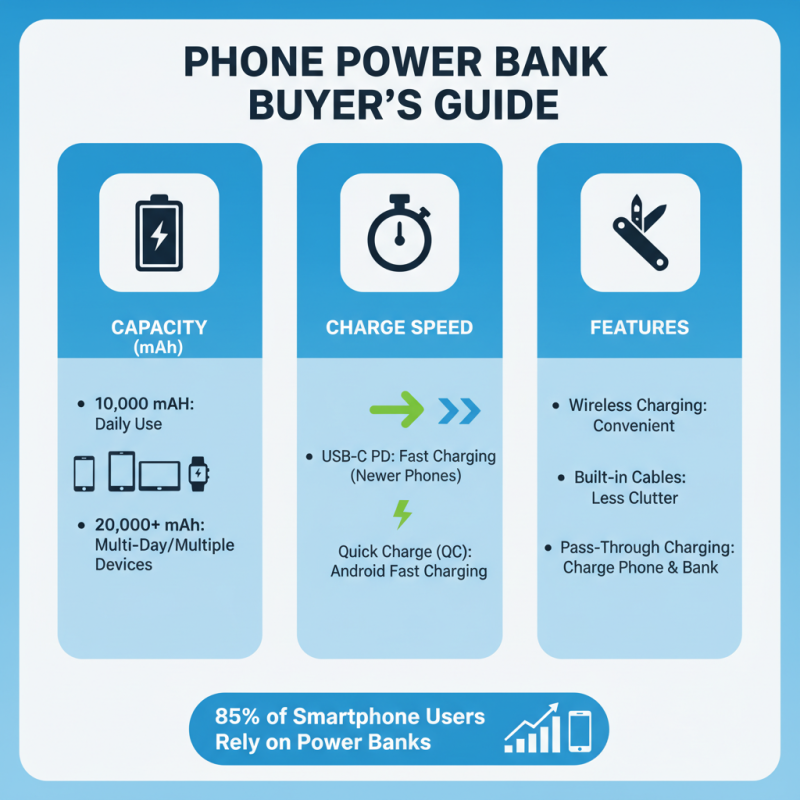
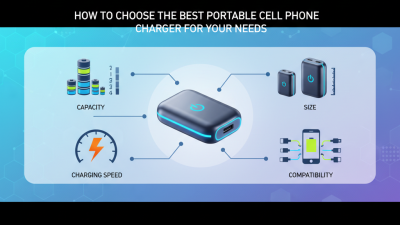
Choosing the right phone power bank can seem daunting. With many options on the market, pinpointing the best one for your needs is crucial. According to recent industry reports, around 85% of smartphone users rely on power banks to stay connected. A reliable power bank enhances convenience and ensures you never run out of battery during important moments.
Battery capacity is a key factor. Power banks typically range from 2,000mAh to 30,000mAh. A higher capacity means more charges for your devices. However, this also often leads to increased weight and size. Finding a balance is essential. Some users mistakenly choose high-capacity models without considering portability. This can hinder daily ease of use.
Charging speed is another vital aspect. Many models offer rapid charging, which can significantly reduce downtime. It’s essential to check compatibility with your device’s charging technology. Additionally, look for safety features. Overheating and short-circuiting can pose risks. A lack of attention to these details may lead to unfortunate incidents. Investing time in research can make a measurable difference.

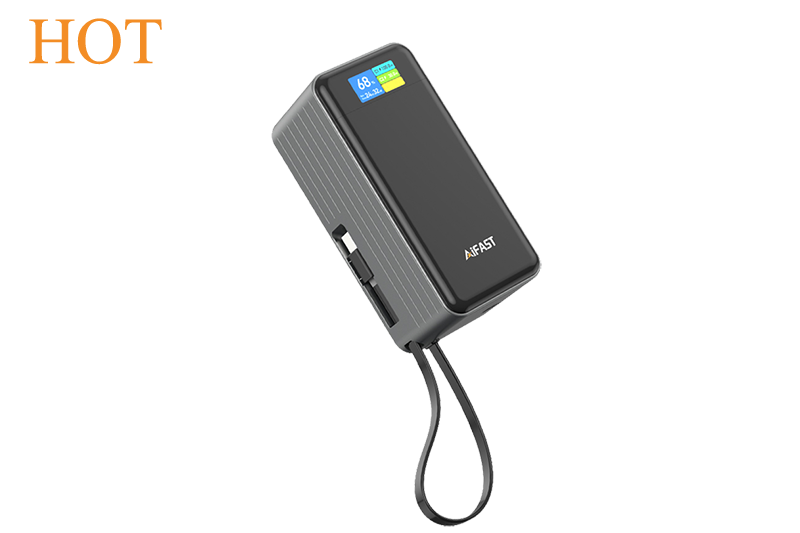 ESC-X019 65W Fast charge power bank
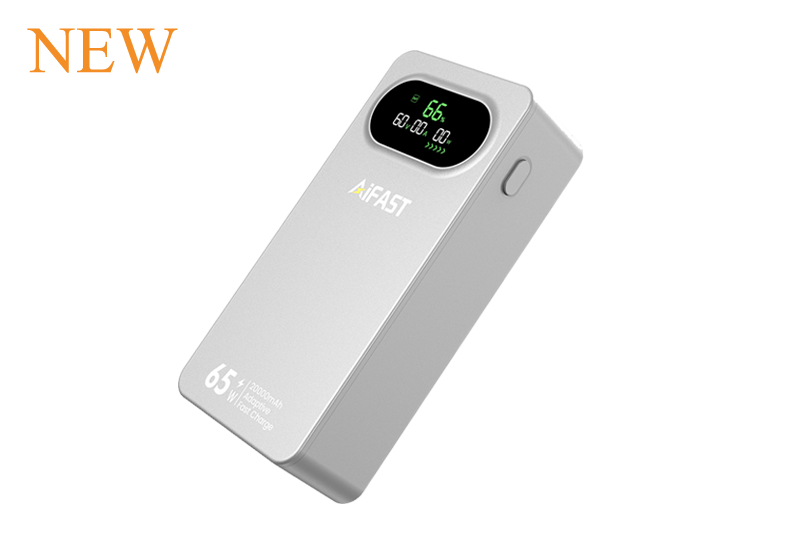 ESC-X018 65W Ultra-Fast 10000mAh Power Bank with TFT Display & Retractable Cable
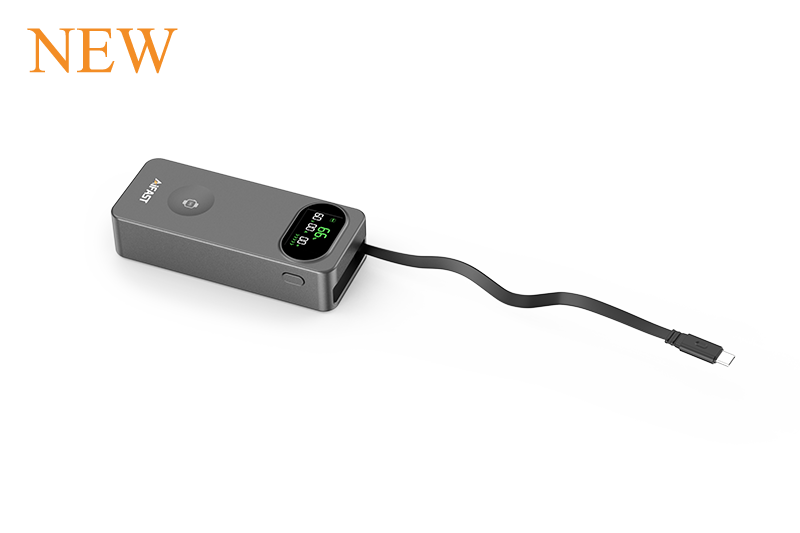 ESC-X017 65W Ultra-Fast 20000mAh Power Bank with TFT Display & Retractable Cable
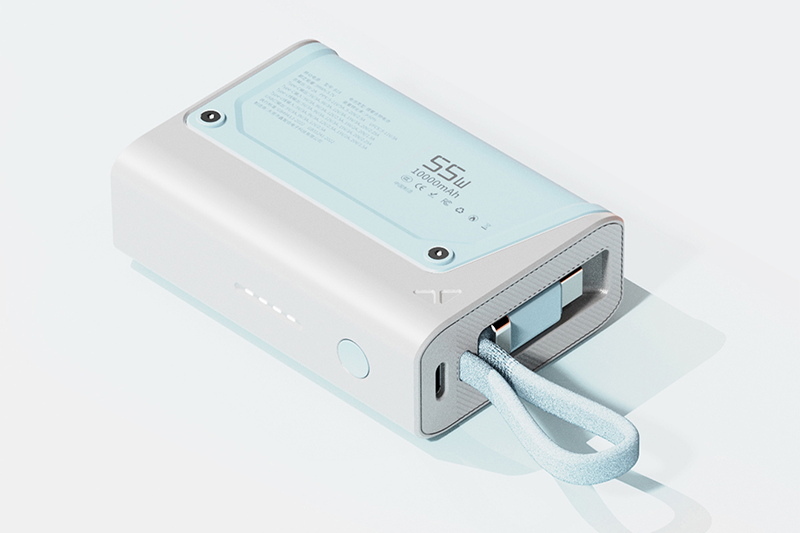 ESC-X020 10000mAh 55W Fast Charge Power Bank with cable built-in
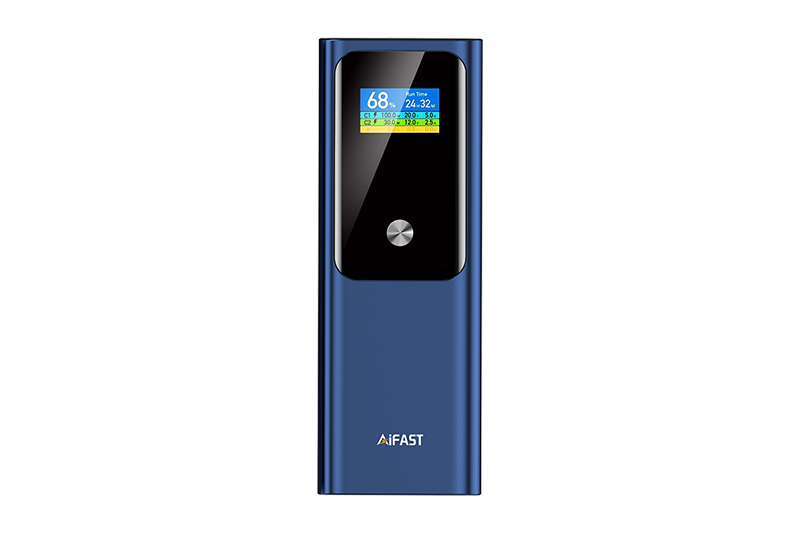 ESC-X016 120W 20000mAh Power Bank with Multi-Protocol TFT Display
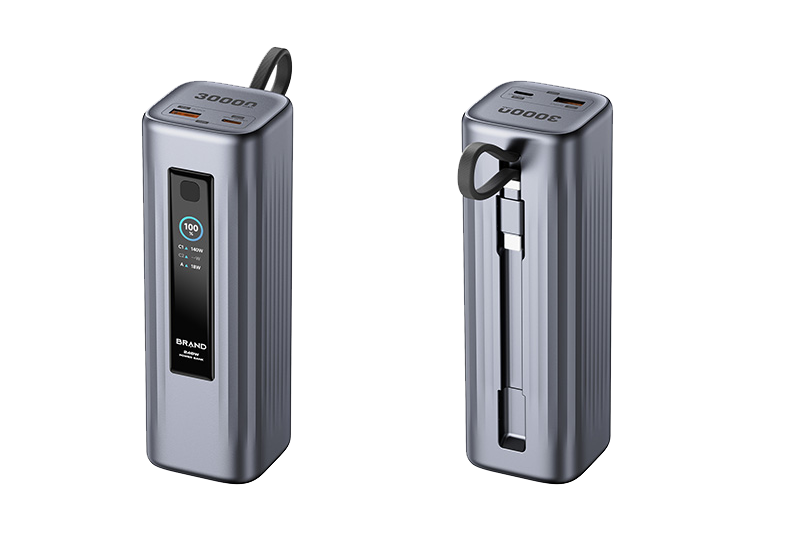 ECS-X022 145W 30,000mAh Power Bank with TFT Display & Retractable Cable
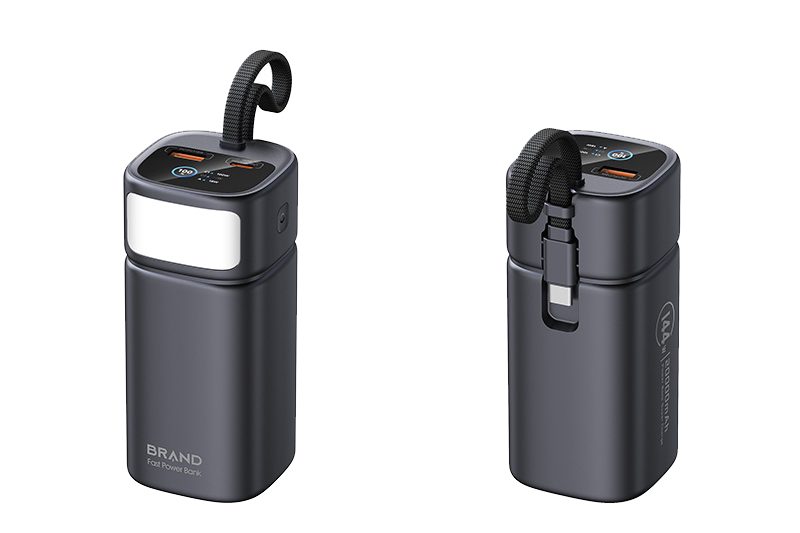 ECS-X021 100W 20,000mAh Power Bank with TFT Display & Retractable Cable
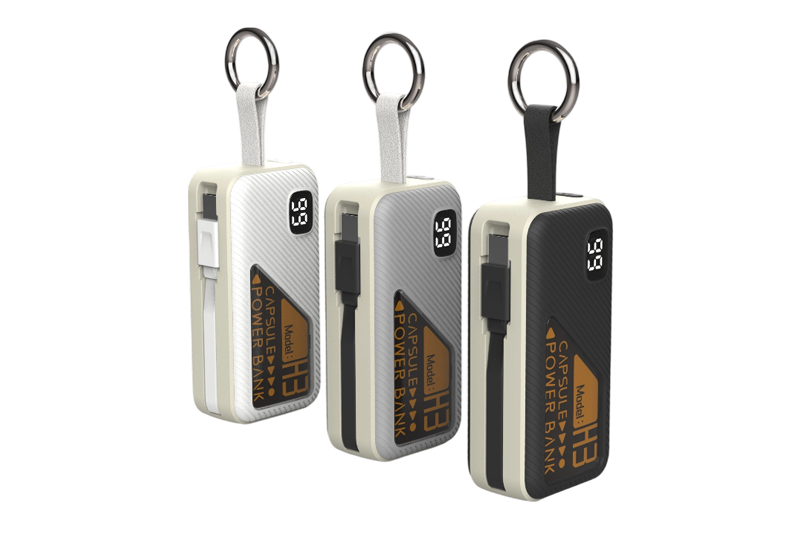 ESC-X023 20W Fast Charging Capsule Power Bank
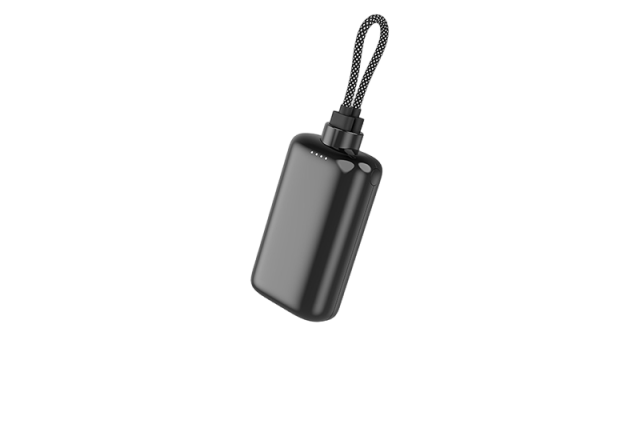 ESC-X024 22.5W 10,000mAh Fast Charging Power Bank
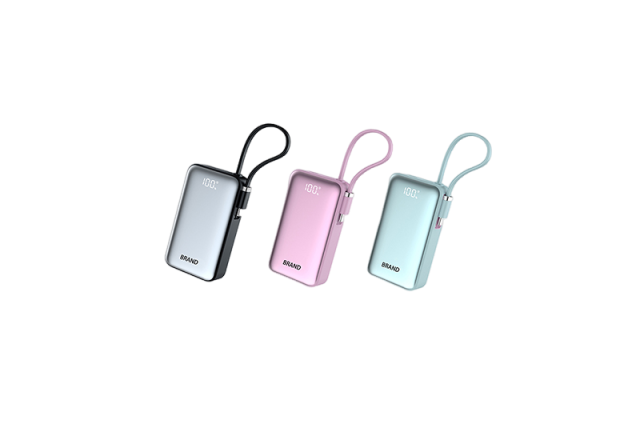 ESC-X025 22.5W Built-in Cable Portable Power Bank
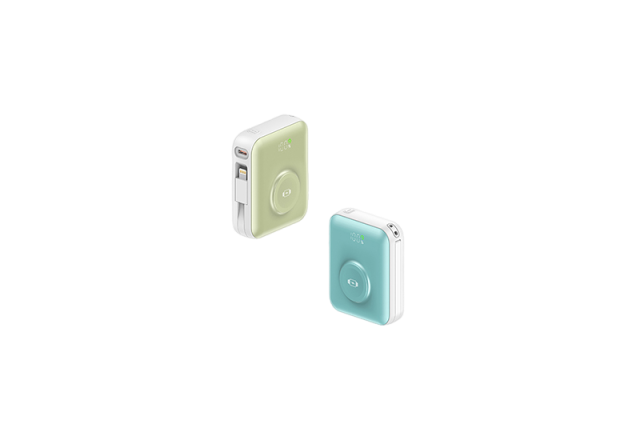 ESC-X026 22.5W 10000mAh Wireless Mini Size Power Bank
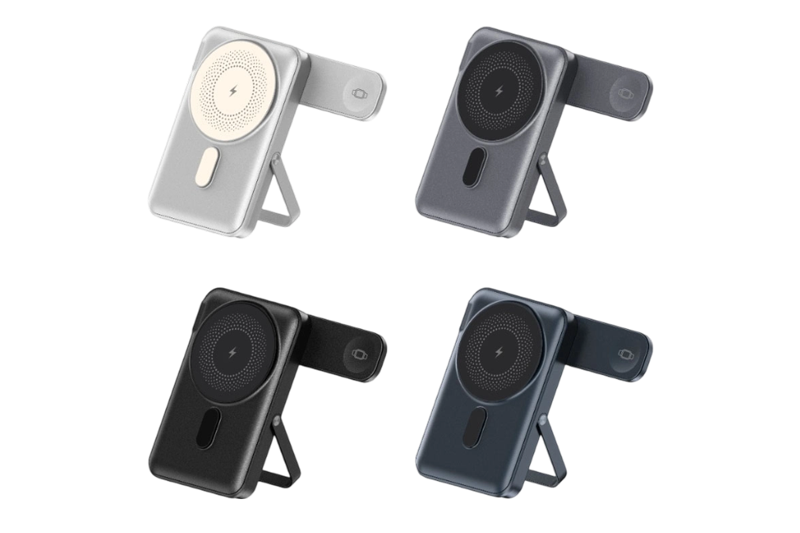 ESC-W018 3-in-1 MagSafe-Style Wireless Charging Stand
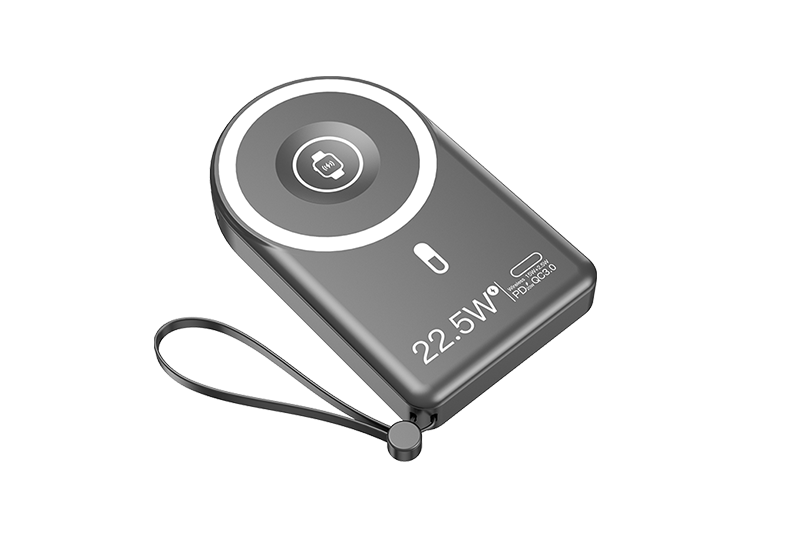 ESC-W017 5000mAh Wireless Ultimate All-in-One Power Solution for Samsung & iPhone Users
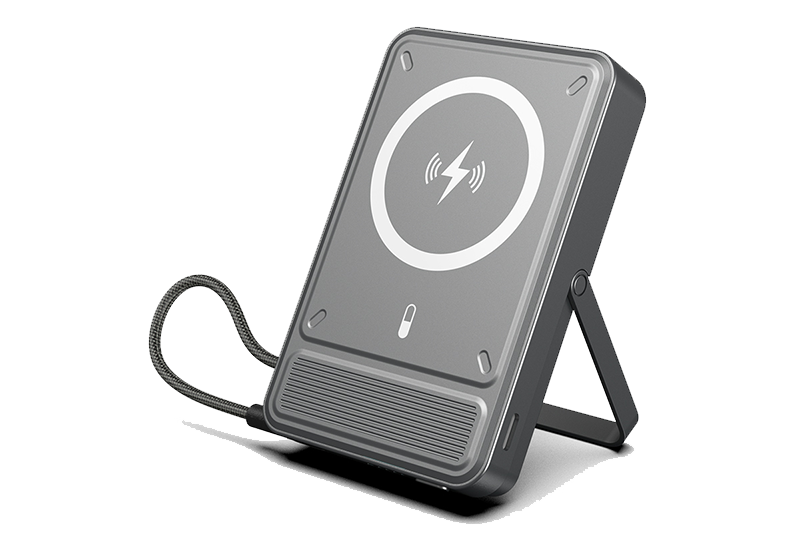 ECS-W016 45W Wireless Power Bank
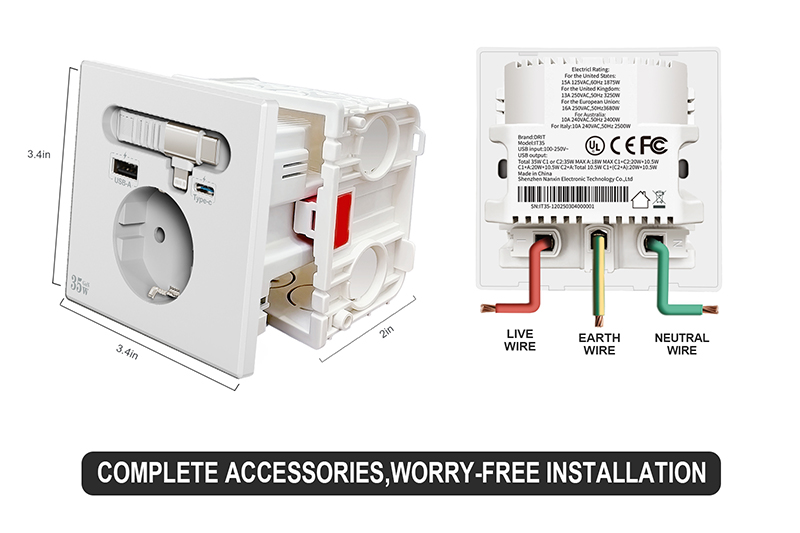 ESC-C019 Ultimate Universal 35W GaN Wall Socket
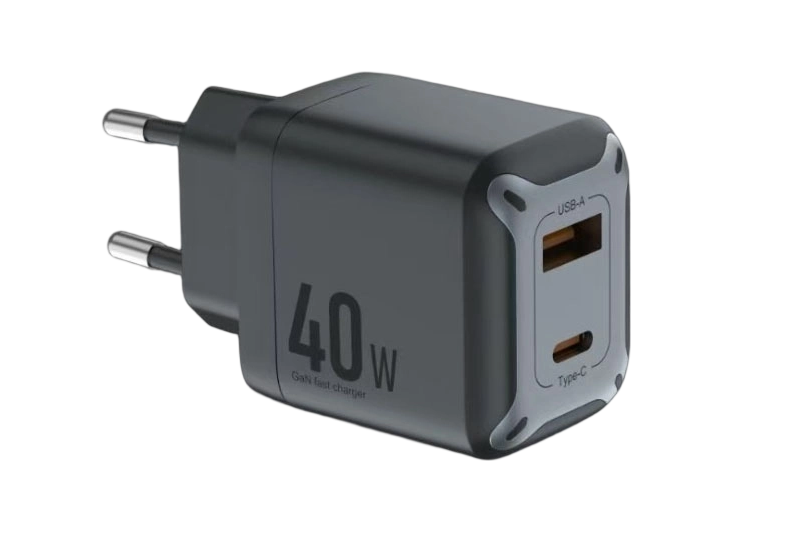 ESC-C018 Small Size 40W GaN Travel Charger
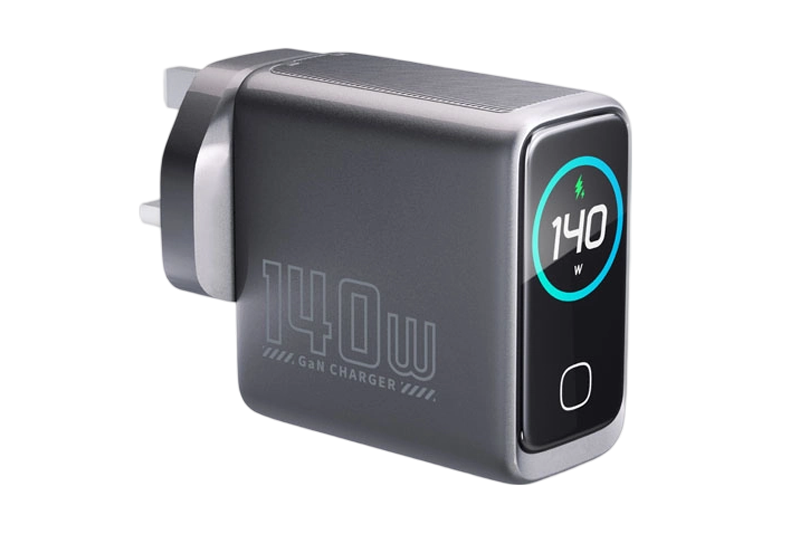 ESC-C017 140W HIGH Speed TFT Screen GaN Charger
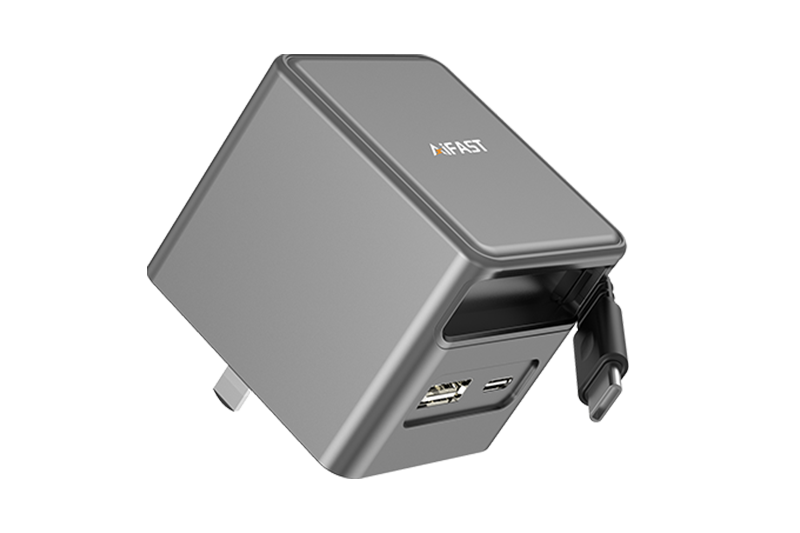 ESC-C016 65CM 65W HIGH Speed Retractable Cable GaN Charger


 Whatsapp
 Wechat