Using innovative technology to change our lives and become the leader in super fast charging >>>>

Leave Your Message

2026 How to Choose the Best High Speed Charger for Your Devices?

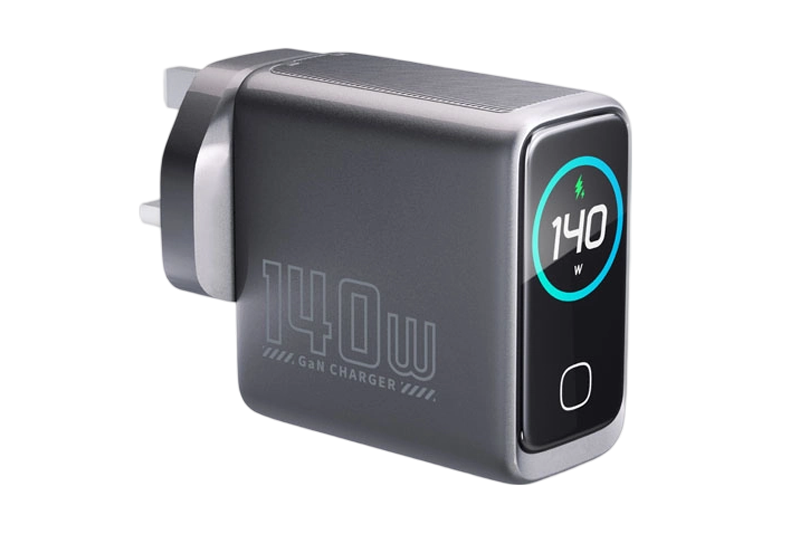
In today’s fast-paced world, owning a High Speed Charger is essential. These chargers can significantly reduce the time needed to power up your devices. Imagine charging your smartphone in just 30 minutes instead of hours. This efficiency can greatly enhance your productivity.

However, selecting the right High Speed Charger can be confusing. Many brands claim to be the best, but not all deliver on their promises. You may find some chargers heat up quickly or fail to recognize your device’s requirements. It’s crucial to consider compatibility, wattage, and safety features when making your choice.

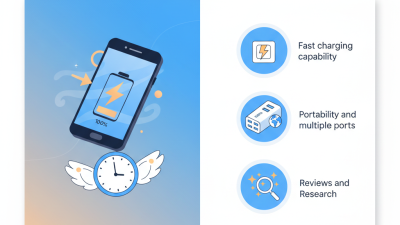
While it’s easy to get drawn in by flashy marketing, not all high-speed options are created equal. Reading real user reviews can offer insights that spec sheets can’t provide. Additionally, think about your charging habits: Do you need a portable option or a stationary one? Understanding your needs will help ensure you choose wisely.

2026 How to Choose the Best High Speed Charger for Your Devices?

Understanding High Speed Chargers: What You Need to Know

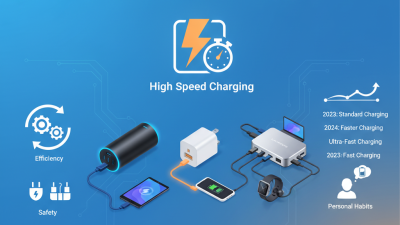
High-speed chargers have revolutionized how we power our devices. Understanding the essential features of these chargers is crucial. Look for power output measured in watts. A higher wattage typically means faster charging. However, compatibility with your device is also critical. Not all devices support high-speed charging, and using an incompatible charger can lead to issues.

Consider the charging cable as well. Not every cable can handle high speeds. Look for cables labeled as fast-charge compatible. Also, pay attention to safety features. Some chargers are equipped with mechanisms that prevent overheating or overcharging. This can protect your device from potential damage.

It's worth noting that not all high-speed chargers are created equal. Some may claim to be fast but deliver inconsistent results. Always read reviews and check specifications. A smart choice involves looking beyond fancy marketing. Reflect on your charging habits and assess what you truly need. This will help you avoid impulse purchases that may not serve your devices well.

High Speed Charger Comparison (2026)

Key Features to Look for in a High Speed Charger

When choosing a high-speed charger, several key features should guide your decision. Power delivery (PD) technology can charge many devices faster. According to industry reports, chargers with PD can deliver up to 100W of power. This is particularly beneficial for laptops and tablets, making them less reliant on slow charging options.

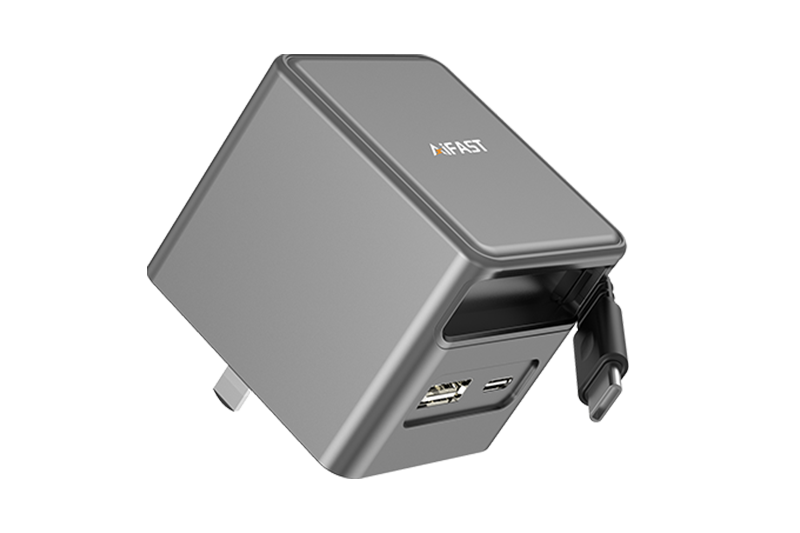
In addition, the number of ports can significantly affect your charging experience. Multi-port chargers can benefit users with several devices. A recent study revealed that consumers prefer chargers allowing simultaneous charging of at least two devices.

Cable compatibility is another detail to consider. Using the right cables ensures optimal speed and efficiency. Some chargers may not be compatible with certain cables, leading to subpar charging speeds.

Safety features are non-negotiable in a high-speed charger.

Look for models with over-current protection, short-circuit prevention, and temperature control. Reports suggest that 30% of users have encountered issues with chargers lacking these features. While the latest technology is appealing, it’s essential to consider long-term usability and safety before making a decision.

Compatibility with Devices: Ensuring Optimal Charging

When choosing a high-speed charger, compatibility with your devices is crucial. Different devices require specific voltage and amperage levels. According to industry reports, nearly 70% of users experience charging issues due to mismatched specifications. This can lead to slower charging times or, worse, damage to the devices.

Verify your device's requirements before purchasing. Many modern devices support fast charging protocols, but not all chargers do. For instance, a charger rated at 20W may not work well with a device that supports 30W. Look for chargers that clearly state their specifications. Understanding these numbers can save you time and money.

Tip: Always check the power output before buying. Ensure that the charger matches or exceeds your device's needs. Keep an eye out for compatibility lists, which can simplify your decision-making.

Some chargers claim to be universal but may fall short in real-world usage. User reviews often highlight these discrepancies. It’s worthwhile to research customer experiences alongside technical data. Being informed can prevent future frustration. Take time to choose wisely, as the right charger enhances your device experience.

2026 How to Choose the Best High Speed Charger for Your Devices? - Compatibility with Devices: Ensuring Optimal Charging

Device Type Charging Standard Max Output (W) Compatible Devices Notes
Smartphone Quick Charge 3.0 18W Most Android Phones Fast charging capability, generally compatible with various brands.
Tablet USB Power Delivery 30W iPad Pro, Various Android Tablets Provide rapid charging for larger devices.
Laptop USB Power Delivery 65W USB-C Enabled Laptops Suitable for newer laptops equipped with USB-C ports.
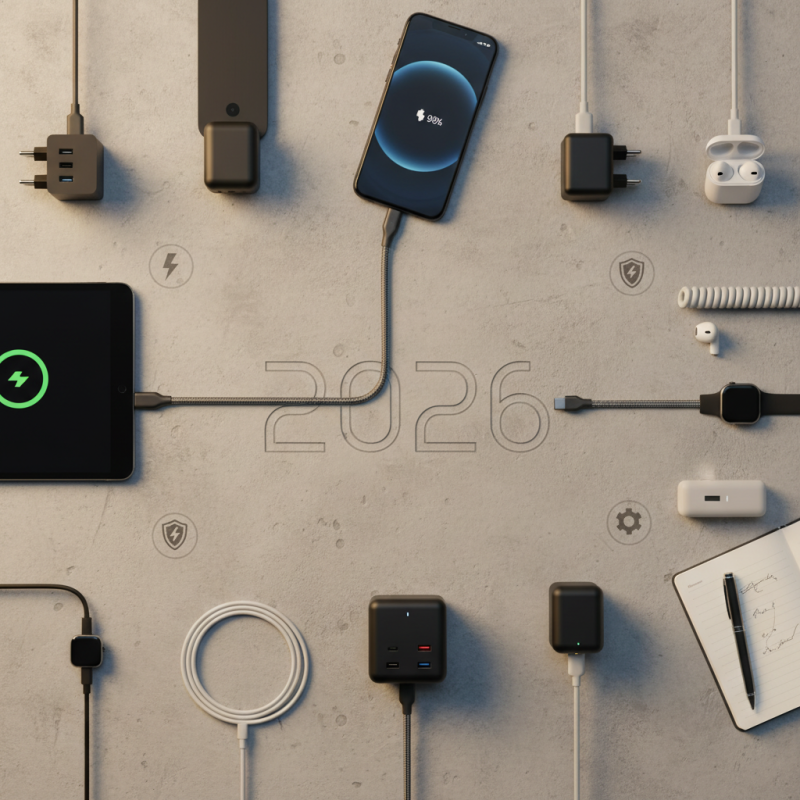
Wireless Earbuds Qi Wireless Charging 5W Most Wireless Earbuds Convenient for daily use, easy to charge without cables.
Smartwatch Magnetic Charging 5W Most Smartwatches Usually requires specific chargers for each brand.

Safety Considerations When Selecting a Charger

2026 How to Choose the Best High Speed Charger for Your Devices?

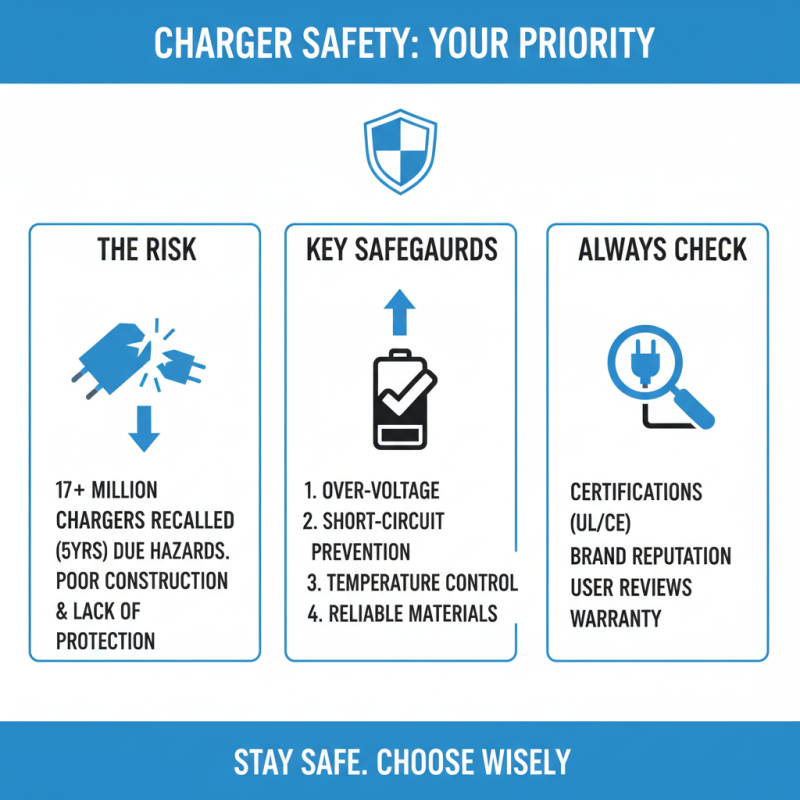
When selecting a high-speed charger, safety should be a top priority. Reports indicate that over 17 million chargers were recalled in the past five years due to safety hazards. Many of these issues stem from poor construction and lack of protection features. Always check that the charger has necessary safeguards like over-voltage protection and short-circuit prevention.

Tips: Look for certifications from recognized standards organizations. This can ensure a higher level of safety during usage. A charger without these certifications may save you money, but at what risk?

Another critical factor is heat dissipation. High-speed charging generates heat. Some chargers may overheat, leading to potential fires. Studies show that nearly 30% of charging fires occur due to overheating issues.

Tips: Choose chargers with a robust casing and ventilation features. Avoid using damaged cables as they can exacerbate heat problems and pose serious risks. Always keep an eye on charging devices during use; don't leave them unattended.

Comparing Different Types of High Speed Chargers

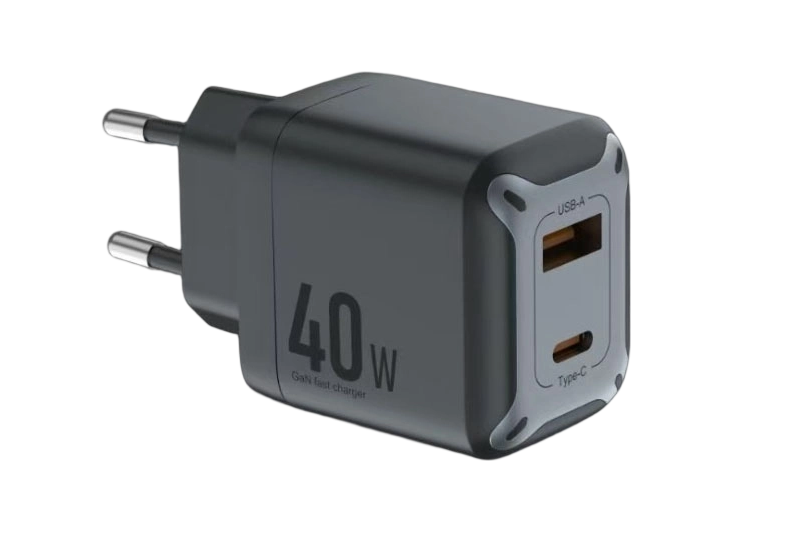
When comparing different types of high-speed chargers, understanding the options is crucial. USB-C chargers are gaining popularity. They often support fast charging protocols. With the right cable, they can power a range of devices quickly. However, not all USB-C chargers are created equal. Some may not provide the necessary wattage for certain devices.

Another contender is the Qualcomm Quick Charge standard. This technology allows devices to charge faster than conventional chargers. It dynamically adjusts power levels based on device needs. However, devices must support this tech to benefit. Users may find this feature absent in some older devices.

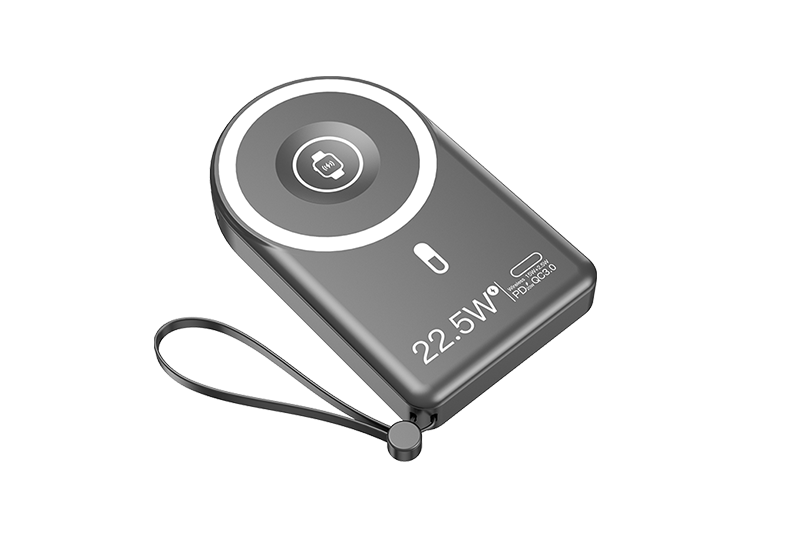
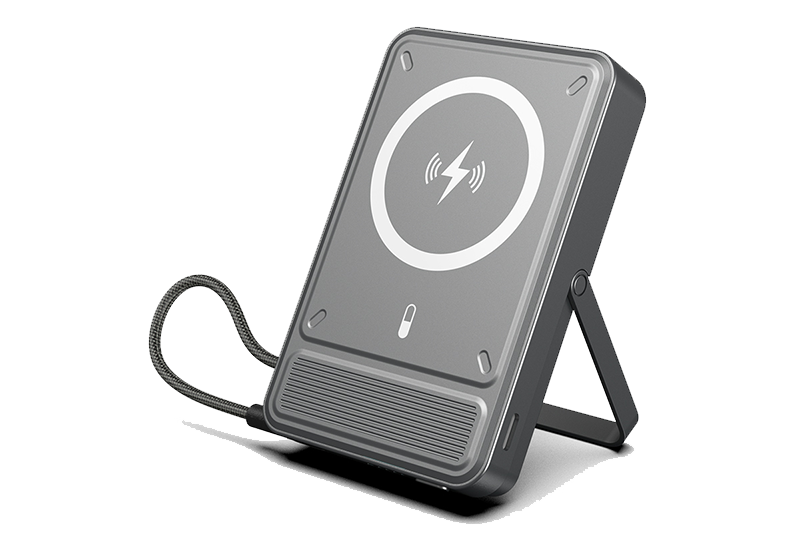
Wireless chargers have their convenience, but they often fall short in speed. They require a compatible device and may not deliver the same power. Users sometimes complain about slow charging rates. It's easy to overlook compatibility. Always check if your device can utilize a charger’s full potential. Keep in mind, the quest for the perfect charger can lead to frustration. Many devices have specific requirements, making trials necessary.