What is a High Speed Charger and How Does it Work?
In today's fast-paced world, charging devices quickly is essential. A High Speed Charger can significantly reduce charging time, making it increasingly popular. Expert Jamie Collins, a leading figure in the charging technology sector, once stated, "A High Speed Charger transforms how we use our devices." His words underscore the vital role these chargers play in our daily lives.
High Speed Chargers utilize advanced technology to increase power output. They adapt voltage and current levels in real-time, ensuring efficient energy transfer. However, not all devices can handle fast charging. Users need to check compatibility to avoid damage. It’s important to consider that efficiency often comes with risks. Overheating can occur if not monitored properly.
People often overlook the significance of authentic chargers. Cheap imitations may provide speed but compromise safety. Investing in a reliable High Speed Charger is crucial. It ensures optimal performance while protecting your devices. Balancing speed and safety is a constant challenge, requiring thoughtful choices and awareness.
What Defines a High Speed Charger?
A high-speed charger is a device designed to provide a faster method of charging electronic devices. It uses advanced technology to increase the voltage and current delivered to the battery. But what really defines a high-speed charger?
Typically, a high-speed charger has a higher wattage rating. This means it can charge devices faster. For example, a standard charger might deliver 5 watts. In contrast, a high-speed charger could deliver 18 watts or more. This increase in power allows devices to reach full charge much quicker.
When choosing a charger, consider your device's compatibility. Not all devices can handle high-speed charging. Check the specifications before connecting. Using an incompatible charger might harm your battery over time.
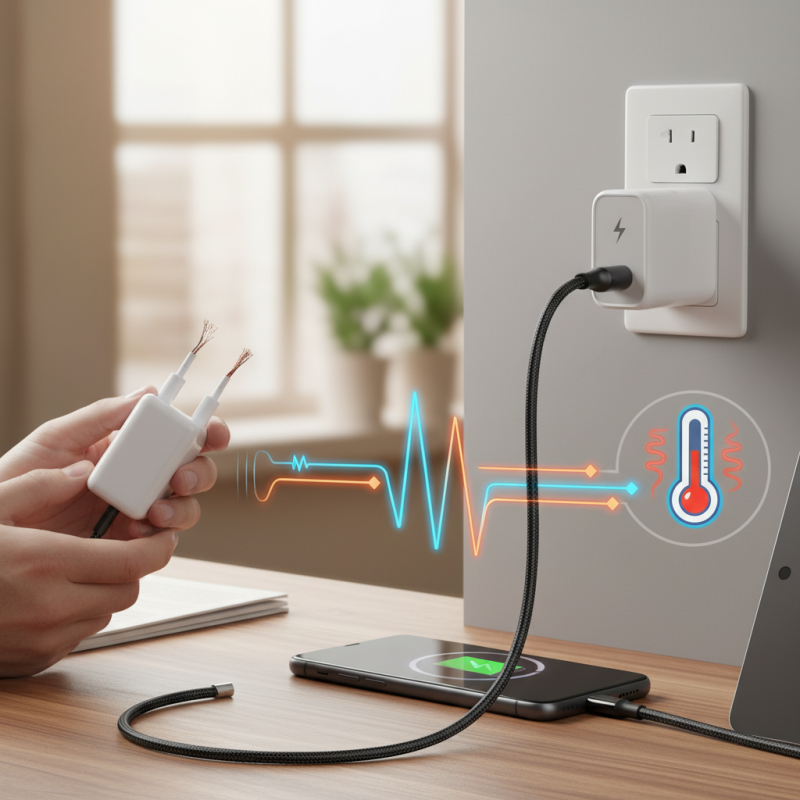
Remember, heat can be an issue. High-speed charging generates more heat than standard charging. Make sure the charger is well-ventilated and not covered while in use.
Tips: Regularly inspect the charger for any wear and tear. A damaged charger can compromise performance. Always use a certified charging cable to ensure safety and effectiveness.
The Technology Behind High Speed Charging
High speed chargers are revolutionizing the way we power our devices. They utilize advanced technology to deliver electricity more efficiently, significantly reducing charging time. Current technological standards, like USB Power Delivery, can supply up to 100 watts. This enables a smartphone to charge fully within 30 minutes, an impressive feat.
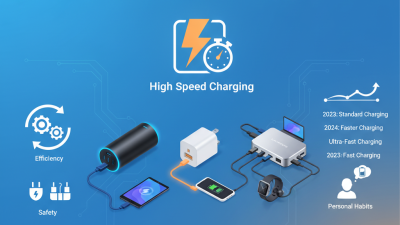
The mechanics behind high speed charging involve increased voltage and current levels. By using smart communication protocols, chargers determine optimal power delivery to devices. Reports indicate that high speed charging can improve energy transfer efficiency by up to 80%. However, not all devices can support such speeds; compatibility issues often arise. Users may find their device overheats if it cannot handle the rapid input.
Tips: Always check your device specifications for optimal charging capabilities. Avoid using non-certified accessories, as they may pose risks. Additionally, consider monitoring your device temperature during charging; it can indicate if the charger works well with your hardware.
High Speed Charger Efficiency Comparison
How High Speed Chargers Work: A Step-by-Step Guide
High-speed chargers are essential in today's fast-paced world. They can significantly reduce charging times compared to standard chargers. Understanding how they work is crucial for optimizing your device's battery life.
High-speed chargers use advanced technology to increase the flow of electricity. They typically employ USB-C, which can carry higher power levels. According to recent industry reports, these chargers can provide up to 100 watts. This applies to larger devices, like laptops, as well as smartphones. The key is the communication between the charger and the device, allowing for optimal charging speed.
Tip: Always ensure your device is compatible with a high-speed charger. Not all devices can handle increased voltage, which may lead to overheating or damage.
The mechanism involves voltage and current adjustments. When plugged in, the charger negotiates with the device to determine the maximum safe current. Studies show that higher power delivery can cut charging times by up to 70%. Yet, it's important to monitor your device's temperature. Excess heat can shorten battery lifespan.
Tip: Avoid using your device while charging with a high-speed charger. This can generate extra heat and affect overall performance. Keep an eye on battery health to ensure longevity.
Comparing High Speed Chargers to Standard Chargers
High-speed chargers have changed how we power our devices. Unlike standard chargers, which typically offer 5-10 watts, high-speed models can provide over 20 watts. This significant difference allows devices to charge much faster. According to a recent industry report, high-speed charging can reduce charging time by up to 70%. That’s a compelling reason for many users to consider upgrading their charging accessories.
However, the benefits of high-speed chargers come with some caveats. Not all devices support high-speed charging. For example, a standard smartphone may not leverage the increased power. This can lead to confusion and frustration for users. Moreover, using an incompatible charger can potentially harm the device's battery life. It's worth noting that not every cable can handle the higher wattages. Investing in a high-speed charger may require ensuring that all components in the charging setup are equally capable.
In contrast, standard chargers offer a more reliable, albeit slower, charging option. They usually generate less heat. A research review highlighted that lower temperatures are better for battery longevity. Users must weigh speed against safety and longevity when choosing between these two types of chargers. While high-speed chargers are convenient, they aren't without risks.
What is a High Speed Charger and How Does it Work? - Comparing High Speed Chargers to Standard Chargers
| Feature |
High Speed Charger |
Standard Charger |
| Charging Speed |
Up to 100W |
5W to 20W |
| Charging Time |
30 minutes to 90% charge |
2 to 6 hours |
| Compatibility |
USB-C, Quick Charge |
USB-A |
| Heat Management |
Advanced thermal management |
Basic heat dissipation |
| Cost |
$25 - $150 |
$5 - $30 |
Benefits and Limitations of Using High Speed Chargers
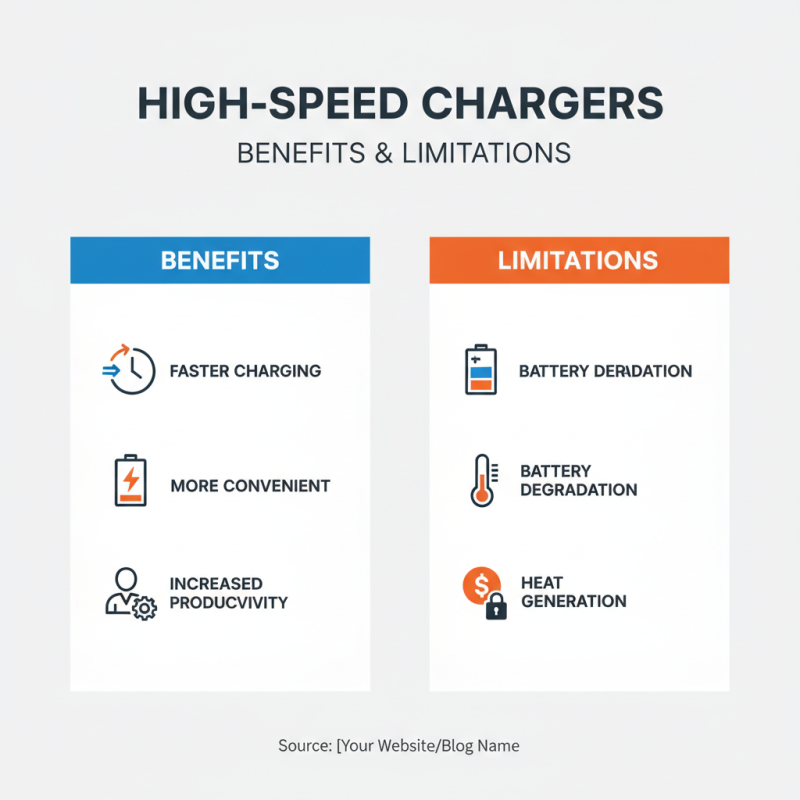
High-speed chargers have gained popularity due to their efficiency. They significantly reduce the time it takes to charge devices, allowing users to be more productive. One of the main benefits is convenience. A quick charge can give your phone a few hours of use in just minutes. This feature is especially useful for busy individuals who rely on their devices throughout the day.
However, using high-speed chargers comes with limitations. They can generate more heat, which may affect battery lifespan. Exposure to higher temperatures might degrade battery health over time. Additionally, not all devices are designed for high-speed charging. Using an incompatible charger can lead to slower charging or even damage the device.
Moreover, users must consider the quality of the charger. Cheaper options may not provide the same safety features as reputable chargers. This inconsistency raises concerns about reliability. Users should reflect on their charging habits and understand when high-speed charging is truly necessary. It's essential to weigh the benefits against potential long-term effects on battery health.

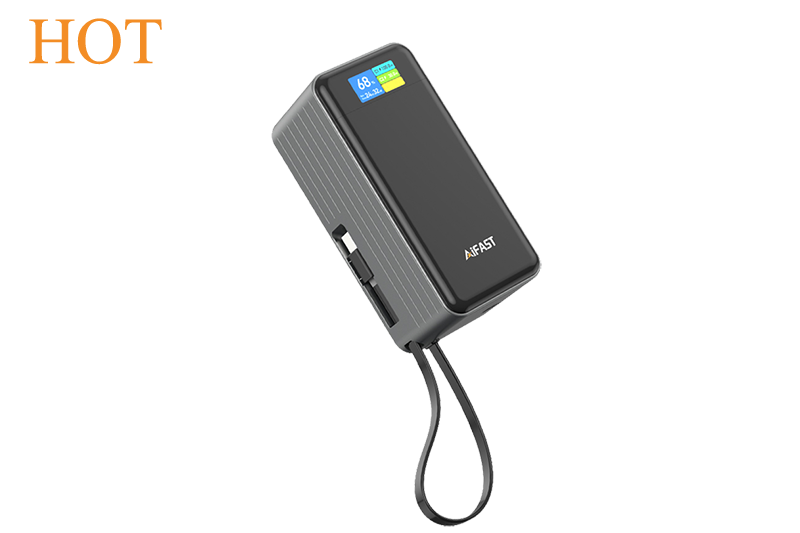 ESC-X019 65W Fast charge power bank
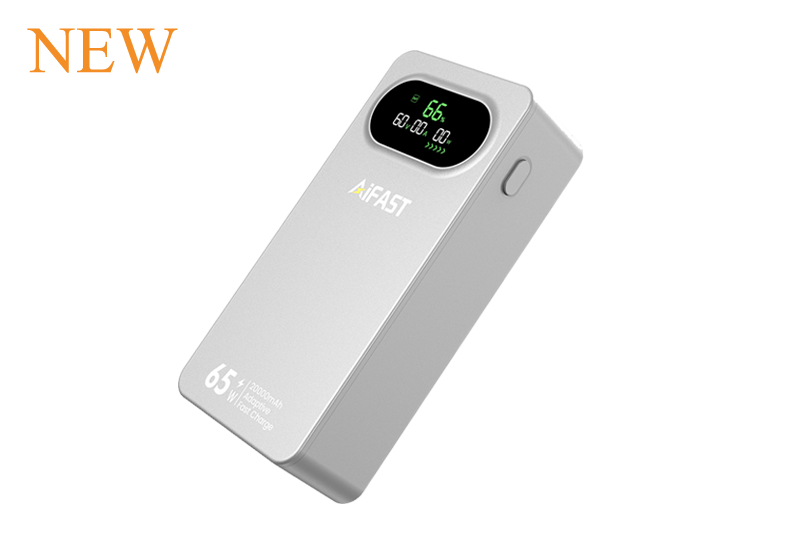 ESC-X018 65W Ultra-Fast 10000mAh Power Bank with TFT Display & Retractable Cable
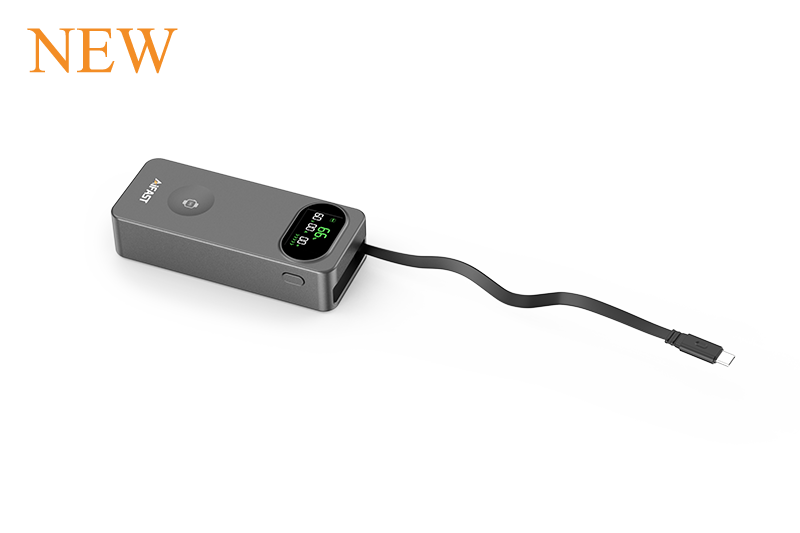 ESC-X017 65W Ultra-Fast 20000mAh Power Bank with TFT Display & Retractable Cable
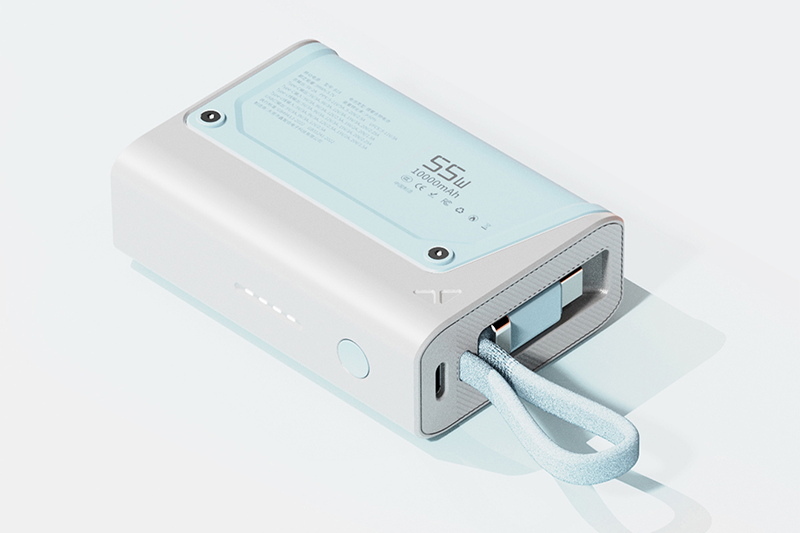 ESC-X020 10000mAh 55W Fast Charge Power Bank with cable built-in
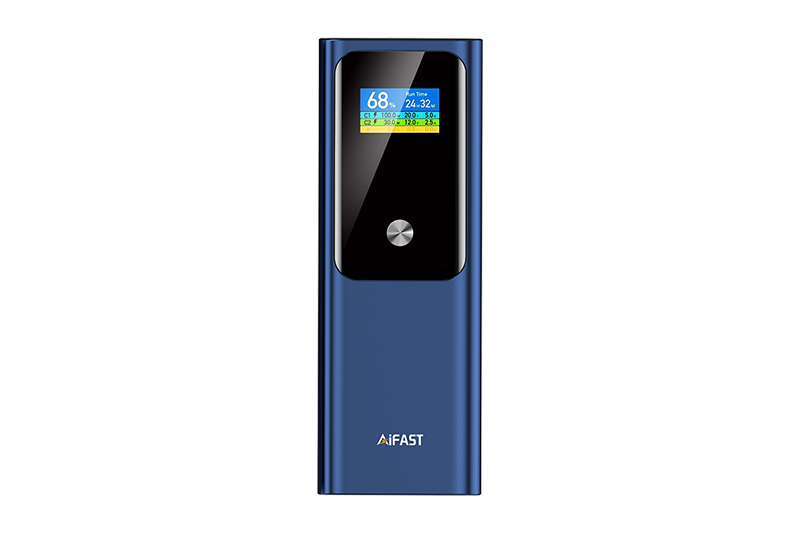 ESC-X016 120W 20000mAh Power Bank with Multi-Protocol TFT Display
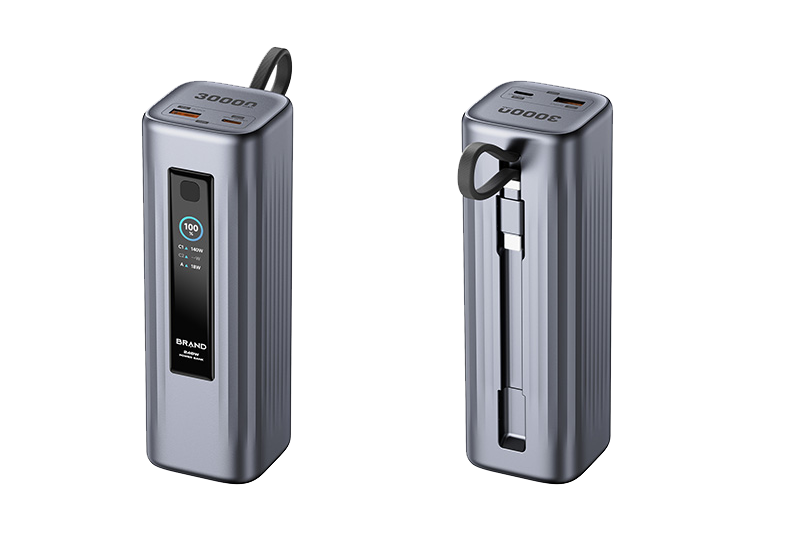 ECS-X022 145W 30,000mAh Power Bank with TFT Display & Retractable Cable
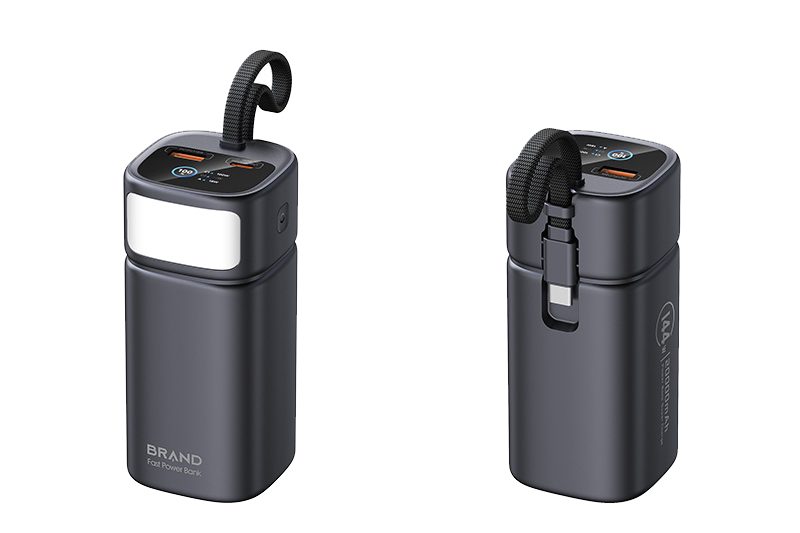 ECS-X021 100W 20,000mAh Power Bank with TFT Display & Retractable Cable
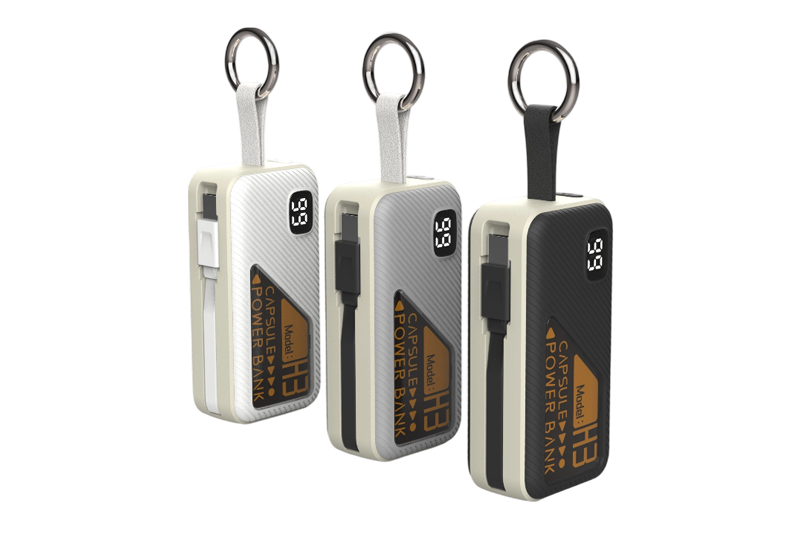 ESC-X023 20W Fast Charging Capsule Power Bank
 ESC-X024 22.5W 10,000mAh Fast Charging Power Bank
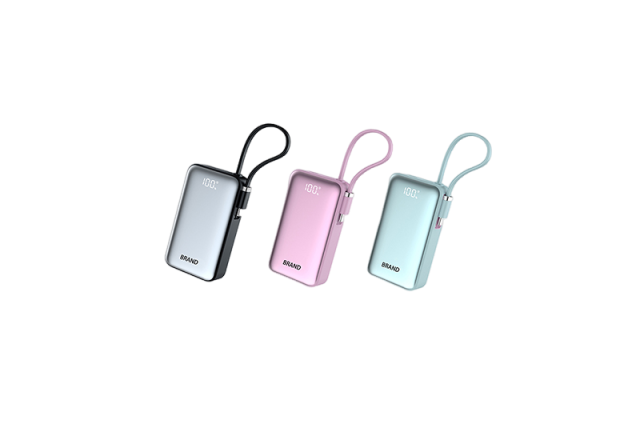 ESC-X025 22.5W Built-in Cable Portable Power Bank
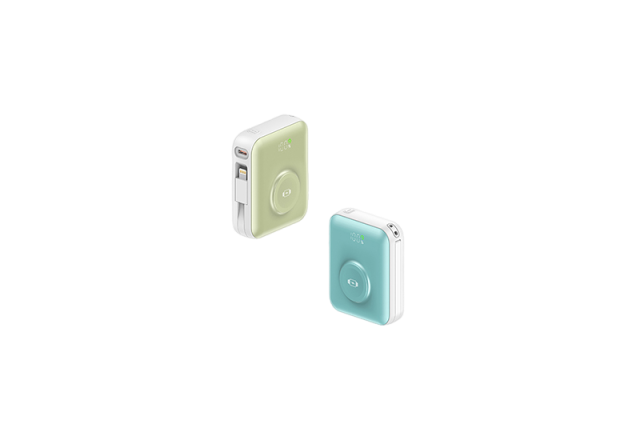 ESC-X026 22.5W 10000mAh Wireless Mini Size Power Bank
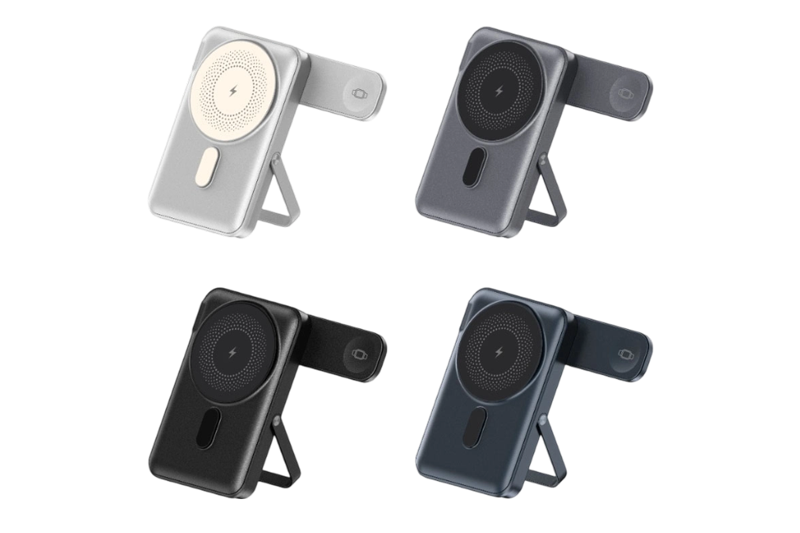 ESC-W018 3-in-1 MagSafe-Style Wireless Charging Stand
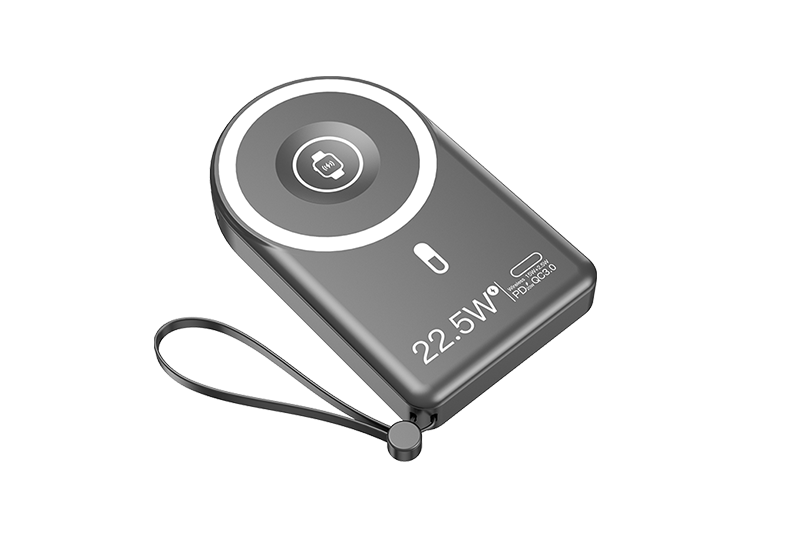 ESC-W017 5000mAh Wireless Ultimate All-in-One Power Solution for Samsung & iPhone Users
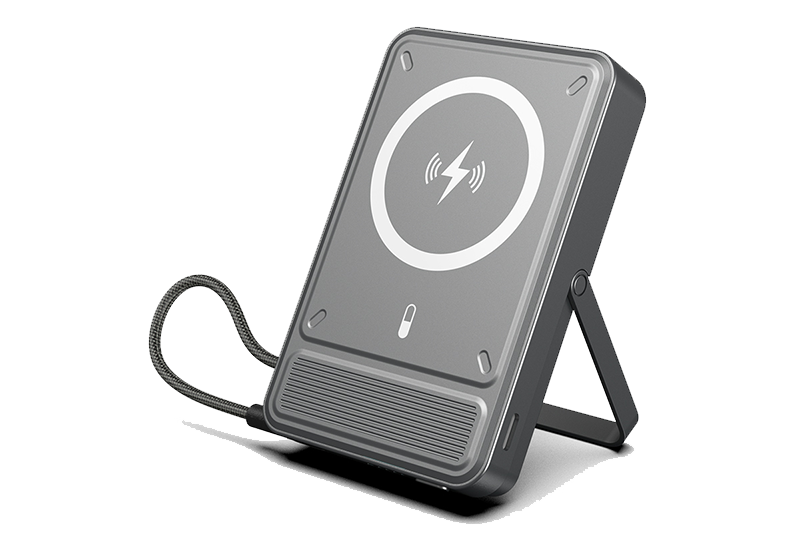 ECS-W016 45W Wireless Power Bank
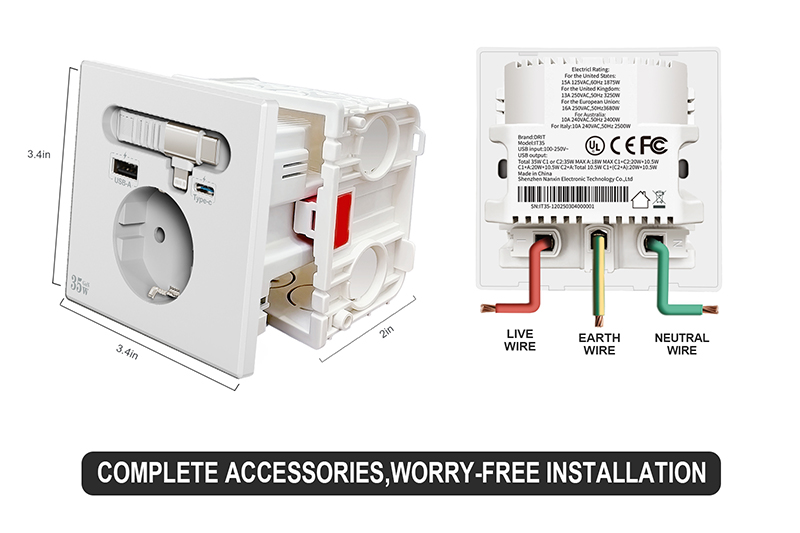 ESC-C019 Ultimate Universal 35W GaN Wall Socket
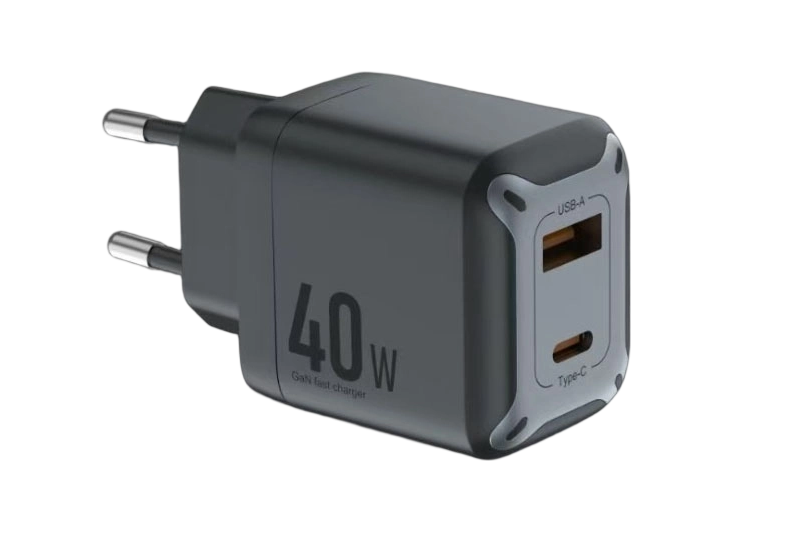 ESC-C018 Small Size 40W GaN Travel Charger
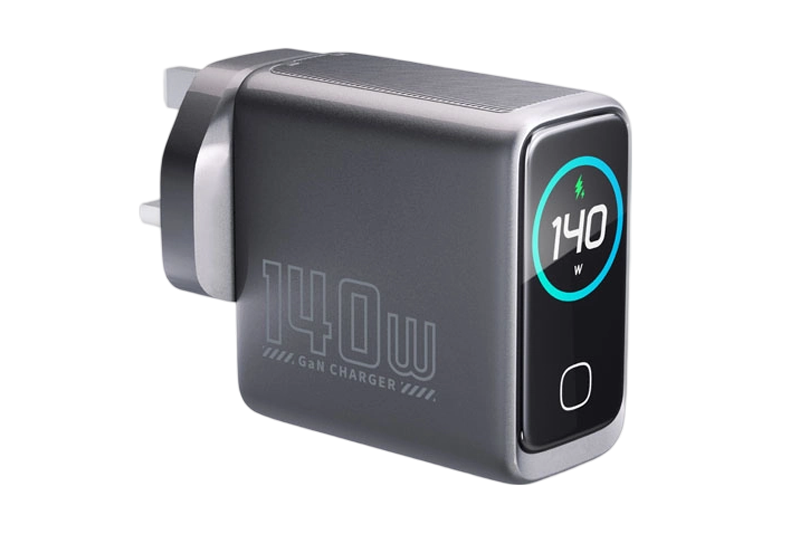 ESC-C017 140W HIGH Speed TFT Screen GaN Charger
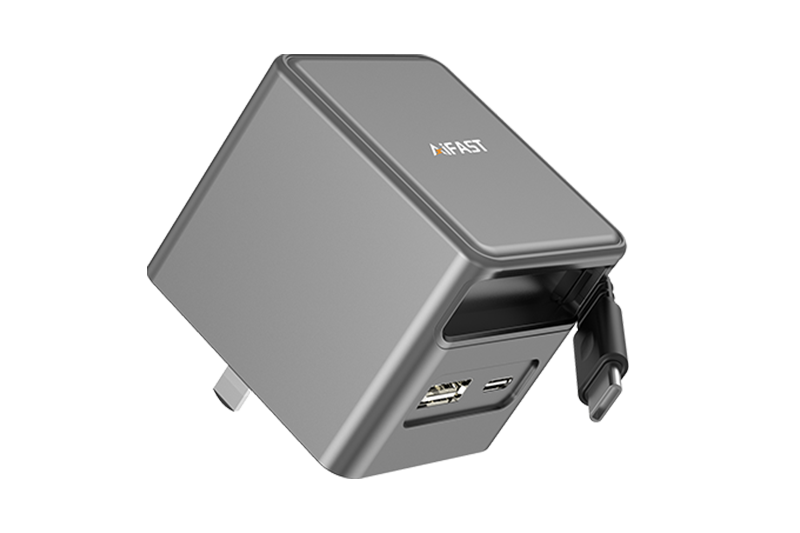 ESC-C016 65CM 65W HIGH Speed Retractable Cable GaN Charger


 Whatsapp
 Wechat