10 Essential Tips for Choosing the Best Power Bank Portable Charger?
In today's fast-paced world, staying connected is essential. A reliable Power Bank Portable Charger is crucial for your devices. With various options available, choosing the right one can be daunting. It is not just about capacity. You need a charger that fits your lifestyle. Understanding your needs is vital for making an informed decision.
Power Bank Portable Chargers come in different sizes, capacities, and features. Some are compact and lightweight, perfect for travel. Others offer fast charging and multiple ports for convenience. Evaluate your daily routine to determine the best fit. Consider how often you use your devices and where you'll be charging them.
Reflect on the importance of durability and safety features. A poorly made charger can damage your devices. Brands with a good reputation often offer better quality. Investing time in research helps in finding a power bank that meets your expectations and lasts longer. The right choice can enhance your mobile experience significantly.
Understanding Power Bank Types and Capacities
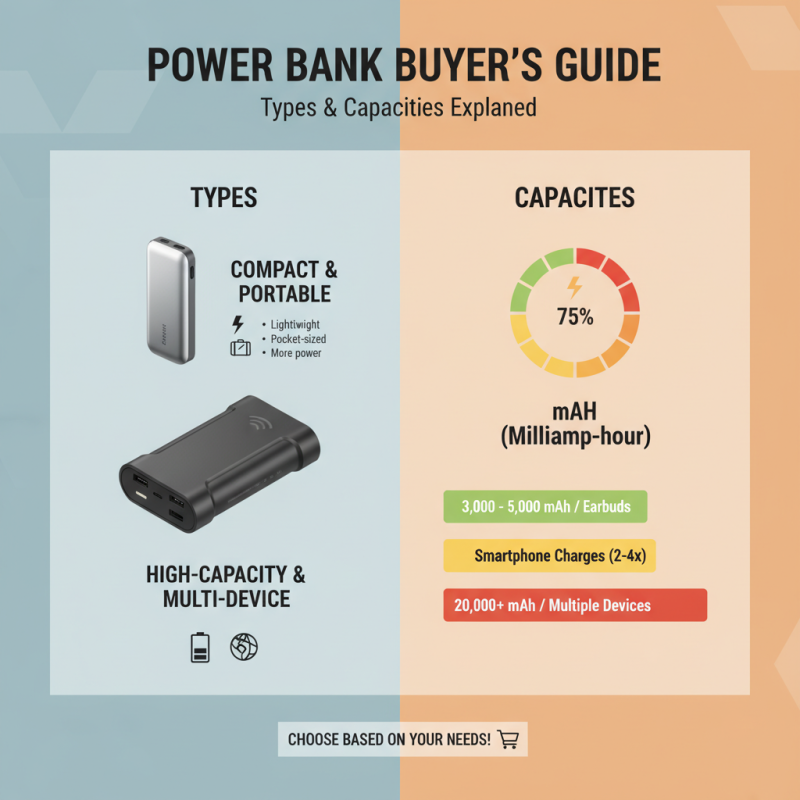
When selecting a portable power bank, understanding the types and capacities is essential. Power banks differ significantly in their design and functionality. Some are lightweight and compact, perfect for tight spaces, while others are bulkier and offer more power. Recognizing your needs can help narrow down your options.
For instance, capacity is measured in milliamp hours (mAh). A power bank with 10,000 mAh can charge a smartphone multiple times. However, a higher capacity often means increased size and weight. You may wonder if you need the extra capacity. Sometimes, going for a mid-range option offers balance—portability and power without overwhelming size.
Different types of power banks cater to various lifestyles. Solar-powered options suit outdoor enthusiasts. Fast-charging models appeal to busy professionals. Reflecting on your routine can guide your choice. Do you often forget to recharge? A power bank with a sleeping mode might help. The right choice can make a difference in everyday convenience. Consider what matches your habits best.
Factors to Consider for Charging Speed and Output
When selecting a power bank, charging speed and output are crucial. Many overlook these factors, leading to frustration. A power bank's capacity is measured in milliampere-hours (mAh). Higher mAh means more power available for your devices. However, capacity alone doesn't determine charging speed.
Look for power banks with fast charging capabilities. They often feature Quick Charge or Power Delivery technology. These options can significantly reduce charging time. A power bank with at least 18W output is ideal. Remember, compatibility matters. Ensure your device supports the fast charging feature.
Output ports are another essential factor. Multiple ports allow charging several devices simultaneously. Each port should ideally maintain a good output speed. Some chargers struggle to deliver high output when multiple devices are connected. Additionally, consider the cable quality. Using the right cable can enhance charging performance. Don't forget to check reviews for reliability. Battery longevity varies between models. It's wise to research and choose a power bank that balances speed, output, and durability.
Charging Performance of Portable Power Banks
Assessing Portability: Size and Weight of Power Banks
When selecting a power bank portable charger, assessing portability is crucial. Size and weight significantly impact your choice. A lightweight power bank is easier to carry, especially during travel or daily commutes. Aim for a charger that fits snugly in your bag or pocket. Remember, if it’s too bulky, you might not want to use it.
Consider the capacity you need. Many people overlook this aspect. A high-capacity power bank can be heavier. This can make it less portable. It’s essential to find a balance between capacity and size. Aim for a capacity that can charge your device multiple times without significantly increasing weight.
Tip: Test out different models in-store. Sometimes, reading specifications isn't enough. Holding a power bank helps you feel its weight and form. This ensures you select one that meets your daily needs without compromising portability. Don’t rush; spending time assessing options leads to better choices.
10 Essential Tips for Choosing the Best Power Bank Portable Charger - Assessing Portability: Size and Weight of Power Banks
| Model |
Capacity (mAh) |
Size (mm) |
Weight (g) |
USB Ports |
Fast Charge Support |
| Model A |
10000 |
130 x 70 x 15 |
200 |
2 |
Yes |
| Model B |
20000 |
150 x 75 x 20 |
400 |
3 |
Yes |
| Model C |
5000 |
100 x 60 x 12 |
150 |
1 |
No |
| Model D |
15000 |
140 x 70 x 18 |
300 |
2 |
Yes |
| Model E |
10000 |
120 x 65 x 14 |
180 |
2 |
No |
Evaluating Additional Features: LED Indicators and Built-in Cables
When selecting a power bank, additional features can greatly enhance your user experience.
LED indicators are crucial. They provide real-time information about the power bank's remaining charge.
Understanding these lights can prevent unexpected shutdowns. If you see a red light, it’s time to recharge.
Green typically indicates a full charge. This helps in planning your day effectively.
Built-in cables add convenience. You won’t have to carry extra cords. This feature simplifies the charging process.
However, they can sometimes limit compatibility. Always consider the types of devices you’ll charge. Some all-in-one solutions may not be ideal for certain gadgets.
Make sure the built-in cables meet your needs.
When choosing, look at capacity too. A higher milliamp-hour (mAh) rating means more charges.
However, it often increases the power bank's weight. Think about how portable you want it to be.
There is a trade-off between capacity and portability. Balancing these factors leads to a better fit for your lifestyle.
Remember, a well-chosen power bank can be a dependable companion on your travels.
Comparing Safety Features to Avoid Overcharging Risks
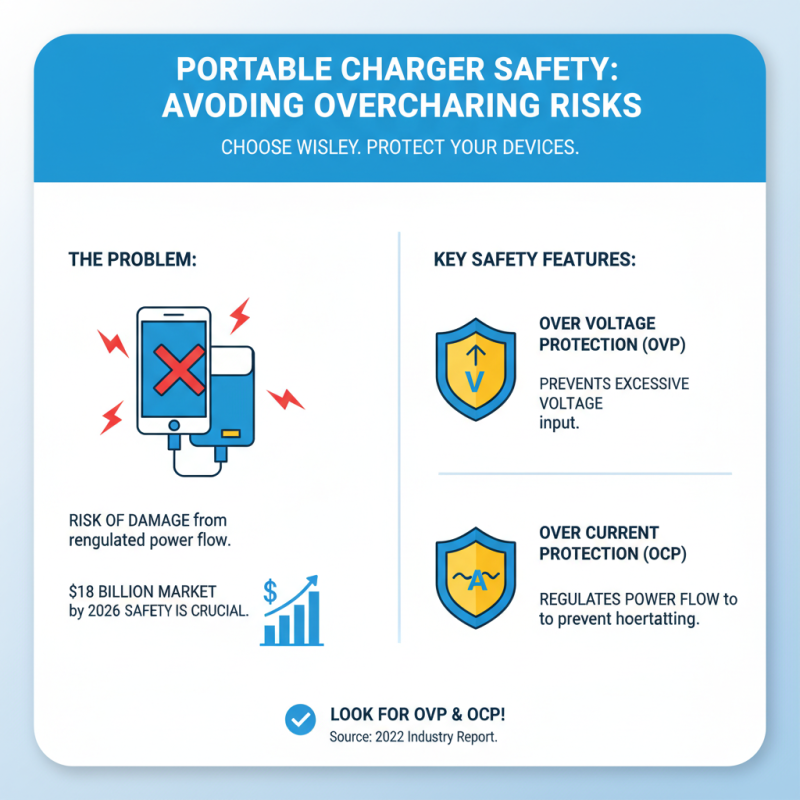
In recent years, the demand for portable chargers has surged. According to a 2022 industry report, the global power bank market is projected to reach $18 billion by 2026. This growth raises concerns about safety features, especially regarding overcharging risks. Choosing a power bank with built-in safety mechanisms is crucial. Devices that include Over Voltage Protection (OVP) and Over Current Protection (OCP) can prevent damage to both the charger and the devices being charged.
Another critical feature to consider is temperature control. High temperatures can lead to battery degradation or even fires. A study from the National Fire Protection Association revealed that faulty batteries cause around 40% of mobile charging fires. Power banks with thermal sensors help manage this risk. Some advanced models adjust their charging speed based on temperature, ensuring safety while maximizing efficiency.
However, not every power bank meets these safety standards. Less reputable brands often compromise on protective features to reduce costs. Consumers must be vigilant and review safety certifications. Conducting thorough research can avoid potential dangers related to battery malfunctions. Remember, a cheap charger may lead to costly damages in the long run. Prioritizing safety in charger selection is not just prudent; it's essential for your devices and overall safety.

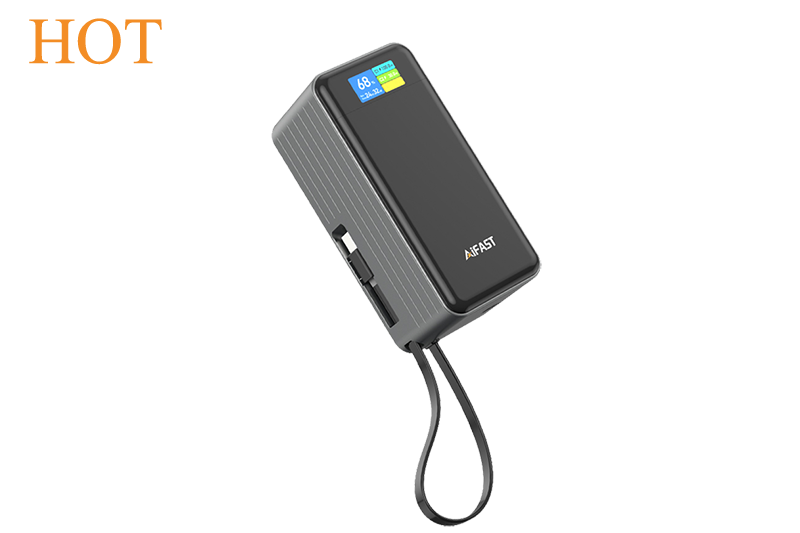 ESC-X019 65W Fast charge power bank
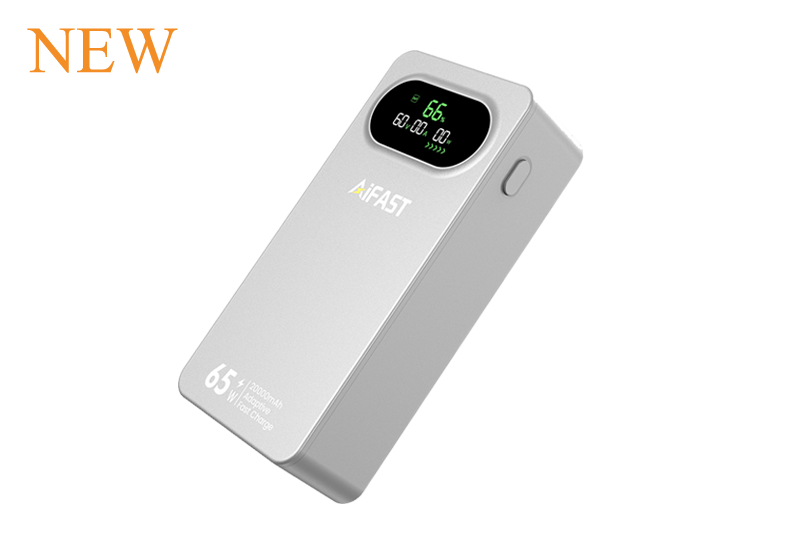 ESC-X018 65W Ultra-Fast 10000mAh Power Bank with TFT Display & Retractable Cable
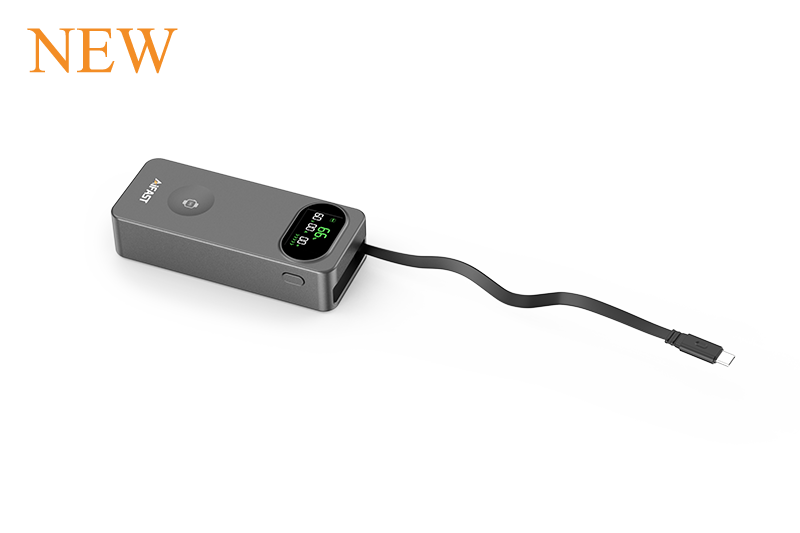 ESC-X017 65W Ultra-Fast 20000mAh Power Bank with TFT Display & Retractable Cable
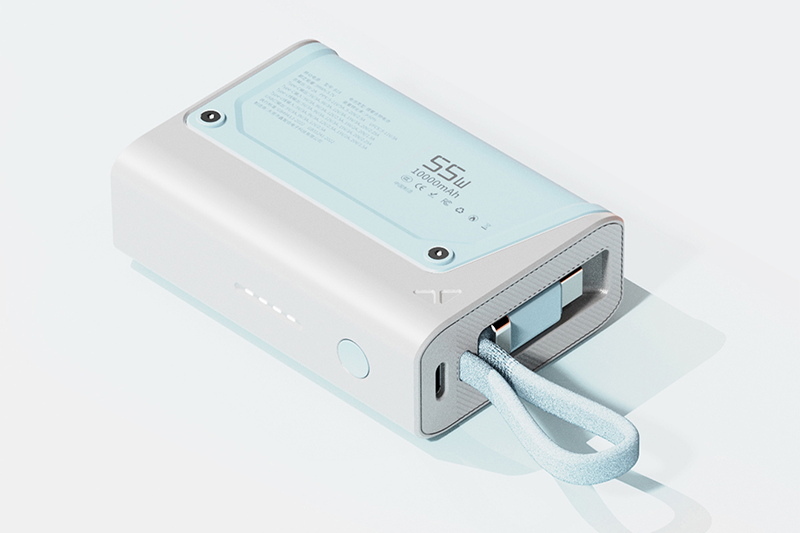 ESC-X020 10000mAh 55W Fast Charge Power Bank with cable built-in
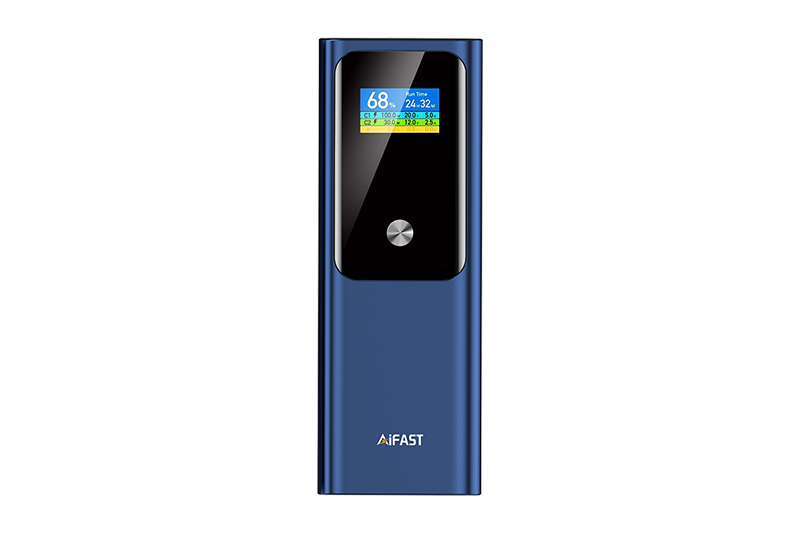 ESC-X016 120W 20000mAh Power Bank with Multi-Protocol TFT Display
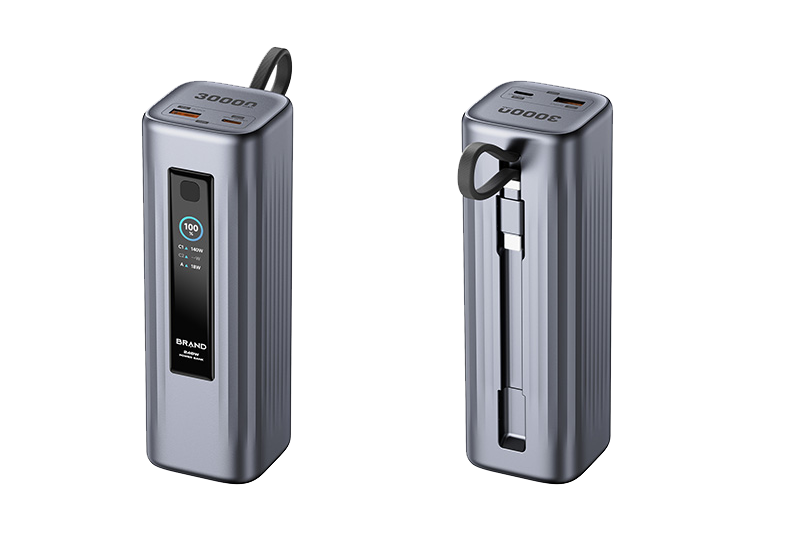 ECS-X022 145W 30,000mAh Power Bank with TFT Display & Retractable Cable
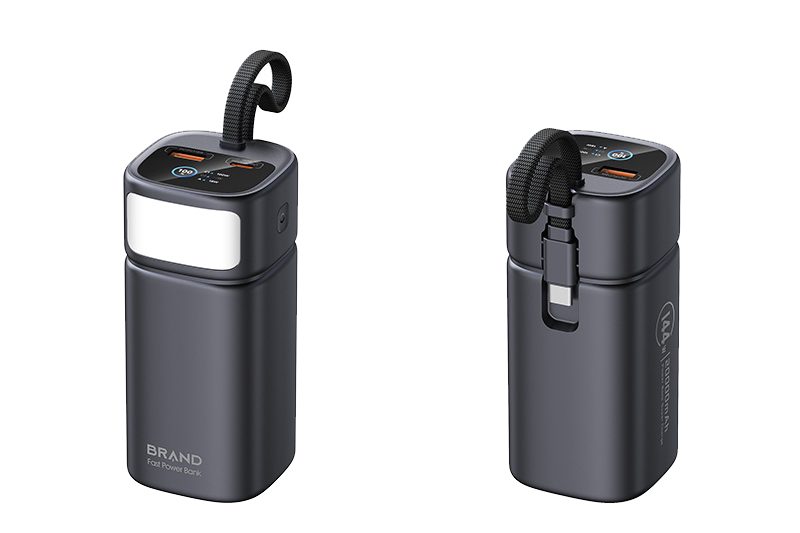 ECS-X021 100W 20,000mAh Power Bank with TFT Display & Retractable Cable
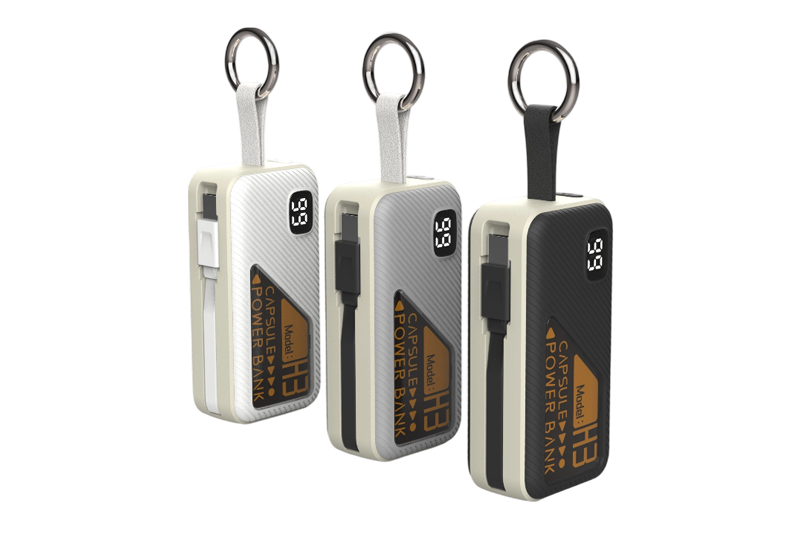 ESC-X023 20W Fast Charging Capsule Power Bank
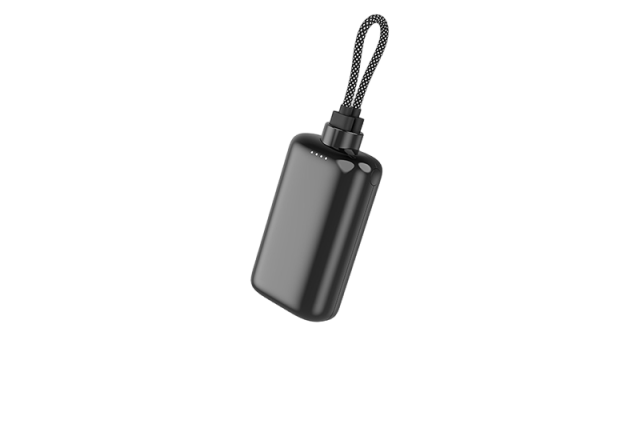 ESC-X024 22.5W 10,000mAh Fast Charging Power Bank
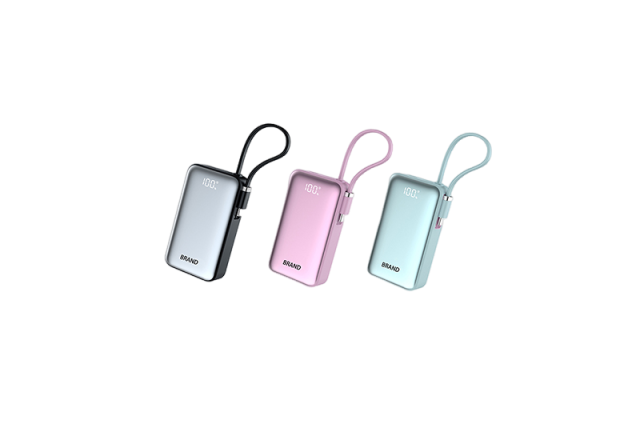 ESC-X025 22.5W Built-in Cable Portable Power Bank
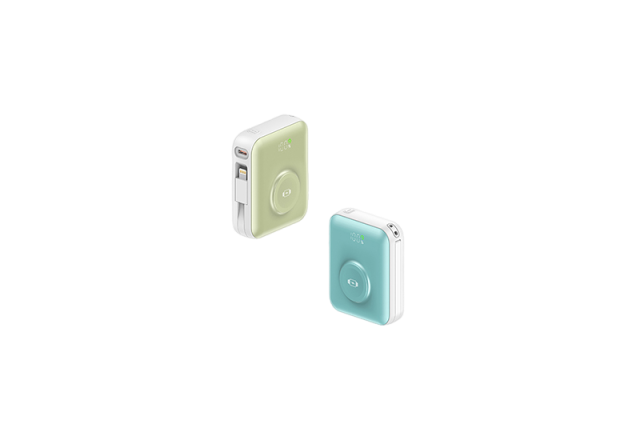 ESC-X026 22.5W 10000mAh Wireless Mini Size Power Bank
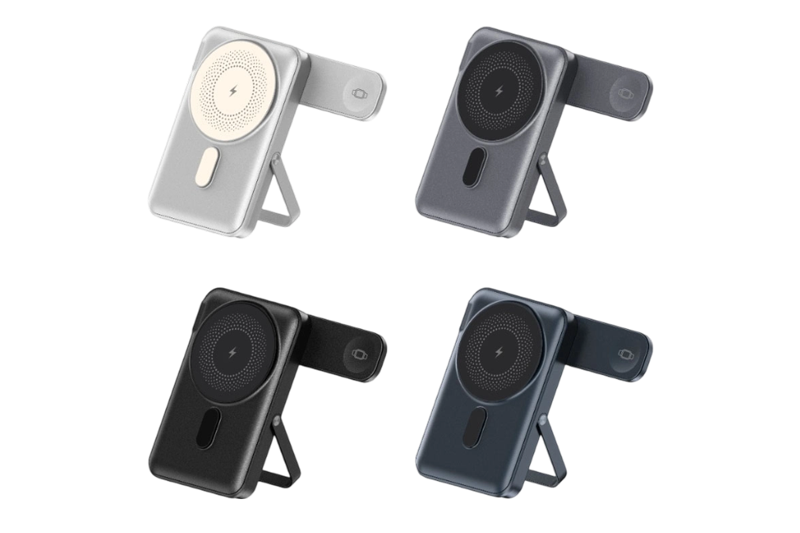 ESC-W018 3-in-1 MagSafe-Style Wireless Charging Stand
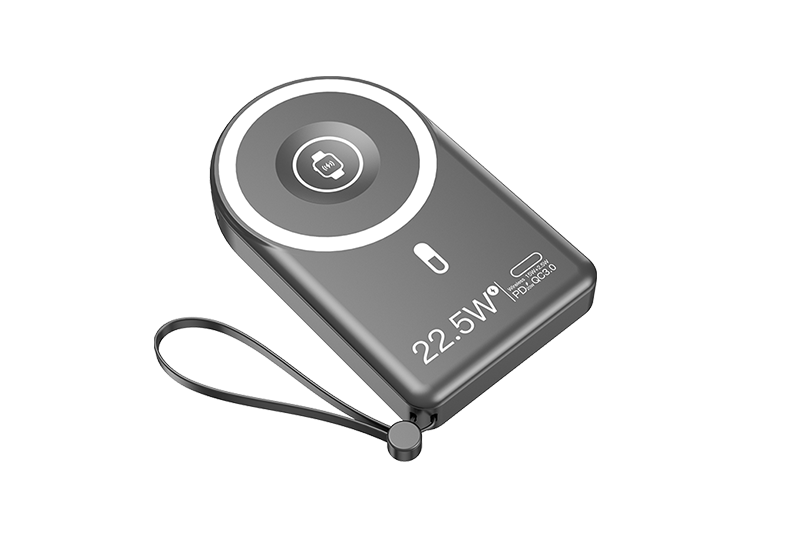 ESC-W017 5000mAh Wireless Ultimate All-in-One Power Solution for Samsung & iPhone Users
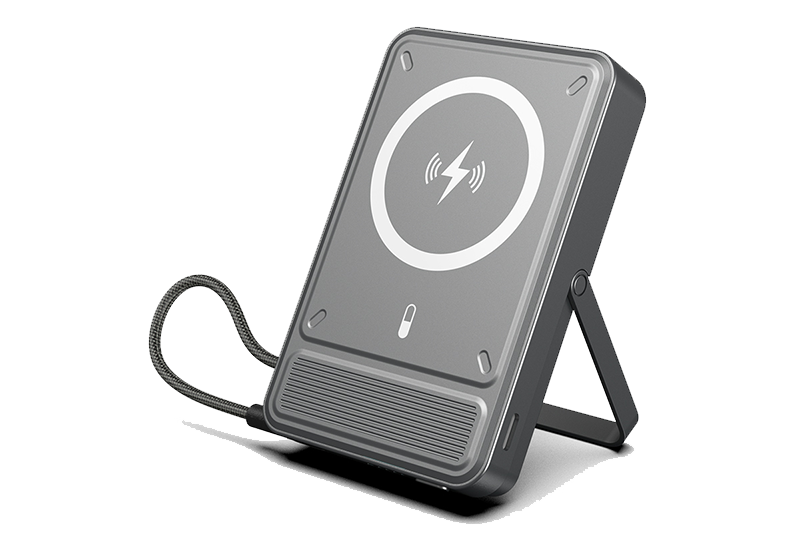 ECS-W016 45W Wireless Power Bank
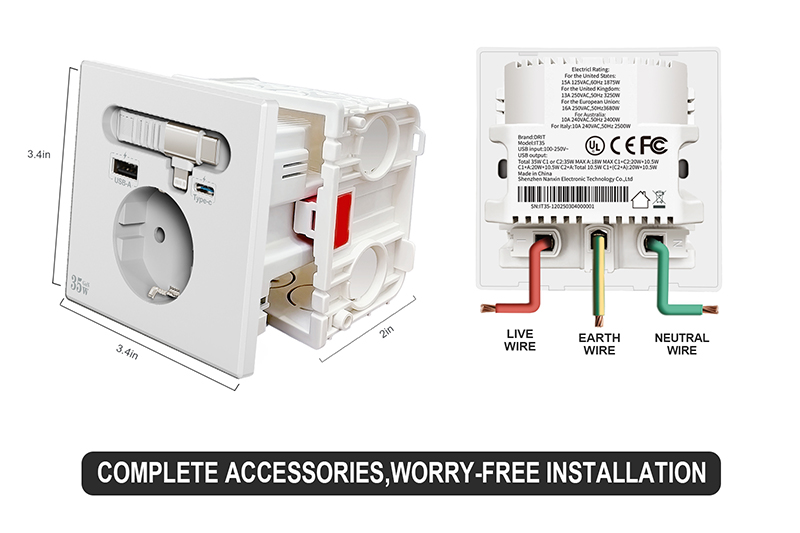 ESC-C019 Ultimate Universal 35W GaN Wall Socket
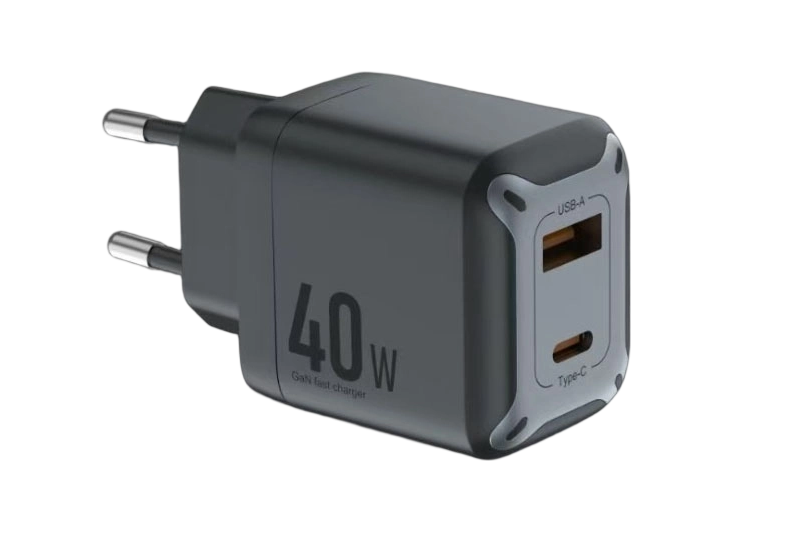 ESC-C018 Small Size 40W GaN Travel Charger
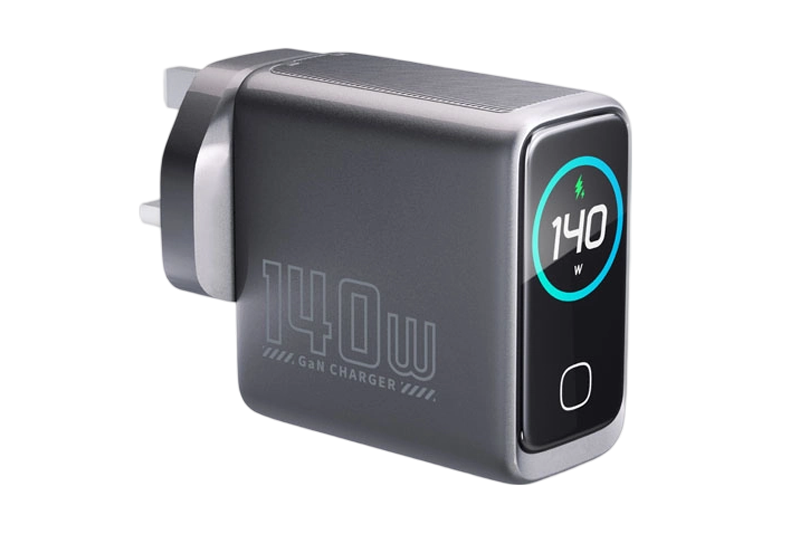 ESC-C017 140W HIGH Speed TFT Screen GaN Charger
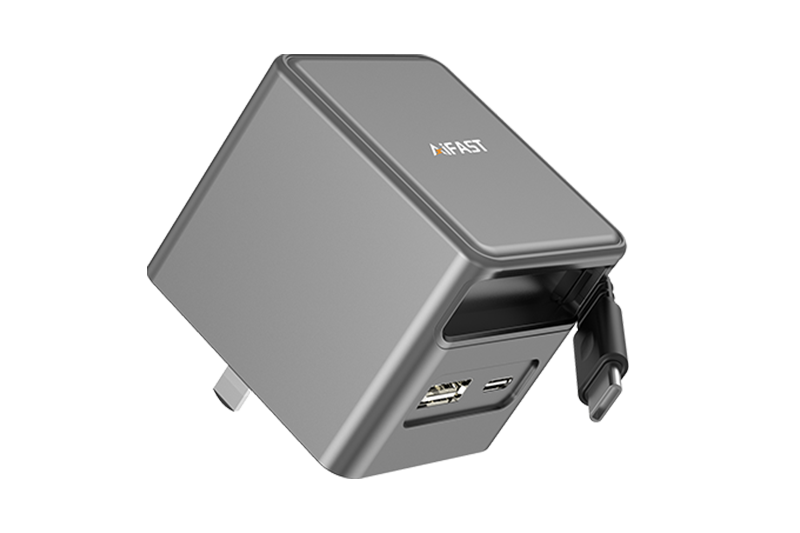 ESC-C016 65CM 65W HIGH Speed Retractable Cable GaN Charger


 Whatsapp
 Wechat