How to Choose the Best Portable Power Bank for Your Needs?
In today's fast-paced world, a Portable Power Bank has become essential. Statistics show that up to 70% of smartphone users rely on power banks for extended device use. With the increasing demand for portable charging solutions, selecting the right power bank is crucial. The market is flooded with options, making it difficult for consumers to find the best fit.
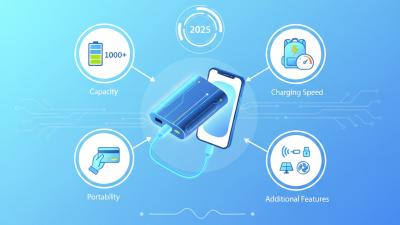
Consider factors such as capacity, portability, and charging speed. A power bank with a higher mAh can charge devices multiple times. However, a compact size is important for users on the go. Not all brands maintain quality, leading to concerns about safety and efficiency. Reports indicate that 20% of power banks have subpar performance.
While seeking the best options, some make hasty decisions. Users sometimes overlook essential features, focusing solely on price. This can lead to dissatisfaction. Reflecting on these choices helps individuals understand their true needs. The right Portable Power Bank should balance efficiency and convenience, ensuring reliable charging when needed most.
Understanding Your Power Needs: Capacity and Output Requirements
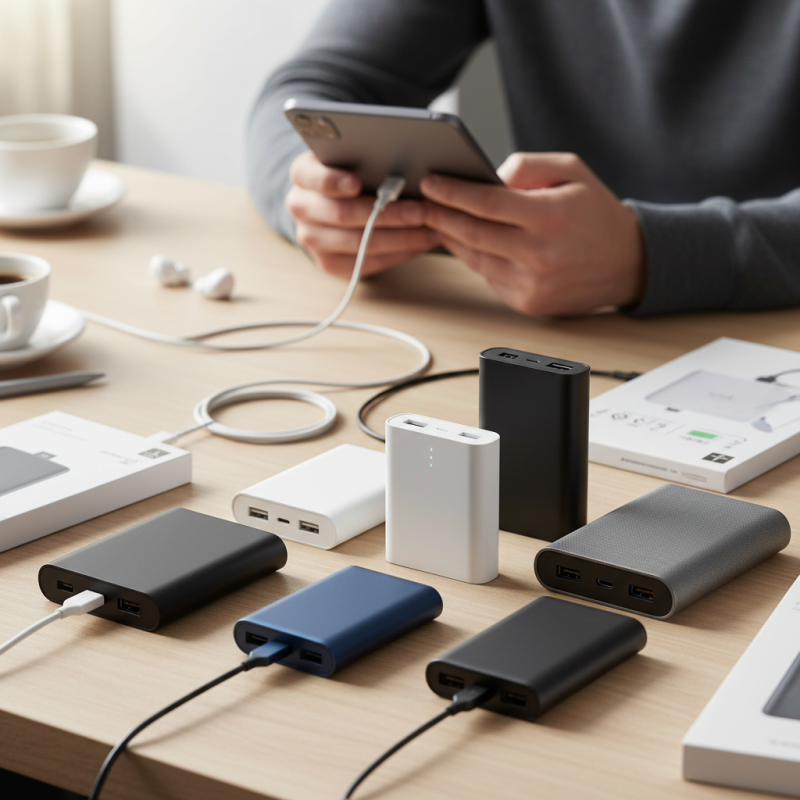
When choosing a portable power bank, understanding your power needs is vital. Capacity and output requirements play a critical role. Capacity is measured in milliamp hours (mAh). A higher mAh means more power available for charging. If you have a smartphone, a 10,000 mAh power bank can charge it multiple times. Conversely, larger devices like laptops may require a power bank with over 20,000 mAh.
Output is just as important. Look for the wattage to determine how fast your device can charge. Many power banks offer multiple output ports. If you plan to charge several devices, ensure the combined output meets your needs. Some devices need quick charging, which demands higher output levels. For example, a phone that supports fast charging needs a power bank that can deliver at least 18 watts.
Tip: Always check the input requirements of your devices. Many people overlook this detail. It can prevent frustration during crucial moments. Also, consider the weight and size of the power bank. A highly powerful bank might be bulky. Balance between capacity and portability is crucial. Be cautious about overspending on features you may not use.
How to Choose the Best Portable Power Bank for Your Needs?
| Power Bank Model |
Capacity (mAh) |
Output Ports |
Output Power (W) |
Weight (g) |
Features |
| Model A |
10000 |
2 |
18 |
200 |
Fast Charging, LED Indicator |
| Model B |
20000 |
3 |
30 |
350 |
Compact Design, Multi-Protection |
| Model C |
5000 |
1 |
10 |
150 |
Portable, Lightweight |
| Model D |
15000 |
2 |
20 |
300 |
Solar Charging, Durable |
Types of Portable Power Banks: Comparing Options Available
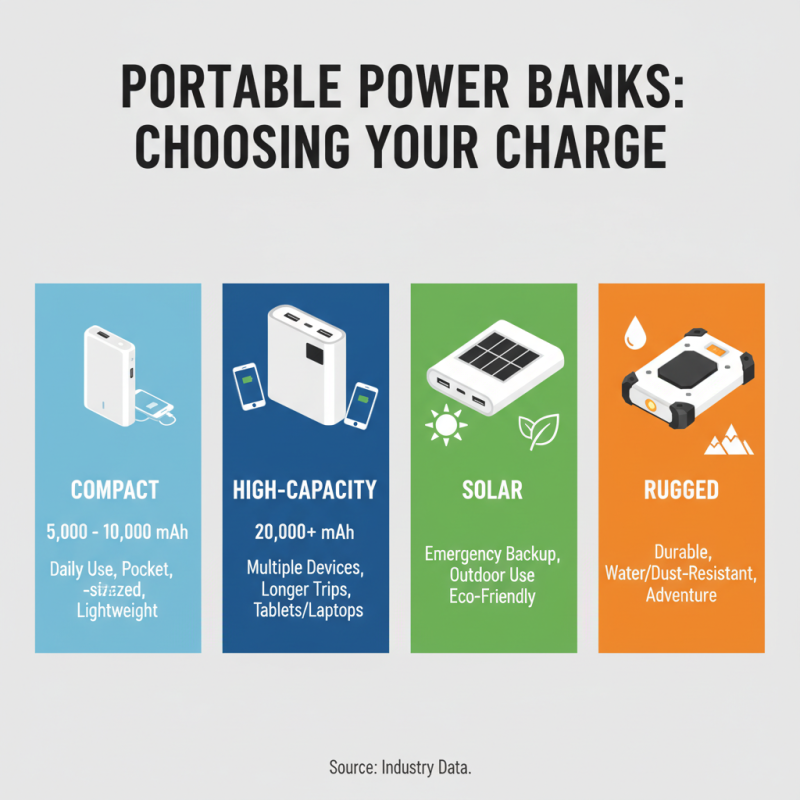
When selecting a portable power bank, understanding the various types can make a significant difference. There are compact, high-capacity, solar, and rugged designs, each catering to different needs. According to industry data, compact power banks typically range from 5,000 mAh to 10,000 mAh, ideal for daily use. These are lightweight and easily fit into pockets. High-capacity models may exceed 20,000 mAh, suitable for multiple devices or longer trips.
Solar power banks have gained popularity. They can charge through direct sunlight, making them perfect for outdoor enthusiasts. However, they often charge devices more slowly. It’s crucial to consider the environment in which you will use it. Rugged designs can withstand drops and harsh conditions, but they may be heavier.
**Tips:** Check the wattage output. A higher output can charge devices faster. Pay attention to multiple USB ports if you need to charge more than one gadget. Don’t overlook the importance of weight. A heavier power bank may not be practical for everyday carry.
Many users face challenges when identifying the right capacity. The balance between portability and power is often hard to gauge. Some find that a 10,000 mAh unit suffices for everyday use, while others need more. Understanding your specific requirements is key. Always reflect on how much power you really need.
Key Features to Consider: Size, Weight, and Port Types
When selecting a portable power bank, size and weight are crucial. A compact power bank fits easily in your bag or pocket. If you’re on the go, you don’t want extra bulk. Look for lightweight options that don’t compromise on capacity. Many power banks provide impressive power in a small package.
Port types are just as important. Common options include USB-A and USB-C. USB-C is versatile and often faster. Some devices require specific ports to charge efficiently. Check your devices to avoid frustration. Incompatibility can lead to long waits and disappointment.
Tips: Consider your charging needs. If you use multiple devices, a power bank with several ports might be best. Always check power bank specifications. Sometimes, manufacturers exaggerate capacity. Choose wisely to ensure reliability.
Assessing Brand Reputation and Customer Reviews
When choosing a portable power bank, assessing brand reputation and customer reviews is essential. Brands with a solid reputation often deliver reliable products. Look for those with a history of quality and customer support. Check their website and social media for feedback and updates. A good reputation reflects a commitment to customer satisfaction.
Tips: Read multiple reviews. Some reviewers may exaggerate their experiences. Focus on the overall sentiment rather than individual opinions. Notice recurring themes in reviews. If several users mention overheating or slow charging, these are red flags.
Consider the number of reviews as well. A power bank with thousands of reviews may offer more dependable insights than one with just a handful. However, beware of overly positive reviews with vague details. They can sometimes be misleading. A critical eye can help you spot authenticity in customer experiences.
Customer Reviews of Portable Power Banks
Budget Considerations: Finding the Best Value for Your Needs
When selecting a portable power bank, budget plays a crucial role. A good approach is to set a budget range before you start shopping. This helps narrow down options that fit your financial plan. Many power banks vary in price based on capacity and features. Remember, higher prices don’t always guarantee better performance.
Consider what you'll use the power bank for. If it's for casual day trips, a lower capacity model may suffice. However, for travel or outdoor activities, investing in a higher-capacity bank could save you from frustration. Review the specifications thoroughly. Look out for details like charging speed and multiple ports. These features can significantly enhance usability.
It’s important to reflect on your past experiences. Have low-cost options frequently underperformed? Or did you regret spending too much on bells and whistles? Learning from such instances can guide future purchases. Balance is key. Find a power bank that offers reliable performance without breaking the bank.

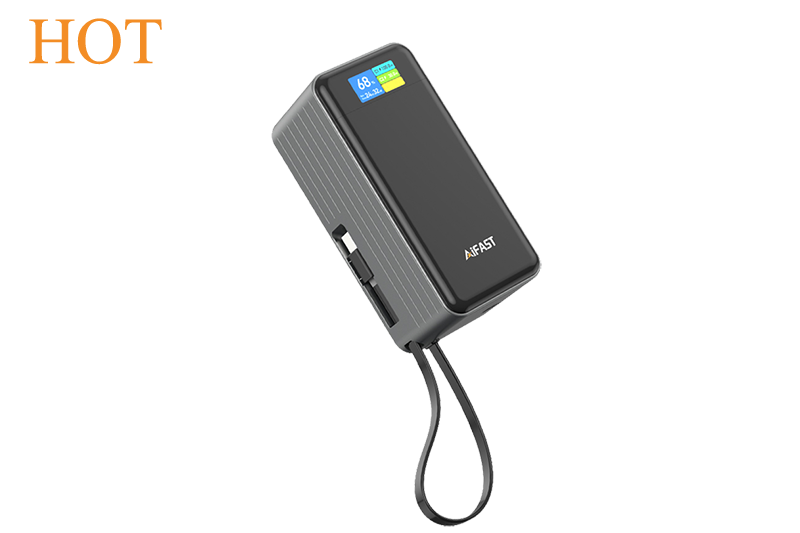 ESC-X019 65W Fast charge power bank
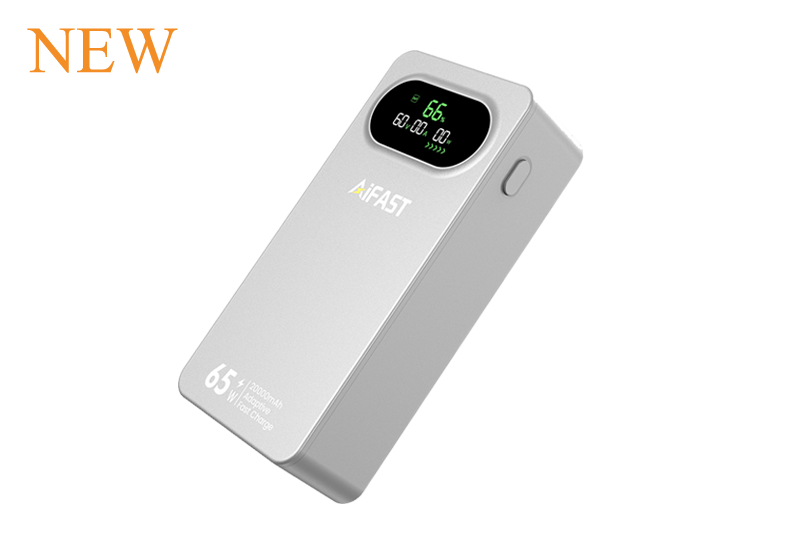 ESC-X018 65W Ultra-Fast 10000mAh Power Bank with TFT Display & Retractable Cable
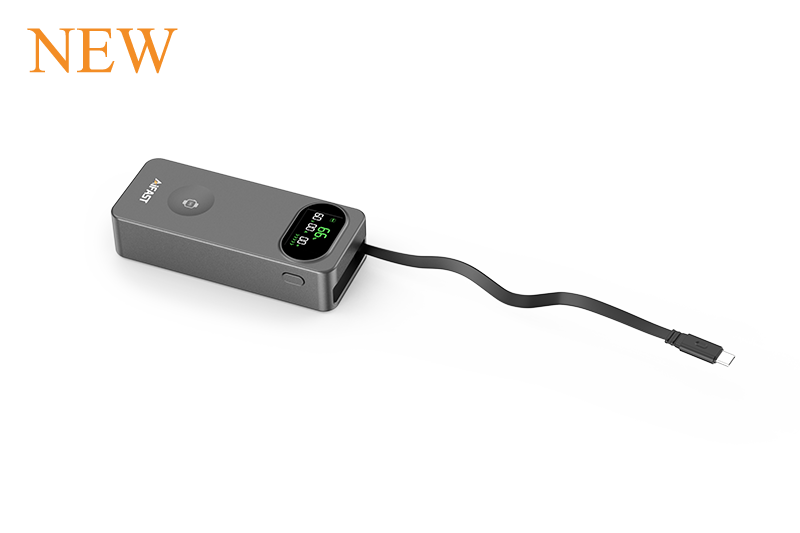 ESC-X017 65W Ultra-Fast 20000mAh Power Bank with TFT Display & Retractable Cable
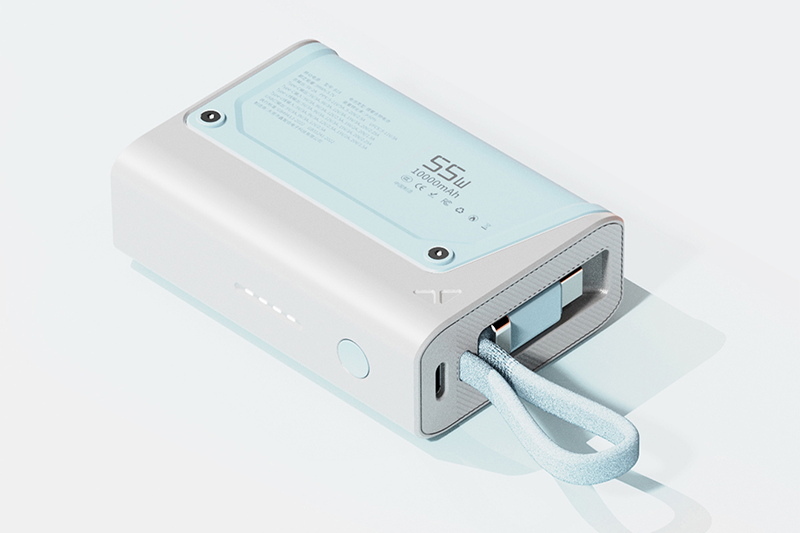 ESC-X020 10000mAh 55W Fast Charge Power Bank with cable built-in
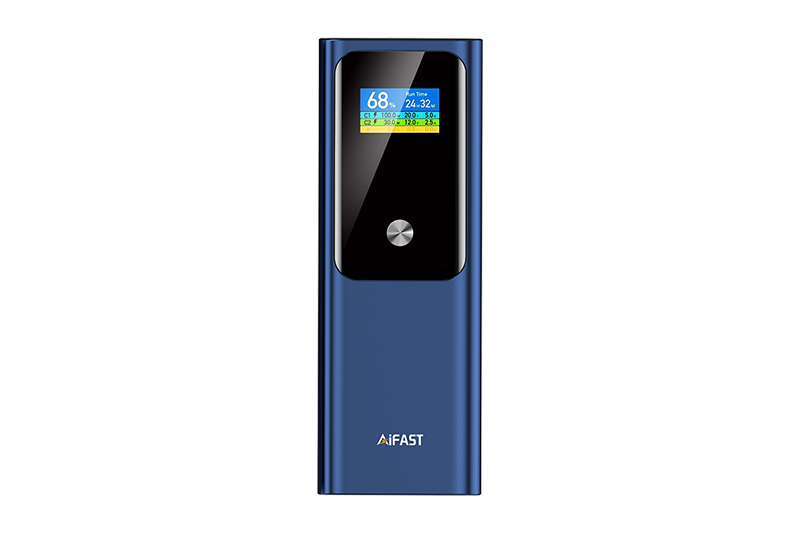 ESC-X016 120W 20000mAh Power Bank with Multi-Protocol TFT Display
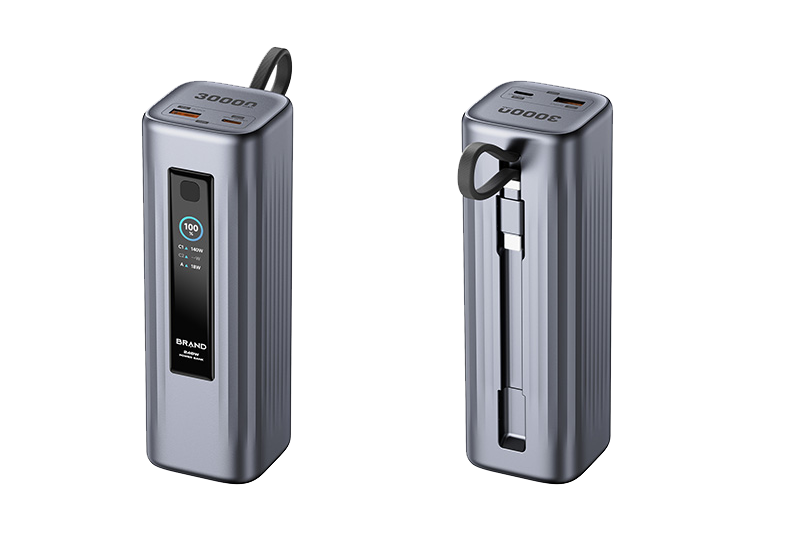 ECS-X022 145W 30,000mAh Power Bank with TFT Display & Retractable Cable
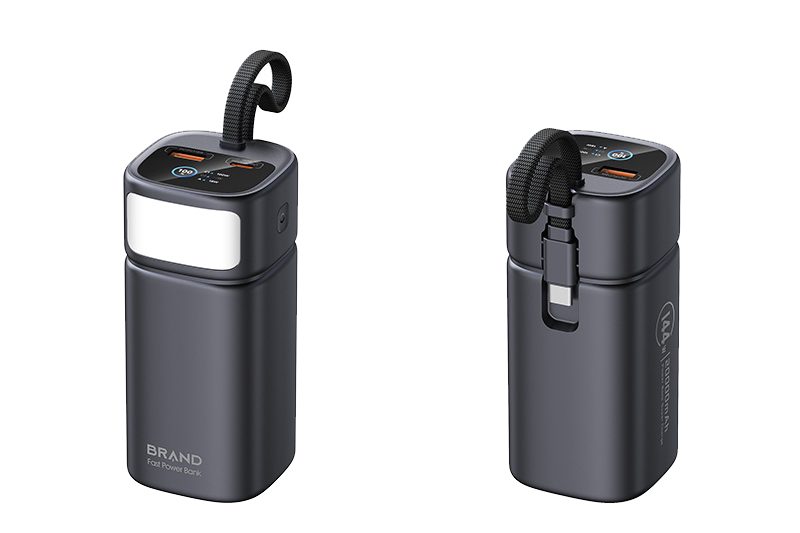 ECS-X021 100W 20,000mAh Power Bank with TFT Display & Retractable Cable
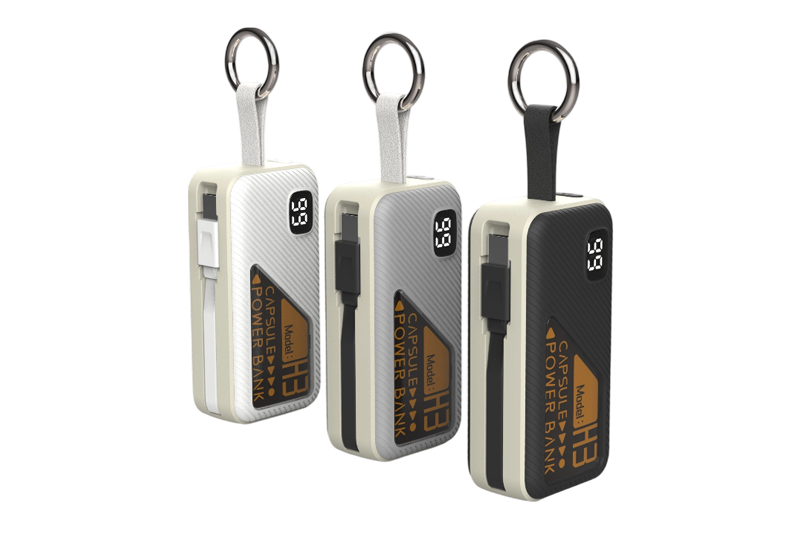 ESC-X023 20W Fast Charging Capsule Power Bank
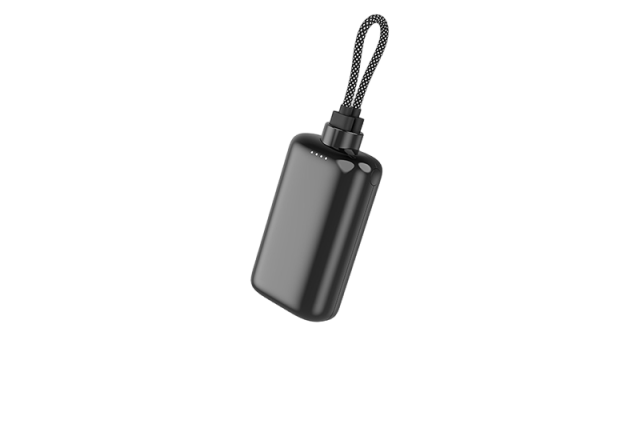 ESC-X024 22.5W 10,000mAh Fast Charging Power Bank
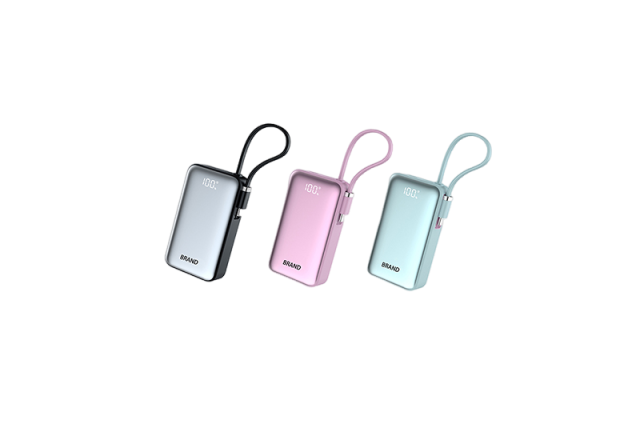 ESC-X025 22.5W Built-in Cable Portable Power Bank
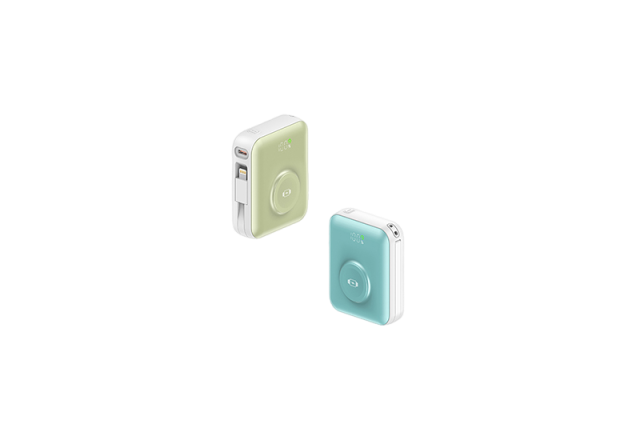 ESC-X026 22.5W 10000mAh Wireless Mini Size Power Bank
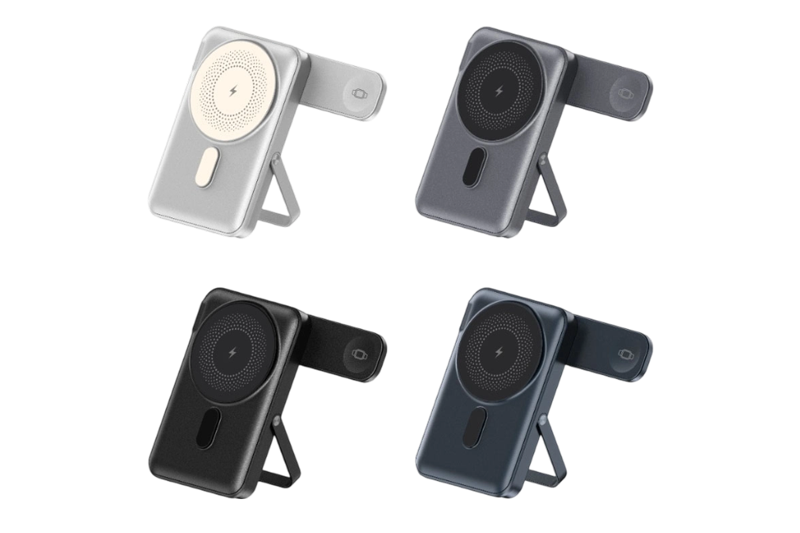 ESC-W018 3-in-1 MagSafe-Style Wireless Charging Stand
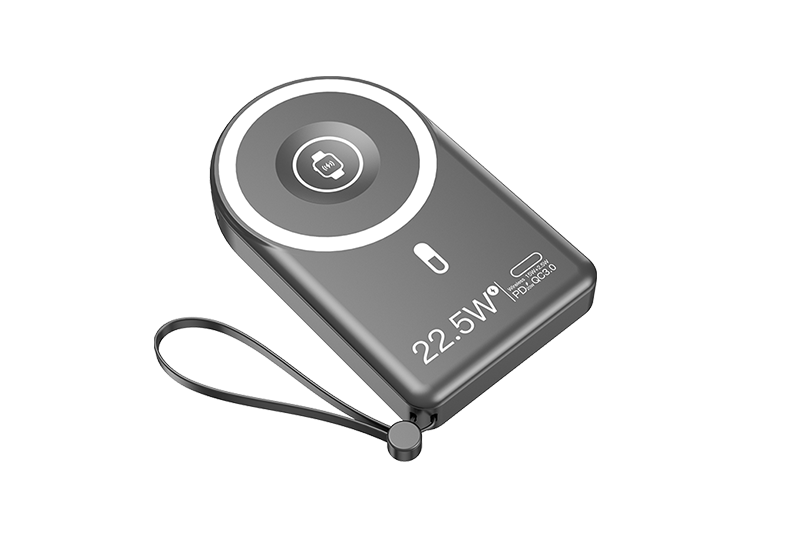 ESC-W017 5000mAh Wireless Ultimate All-in-One Power Solution for Samsung & iPhone Users
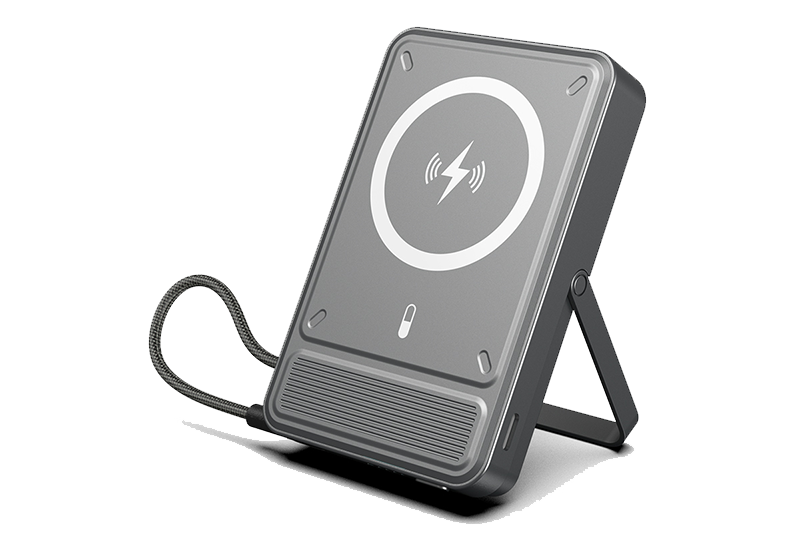 ECS-W016 45W Wireless Power Bank
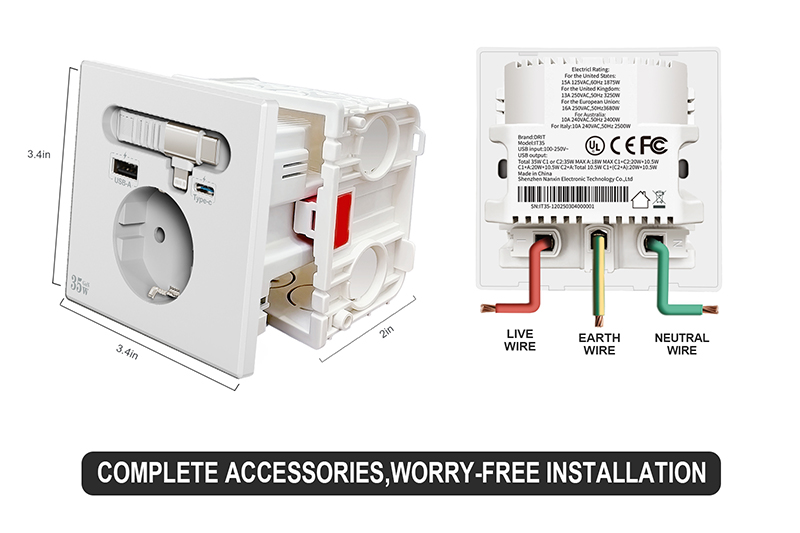 ESC-C019 Ultimate Universal 35W GaN Wall Socket
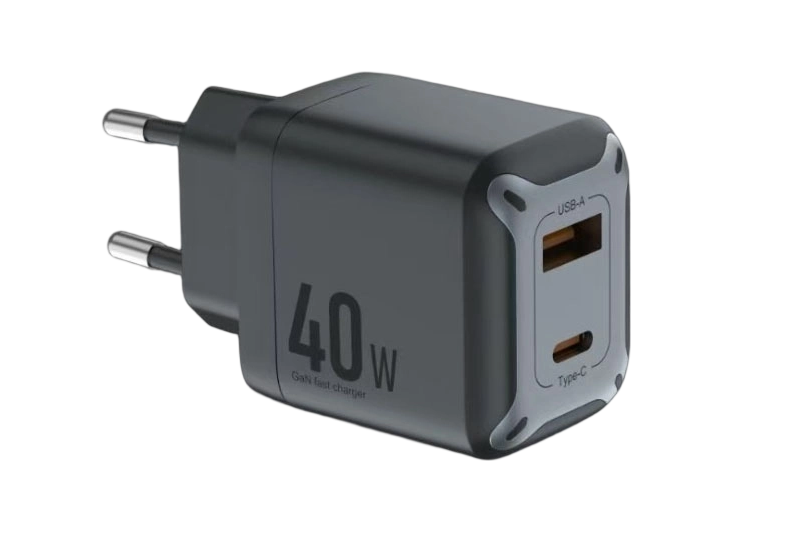 ESC-C018 Small Size 40W GaN Travel Charger
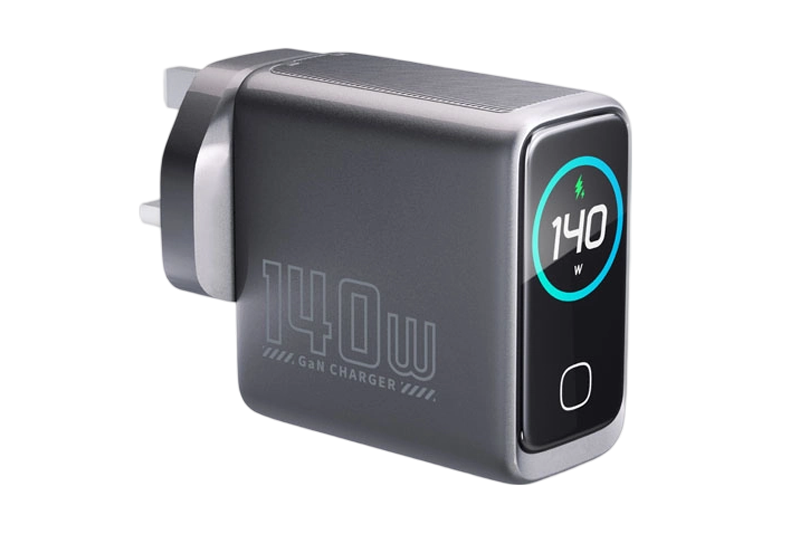 ESC-C017 140W HIGH Speed TFT Screen GaN Charger
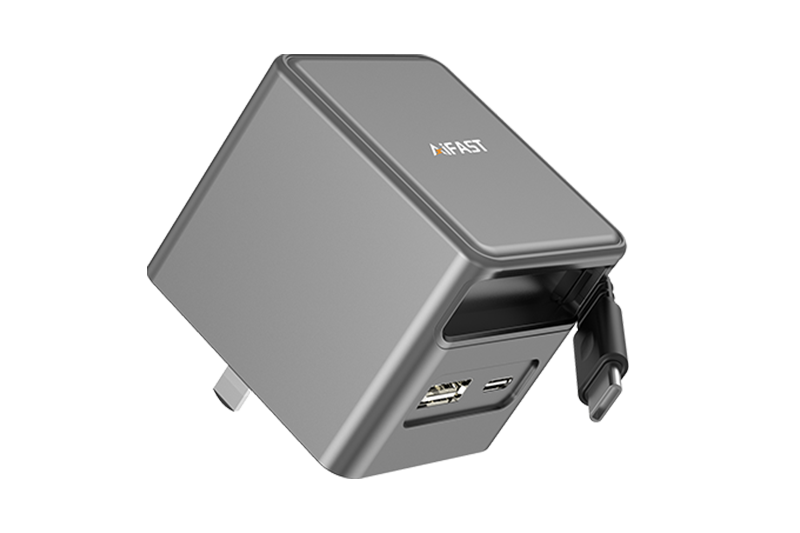 ESC-C016 65CM 65W HIGH Speed Retractable Cable GaN Charger


 Whatsapp
 Wechat