How to Choose the Best Phone Power Bank for Your Needs?
In today's digital age, our reliance on mobile devices has skyrocketed. To keep our phones charged, a quality Phone Power Bank is essential. David Greene, a leading expert in mobile accessories, states, "The right power bank can be a lifesaver in emergencies." This emphasizes the importance of selecting the best power bank for your needs.
Choosing the right Phone Power Bank isn't always straightforward. Consumers often face confusion over capacity, charging speed, and design. A product may look appealing but fail to deliver in performance. Some users may overlook essential features like multiple ports or weight. These oversights can lead to disappointment later on.
The market is flooded with options. Each comes with different specifications and promises. It’s crucial to understand what you really need. Will you be using it for quick charges or extended trips? Reflecting on these questions will guide you to the perfect Phone Power Bank. Don't just follow trends; think critically about your choice.
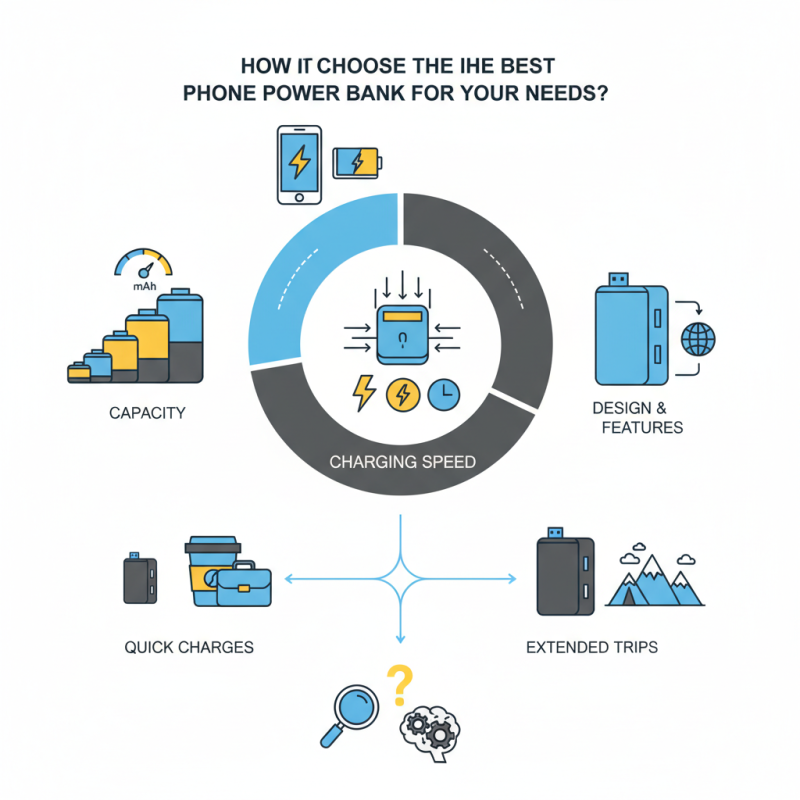
Understanding Power Bank Capacity: mAh Explained
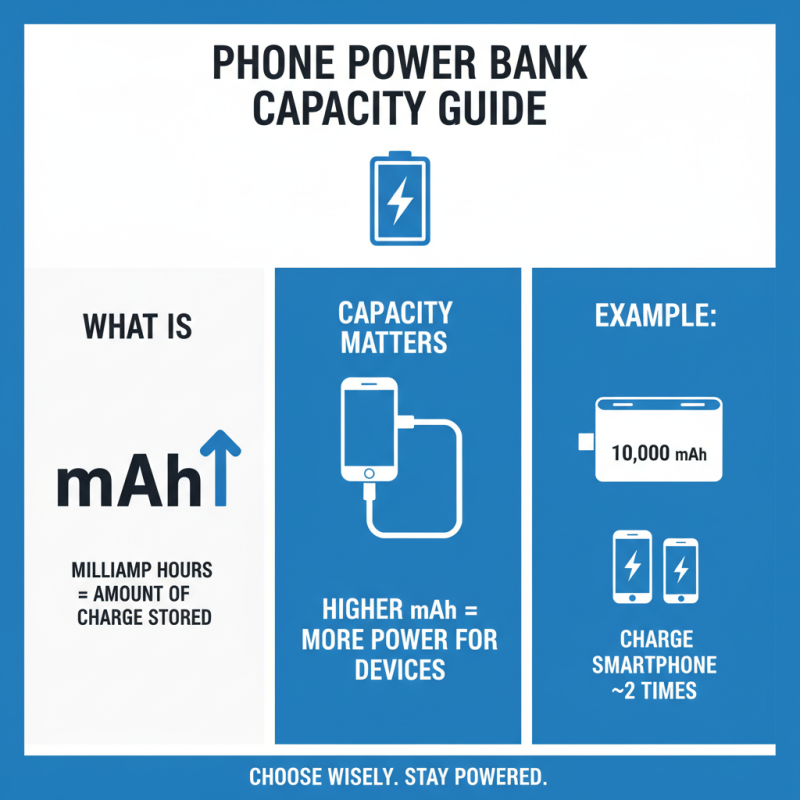
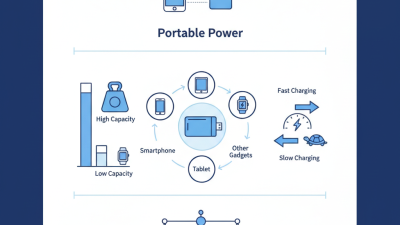
When choosing a phone power bank, understanding capacity is crucial. The capacity is measured in milliamp hours (mAh). This number indicates how much charge a power bank can store. A higher mAh means more energy for your devices. For instance, a 10,000 mAh power bank might fully charge a typical smartphone twice.
However, it's important to consider efficiency. Not all the stored power transfers to your device. Some energy is lost during the charging process. That's why you may want a power bank with higher capacity than what your device's battery holds. If your phone has a 3,000 mAh battery, a 5,000 mAh power bank could seem like enough. Yet, you may find it won't fully recharge your phone. Unexpected losses can complicate your charging needs.
You should also think about your typical usage. Do you travel a lot? If so, a larger capacity power bank could be beneficial. Conversely, for occasional use, a smaller one could suffice. Reflect on your habits. Choosing the right capacity can turn a frustrating experience into a convenient one.
Assessing Compatibility with Your Devices
When selecting a power bank, compatibility with your devices is crucial. Many people overlook this aspect. According to a recent survey by Power Bank Research, 47% of users choose power banks without checking compatibility. This can lead to frustrating experiences.
USB-C, for example, is increasingly common. If your device uses USB-C, ensure the power bank has the same output. This will support fast charging. Power banks with multiple ports offer versatility. However, not all ports work equally well. A report from Tech Insights indicated that 55% of devices charge slower with the wrong port. Checking the specifications before purchase can save you time.
Battery capacity also matters. A 20,000 mAh power bank sounds appealing, but is it suitable for your phone? If your device battery is only 3,000 mAh, you don’t need that much capacity. Always match the power bank’s capacity with the device’s requirements. Otherwise, you might end up with unnecessary weight to carry.
Evaluating Charging Speed: Input and Output Ratings
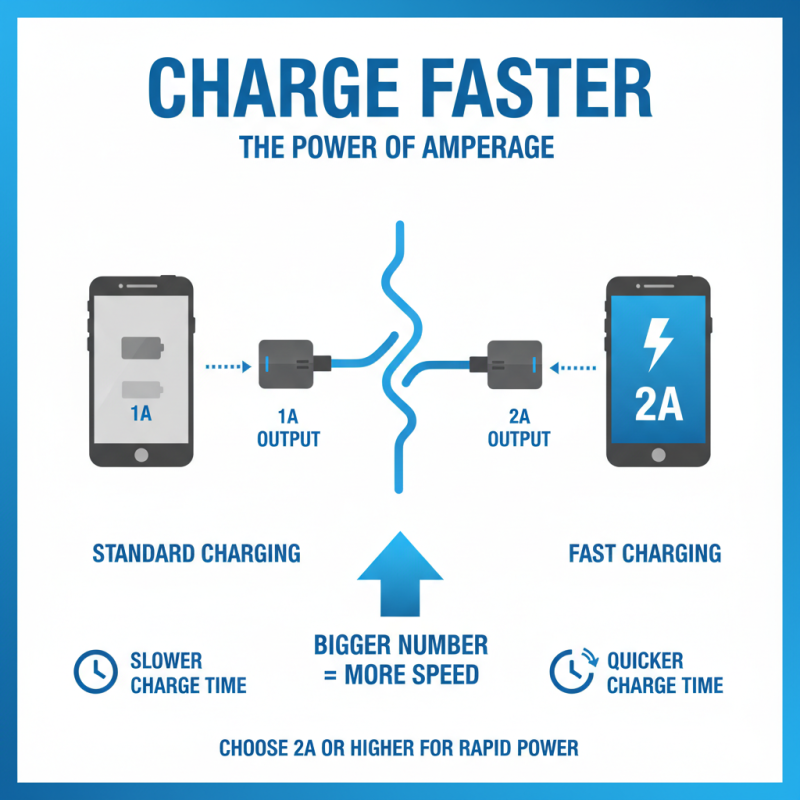
When choosing a power bank, charging speed is crucial. Input and output ratings determine how quickly your device charges. A high output rating ensures faster charging. For example, a 2A output can charge most phones significantly quicker than a 1A output. If you're in a rush, this speed makes a difference.
Many people overlook input ratings. A power bank with a lower input rating may take longer to recharge. It could mean waiting hours before using it again. Some power banks take their sweet time, and this can be frustrating. The ideal situation is to find one that balances both input and output ratings.
Pay attention to the specifications. A power bank with a quick recharge time is valuable. However, if it takes too long to charge itself, that’s a downside. Also, testing various power banks can lead to unexpected results. Every user's experience differs. Some may find a particular model underwhelming, while others rave about it. Experimentation is essential.
Identifying Portability: Size and Weight Considerations
When selecting a power bank, portability is crucial. Size and weight often dictate if users carry it daily or leave it behind. Research indicates that 70% of consumers prefer lightweight options, particularly those under 200 grams. This weight category typically allows for easy fitting in a pocket or small bag.
Beyond weight, dimensions play a significant role. A compact design often ensures convenience, especially for travelers. Reports show that 80% of users value devices that can easily slide into their hands. A power bank with a length of around 15 cm and a width of not more than 7 cm tends to be ideal for most. However, balancing size with capacity is challenging.
Many models sacrifice power for portability, leading to frustration. A smaller power bank may not hold enough charge for longer trips. Users frequently find themselves recharging too often. It’s essential to assess personal needs versus convenience. Portable doesn’t always mean practical. Users should reflect on their habits before making a choice.
How to Choose the Best Phone Power Bank for Your Needs?
The following bar chart illustrates the portability of various power banks based on their size and weight. This data helps you identify which power banks are most suitable for your on-the-go lifestyle.
Exploring Additional Features: Safety and Smart Technology
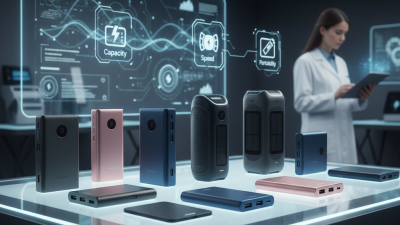
When choosing a phone power bank, safety features should be a top priority. A report from the International Electrotechnical Commission (IEC) indicates that nearly 30% of power bank incidents result from inadequate safety measures. Look for power banks with short-circuit protection and temperature control. These features can prevent overheating and potential hazards. A recent survey also found that 65% of users reported increased confidence in their power banks when these technologies were present.
Smart technology is becoming a game changer in the power bank arena. Many models now include features like fast charging and automatic device detection. These enhancements allow users to charge multiple devices efficiently. Yet, 40% of users are unaware of these advancements. This gap shows the need for better consumer education. Additionally, smart technology can lead to energy efficiency, which is a clear benefit. According to the Consumer Electronics Association, power banks with smart features can charge devices up to 35% faster than traditional models. However, not all power banks have these features, leading to confusion among buyers. The lack of standardization means that some models may lack the promised safety and smart features.

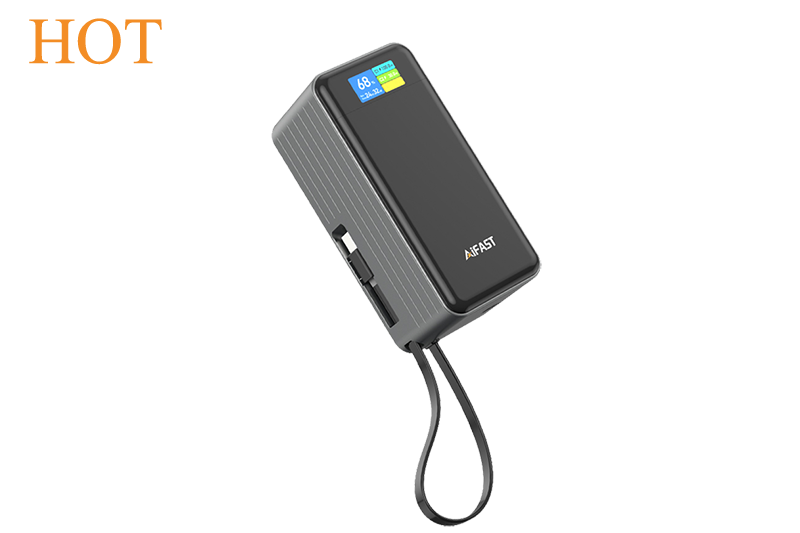 ESC-X019 65W Fast charge power bank
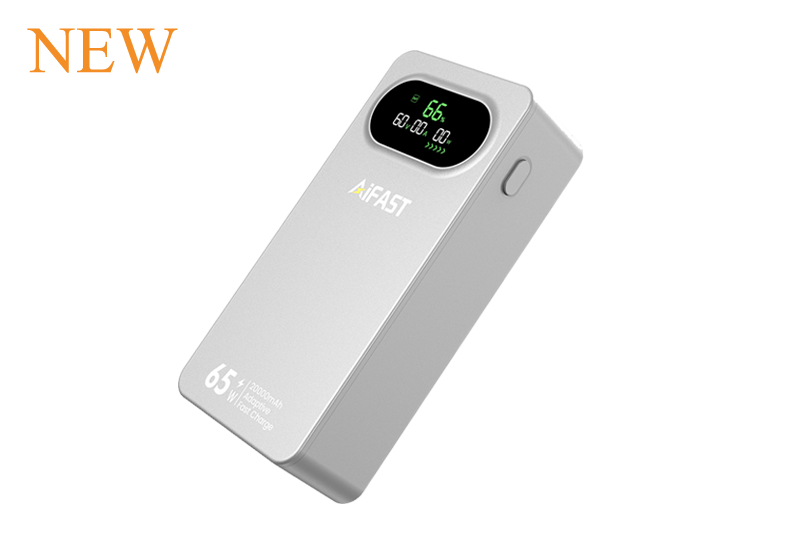 ESC-X018 65W Ultra-Fast 10000mAh Power Bank with TFT Display & Retractable Cable
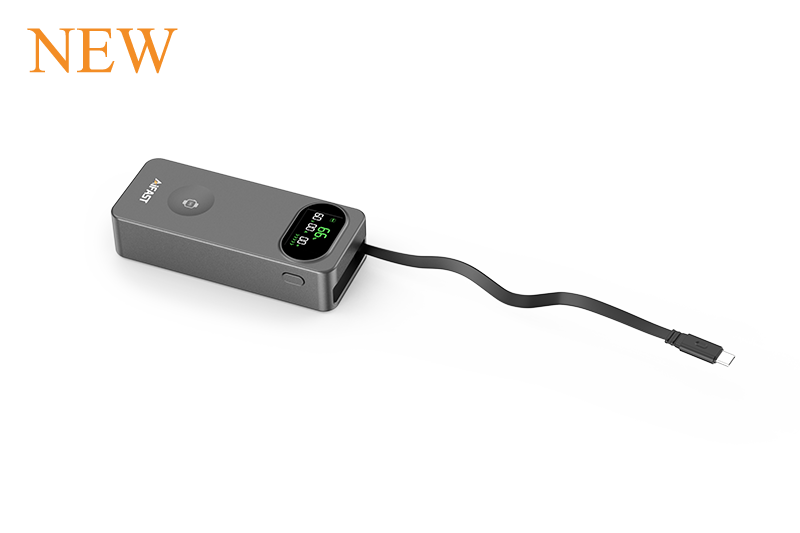 ESC-X017 65W Ultra-Fast 20000mAh Power Bank with TFT Display & Retractable Cable
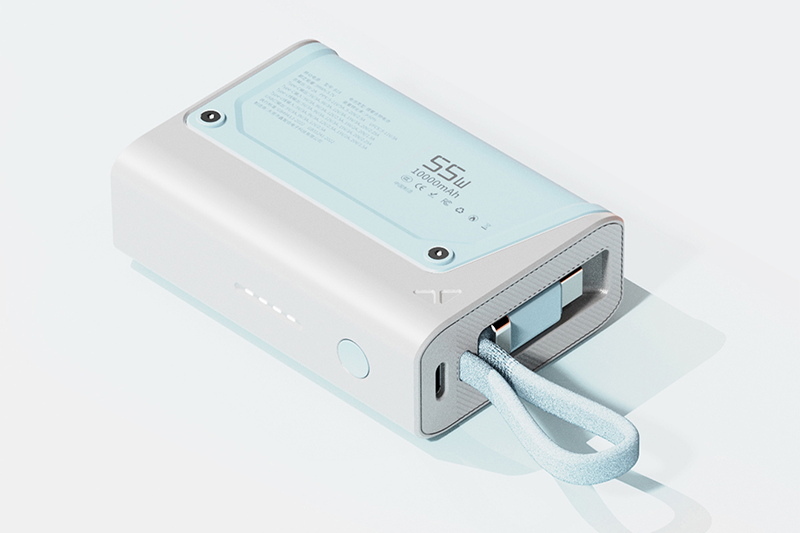 ESC-X020 10000mAh 55W Fast Charge Power Bank with cable built-in
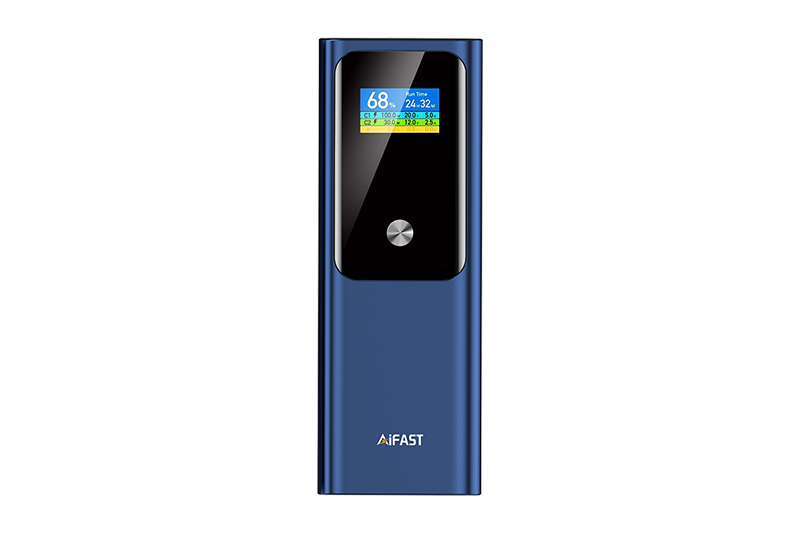 ESC-X016 120W 20000mAh Power Bank with Multi-Protocol TFT Display
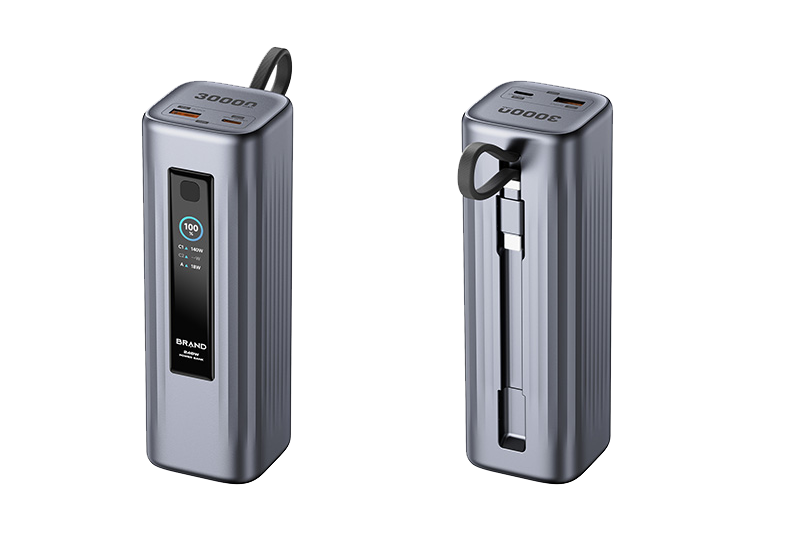 ECS-X022 145W 30,000mAh Power Bank with TFT Display & Retractable Cable
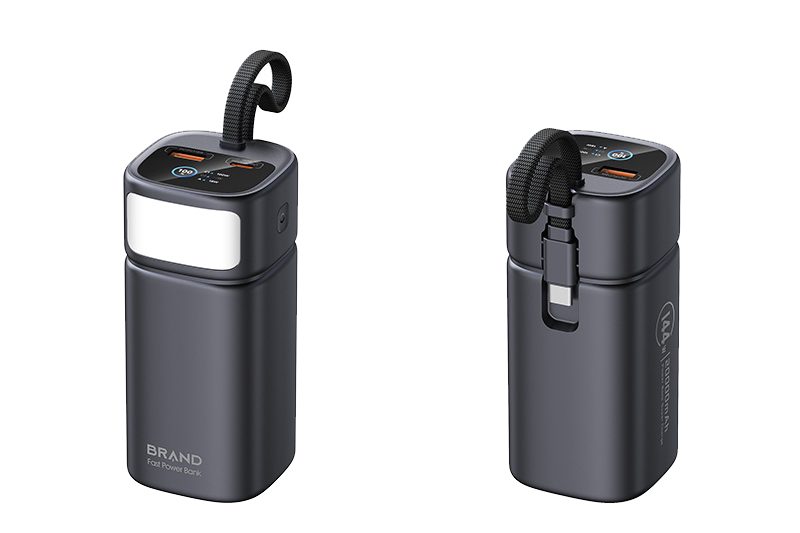 ECS-X021 100W 20,000mAh Power Bank with TFT Display & Retractable Cable
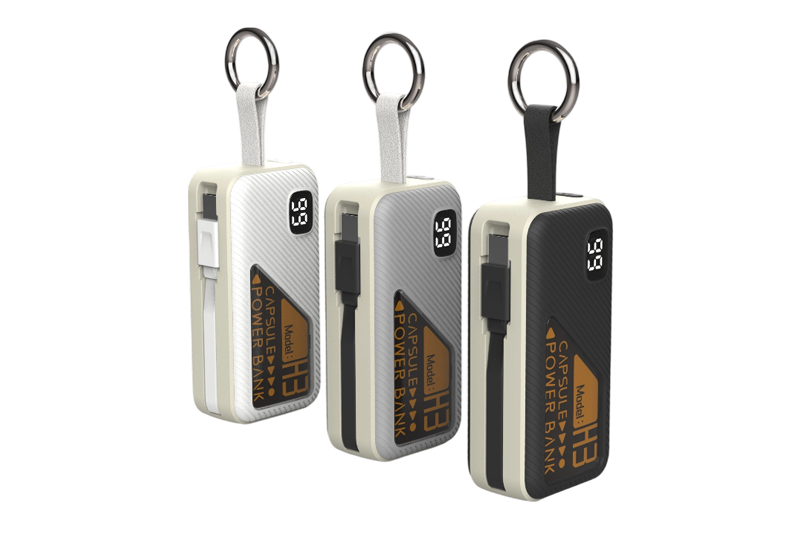 ESC-X023 20W Fast Charging Capsule Power Bank
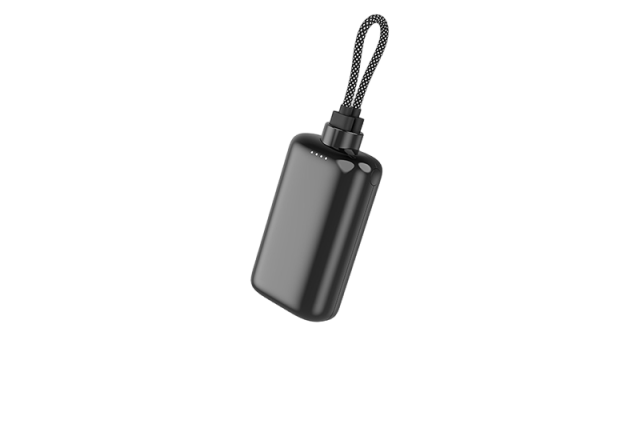 ESC-X024 22.5W 10,000mAh Fast Charging Power Bank
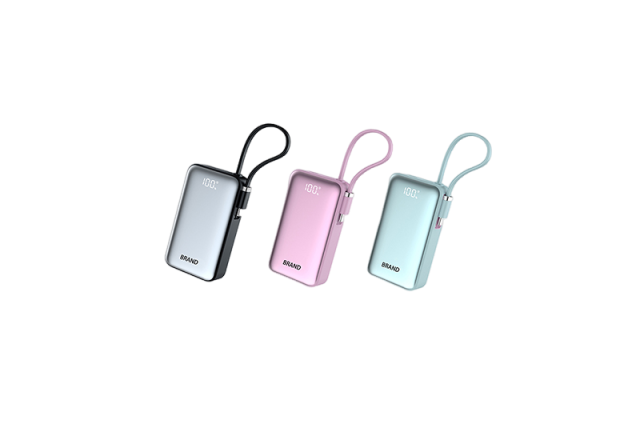 ESC-X025 22.5W Built-in Cable Portable Power Bank
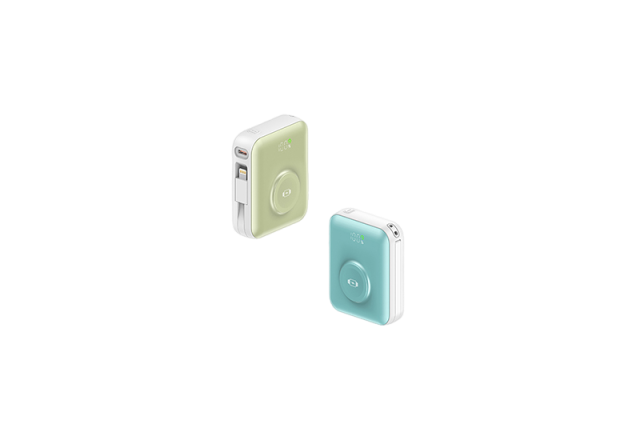 ESC-X026 22.5W 10000mAh Wireless Mini Size Power Bank
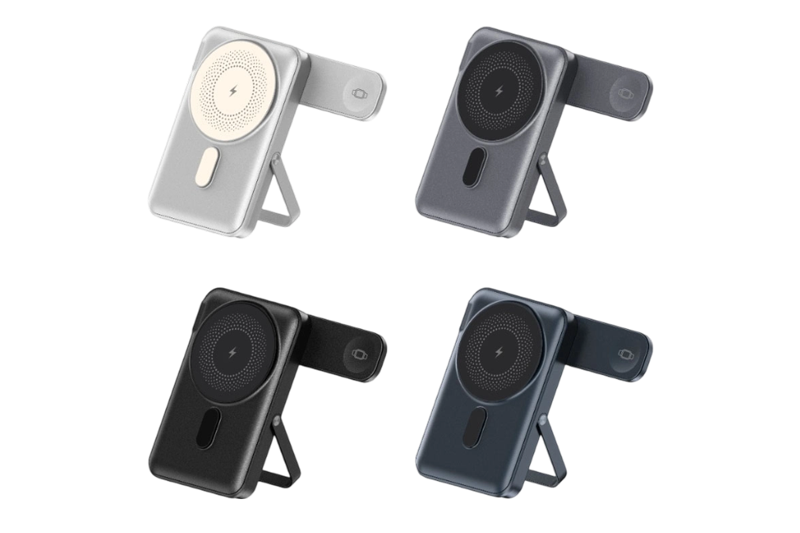 ESC-W018 3-in-1 MagSafe-Style Wireless Charging Stand
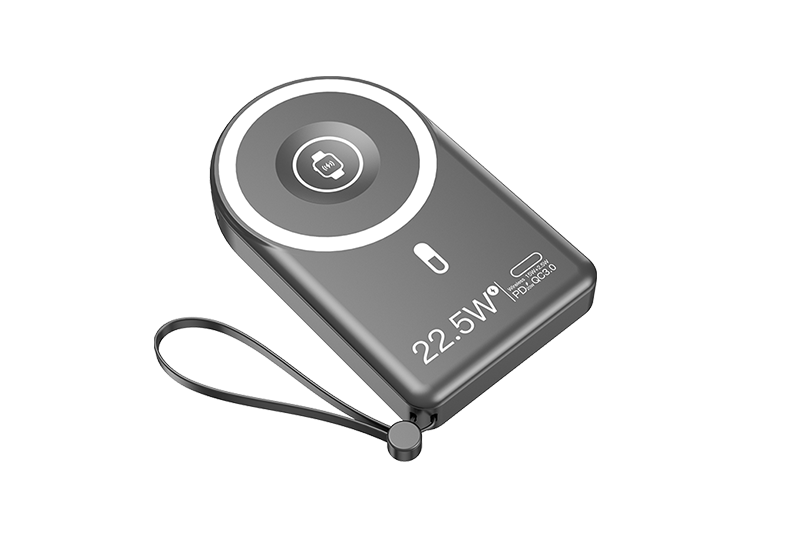 ESC-W017 5000mAh Wireless Ultimate All-in-One Power Solution for Samsung & iPhone Users
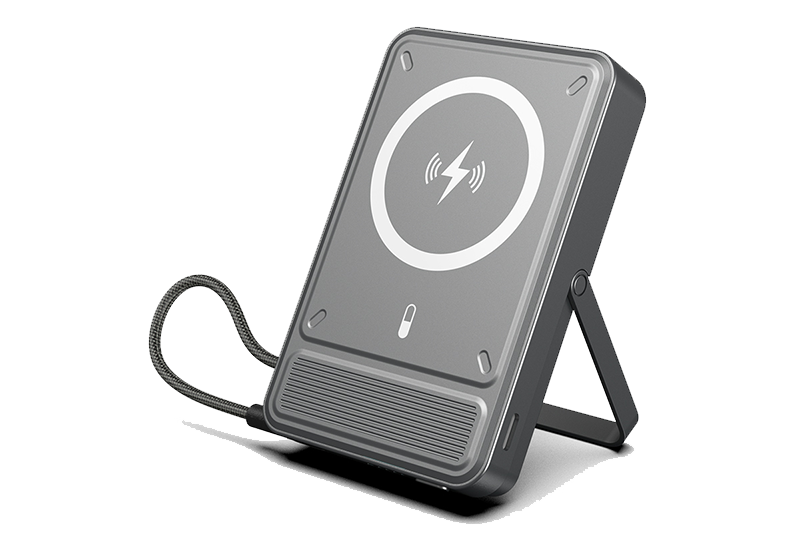 ECS-W016 45W Wireless Power Bank
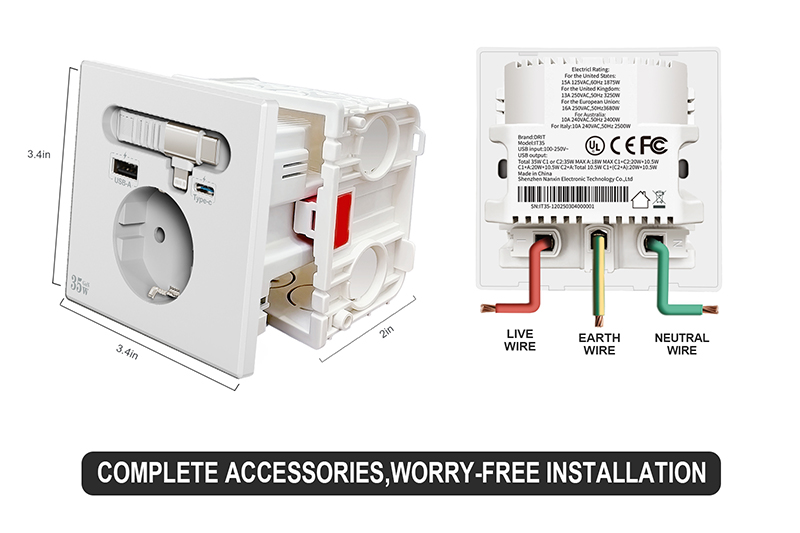 ESC-C019 Ultimate Universal 35W GaN Wall Socket
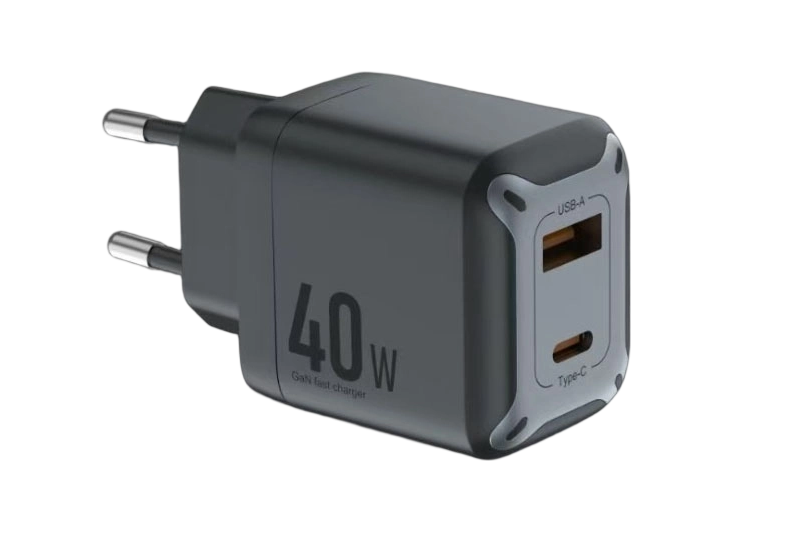 ESC-C018 Small Size 40W GaN Travel Charger
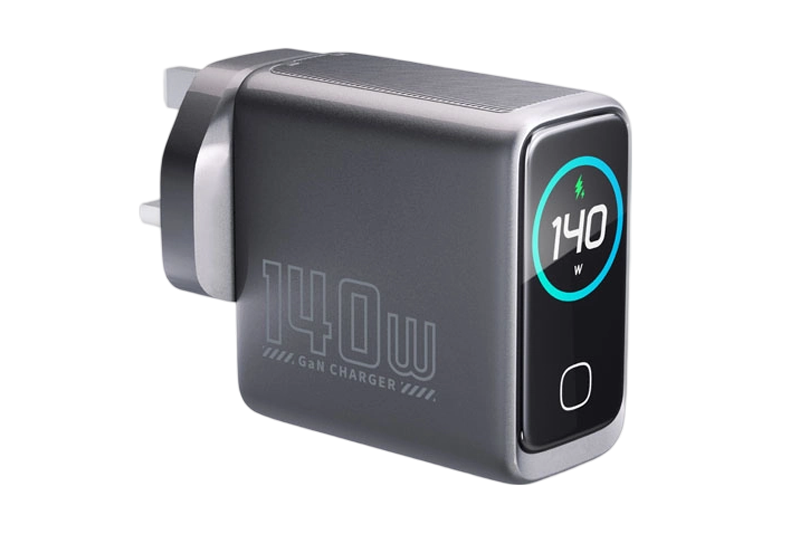 ESC-C017 140W HIGH Speed TFT Screen GaN Charger
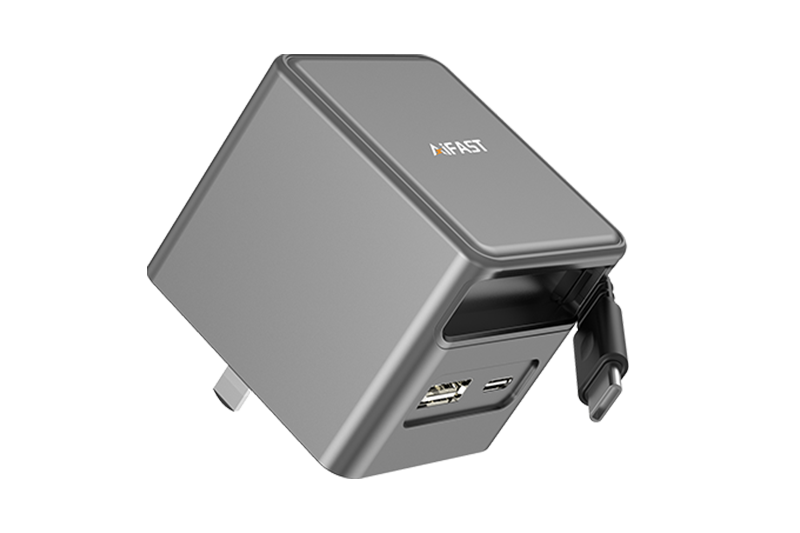 ESC-C016 65CM 65W HIGH Speed Retractable Cable GaN Charger


 Whatsapp
 Wechat