How to Choose the Best Mobile Phone Power Bank for Your Needs?
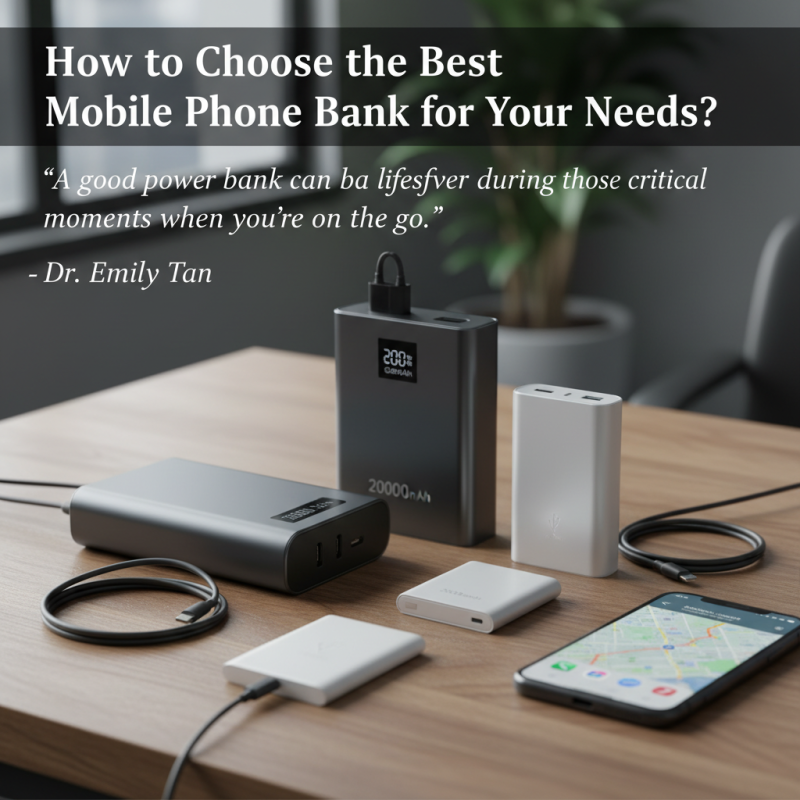
In today's fast-paced world, a reliable Mobile Phone Power Bank is essential. According to industry expert Dr. Emily Tan, "A good power bank can be a lifesaver during those critical moments when you're on the go." This statement underscores the importance of choosing the right power bank suited to individual needs.
When selecting a Mobile Phone Power Bank, consider factors like capacity, size, and charging speed. While many options exist, not all power banks are created equal. Some boast high capacity but lack portability, making them cumbersome to carry. Others are lightweight but may not provide sufficient power for your devices. Striking a balance between these features is crucial.
The variety on the market can be overwhelming. Choices abound, yet not every product will meet your expectations. Some may underperform or fail during crucial moments. Reflecting on user experiences can guide you towards making a well-informed decision. Choosing wisely can mean the difference between convenience and frustration.
Understanding Power Bank Capacity: mAh Explained
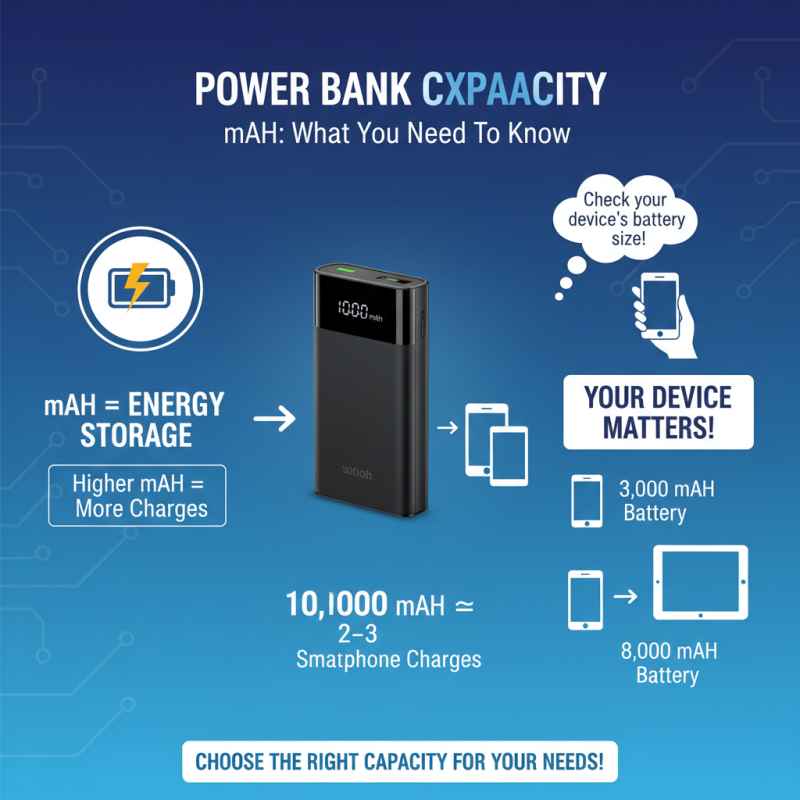
When choosing a power bank, understanding its capacity is crucial. The capacity is measured in milliampere-hours (mAh). This figure indicates how much energy a power bank can store. A higher mAh means more charging capabilities. For instance, a power bank with 10,000 mAh can charge a typical smartphone about two to three times. However, many users overlook how this relates to their own devices.
It's important to consider the devices you plan to charge. Different phones have different battery capacities. If you have a phone with a 3,000 mAh battery, a power bank with 10,000 mAh seems sufficient. But remember, efficiency losses occur during charging. These losses can be between 10% to 20%. So, it’s wise to aim for a power bank with slightly more capacity than you think you need. Otherwise, you may be caught off guard in critical moments.
Moreover, portability is a key factor. A high-capacity power bank can be heavy and bulky. Balancing capacity with size is vital for daily use. If your power bank is too cumbersome, you might leave it behind. It’s a situation worth reflecting on when you choose the right device. Ultimately, think about your needs and habits before making a decision.
Types of Power Banks: Choosing the Right Design for Your Needs
When selecting a power bank, different designs cater to various needs. Portable power banks are compact and travel-friendly. They fit in your pocket or bag easily. If you need something more robust, consider a rugged power bank. These are built to withstand drops and spills, making them ideal for outdoor activities.
**Tips**: Look for a power bank with a high capacity. A capacity of 20,000 mAh can charge your devices multiple times. Also, check for fast charging capabilities. This feature can save you valuable time, especially when you're in a hurry.
Solar power banks are another option. They recharge using sunlight, making them great for camping or outdoor events. However, they can be slow to charge and might not work well in cloudy conditions. Think about where you'll use it most. A bulkier design might be harder to carry but can provide more power. Reflect on your daily needs carefully; it’s about finding balance.
Assessing Charging Speed: Input and Output Ratings to Consider
When selecting a mobile phone power bank, charging speed plays a crucial role. Understanding input and output ratings is essential. A standard power bank outputs 5V at 1A, leading to a charging speed of about 5 watts. However, users may seek faster options. Reports suggest that power banks with output ratings of 2A or higher can reduce charging time significantly.
Tips: Look for power banks offering Quick Charge or Power Delivery protocols. They can drastically cut down on charging duration. Also, consider a power bank's input rating. If it's low, recharge times can be frustratingly long, even with a high output rating.
Many consumers overlook the importance of specifications. Investing in a power bank that matches your device's charging needs is vital. While higher ratings support quick charging, the actual speed can vary by device. Understanding your phone's compatibility can lead to a more satisfying experience. Not all power banks live up to their promises. Always check user reviews to gauge real-life performance.
Portability Factors: Size, Weight, and Design for Travel
When selecting a mobile phone power bank, portability plays a crucial role. Size, weight, and design are key factors to consider, especially for travelers. A compact power bank can easily fit in your pocket or backpack. Reports show that 75% of users prefer power banks under 300 grams for convenience while traveling. Lightweight models are often more sought after, reflecting a growing trend towards minimalism in travel gear.
Tips: Choose a power bank that fits comfortably in your hand. It's easier to carry and use on the go.
Design matters too. Sleek, modern designs appeal to style-conscious travelers. Power banks that feature built-in cables can simplify your experience. Data indicates that over 40% of users love this feature, as it reduces clutter. However, keep an eye on battery capacity. Some compact designs compromise on power, leaving you short on charge.
Tips: Balance style with functionality. Research capacity ratings to ensure your power bank meets your needs. Make informed choices.
Portability Factors of Mobile Phone Power Banks
This chart illustrates the weight and dimensions of power banks of different sizes. Compact power banks are lighter and smaller, making them suitable for travel, while larger ones offer more power but weigh more and take up more space.
Safety Features: What to Look for to Protect Your Devices
When selecting a mobile power bank, safety features should be a top priority. Look for models equipped with overcharge protection. This feature prevents your devices from drawing too much power. Devices can be damaged due to excessive voltage. So, having this safeguard is crucial for longevity.
Short-circuit protection is another important aspect. It helps avoid potential fire hazards. A quality power bank should also include temperature control. If the device overheats, it should automatically shut down. These features not only protect your devices but ensure your safety as well.
One must consider the build quality, too. A rugged exterior can withstand accidental drops. However, some power banks may sacrifice durability for portability. This is a flawed decision as reliability is key. Research your choices carefully and read reviews. Users often share valuable insights about real-life performance. You might uncover hidden issues others have faced. Make informed decisions to keep your devices safe.

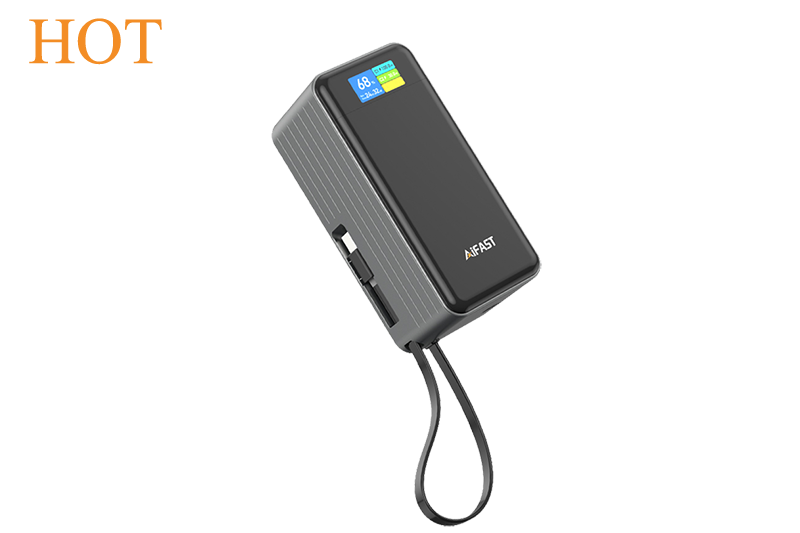 ESC-X019 65W Fast charge power bank
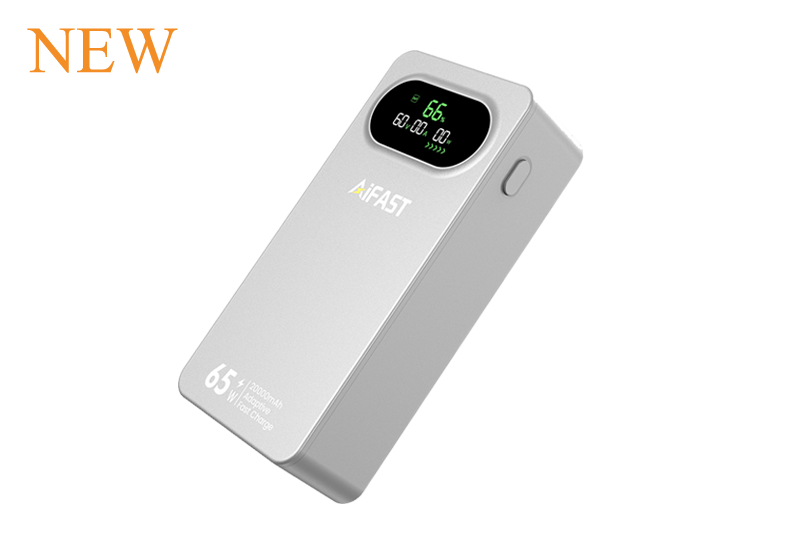 ESC-X018 65W Ultra-Fast 10000mAh Power Bank with TFT Display & Retractable Cable
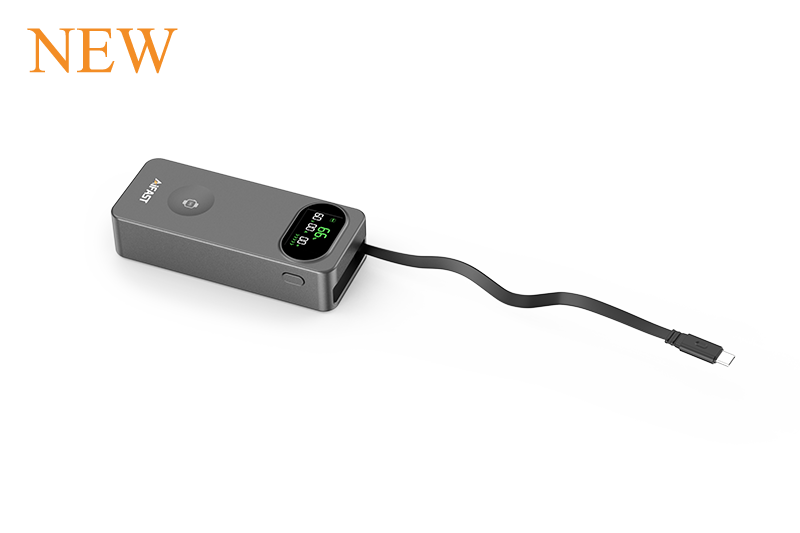 ESC-X017 65W Ultra-Fast 20000mAh Power Bank with TFT Display & Retractable Cable
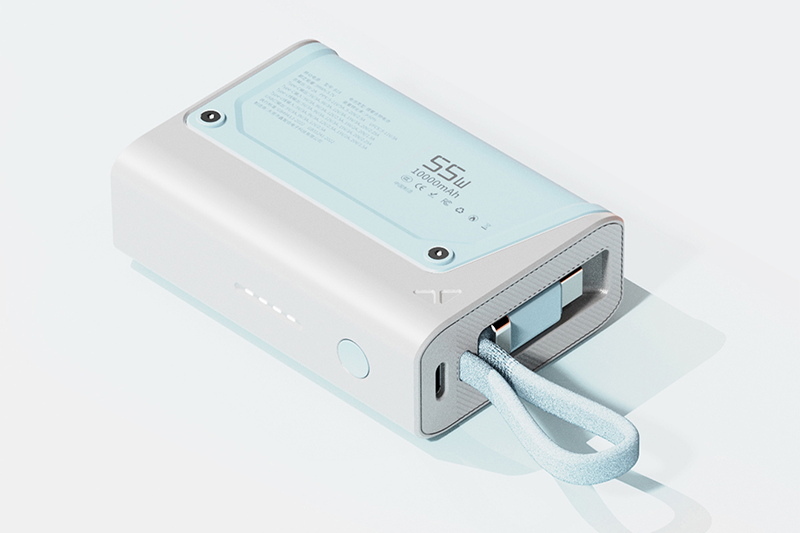 ESC-X020 10000mAh 55W Fast Charge Power Bank with cable built-in
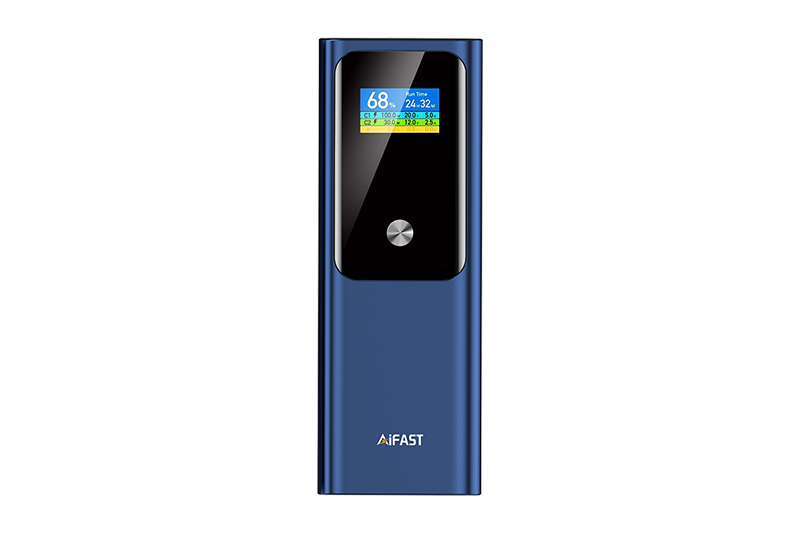 ESC-X016 120W 20000mAh Power Bank with Multi-Protocol TFT Display
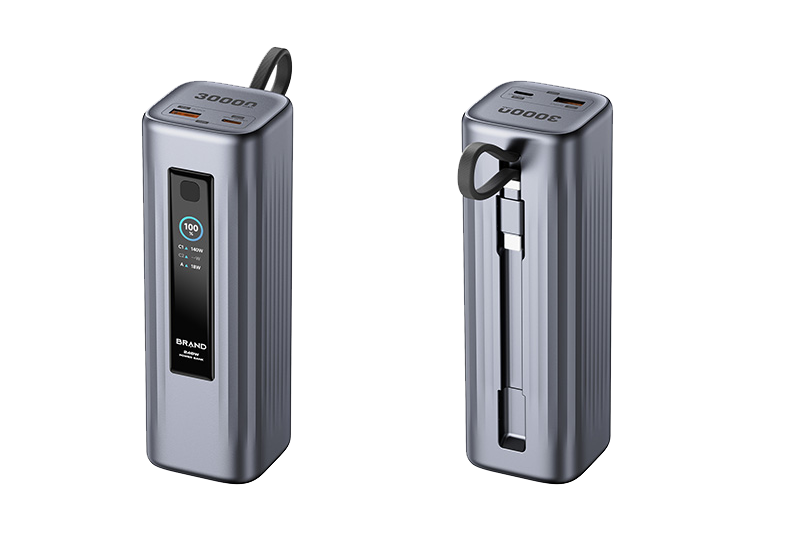 ECS-X022 145W 30,000mAh Power Bank with TFT Display & Retractable Cable
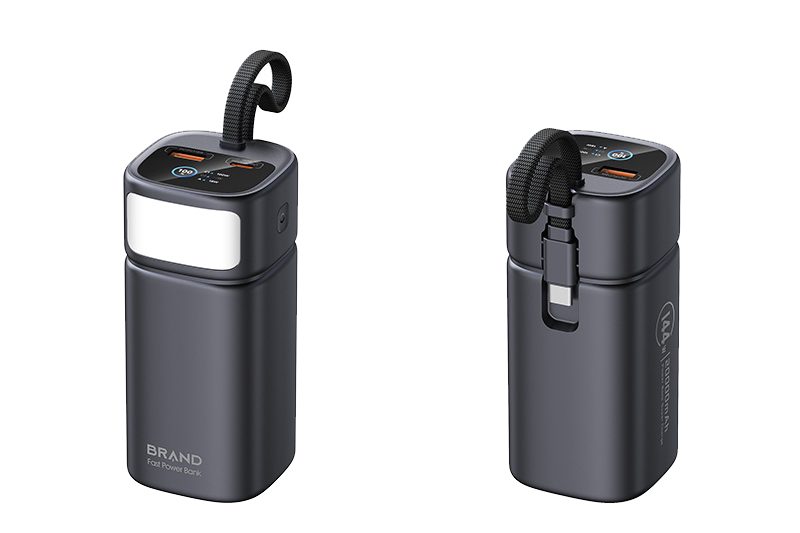 ECS-X021 100W 20,000mAh Power Bank with TFT Display & Retractable Cable
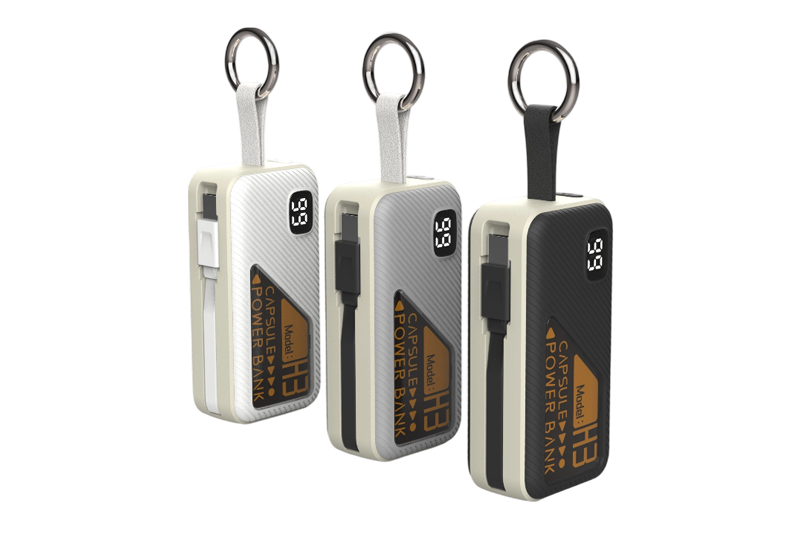 ESC-X023 20W Fast Charging Capsule Power Bank
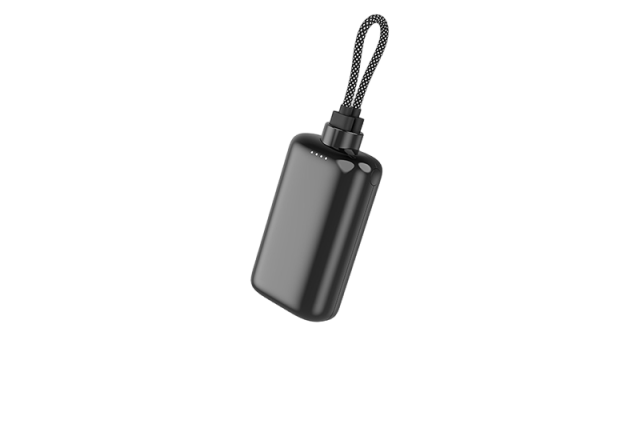 ESC-X024 22.5W 10,000mAh Fast Charging Power Bank
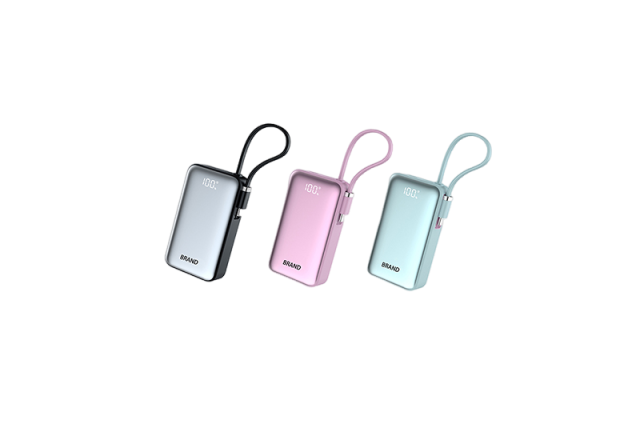 ESC-X025 22.5W Built-in Cable Portable Power Bank
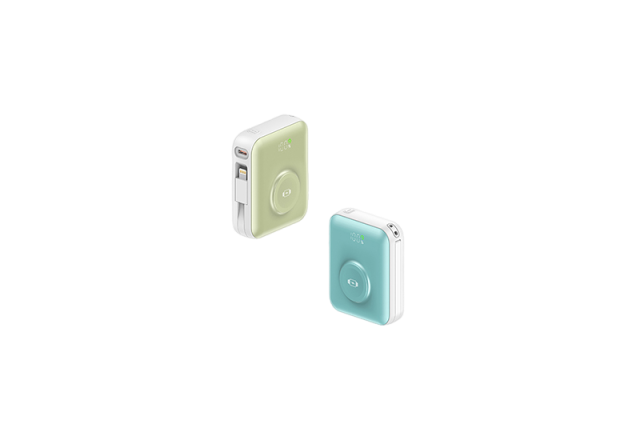 ESC-X026 22.5W 10000mAh Wireless Mini Size Power Bank
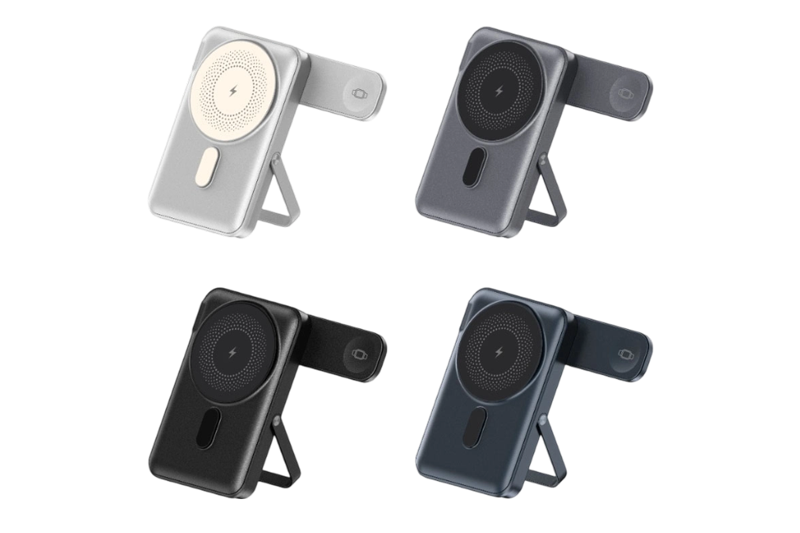 ESC-W018 3-in-1 MagSafe-Style Wireless Charging Stand
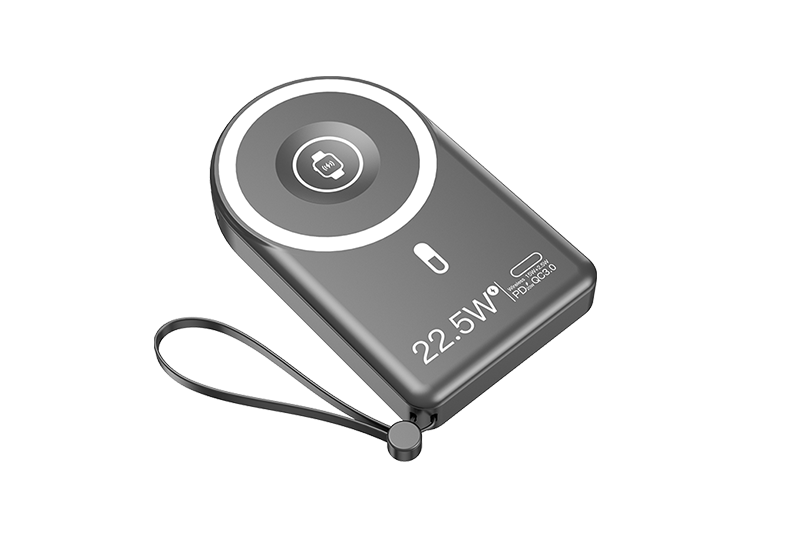 ESC-W017 5000mAh Wireless Ultimate All-in-One Power Solution for Samsung & iPhone Users
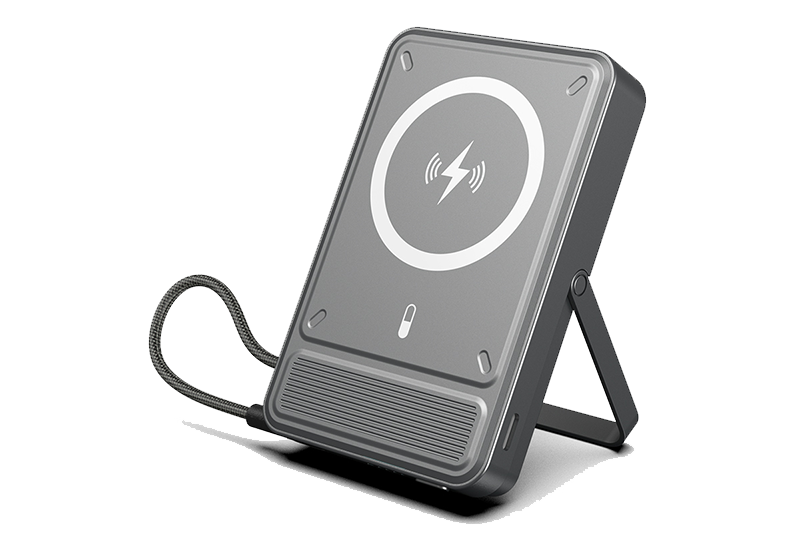 ECS-W016 45W Wireless Power Bank
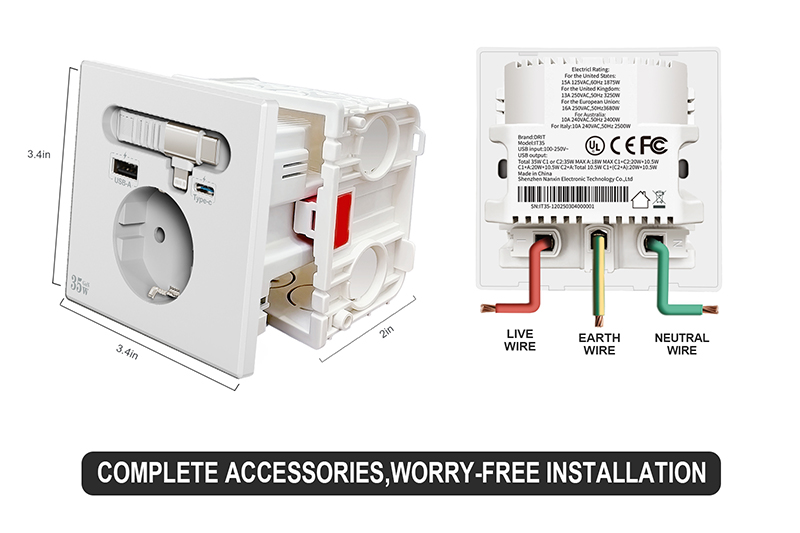 ESC-C019 Ultimate Universal 35W GaN Wall Socket
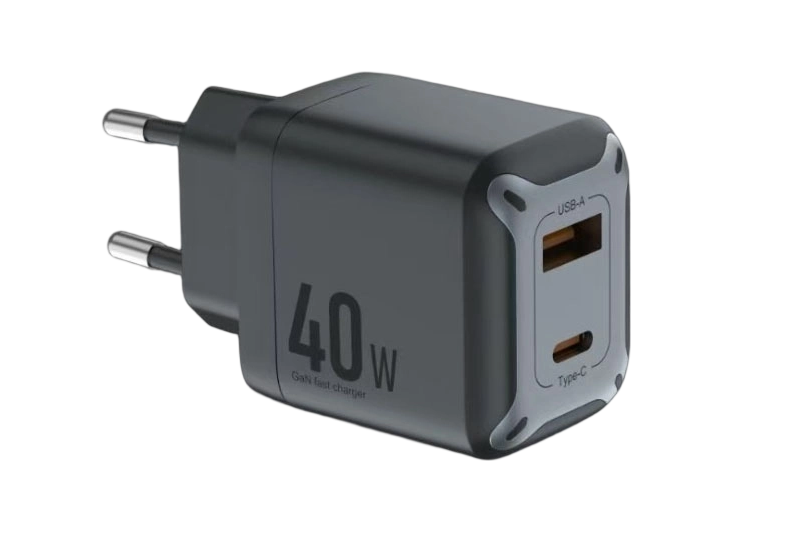 ESC-C018 Small Size 40W GaN Travel Charger
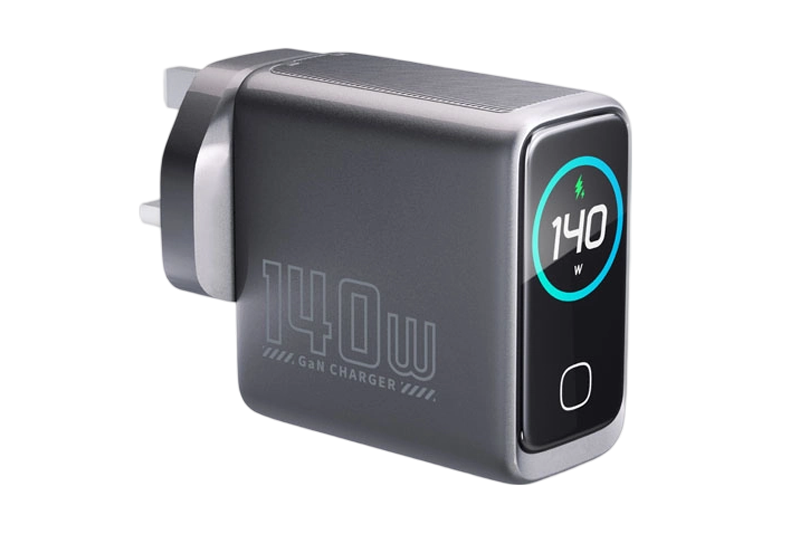 ESC-C017 140W HIGH Speed TFT Screen GaN Charger
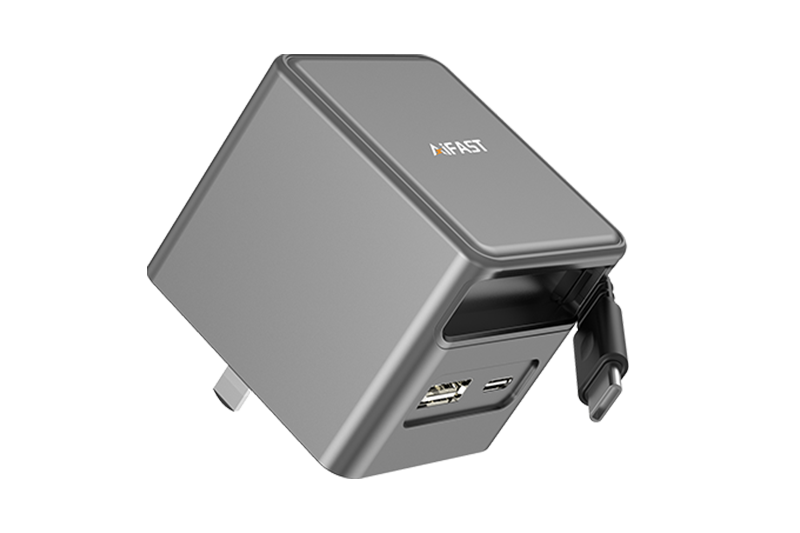 ESC-C016 65CM 65W HIGH Speed Retractable Cable GaN Charger


 Whatsapp
 Wechat