2026 How to Choose the Best Fast Phone Charger for Your Needs?
Choosing the right Fast Phone Charger can significantly enhance your mobile experience. With various options available in the market, it’s crucial to understand your specific needs. Every charger boasts different features, and understanding these can help you make informed decisions.
Consider your device’s compatibility. Not all Fast Phone Chargers work seamlessly with every smartphone. Some chargers support different wattages, affecting charging speed. Moreover, the build quality can vary. A poorly made charger may overheat or cause damage.
Another aspect to reflect on is the price. The most expensive charger isn’t always the best. Researching brands and reading reviews can help. Although you might be tempted by attractive designs, focus on functionality. A balance between style and reliability is vital. Fast Phone Chargers can greatly vary in performance, so choose wisely.
Understanding Fast Charging Technology and Its Benefits
Fast charging technology has revolutionized how we power our devices. This innovation significantly reduces charging time, allowing users to charge their smartphones in a fraction of the time compared to standard chargers. According to a report by the International Electrotechnical Commission, fast chargers can deliver up to 50% charge in just 30 minutes on compatible devices. Such efficiency is becoming essential in our fast-paced lives.
Understanding how this technology works is crucial. Fast charging utilizes higher voltage and current to speed up the charging process. The latest advancements include USB Power Delivery (PD) and Qualcomm’s Quick Charge, which enhance compatibility across various devices. Different standards can significantly impact charging speeds, requiring users to consider their device's specifications. As charging technology evolves, the need for appropriate chargers also arises, highlighting the gap in awareness among many users about the differences in fast charging capabilities.
Despite the clear benefits, users must also reflect on the potential downsides. Fast charging generates more heat, which can affect battery longevity over time. Using incompatible chargers can lead to reduced efficiency or even damage. Thus, understanding device requirements and choosing the right charger is vital. With high stakes in both convenience and safety, informed decisions are more important than ever.
Identifying Your Device's Charging Requirements
When choosing a fast phone charger, understanding your device's charging requirements is crucial. Each smartphone features specific voltage and amperage needs. For instance, an older model may charge efficiently with 5V at 2A. Meanwhile, newer models often require higher power outputs. This can range from 9V at 1.67A to even higher for optimal performance.
You should check your device specifications to know its requirements. Look for fast charging capabilities in the user manual. Some devices may support multiple charging protocols. This is important when selecting a compatible charger. A mismatch can lead to slower charging times or even damage your battery. While considering various chargers, aim for ones that clearly state their compatibility.
Keep in mind that not all chargers are equal. Some may not provide the advertised output. Reading user reviews can help you find reliable options. Feedback from other users often reveals potential issues. This step is key in ensuring you don’t overlook charger quality. Ultimately, aligning your charger with your device’s specific needs enhances your charging experience significantly.
Key Features to Look for in a Fast Phone Charger
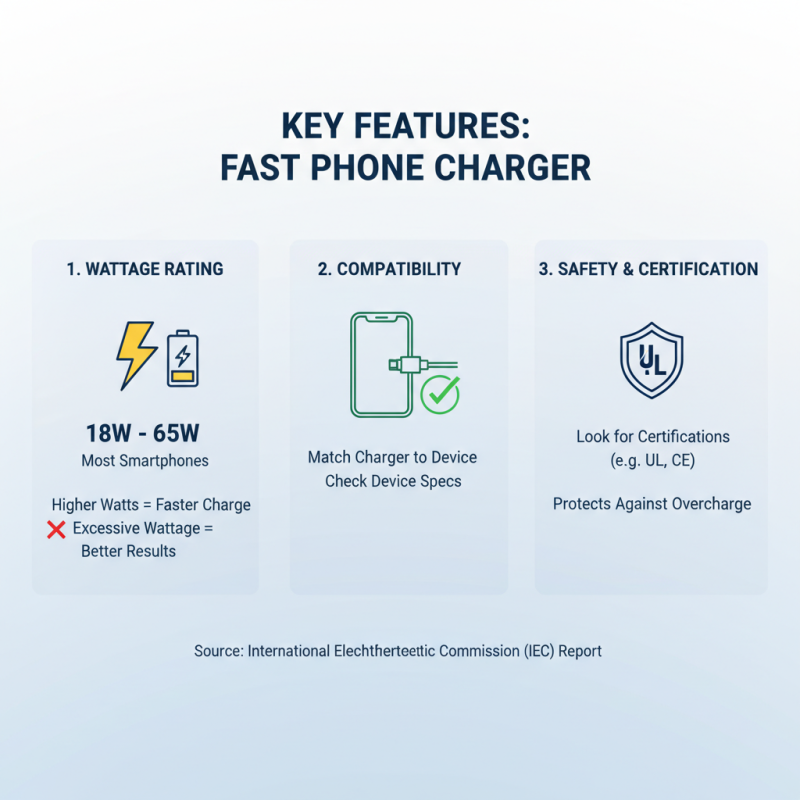
When selecting a fast phone charger, several key features are crucial for optimal performance. The wattage rating is a primary consideration. Most smartphones can benefit from chargers ranging from 18W to 65W. A report by the International Electrotechnical Commission (IEC) highlights that higher wattage can significantly reduce charging time, yet compatibility is essential. Using a charger with excessive wattage may not always yield better results for your device.
The presence of smart charging technology adds significant value. This technology adjusts the power output based on device requirements, preventing overheating and ensuring efficient charging. According to industry studies, chargers with adaptive charging can enhance battery longevity by up to 20%. While many chargers offer fast charging, not all implement this technology effectively. Look for chargers that specify this feature in their specifications.
Additionally, cable quality and type cannot be overlooked. Fast charging often requires specific cable standards, such as USB-C with Power Delivery (PD) support. Moreover, durability matters. Research suggests that poor cable quality is a leading cause of charging failures. Seek out cables that have undergone rigorous testing. This foresight can save time and frustration while ensuring that your device is charged securely and quickly.
Comparing Different Fast Charging Standards and Protocols
In recent years, fast charging technologies have become crucial in our daily lives. They provide a solution to our increasing demand for quick power-ups. Various standards exist, such as Qualcomm Quick Charge, USB Power Delivery (USB-PD), and Adaptive Fast Charging. Understanding these protocols can significantly impact your charging experience.
Qualcomm Quick Charge offers impressive charging speeds, reaching up to 50% in just 15 minutes. On the other hand, USB Power Delivery can charge devices at rates of up to 100 watts. This versatility makes USB-PD popular for a range of devices, from smartphones to laptops. Research indicates that over 80% of consumers feel that faster charging enhances their device experience, highlighting the importance of choosing the right standard.
However, not all devices support every charging protocol. Mixing protocols can lead to underwhelming results. For instance, using a Qualcomm charger on a device optimized for USB-PD may not provide the expected speed. This disconnect is often overlooked. It's essential to verify compatibility before investing in a charger. As standards evolve, staying informed is key to maximizing your device's potential.
Comparison of Fast Charging Standards
Safety Considerations When Choosing a Fast Phone Charger
When selecting a fast phone charger, safety should be a top priority. Fast charging technologies, such as Qualcomm's Quick Charge and USB Power Delivery, allow for rapid power delivery compared to standard chargers. However, rapid power transfer generates heat, which can be dangerous if not managed properly. According to various studies, chargers that lack built-in safety features are more likely to cause overheating and can damage your device.
An important consideration is to choose chargers certified by relevant safety organizations. Look for the UL (Underwriters Laboratories) mark or CE certification in Europe. These certifications indicate that the charger has been tested for safety and efficiency. A study published in the International Journal of Electrical Engineering found that uncertified chargers have a 65% higher chance of failure, which can lead to device damage.
Tips for finding a safe fast charger: Always check the wattage. Ensure it matches your phone's requirements. Avoid chargers that seem too cheap. If they lack proper branding, they might compromise safety. Remember, cheap does not equal safe. Be cautious of low-quality cables as they can also affect the charging speed and safety.
Fast charging is convenient, but flaws exist. Over time, you may find that a charger has a reduced lifespan. Regularly inspect your charger and cable for any signs of wear. Trust your instincts—if something appears off, it probably is.

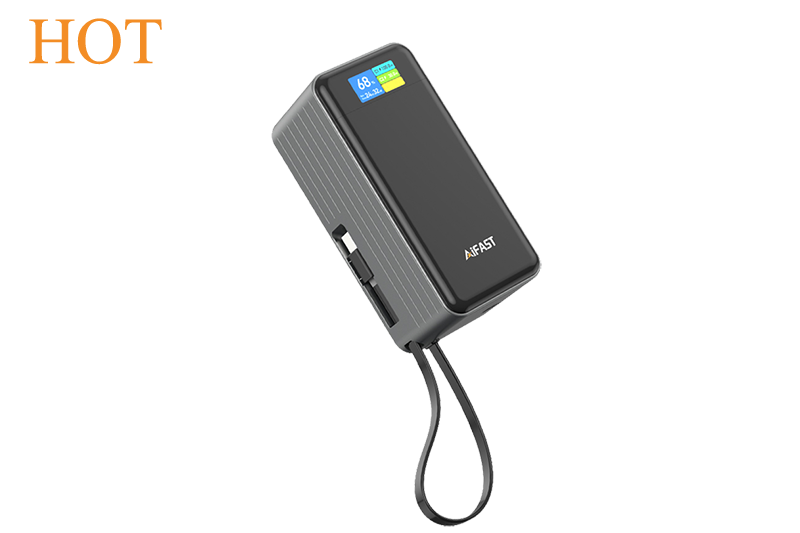 ESC-X019 65W Fast charge power bank
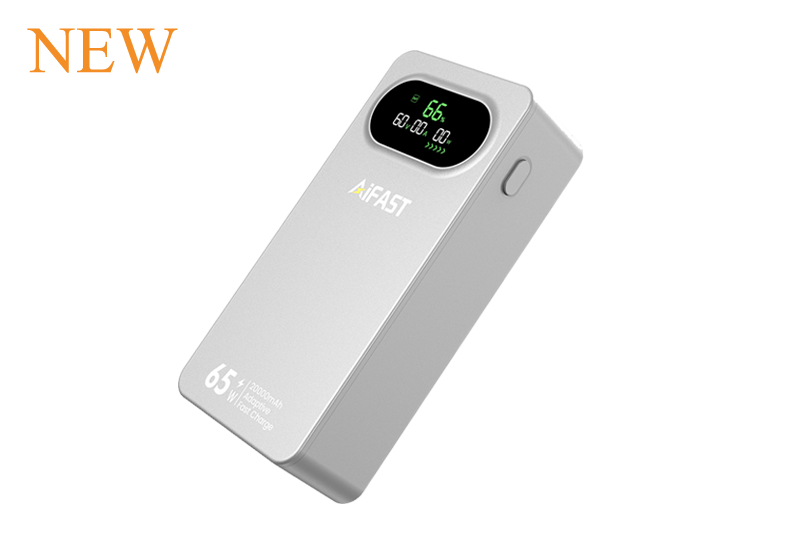 ESC-X018 65W Ultra-Fast 10000mAh Power Bank with TFT Display & Retractable Cable
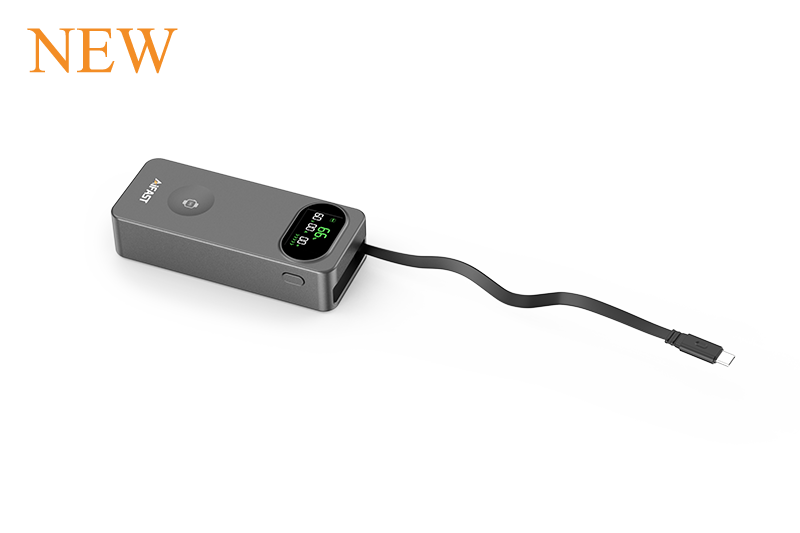 ESC-X017 65W Ultra-Fast 20000mAh Power Bank with TFT Display & Retractable Cable
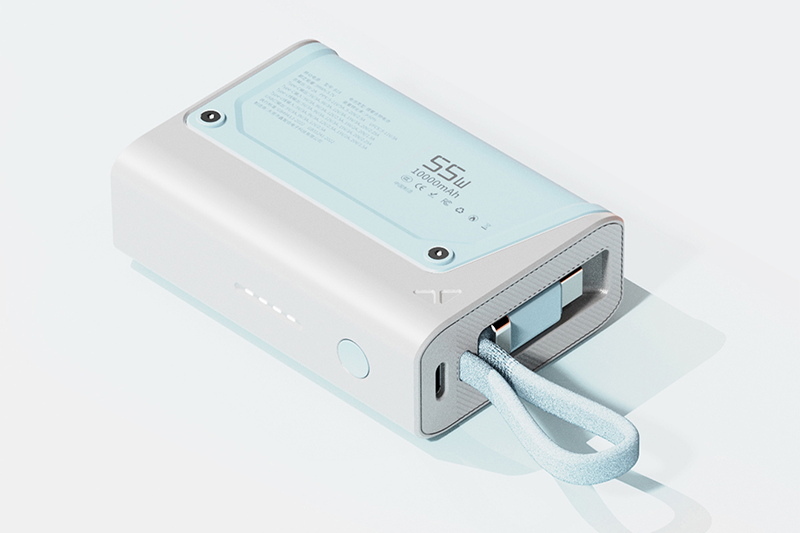 ESC-X020 10000mAh 55W Fast Charge Power Bank with cable built-in
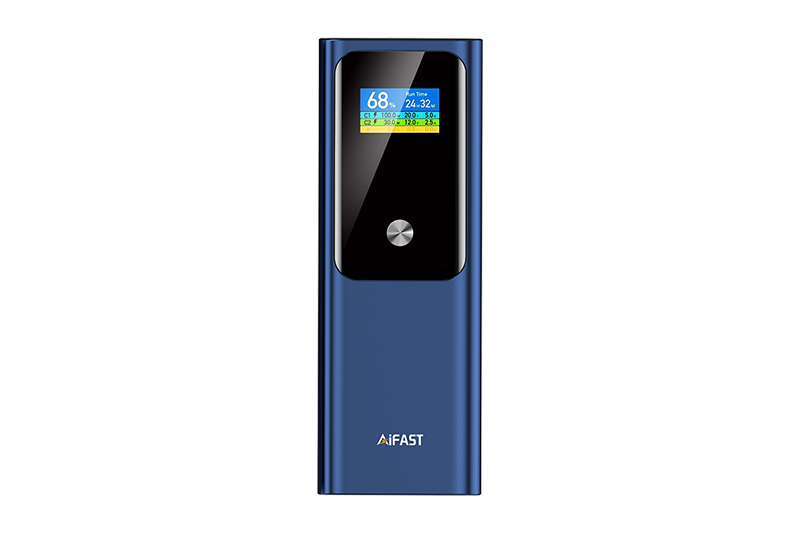 ESC-X016 120W 20000mAh Power Bank with Multi-Protocol TFT Display
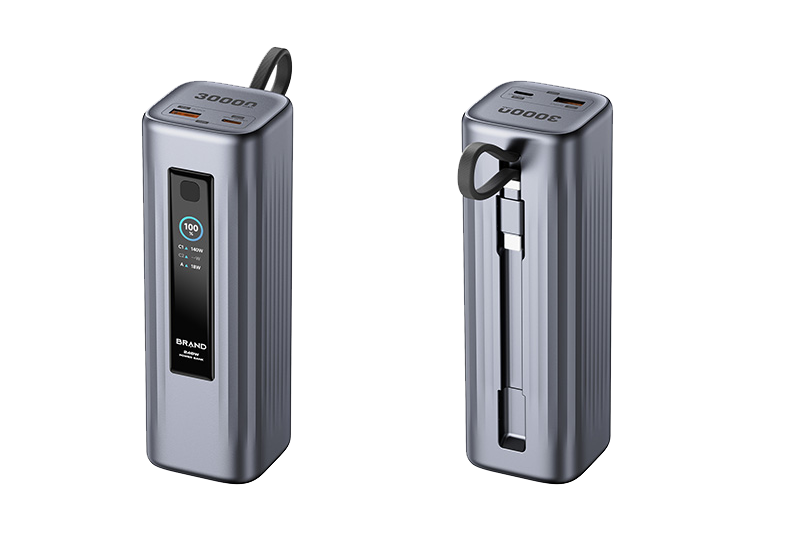 ECS-X022 145W 30,000mAh Power Bank with TFT Display & Retractable Cable
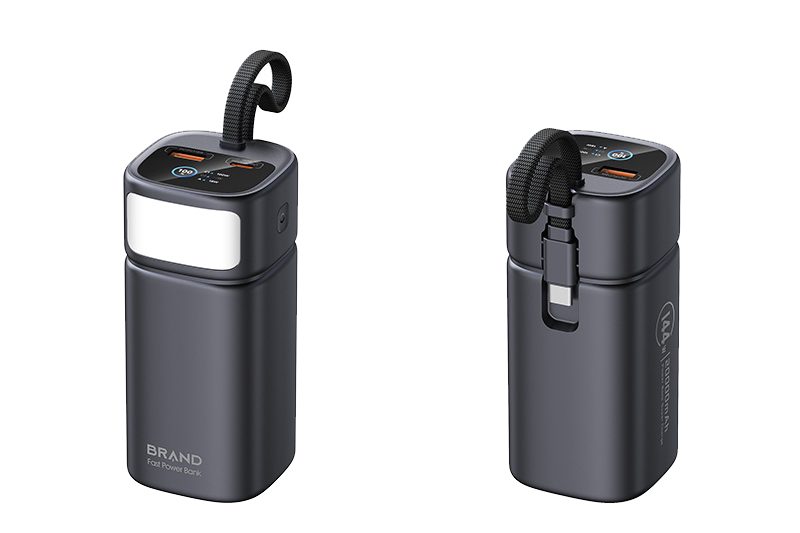 ECS-X021 100W 20,000mAh Power Bank with TFT Display & Retractable Cable
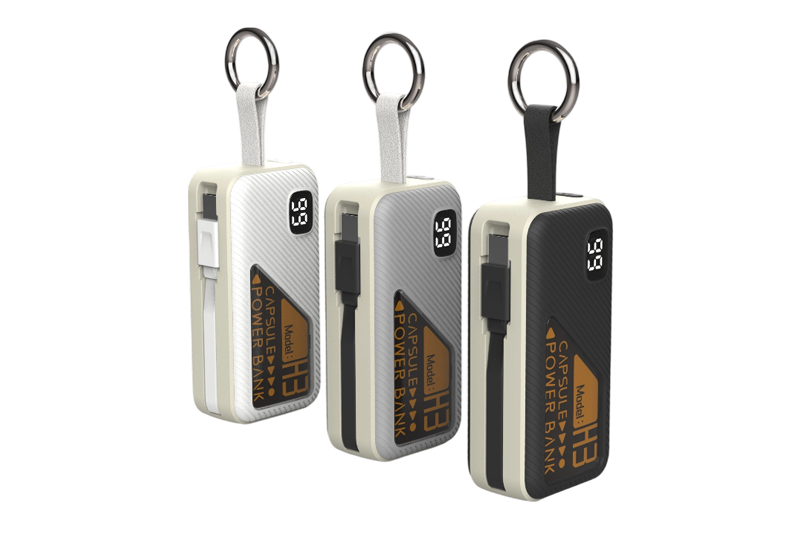 ESC-X023 20W Fast Charging Capsule Power Bank
 ESC-X024 22.5W 10,000mAh Fast Charging Power Bank
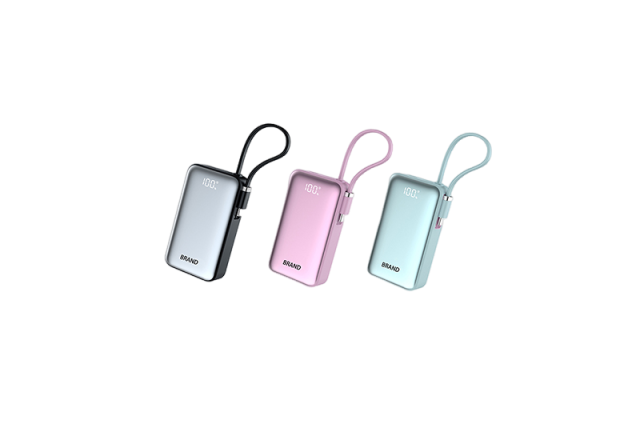 ESC-X025 22.5W Built-in Cable Portable Power Bank
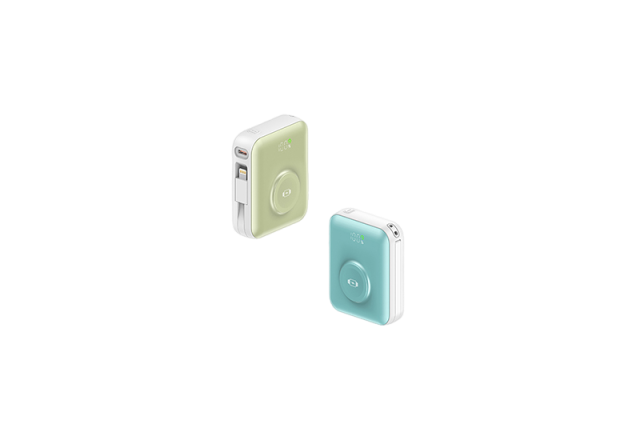 ESC-X026 22.5W 10000mAh Wireless Mini Size Power Bank
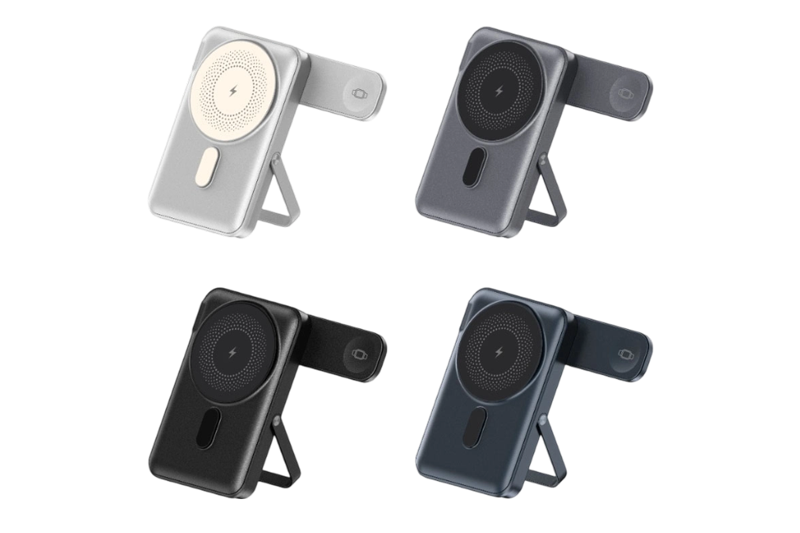 ESC-W018 3-in-1 MagSafe-Style Wireless Charging Stand
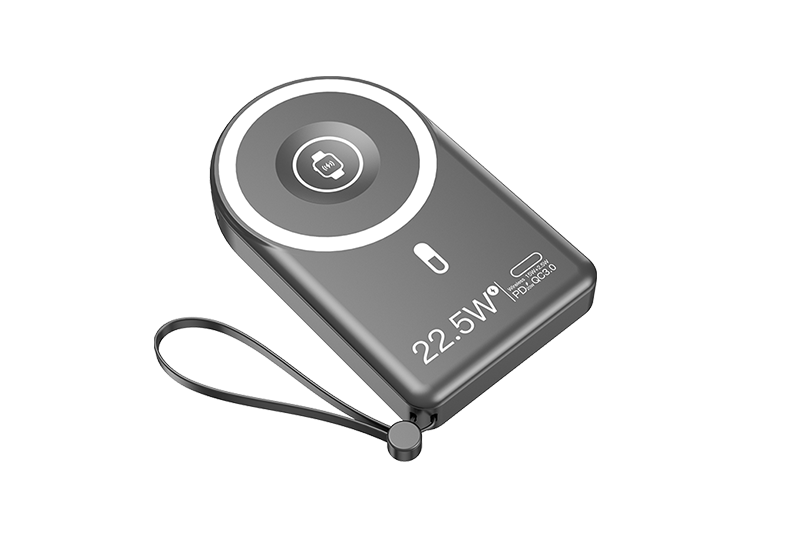 ESC-W017 5000mAh Wireless Ultimate All-in-One Power Solution for Samsung & iPhone Users
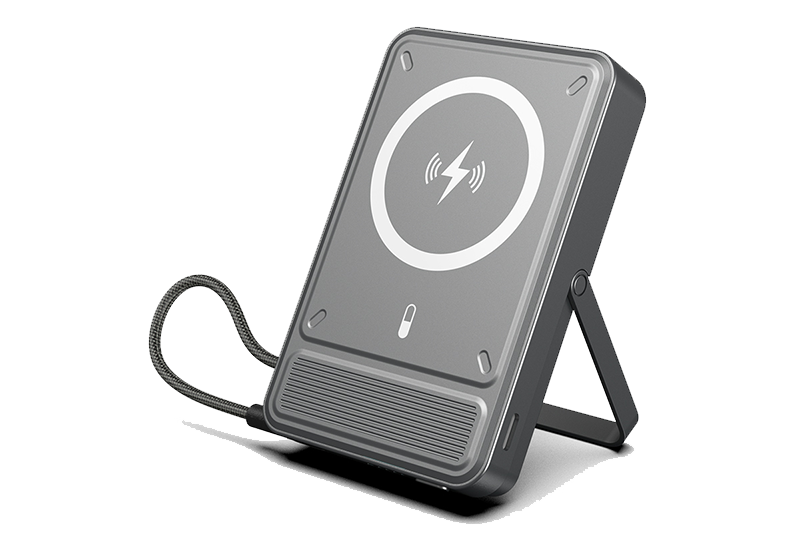 ECS-W016 45W Wireless Power Bank
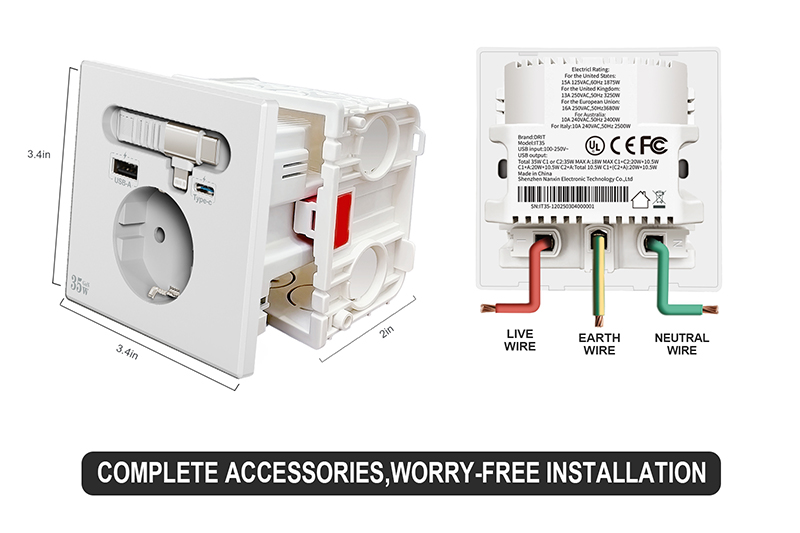 ESC-C019 Ultimate Universal 35W GaN Wall Socket
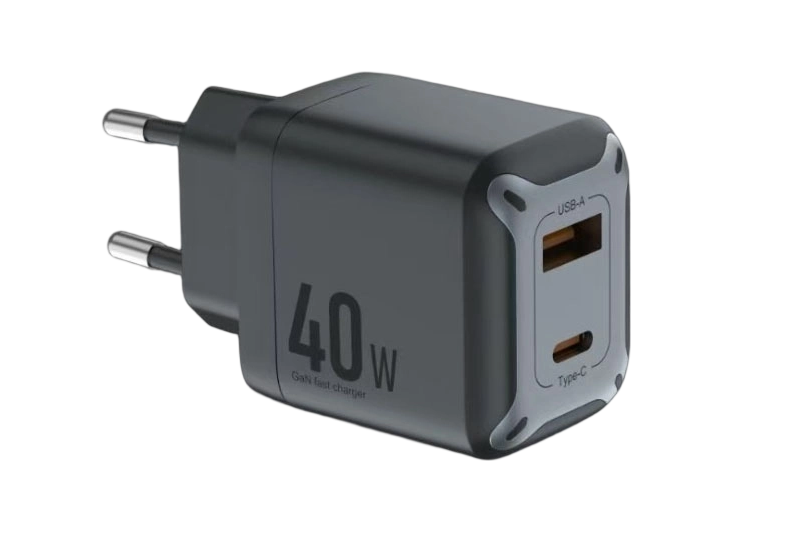 ESC-C018 Small Size 40W GaN Travel Charger
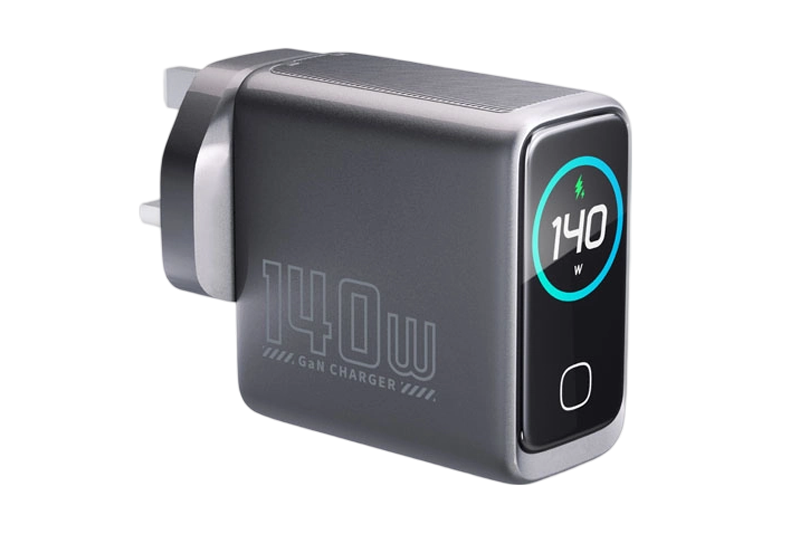 ESC-C017 140W HIGH Speed TFT Screen GaN Charger
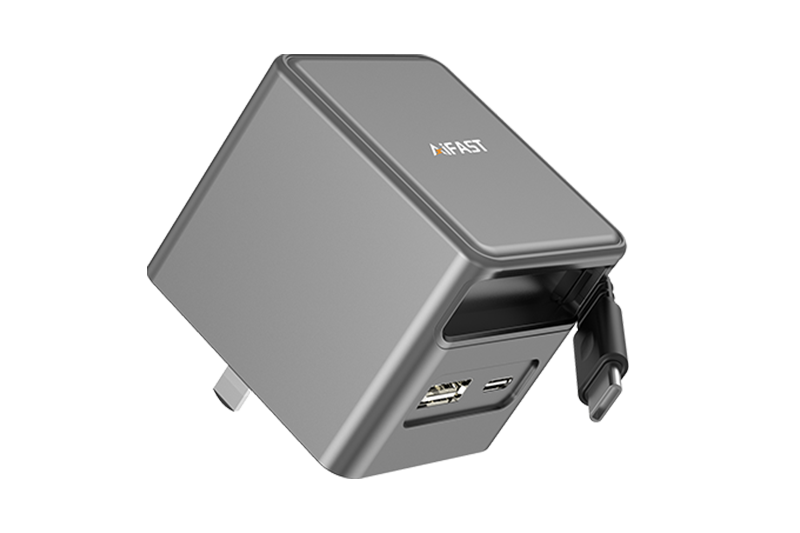 ESC-C016 65CM 65W HIGH Speed Retractable Cable GaN Charger


 Whatsapp
 Wechat