How to Choose the Best Phone Power Bank for Your Needs?
In today's fast-paced world, staying connected is essential. A reliable Phone Power Bank can keep your devices charged on the go. According to Statista, the global portable charger market is projected to reach $27 billion by 2026, reflecting the increasing demand for power solutions. Many users face confusion when selecting the right power bank, as options vary greatly in capacity, size, and technology.
Battery capacity is a crucial factor. Many people overlook how mAh ratings translate to actual usage. A typical smartphone might require 2000-3000 mAh for a full charge, but this varies. Additionally, features like quick charging can enhance convenience. However, not all power banks come with smart technology to prevent overheating or overcharging.
It is vital to evaluate personal needs against performance. Some Phone Power Banks are compact but may lack sufficient power. Others provide high capacity but are bulky. Finding a balance requires thoughtful consideration of daily routines and device usage. Reflecting on your power needs can lead to smarter choices in the long run. Choosing wisely can save frustration during critical moments.
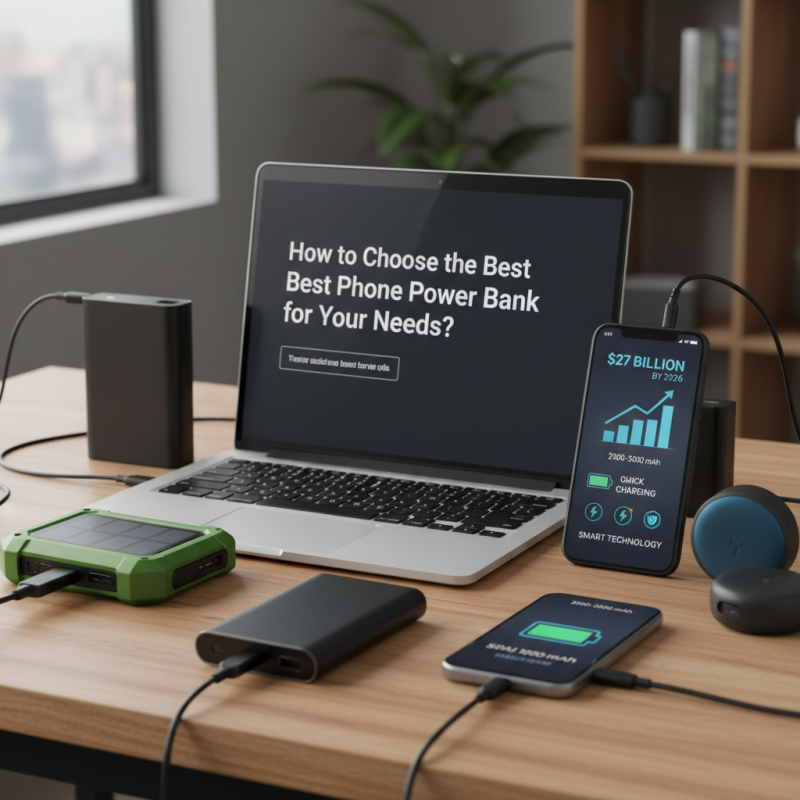
Factors to Consider When Selecting a Phone Power Bank
When selecting a phone power bank, several factors come into play. Battery capacity is crucial. Measured in milliamp hours (mAh), a higher number means more charging power. For a standard smartphone, a power bank with at least 10,000 mAh is ideal. This capacity can recharge your phone multiple times.
Tips: Always check how many times your power bank can fully charge your device. It often helps to know your phone’s battery size.
Portability is another aspect to consider. A lightweight and compact design allows for easier carrying. Some power banks can be very bulky, making them inconvenient. Opt for a slimmer option if you plan to carry it daily.
Tips: Think about how you will use the power bank. If you travel often, a model that easily fits in your pocket could be a game-changer.
Charging speed matters too. Look for power banks that support fast charging if that’s what you need. Those with multiple output ports provide additional flexibility. However, more ports can mean a larger size, which is a trade-off to ponder.
Tips: Evaluate your charging habits and if you often need to charge multiple devices at once. This can significantly influence your choice.
How to Choose the Best Phone Power Bank for Your Needs?
Understanding Battery Capacity and Output Power Measurements
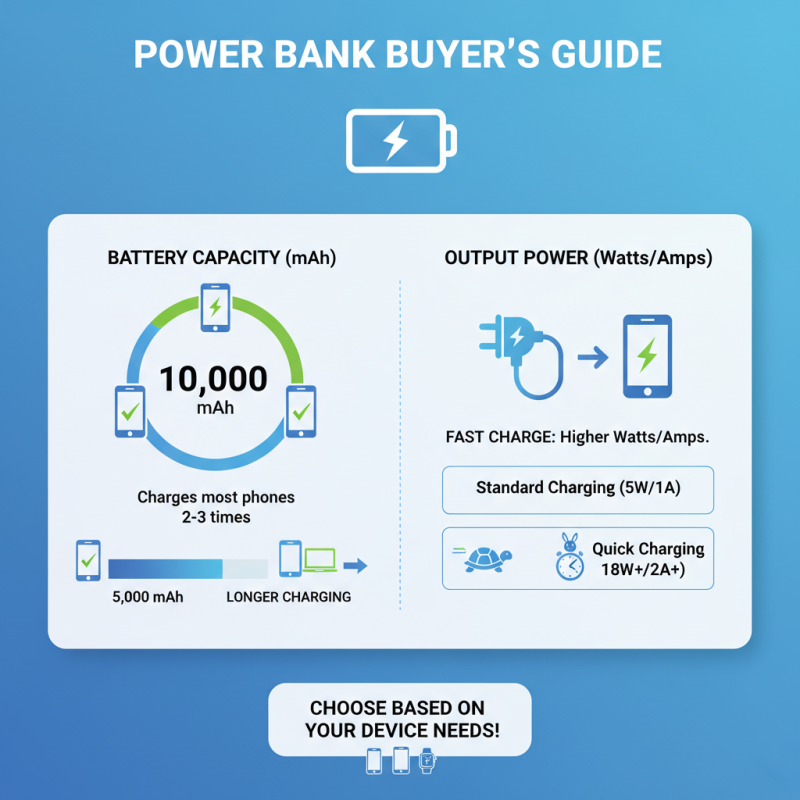
When choosing a power bank, understanding battery capacity and output power is crucial. Battery capacity is measured in milliamp-hours (mAh). A higher mAh value means a longer charging capability. For example, a 10,000 mAh power bank can charge most phones two to three times. However, some users may overlook their actual needs. It's easy to pick a model with high capacity, but consider your device's needs first.
Output power is measured in watts (W). The higher the wattage, the faster your device charges. Most smartphones require 5W to 18W for optimal charging. Some users may assume more power is always better, but compatibility matters. Too high output can damage some devices. Look for compatibility specs to avoid issues.
Tips: Always check your device's maximum charge rate. It can save you from unnecessary frustration. Look for power banks with smart charging features. These adjust the output based on your device. This ensures efficient charging, which is often overlooked. Balancing capacity and output power can seem complicated. However, a bit of research can lead to better choices.
Exploring Different Types of Power Banks Available on the Market
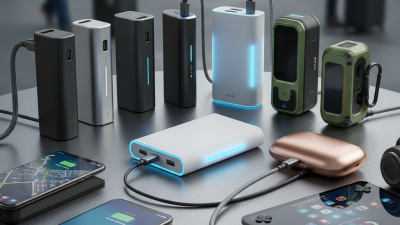
When looking for a power bank, it’s crucial to explore the various types available on the market. One popular option is the slim power bank.
These compact devices are easily portable and fit in your pocket. Their sleek design appeals to users who dislike bulkiness. However, their capacity often falls short for heavy users. You may find yourself recharging them frequently.
Another type is the high-capacity power bank. These units can charge multiple devices multiple times. They often feature multiple ports too. However, their weight can be a drawback. Carrying a high-capacity device might feel burdensome during daily commutes. You need to ask yourself if the extra weight is worth the convenience.
Solar power banks offer a unique alternative. They harness sunlight for energy. This can be useful in outdoor settings. Yet, their efficiency depends heavily on weather conditions. Cloudy skies can render them ineffective. This could lead to frustration if you rely on them during extended trips. Every option comes with trade-offs. Reflecting on your personal needs can guide you to the best choice.
Key Features to Look for in a Quality Power Bank
When choosing a power bank, key features can make all the difference. Battery capacity is crucial. Look for mAh ratings that suit your device. If you have a smartphone, aim for a power bank with at least 10,000 mAh. This will ensure a full charge and some extra energy. But remember, larger capacity means more weight. You might have to compromise on portability.
Fast charging is another important aspect. Many power banks offer quick charge functions. This means you can juice up your phone faster. But make sure your phone supports this feature too. Not all devices can handle rapid charging safely. Additionally, check for multiple output ports. This allows you to charge multiple devices at once. However, the total output may decrease with more devices connected.
Lastly, safety features should never be overlooked. Look for short-circuit protection and overcharge protection. These features protect both the power bank and your devices. It’s easy to get caught up in flashy designs or extra features. But always prioritize reliability. A power bank that fails to charge during an important moment is useless. Think about what you truly need before making a choice.
How to Choose the Best Phone Power Bank for Your Needs? - Key Features to Look for in a Quality Power Bank
| Feature |
Description |
Importance |
| Capacity |
Measured in mAh, indicates how much charge the power bank can store. |
Very Important |
| Output Ports |
Number of devices you can charge simultaneously and type of ports available. |
Important |
| Input Charging Speed |
How quickly the power bank can be recharged. |
Important |
| Size and Weight |
Compact design for portability while maintaining capacity. |
Moderately Important |
| Safety Features |
Overcharge protection, short circuit prevention, etc. |
Very Important |
| Brand Reputation |
Reliability and service quality of the manufacturer. |
Moderately Important |
| Price |
Value for money compared to the features offered. |
Important |
Tips for Matching Power Banks with Your Device Needs
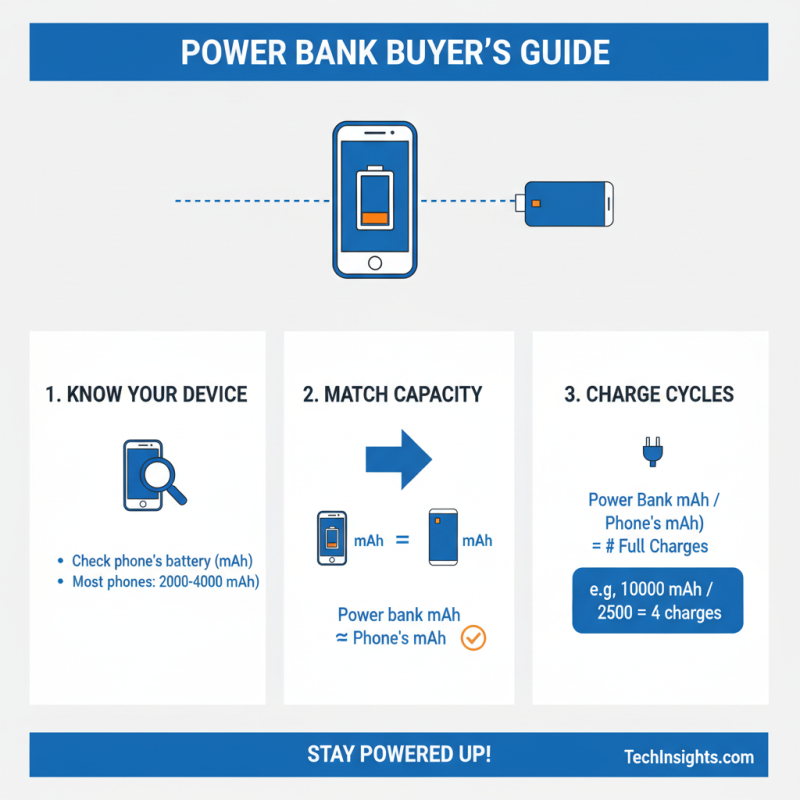
Choosing the right power bank can be challenging. It's essential to consider your device's requirements. Check the battery capacity of your phone. Most phones need 2000 to 4000 mAh for a full charge. Match the mAh rating of the power bank closely to your phone’s battery size.
Think about how you use your phone. Do you travel frequently? If so, a lightweight, compact power bank is vital. Look for one that is easy to carry but still offers sufficient power. Consider the number of charges as well. A power bank that provides at least two full charges can be very useful.
Don't overlook the charging speed. Some power banks support fast charging. This feature can significantly reduce wait times. Also, assess the number of ports available. If you use multiple devices, having extra ports can be beneficial. Remember, it might take time to find the perfect match for your needs. Test various options to see what works best. Your choice may evolve with new devices or changing habits.

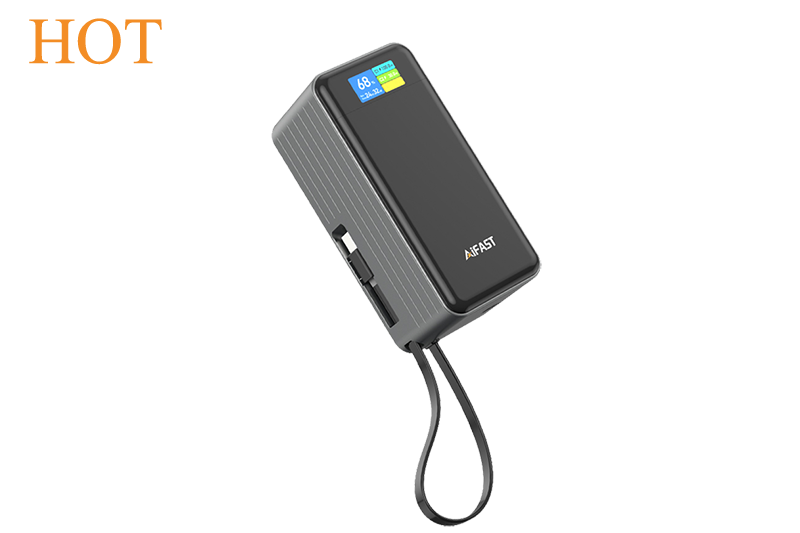 ESC-X019 65W Fast charge power bank
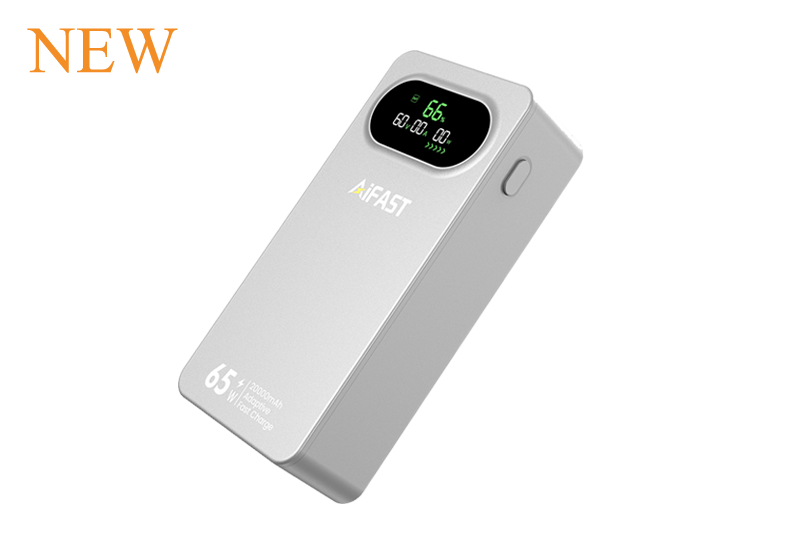 ESC-X018 65W Ultra-Fast 10000mAh Power Bank with TFT Display & Retractable Cable
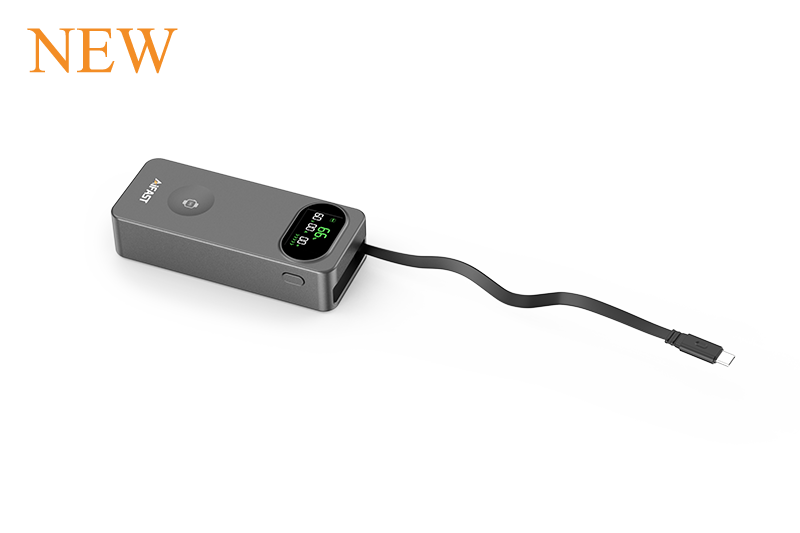 ESC-X017 65W Ultra-Fast 20000mAh Power Bank with TFT Display & Retractable Cable
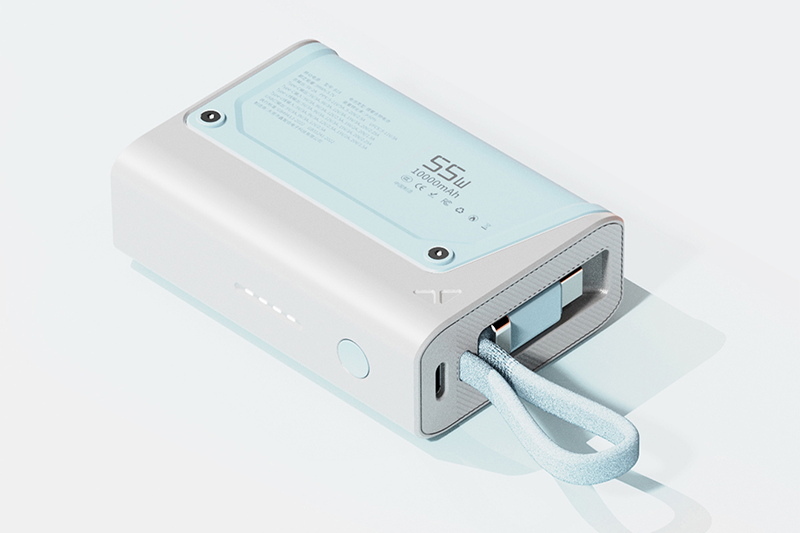 ESC-X020 10000mAh 55W Fast Charge Power Bank with cable built-in
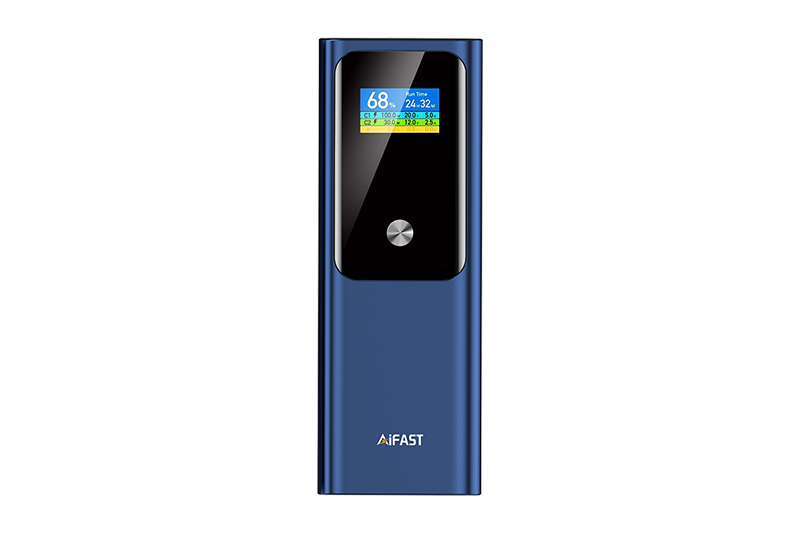 ESC-X016 120W 20000mAh Power Bank with Multi-Protocol TFT Display
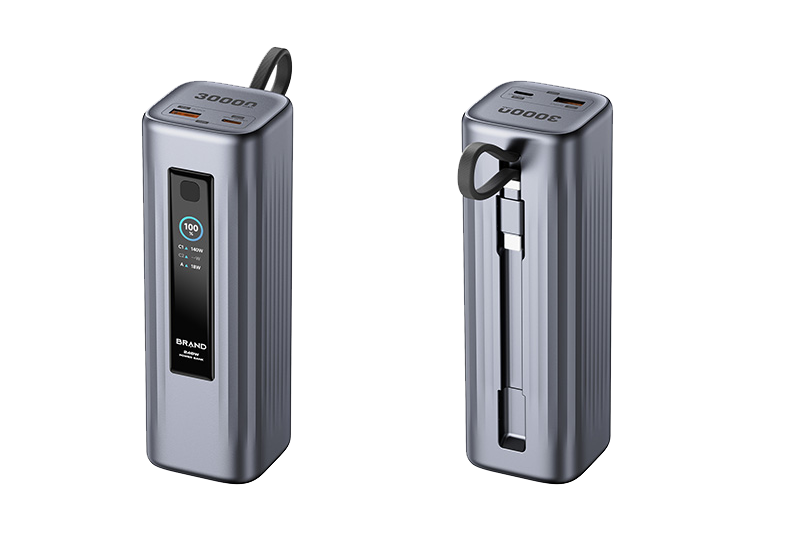 ECS-X022 145W 30,000mAh Power Bank with TFT Display & Retractable Cable
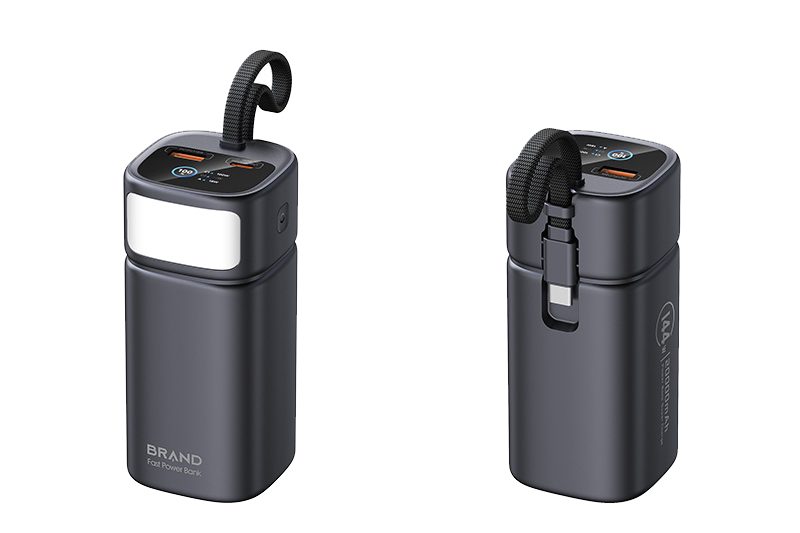 ECS-X021 100W 20,000mAh Power Bank with TFT Display & Retractable Cable
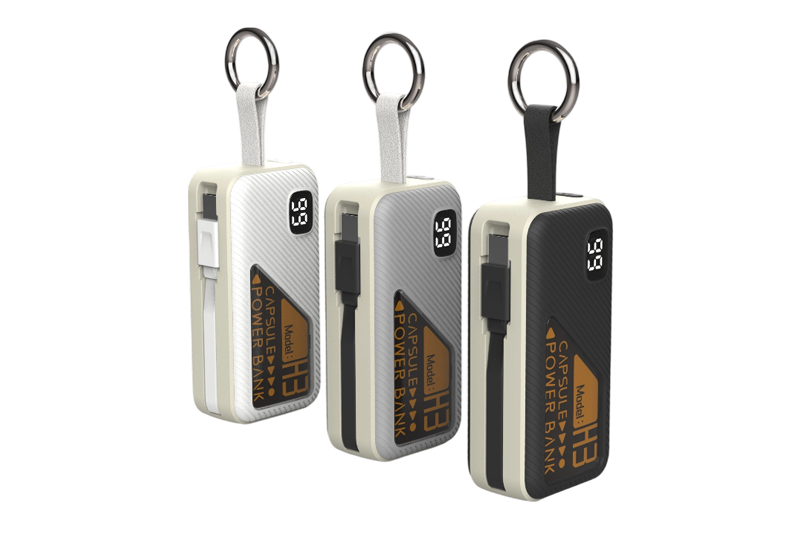 ESC-X023 20W Fast Charging Capsule Power Bank
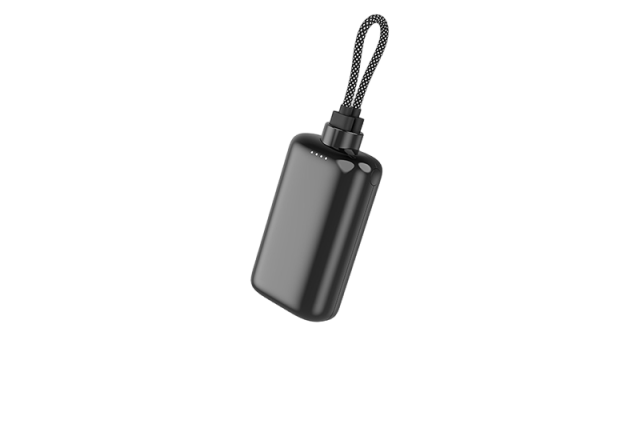 ESC-X024 22.5W 10,000mAh Fast Charging Power Bank
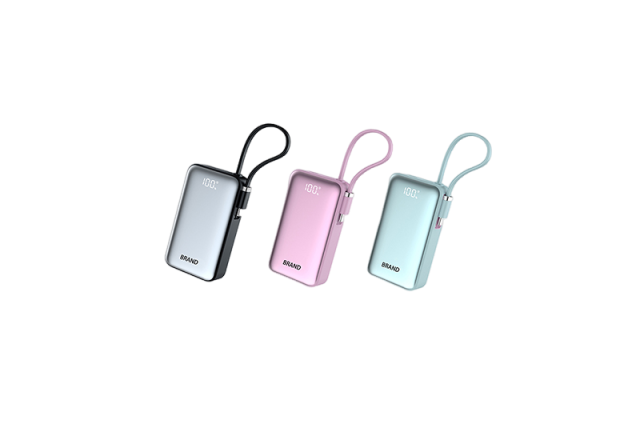 ESC-X025 22.5W Built-in Cable Portable Power Bank
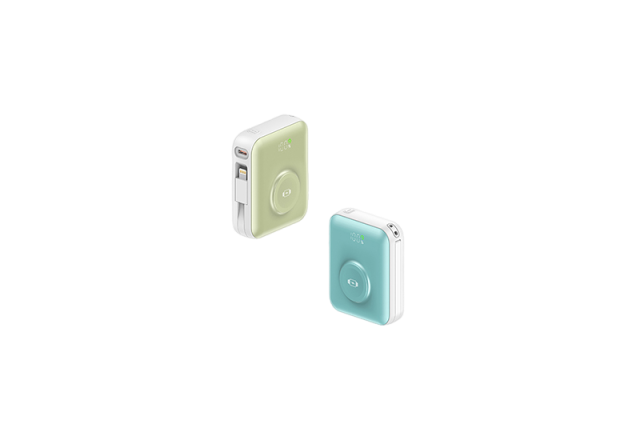 ESC-X026 22.5W 10000mAh Wireless Mini Size Power Bank
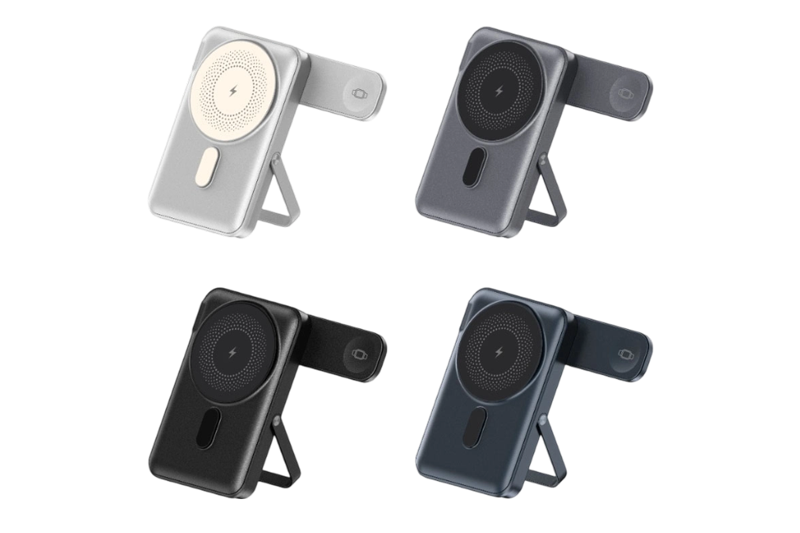 ESC-W018 3-in-1 MagSafe-Style Wireless Charging Stand
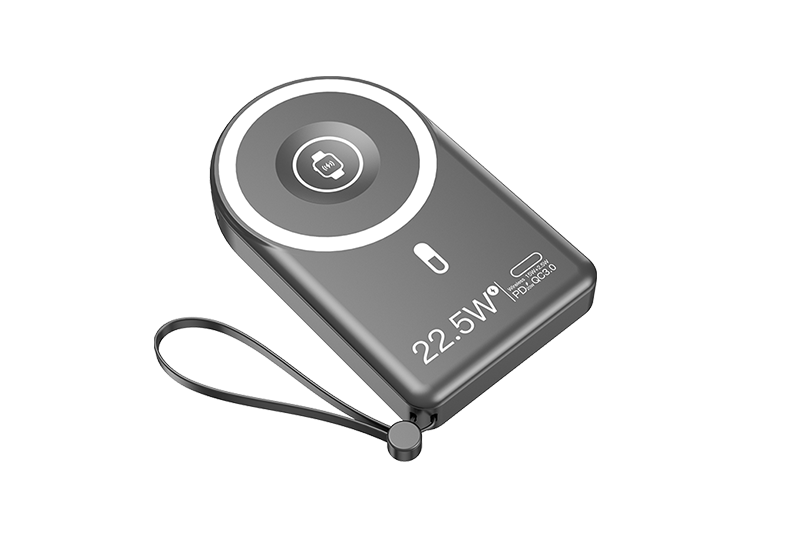 ESC-W017 5000mAh Wireless Ultimate All-in-One Power Solution for Samsung & iPhone Users
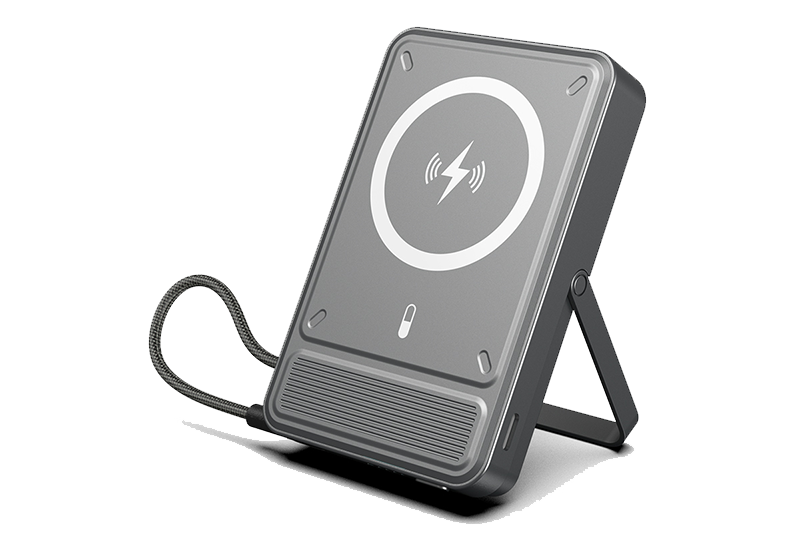 ECS-W016 45W Wireless Power Bank
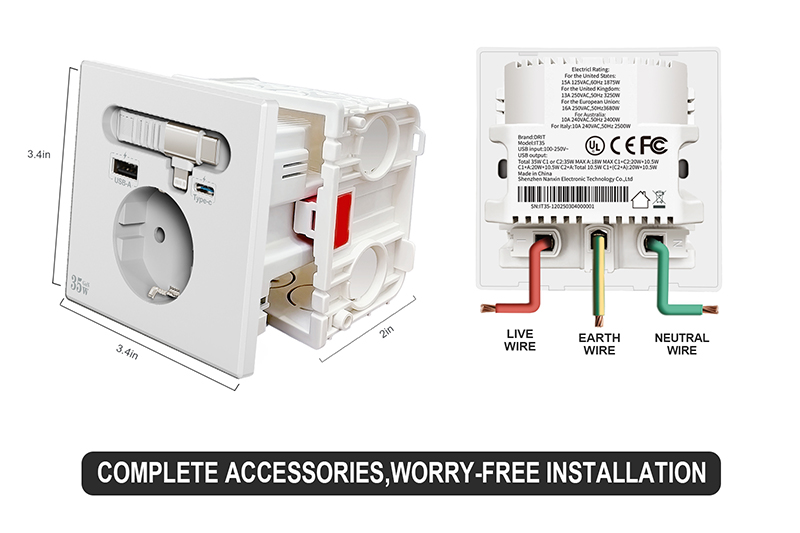 ESC-C019 Ultimate Universal 35W GaN Wall Socket
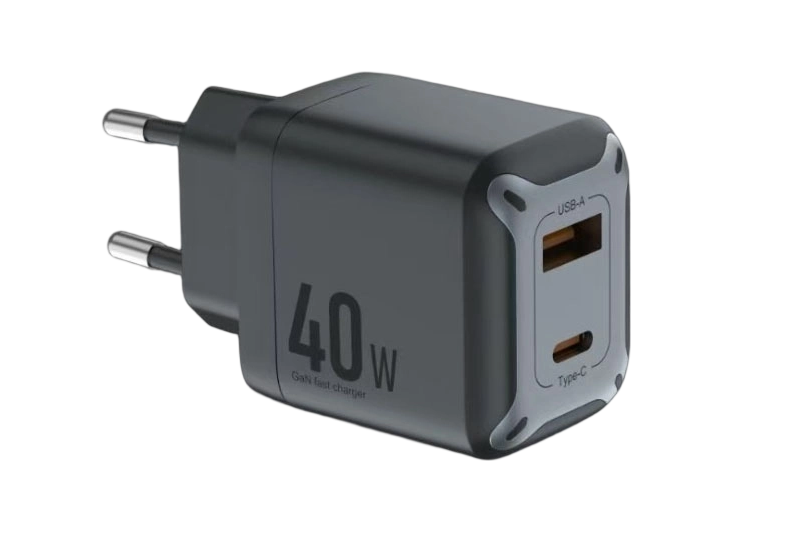 ESC-C018 Small Size 40W GaN Travel Charger
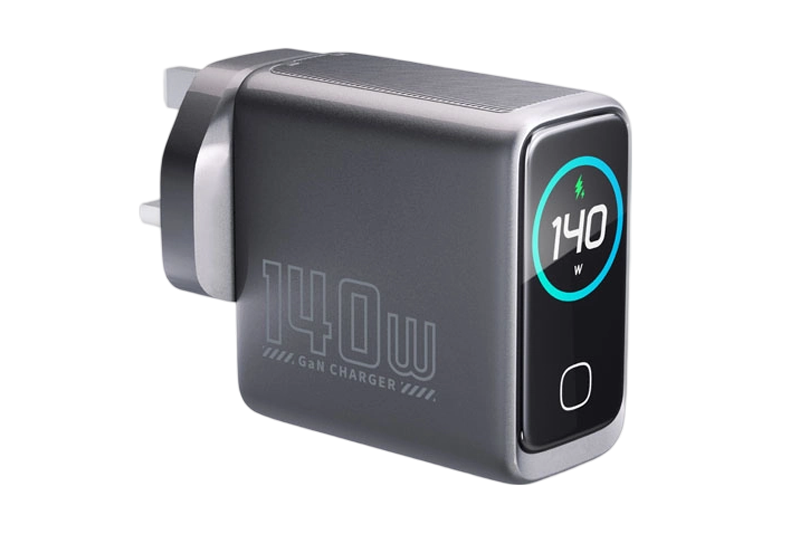 ESC-C017 140W HIGH Speed TFT Screen GaN Charger
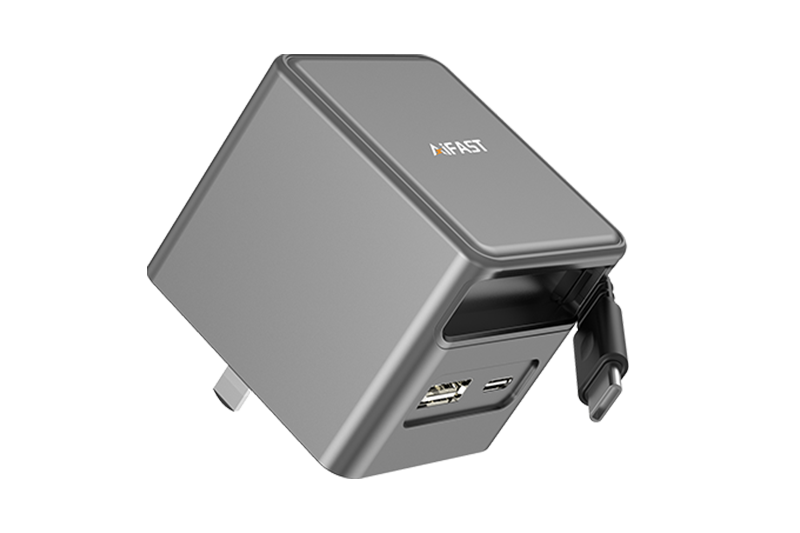 ESC-C016 65CM 65W HIGH Speed Retractable Cable GaN Charger


 Whatsapp
 Wechat