How to Choose the Best Power Bank for Your Charging Needs
Choosing the right power bank can make a significant difference in how we manage our devices on the go. With the increasing reliance on smartphones, tablets, and other gadgets, understanding the options available in the power bank market has never been more crucial. According to Sarah Thompson, an industry expert and author of "The Portable Power Guide," "Selecting the right power bank is about understanding your charging needs and the features that will meet them."
Today, consumers encounter a multitude of choices, from varying capacities to different charging speeds. It's essential to consider factors like your device’s battery size, how often you travel, and whether you need multiple charging ports for simultaneous device usage. Each power bank's specifications can significantly affect its performance, making informed decisions imperative.
In this article, we will explore the key considerations in choosing the best power bank tailored to your lifestyle. Whether you are a frequent traveler, a tech enthusiast, or simply someone looking to ensure their devices stay charged throughout the day, understanding these aspects will empower you to select the most effective power bank that suits your needs.
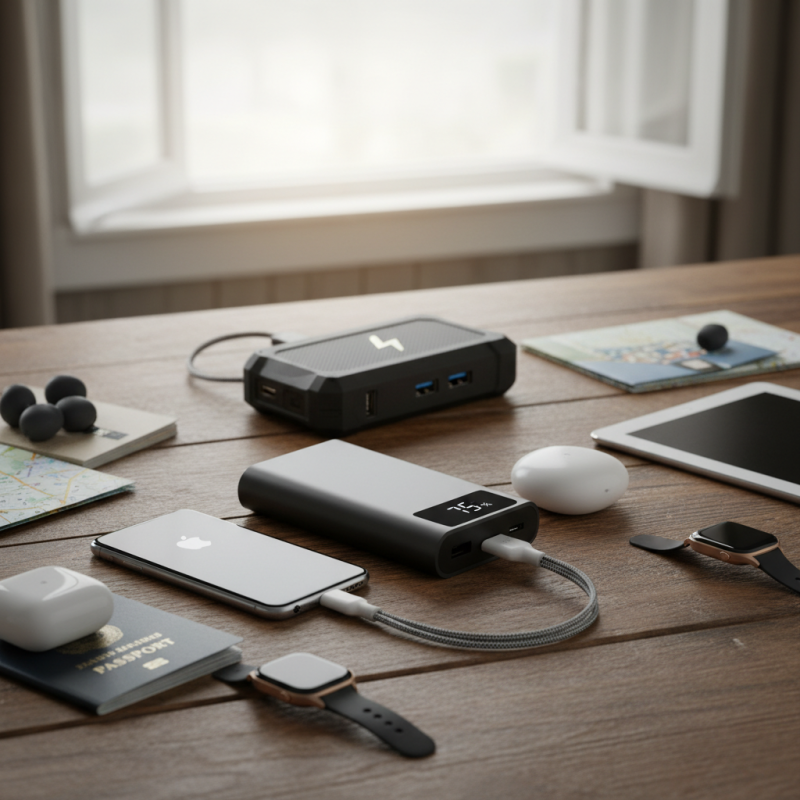
Factors to Consider When Selecting a Power Bank
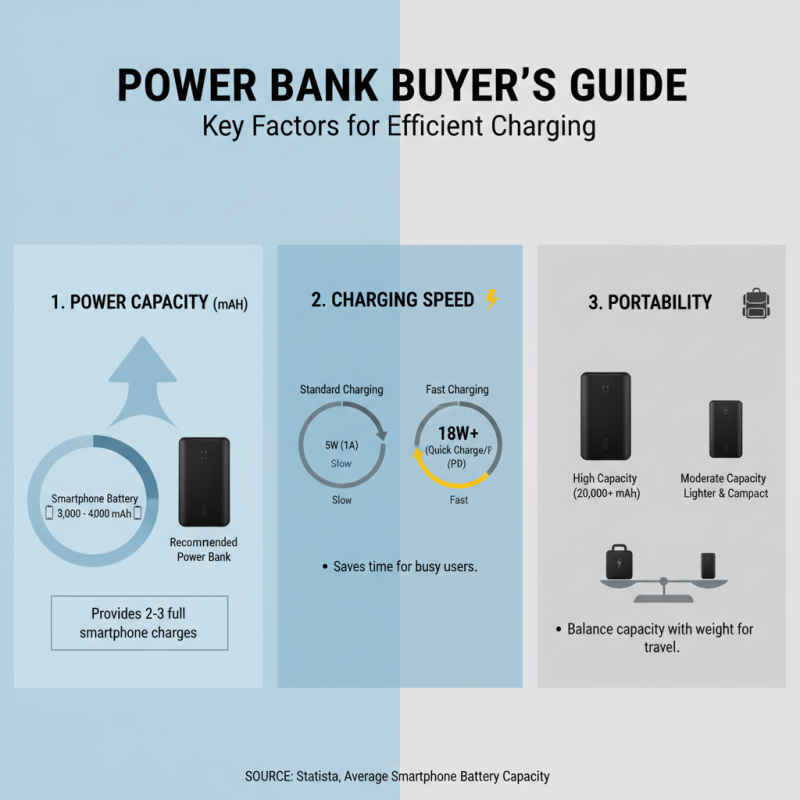
When selecting a power bank, several critical factors come into play to ensure it meets your charging needs efficiently. First, it's essential to consider the power capacity, typically measured in milliamp hours (mAh). According to a report by Statista, the average smartphone battery capacity is around 3,000 to 4,000 mAh. Therefore, a power bank with a capacity of 10,000 mAh or more is advisable for multiple charges, as it can provide two to three full charges for most smartphones. It's worth noting that while higher capacity might seem attractive, it can also mean added weight and size, which could affect portability.
Another vital aspect to keep in mind is the output power, which determines how quickly your devices will charge. Most modern power banks offer an output range from 1A to 3A, with higher amperage meaning faster charging times. Research from the Consumer Electronics Association indicates that around 61% of consumers prefer fast-charging capabilities. It's also crucial to look at the number of output ports available, especially for those who may need to charge multiple devices simultaneously. A power bank that offers multiple outputs is more versatile and can cater to various devices, from smartphones to tablets and even wearable technology.
Understanding Capacity and Charging Speed Specifications
When selecting a power bank, understanding capacity and charging speed specifications is crucial. The capacity of a power bank is measured in milliampere-hours (mAh). A higher mAh rating indicates that the power bank can store more energy, allowing it to charge devices multiple times before depleting. For instance, a power bank with 10,000 mAh can typically charge most smartphones two to three times, while larger capacity banks can provide even more charges. It's important to consider your device's battery size and your typical usage patterns to choose an appropriate capacity.
Charging speed is another vital aspect to consider. The charging speed is often indicated by the output amperage of the power bank, typically labeled as 1A, 2.1A, or even higher. A higher amperage provides a faster charge to your devices. Quick Charge technology is an additional feature that some power banks offer, enabling faster charging speeds for compatible devices. When choosing a power bank, ensure that its output specifications align with your device's requirements for optimal charging efficiency.
Tips: Always check the power bank's compatibility with your devices to avoid any issues. Additionally, look for power banks equipped with multiple output ports, allowing you to charge multiple devices simultaneously. Lastly, consider the portability and weight of the power bank, especially if you'll be carrying it with you regularly.
Types of Power Banks: Choosing the Right One for Your Devices
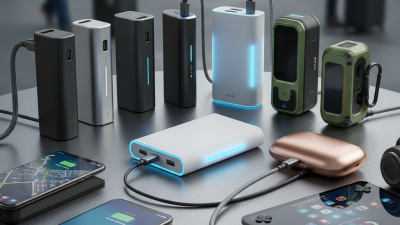
When selecting a power bank, it’s crucial to consider the type of power bank that aligns with your devices' charging requirements. There are several key types of power banks available, each designed to cater to different needs. Standard power banks are the most common, typically featuring USB-A ports for charging smartphones and tablets. For users with multiple devices or those needing to recharge laptops, a high-capacity power bank with USB-C Power Delivery is ideal, offering faster charging and more versatile connections.
Another option is solar power banks, which are perfect for outdoor enthusiasts. They harness solar energy, providing a sustainable charging solution when access to electricity is limited. Additionally, some power banks come equipped with built-in cables or wireless charging capabilities, adding convenience and reducing the need for additional accessories. Understanding the specific features and capacities that best suit your usage patterns will significantly enhance your charging experience and ensure your devices remain powered throughout your day.
Power Bank Capacity Comparison
Essential Features: Ports, Size, and Weight Considerations
When selecting a power bank, one of the most crucial factors to consider is the number and type of ports available. Different devices have varying charging requirements, and having multiple ports allows you to charge more than one device simultaneously. Look for USB-A and USB-C ports to accommodate a range of gadgets, from smartphones to tablets and even some laptops. Additionally, consider the output power of the ports; higher output ratings can facilitate faster charging, which is essential for those on the go.
Size and weight are also significant considerations, especially if portability is important to you. A compact power bank can easily fit in your pocket or bag, making it convenient for travel or daily commutes. However, bear in mind that a smaller size often means a smaller battery capacity. If you require prolonged usage without recharging, you might have to opt for a slightly bulkier option that offers higher capacity. Balancing portability with capacity will ensure you have a power bank that meets your lifestyle and charging needs effectively.
Budgeting for Your Power Bank: Price Ranges and Value Analysis
When selecting a power bank, understanding the price ranges can significantly influence your decision-making. Generally, power banks can be found in three main price categories:
budget (under $20),
mid-range ($20-$50), and
premium (over $50). Budget power banks provide basic functionality, often with lower capacity and fewer features. They are suitable for users with minimal charging needs or for emergency situations. However, their limited performance may not be ideal for heavy users or those who require quick charging for multiple devices.
Mid-range options typically offer a balance between price and performance. These power banks often have higher capacity, faster charging technology, and additional features like multiple USB ports or built-in cables. They cater to everyday users who need reliable performance without breaking the bank. In contrast, premium power banks boast advanced features such as high-capacity batteries, solar charging capabilities, or unique designs. Such products are aimed at users with specific needs, such as frequent travelers or tech enthusiasts who value efficiency and durability in their charging solutions.
In assessing value, consider not only the price but also the features offered. A slightly higher price tag may deliver substantial benefits in terms of battery life, charging speed, and versatility. It's essential to evaluate your charging habits and select a power bank that aligns with your lifestyle, ensuring you get the best value for your investment. Balancing cost with desired features will lead to a more satisfying purchase and an overall improved charging experience.

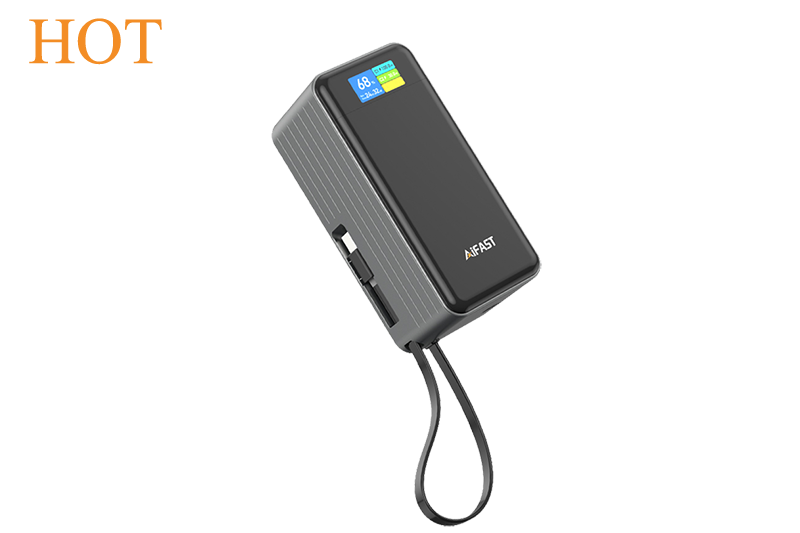 ESC-X019 65W Fast charge power bank
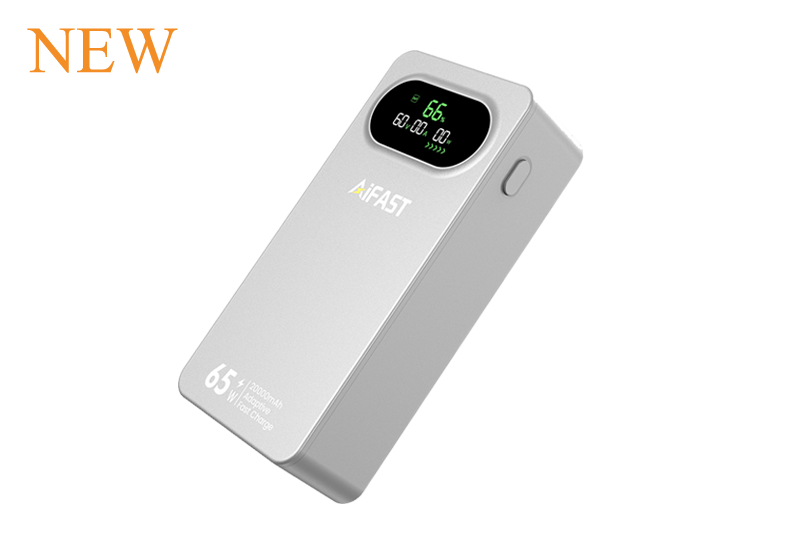 ESC-X018 65W Ultra-Fast 10000mAh Power Bank with TFT Display & Retractable Cable
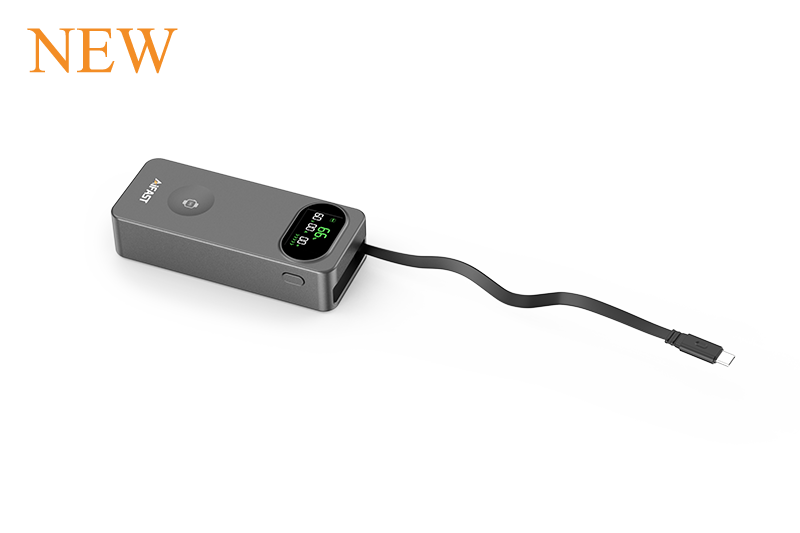 ESC-X017 65W Ultra-Fast 20000mAh Power Bank with TFT Display & Retractable Cable
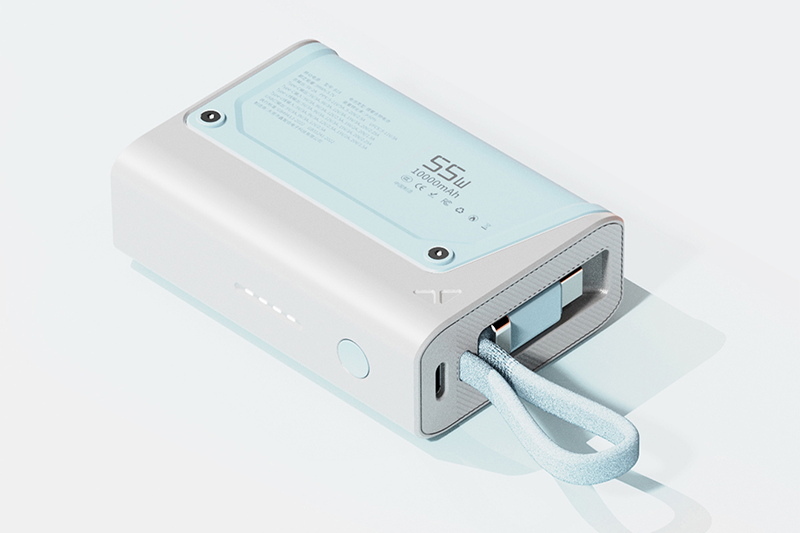 ESC-X020 10000mAh 55W Fast Charge Power Bank with cable built-in
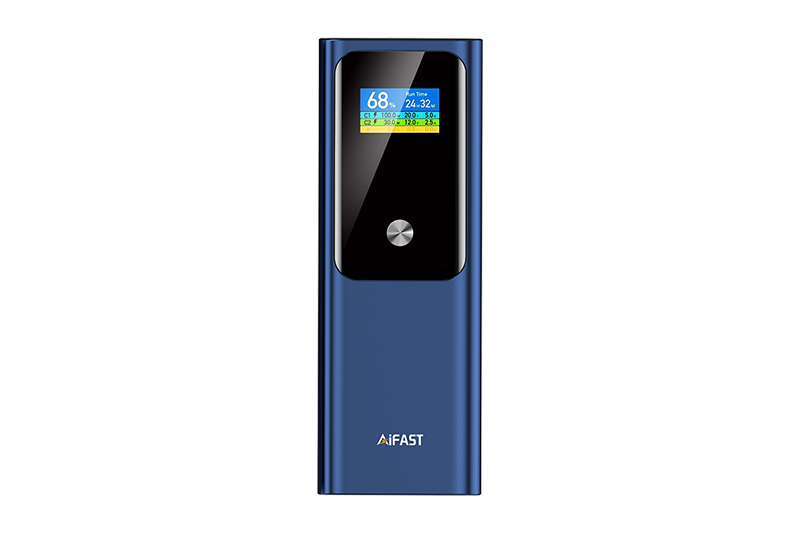 ESC-X016 120W 20000mAh Power Bank with Multi-Protocol TFT Display
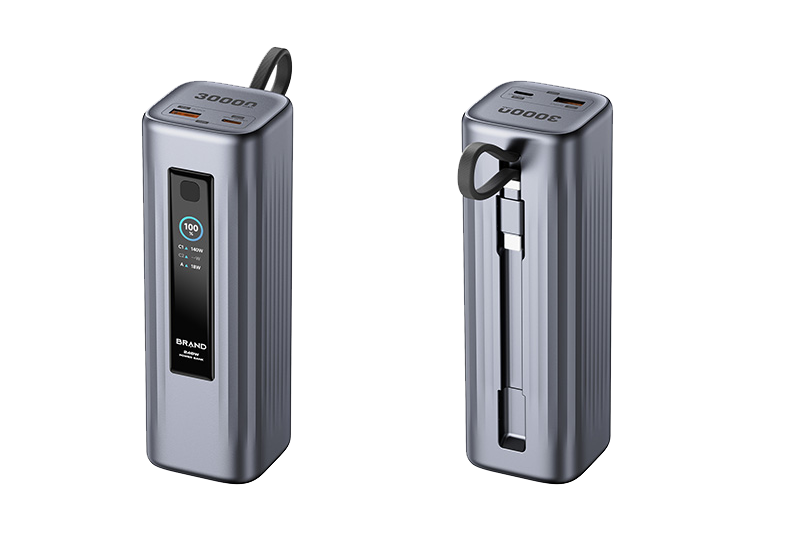 ECS-X022 145W 30,000mAh Power Bank with TFT Display & Retractable Cable
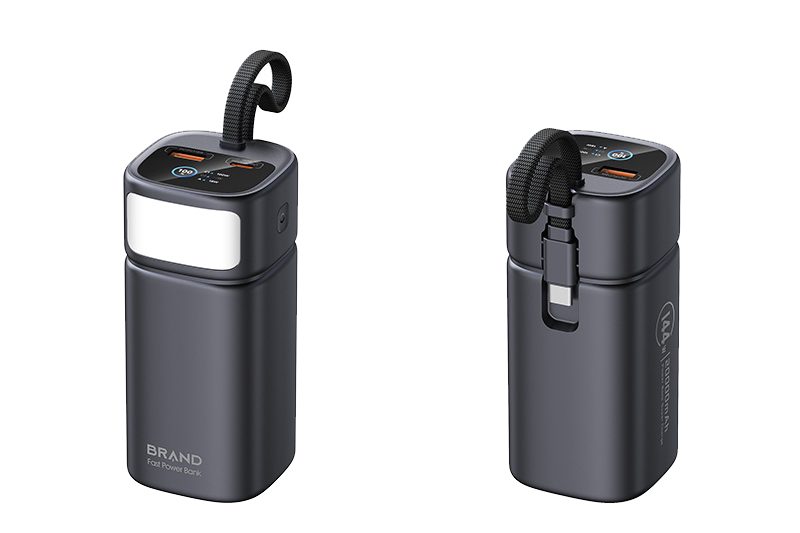 ECS-X021 100W 20,000mAh Power Bank with TFT Display & Retractable Cable
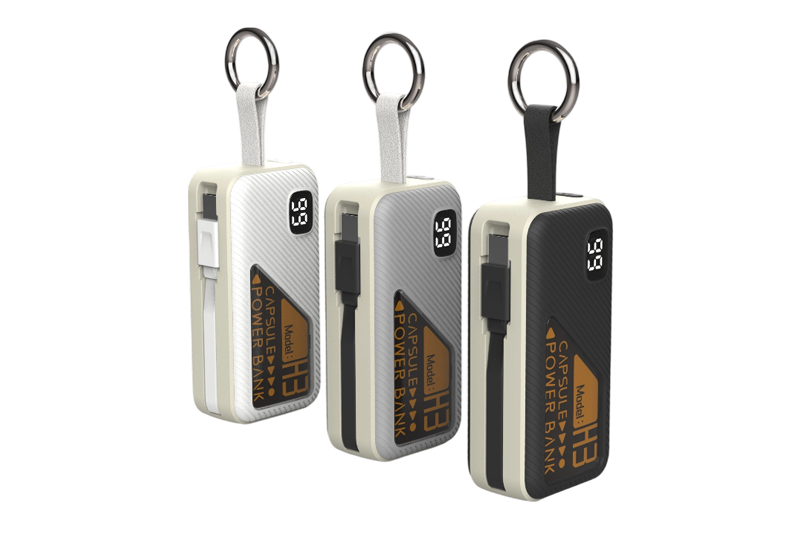 ESC-X023 20W Fast Charging Capsule Power Bank
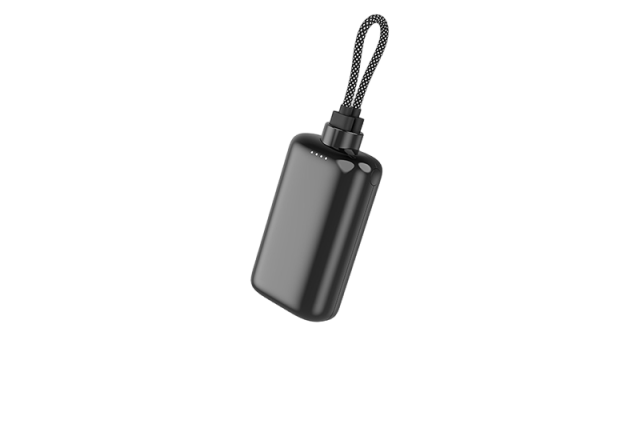 ESC-X024 22.5W 10,000mAh Fast Charging Power Bank
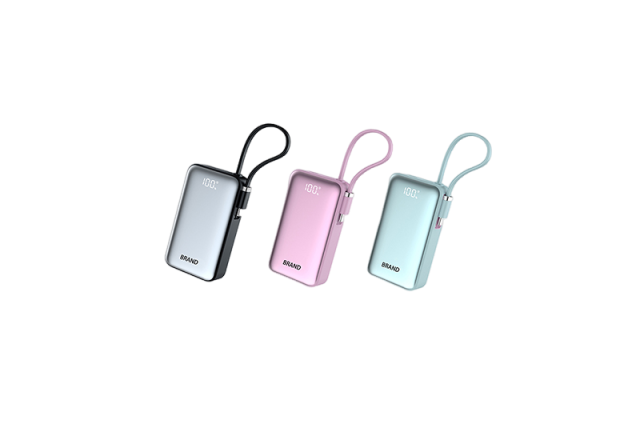 ESC-X025 22.5W Built-in Cable Portable Power Bank
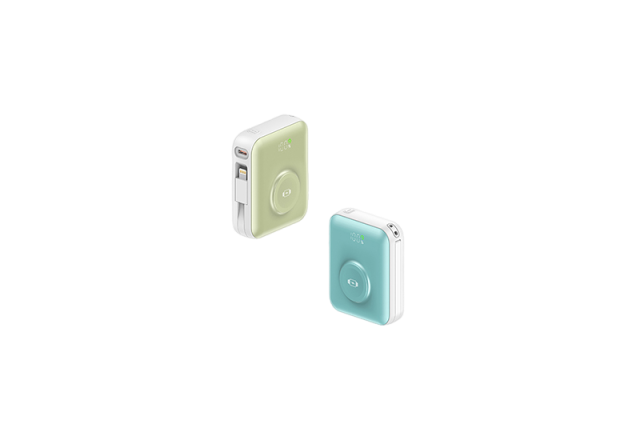 ESC-X026 22.5W 10000mAh Wireless Mini Size Power Bank
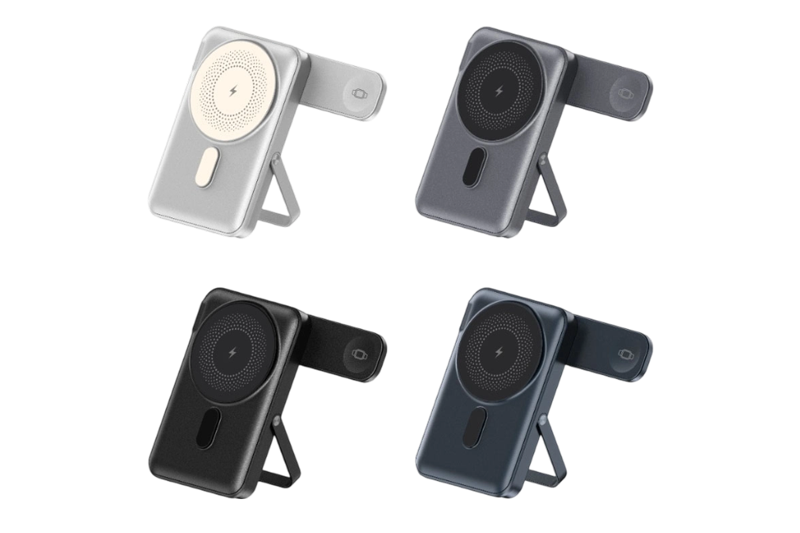 ESC-W018 3-in-1 MagSafe-Style Wireless Charging Stand
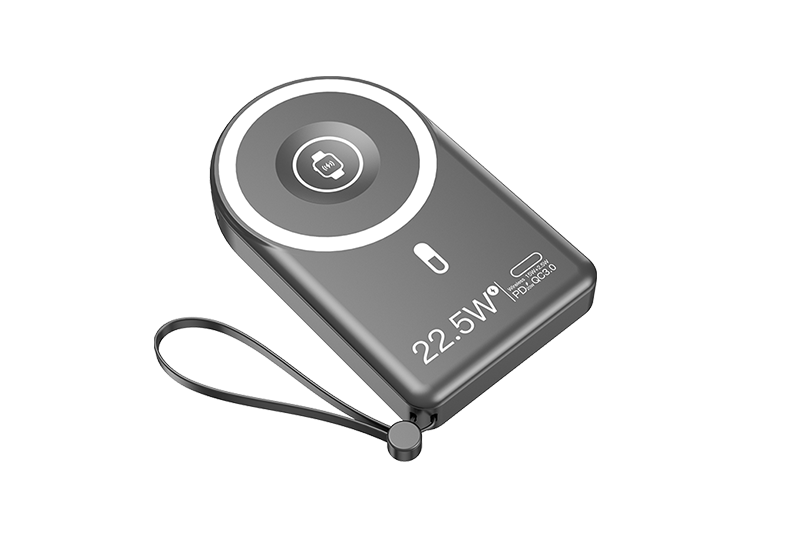 ESC-W017 5000mAh Wireless Ultimate All-in-One Power Solution for Samsung & iPhone Users
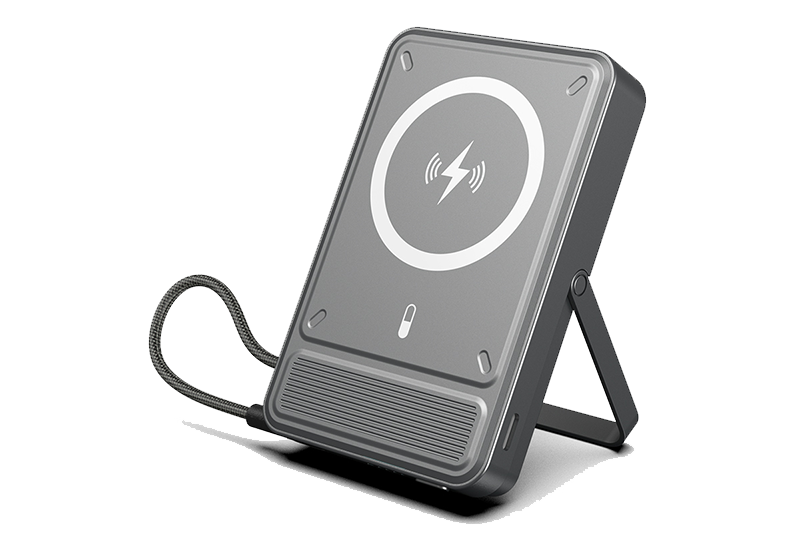 ECS-W016 45W Wireless Power Bank
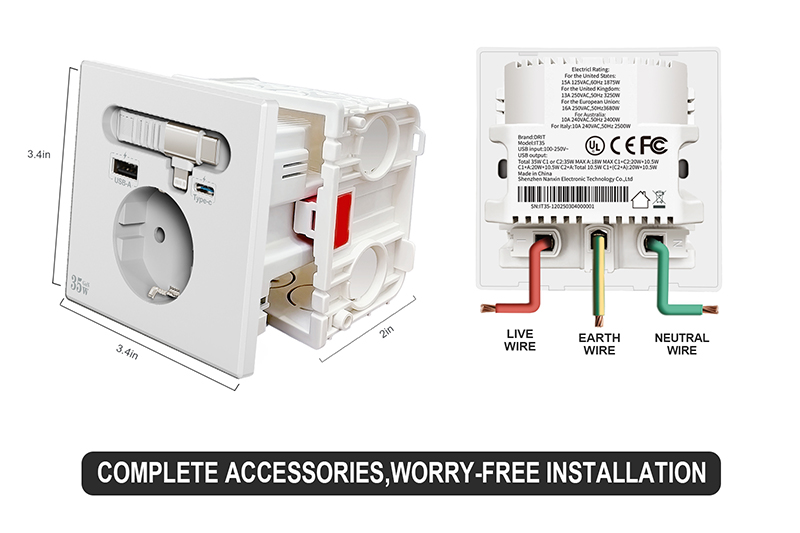 ESC-C019 Ultimate Universal 35W GaN Wall Socket
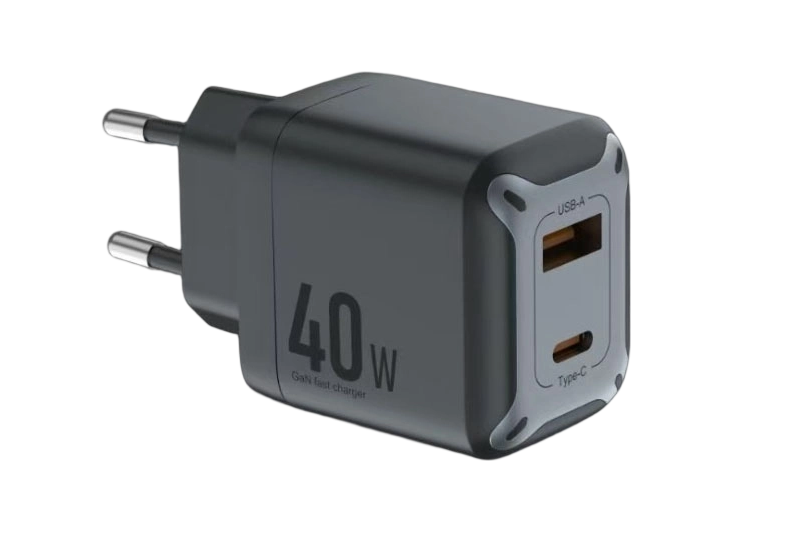 ESC-C018 Small Size 40W GaN Travel Charger
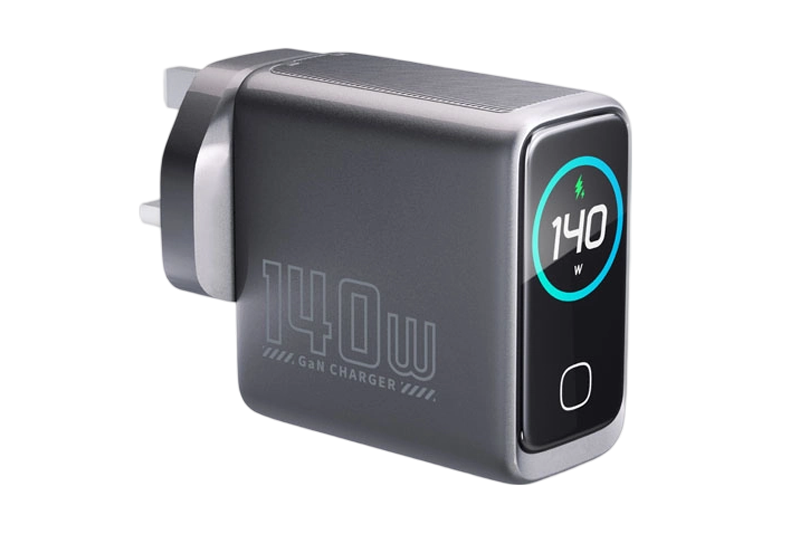 ESC-C017 140W HIGH Speed TFT Screen GaN Charger
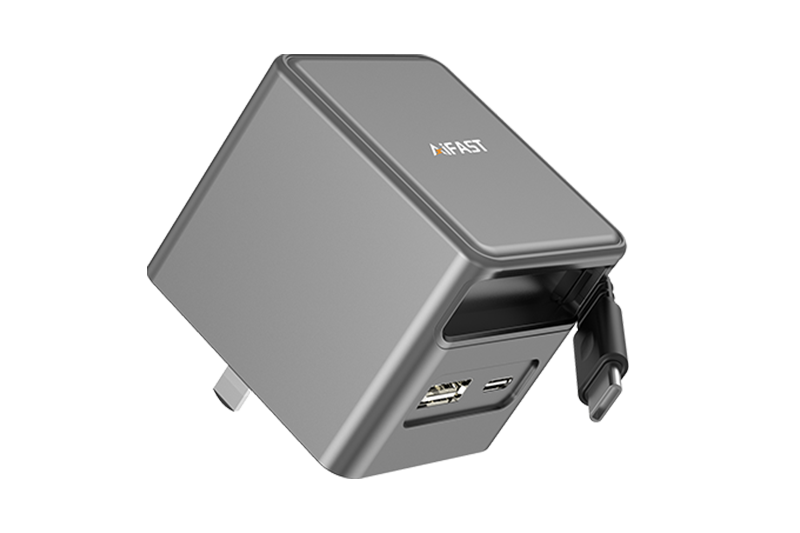 ESC-C016 65CM 65W HIGH Speed Retractable Cable GaN Charger


 Whatsapp
 Wechat