10 Best Super Fast Chargers for Your Devices in 2026?
In 2026, the search for the best "Super Fast Charger" is more critical than ever. As technology rapidly evolves, charging speed is crucial for convenience. Industry expert Dr. Elaine Hart once said, “Charging speed defines our daily tech experience.” This highlights the growing demand for efficient charging solutions.
Super fast chargers have become essential in our fast-paced lives. Whether at home, in the office, or on the go, the need for quick power has surged. Consumers desire devices that connect seamlessly with high-speed chargers. The challenge lies in the market’s vast options, making informed choices crucial.
Competition among brands continues to rise. Yet, quality can vary significantly, leading to confusion. Users must consider safety features and compatibility. A great “Super Fast Charger” should not only power quickly but also protect devices. As we explore the best options available in 2026, reflection on performance and reliability will remain vital.
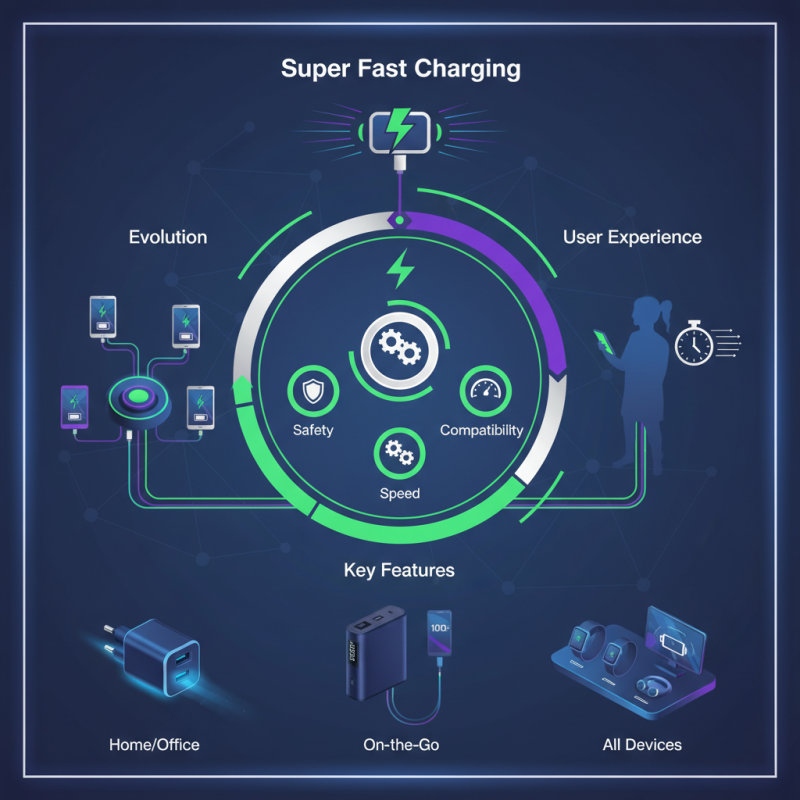
Overview of Super Fast Charging Technology in 2026
In 2026, super fast charging technology has transformed the way we power our devices. The demand for quick, efficient energy replenishment remains high. Consumers want devices that can charge in minutes, not hours. This new technology is impressive. However, it comes with challenges. Battery longevity and safety remain hot topics.
Advancements in charging speeds have led to potential overheating issues. Many devices can reach full charge in less than 30 minutes. But users sometimes worry about battery health. Frequent rapid charging can impact the lifespan of a battery. Manufacturers aim to find a balance between speed and safety. They must ensure that devices can handle increased power without damage. It’s a fine line to walk.
Moreover, the cables and adapter quality play a critical role. Inferior products can diminish the benefits of fast charging. Not every device can handle ultra-fast charging capabilities. Consumers must be cautious and informed. Choosing the right combination of device and charger is essential. The future looks promising, yet there are challenges to address. As technology evolves, so must our understanding of its implications.
10 Best Super Fast Chargers for Your Devices in 2026
Key Features to Look for in Super Fast Chargers
When searching for super fast chargers, consider their output power. Chargers typically range between 18W to 100W. Higher wattage means quicker charging. This can be crucial for devices with large batteries. Yet, it's important to ensure compatibility with your devices.
Look for smart charging technology. This allows the charger to communicate with your device. It adapts the power delivery based on the device's needs. Some chargers may not work optimally with older devices. This mismatch can lead to longer charging times, which is frustrating.
Portability is another key feature. A lightweight and compact design is ideal for travel. However, some small chargers might sacrifice build quality. This could result in overheating or shorter lifespan. Always balance size with durability. Aim for a charger that meets your daily needs while being robust enough for long-term use.
Top 10 Super Fast Chargers for Smartphones in 2026
In 2026, super fast chargers are transforming the smartphone experience. Recent reports indicate that fast charging technology can boost devices to 80% in just 30 minutes. This is a game changer for busy users. Chargers are becoming smaller and more efficient, with wireless options now reaching impressive speeds.
When choosing a fast charger, consider compatibility with your device. Not all chargers support every phone model. According to industry insights, using the right charger can improve battery health by preventing overheating. Be cautious with cheap alternatives; they might damage your device.
For safety, always check the wattage. Higher wattage doesn't always mean better charging. Some phones only accept specific levels. Using the correct charger can extend battery life. Remember to keep your charging port clean. Dust can hinder charging speeds significantly.
Compatibility of Fast Chargers with Different Devices
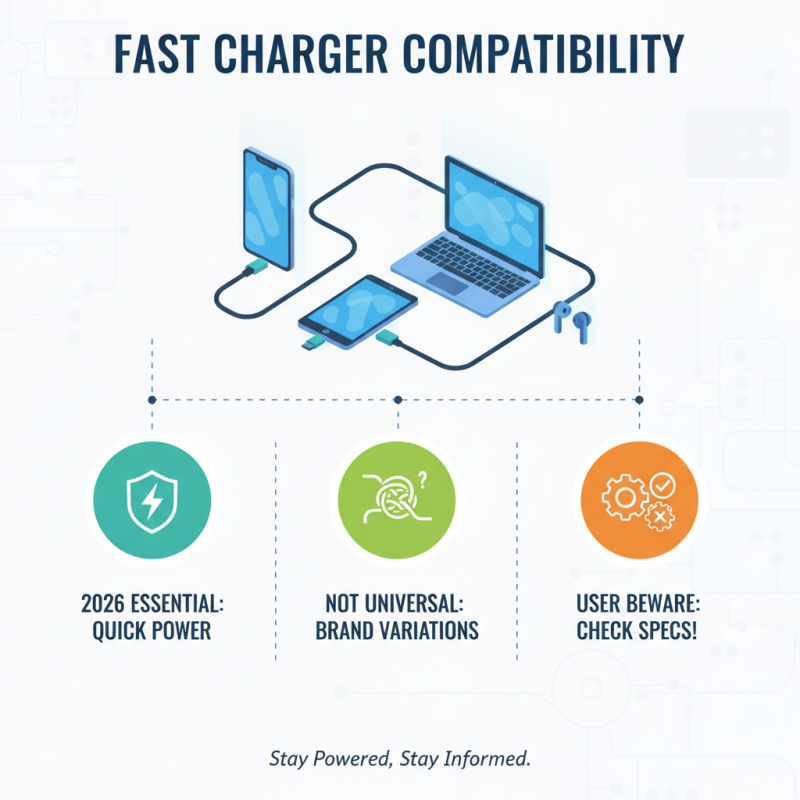
In 2026, fast chargers have become essential for keeping devices powered. However, not all chargers are compatible with every device. Understanding compatibility is crucial for users. Fast charging technology varies across different brands and device models. This can lead to confusion and frustration.
A charger that works well for one device may not work efficiently with another. For example, some chargers are designed specifically for smartphones. Others may be suitable for tablets or laptops. This mismatch can result in slower charging speeds or even hardware damage. It is vital to check specifications before making a purchase.
Moreover, some users encounter issues despite having the right charger. Cables may be damaged or of low quality. Often, a beautiful charger doesn’t guarantee performance. Paying attention to these details can help avoid pitfalls. The experience can be frustrating when one expects rapid charging and receives the opposite. So, always verify compatibility and quality.
Future Trends in Fast Charging Technology and Innovations
The fast charging technology landscape is evolving rapidly. By 2026, we can expect significant advancements in efficiency and power delivery. Devices will likely charge faster, utilizing higher wattage. Imagine your smartphone reaching full battery in under 15 minutes. That could transform daily usage patterns.
Innovations in materials and design are crucial. New battery technologies will enhance longevity and safety. For instance, solid-state batteries may replace lithium-ion options, providing faster charge times and better heat management. As chargers become more sophisticated, integration with smart home systems could allow for seamless energy management. However, we must consider the environmental impact of these advancements. Increased energy demands could lead to greater resource depletion.
As companies pursue these innovations, there's potential for disparities in accessibility. Not everyone may benefit equally from the latest technologies. While some users will enjoy rapid charging, others may be left behind, unable to afford new devices. This raises questions about equity in technology. Balancing innovation and responsibility will be a significant challenge in the coming years.

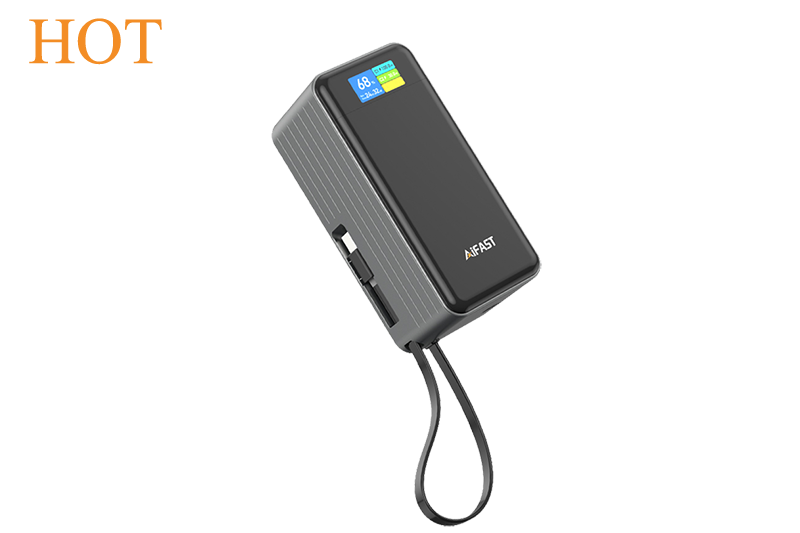 ESC-X019 65W Fast charge power bank
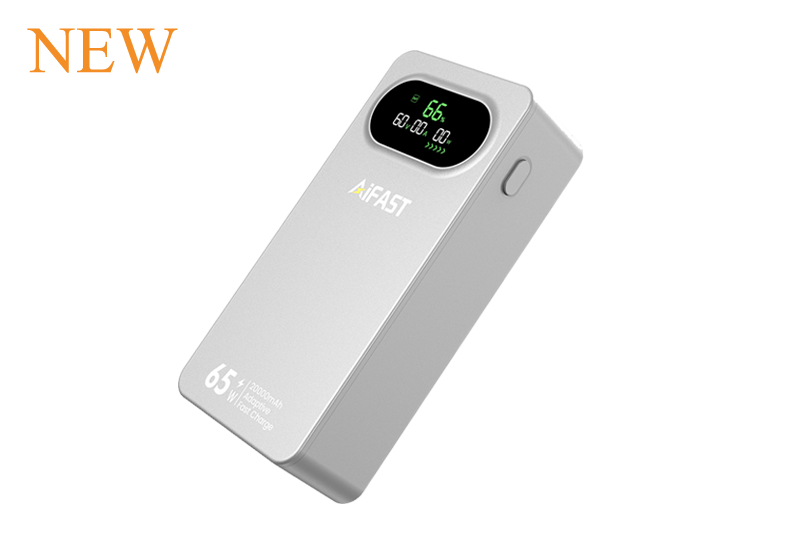 ESC-X018 65W Ultra-Fast 10000mAh Power Bank with TFT Display & Retractable Cable
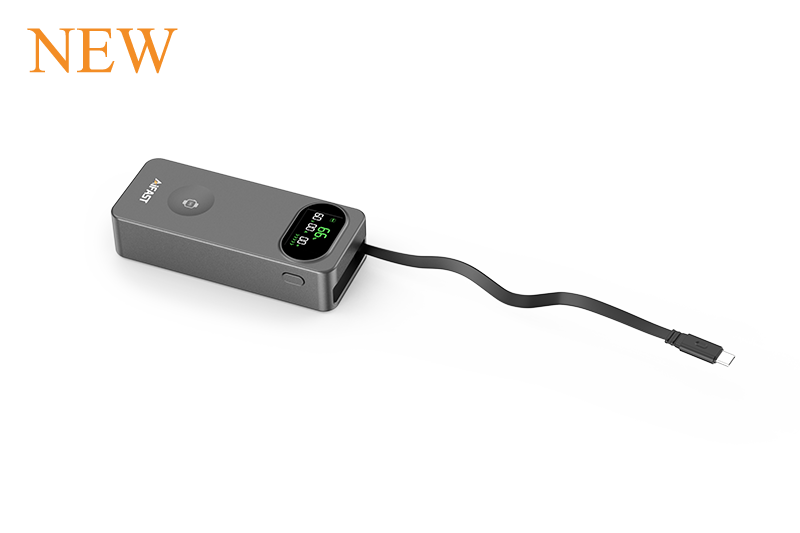 ESC-X017 65W Ultra-Fast 20000mAh Power Bank with TFT Display & Retractable Cable
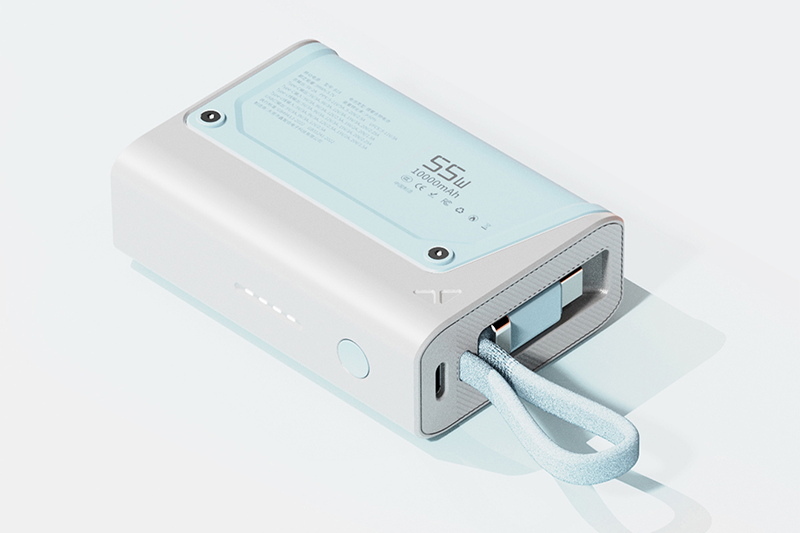 ESC-X020 10000mAh 55W Fast Charge Power Bank with cable built-in
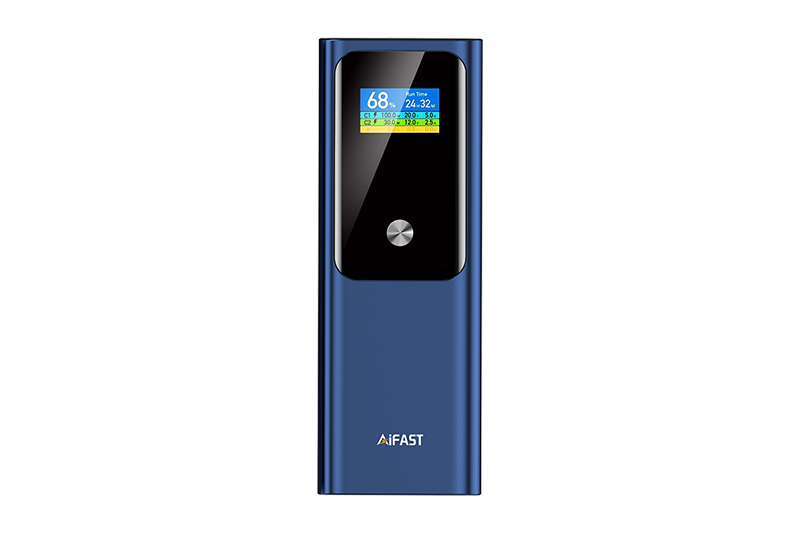 ESC-X016 120W 20000mAh Power Bank with Multi-Protocol TFT Display
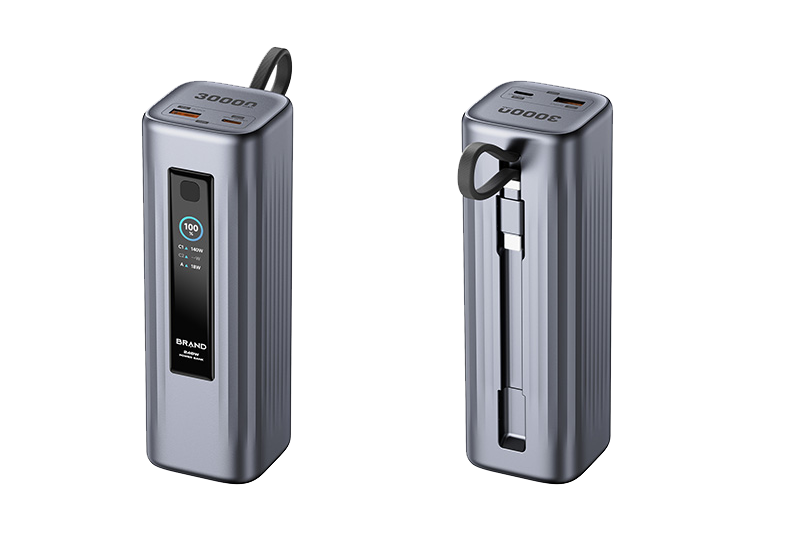 ECS-X022 145W 30,000mAh Power Bank with TFT Display & Retractable Cable
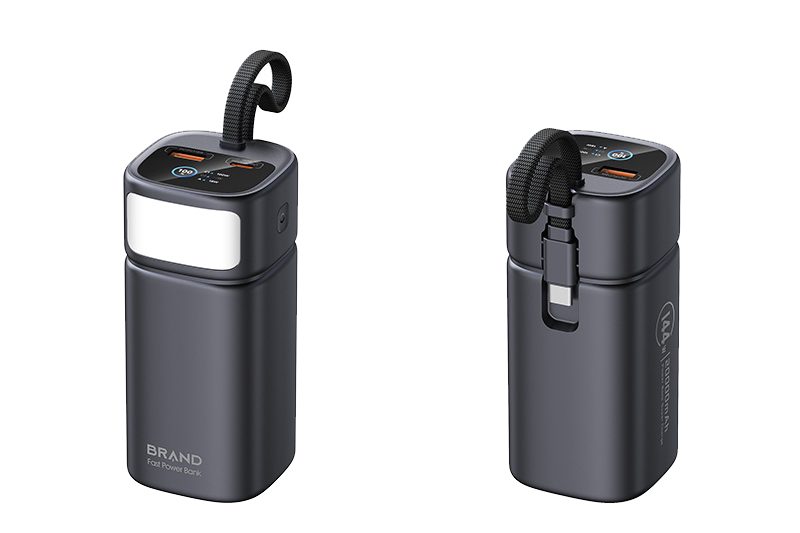 ECS-X021 100W 20,000mAh Power Bank with TFT Display & Retractable Cable
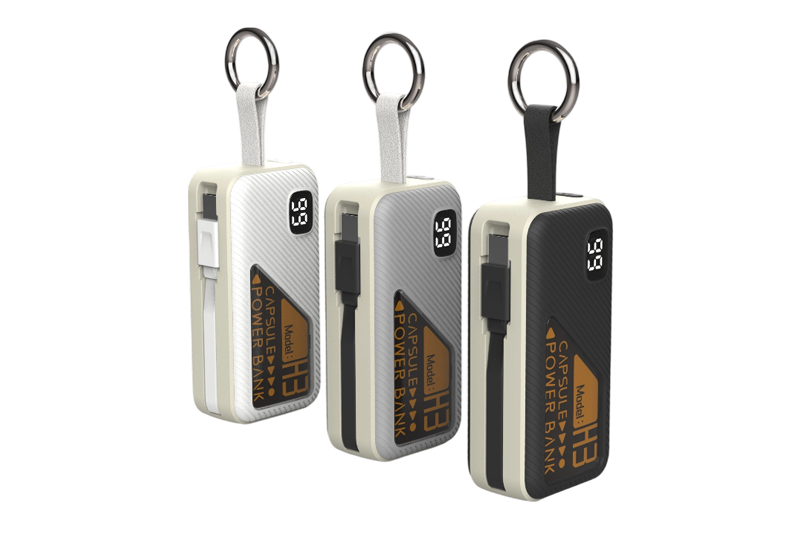 ESC-X023 20W Fast Charging Capsule Power Bank
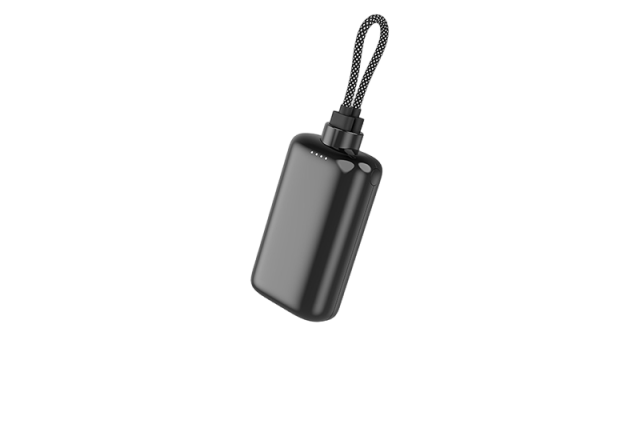 ESC-X024 22.5W 10,000mAh Fast Charging Power Bank
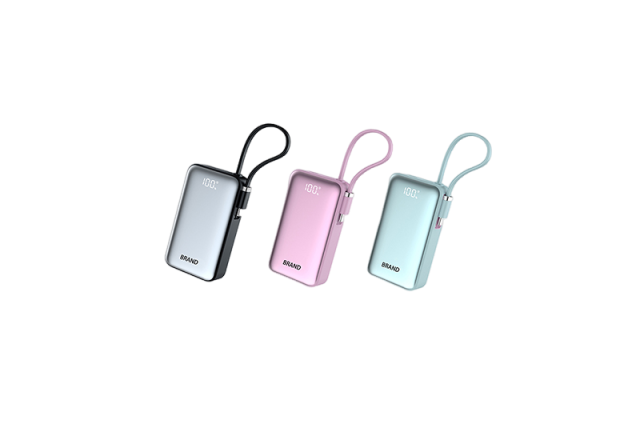 ESC-X025 22.5W Built-in Cable Portable Power Bank
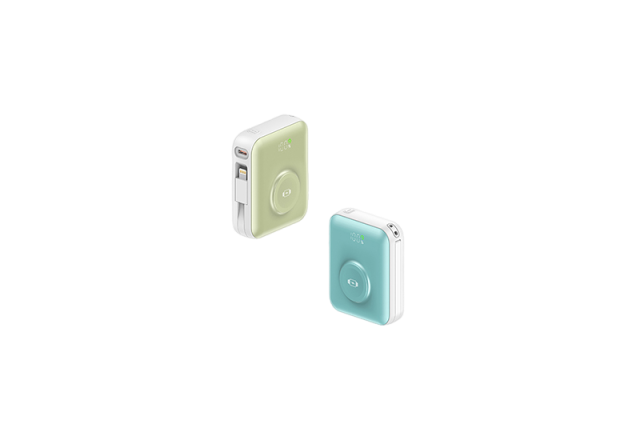 ESC-X026 22.5W 10000mAh Wireless Mini Size Power Bank
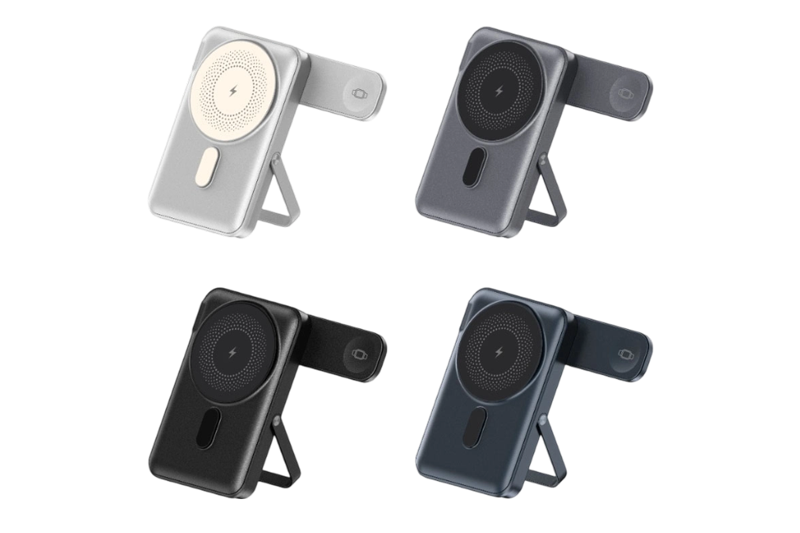 ESC-W018 3-in-1 MagSafe-Style Wireless Charging Stand
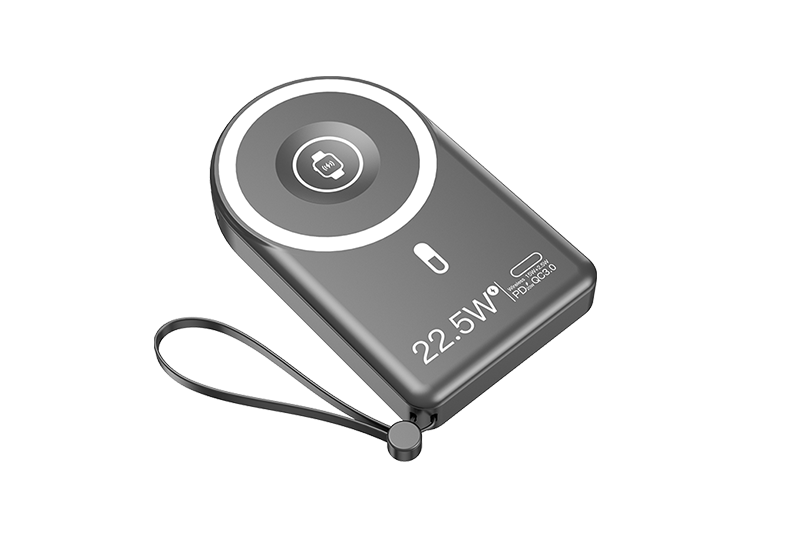 ESC-W017 5000mAh Wireless Ultimate All-in-One Power Solution for Samsung & iPhone Users
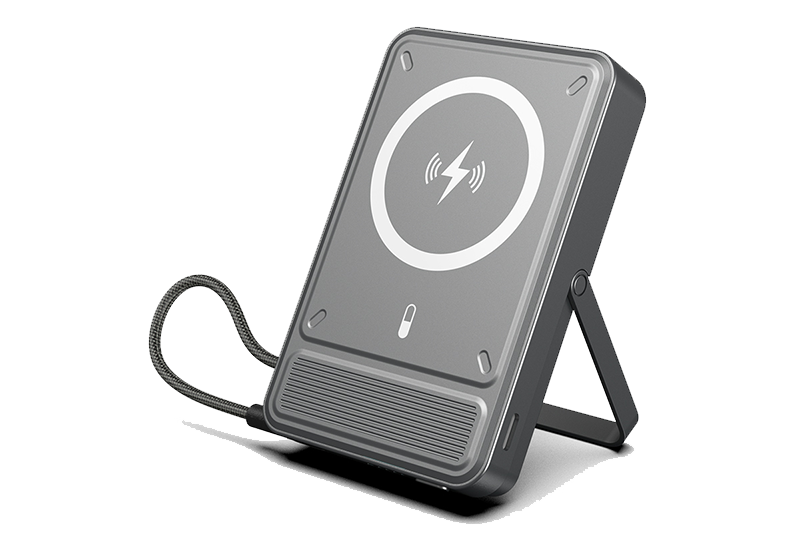 ECS-W016 45W Wireless Power Bank
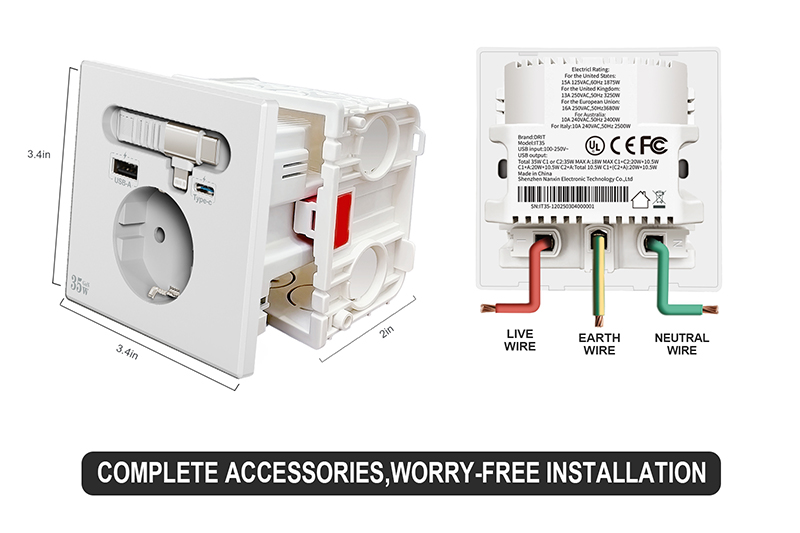 ESC-C019 Ultimate Universal 35W GaN Wall Socket
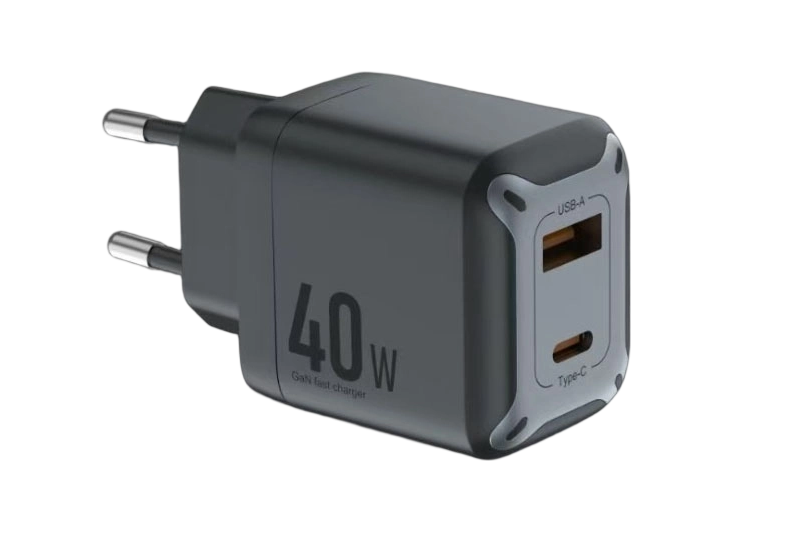 ESC-C018 Small Size 40W GaN Travel Charger
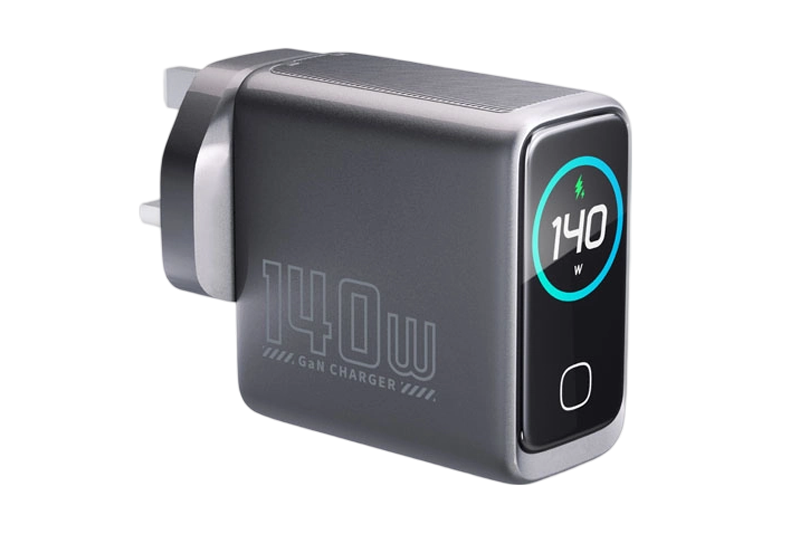 ESC-C017 140W HIGH Speed TFT Screen GaN Charger
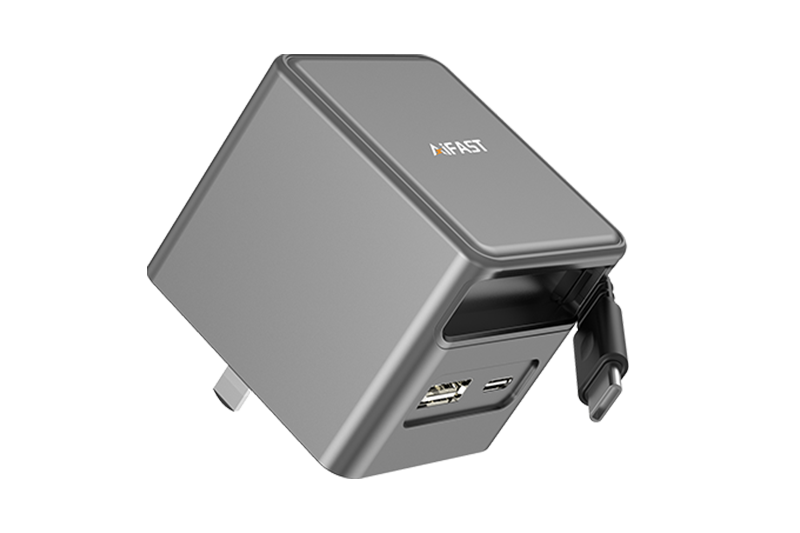 ESC-C016 65CM 65W HIGH Speed Retractable Cable GaN Charger


 Whatsapp
 Wechat