10 Best High Speed Chargers for Faster Device Charging?
In today’s fast-paced world, speed matters, especially when it comes to charging our devices. High speed chargers have become essential for those who rely on their smartphones, tablets, and laptops. According to John Smith, a renowned expert in the charging technology industry, "High speed charging is not just a convenience; it's a necessity." This reflects the urgency in our daily lives.
Every minute counts, and waiting hours for a device to charge can be frustrating. A good high speed charger can reduce this frustrating wait, providing a powerful solution for busy users. However, not all chargers are created equal. Selecting the right one can be overwhelming due to varying standards and compatibility issues.
In a crowded market, it’s important to be discerning. Consider factors such as charging speed, device compatibility, and safety features. While some chargers promise incredible speed, they may not deliver on performance. It is crucial to research and understand the product specifications. Ultimately, choosing the right high speed charger requires thought and consideration. Balancing quality with affordability can be challenging, but it is worth the effort for efficient device charging.
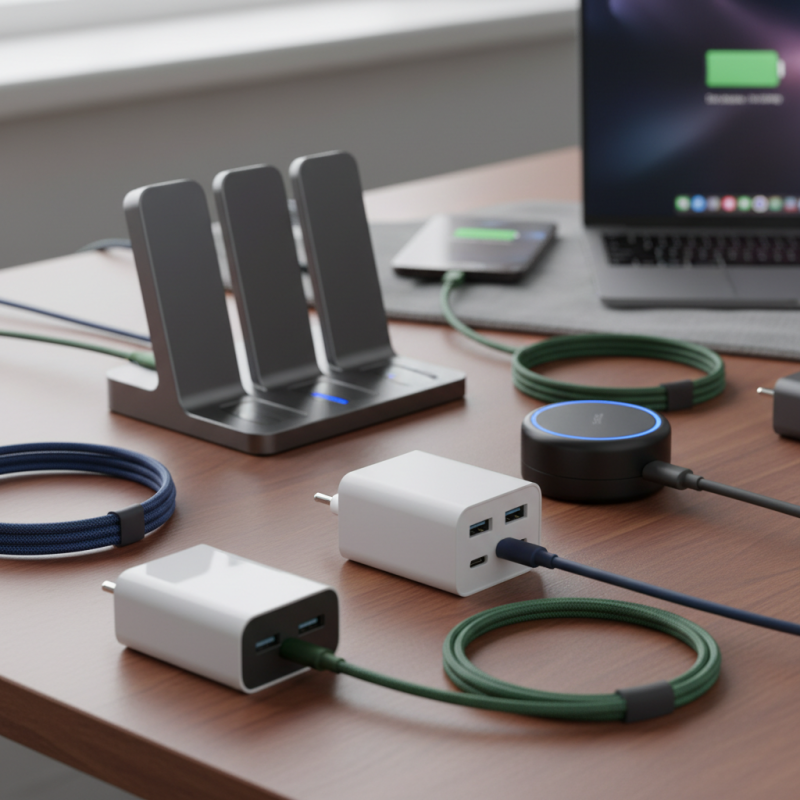
Understanding High-Speed Charging Technology and Its Benefits
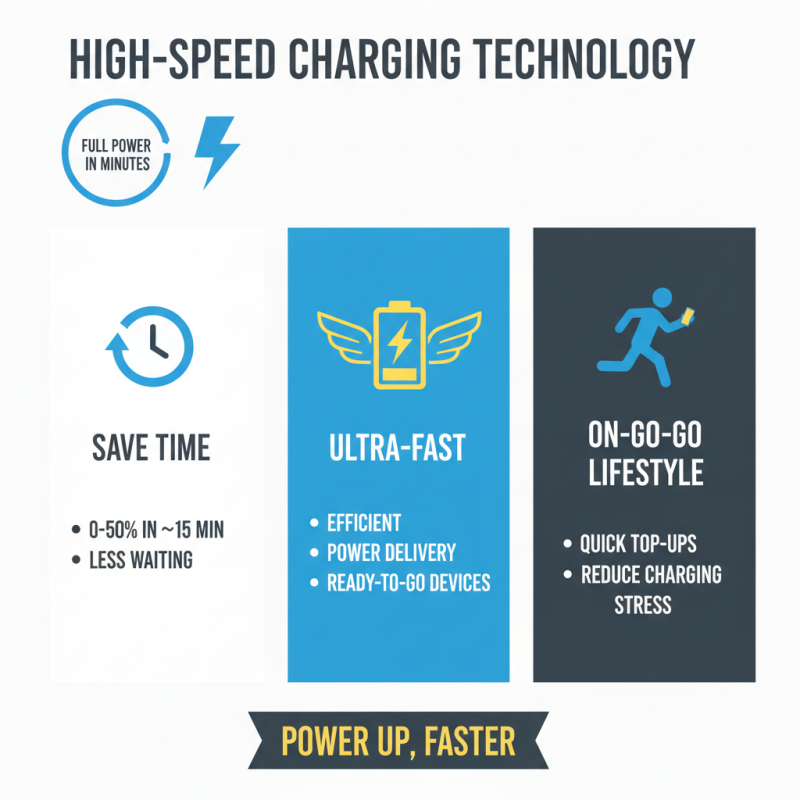
High-speed charging technology has transformed how we power our devices. It allows gadgets to charge much faster than traditional methods. This can be especially useful in our fast-paced lives. With the right charger, you can go from a low battery to a full charge in just minutes. Imagine being able to grab your device and head out without the stress of a long charging wait.
Understanding how this technology works is essential. Most high-speed chargers use voltage and current variations. They adapt to your device’s needs, providing the optimal power flow. This not only speeds up charging but also protects your device’s battery. However, it’s crucial to use compatible chargers. Using the wrong one can lead to overheating or damage.
High-speed charging isn’t always perfect. Some devices may not charge as quickly as expected. Factors like cable quality and the device’s charging capacity matter. It’s vital to remember that not all chargers deliver the same results. Awareness of these details can enhance your charging experience and extend your device's lifespan.
Key Features to Consider When Choosing a High-Speed Charger
When choosing a high-speed charger, several key features are crucial. Power output is a central consideration. Look for chargers that deliver at least 18W of power. According to industry reports, quick charging can improve device efficiency significantly, reducing charging time by up to 50%.
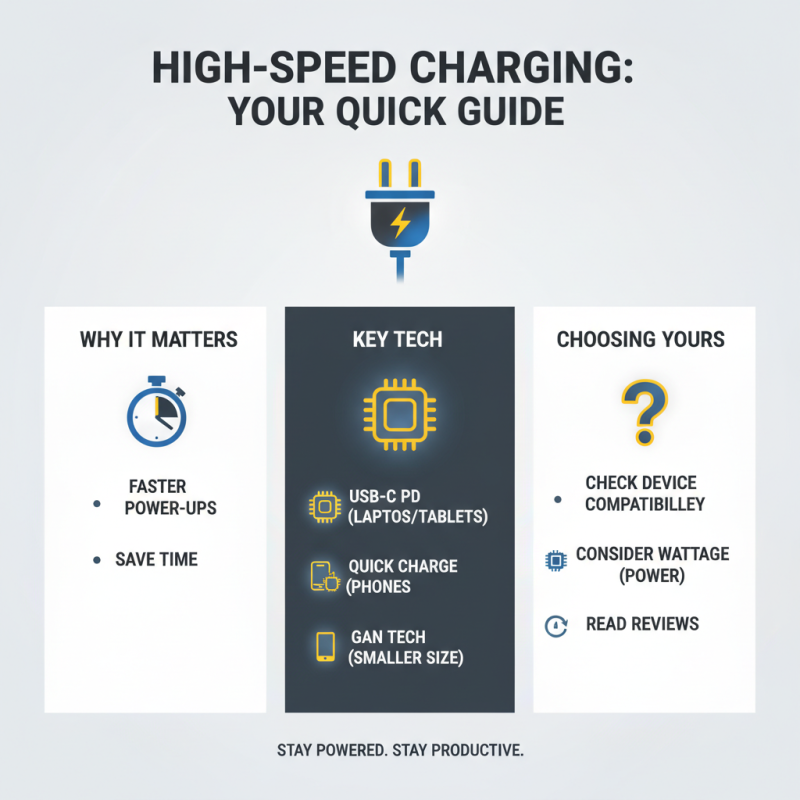
Another aspect to consider is compatibility. Not all chargers work with every device. A charger may support fast charging but not be suitable for your specific gadget. Charging standards like USB Power Delivery (PD) and Qualcomm Quick Charge are essential for optimal performance. This ensures your devices charge quickly without damage.
Tip: Check for built-in safety features. Overheating and power fluctuations can harm your devices. A good charger should include protection against surge and short-circuit. Some chargers may look appealing but lack these critical features.
The material and design of the charger also matter. Look for durable materials that can withstand daily wear. A compact size is beneficial for portability if you travel frequently. However, don't overlook the cable quality; it impacts charging speed as well. High-quality cables enhance the performance of your charger.
Charging Speed Comparison of High-Speed Chargers
Top 10 High-Speed Chargers for Various Devices and Needs
When it comes to charging devices quickly, having the right charger is crucial. Whether you need to power up your phone, tablet, or laptop, a high-speed charger can make a significant difference. Many chargers now feature advanced technologies that enable rapid charging. However, finding one that meets your specific needs can be challenging.
Compatibility is key. Some chargers work best with certain devices. Remember, more wattage usually means faster charging. However, this isn't a hard and fast rule. The device's own charging capabilities play a role too. A charger might promise high speeds, but if your device isn't designed for it, you may find yourself disappointed. Look for options with smart technology. These can adjust output to match your device’s needs, ensuring efficiency.
Safety is another factor. High-speed charging can generate heat. Overheating can damage batteries over time. It's essential to choose chargers with built-in protections against overcurrent and overheating. Many users overlook this aspect, thinking only about speed. A charger that prioritizes safety may not be the fastest, but it enhances your device's longevity. Balancing speed and safety creates a more satisfactory charging experience in the long run.
How to Ensure Safe and Efficient Charging with High-Speed Chargers
When using high-speed chargers, safety is a top priority. Always check the specifications of your devices and chargers. Not every device supports rapid charging. Using an incompatible charger may cause overheating or battery damage. This can result in a short lifespan for your device.
Monitoring charging conditions is crucial. For example, avoid covering devices while they charge. Heat can build up and lead to potential hazards. If you notice something unusual, like excessive warmth, unplug it. Consider using a surge protector as an added safety measure. It can safeguard against power spikes.
Efficiency is also essential. Ensure cables are high quality and compatible with fast charging. Cheaper options may not transmit power effectively. Sometimes, it takes longer to charge with a low-quality cable. Reflect on your charging habits. Are you using the right charger for your needs? Regular evaluation can enhance your charging experience.
Comparing Fast Charging Standards: Qualcomm Quick Charge vs USB Power Delivery
Fast charging has become essential in our increasingly mobile world. Two prominent standards dominate the market: Qualcomm Quick Charge and USB Power Delivery (USB PD). According to industry reports, Quick Charge can deliver up to 100 watts of power. This potential allows devices to charge quickly without overheating. In contrast, USB PD also supports high power levels, reaching 240 watts in some situations. It is notable for its compatibility with various devices, from smartphones to laptops.
Quick Charge uses a specific protocol to manage how devices draw power. This approach helps optimize charging speed based on the device’s needs. However, not all devices support this standard. USB PD, on the other hand, has established itself as a universal solution. It is used widely across multiple platforms. Despite its advantages, some users may find that not all cables support its capabilities, which may slow down charging times unexpectedly.
When comparing these two standards, it’s crucial to consider real-world usage. Many users experience inconsistencies in charging speeds due to various factors. These include the cable quality, power adapter, and device compatibility. Reports indicate that a mismatch in these elements can lead to disappointing performance. While both standards offer fast charging benefits, understanding individual needs and device capabilities is vital. This knowledge enables users to maximize their charging experiences effectively.

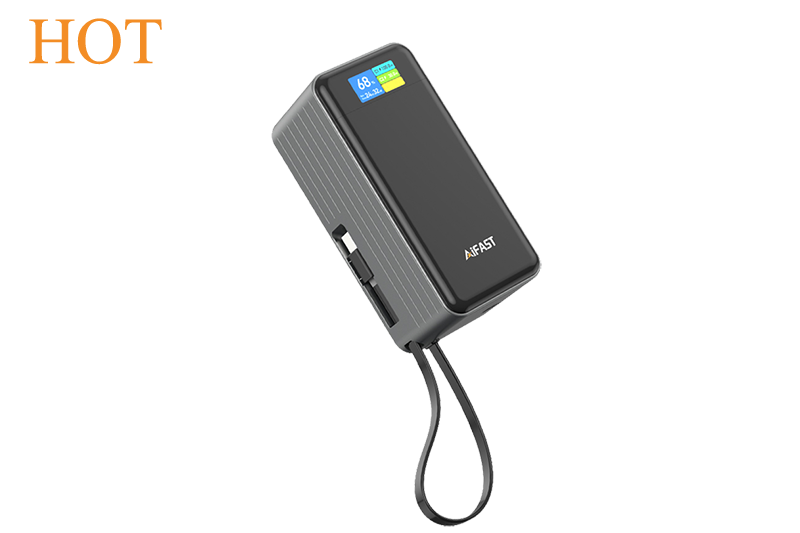 ESC-X019 65W Fast charge power bank
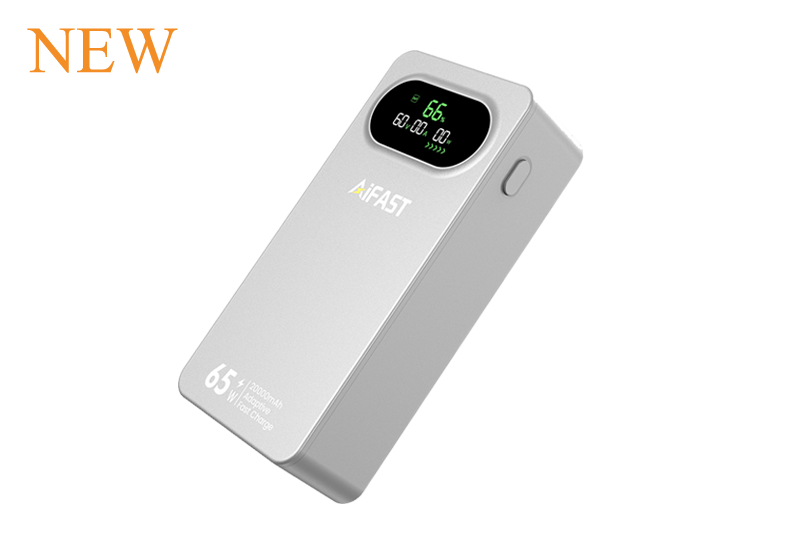 ESC-X018 65W Ultra-Fast 10000mAh Power Bank with TFT Display & Retractable Cable
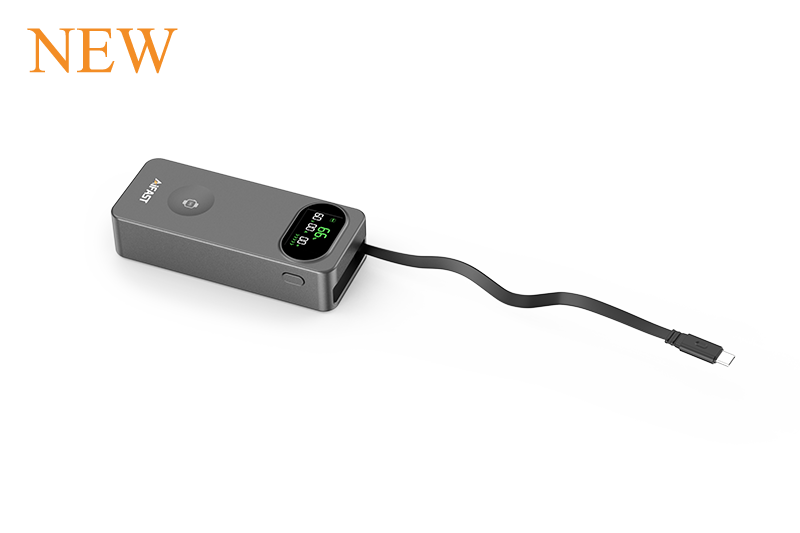 ESC-X017 65W Ultra-Fast 20000mAh Power Bank with TFT Display & Retractable Cable
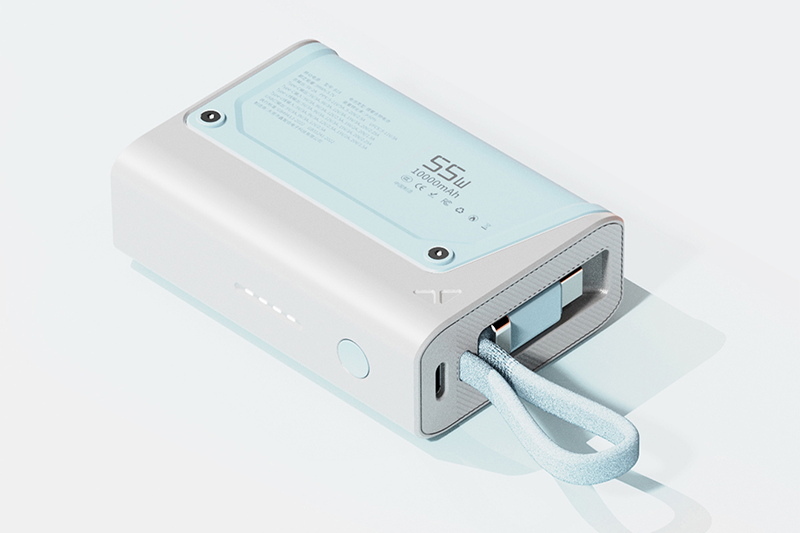 ESC-X020 10000mAh 55W Fast Charge Power Bank with cable built-in
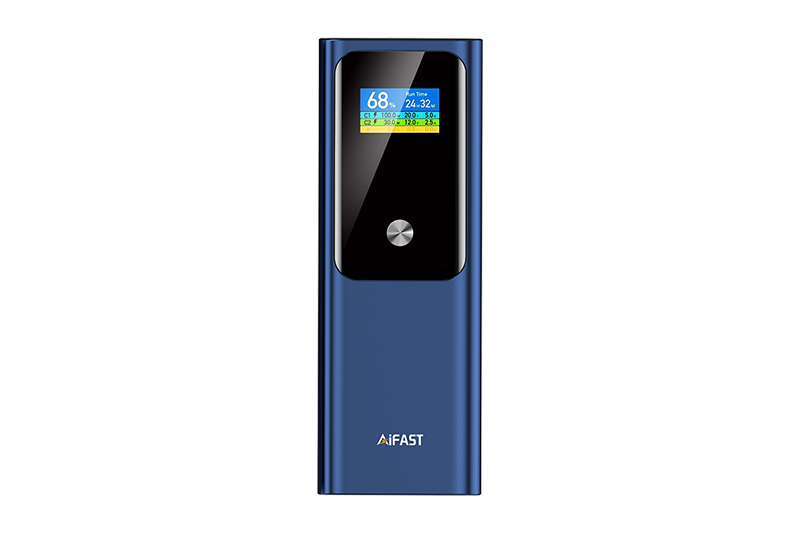 ESC-X016 120W 20000mAh Power Bank with Multi-Protocol TFT Display
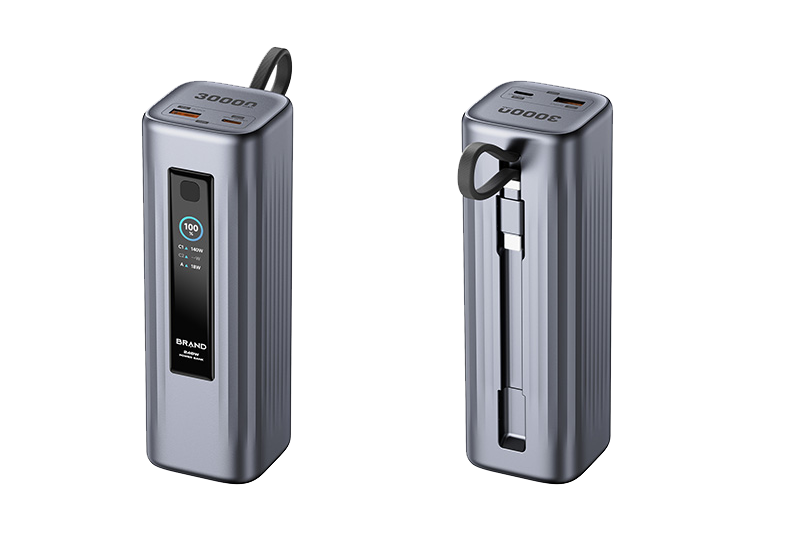 ECS-X022 145W 30,000mAh Power Bank with TFT Display & Retractable Cable
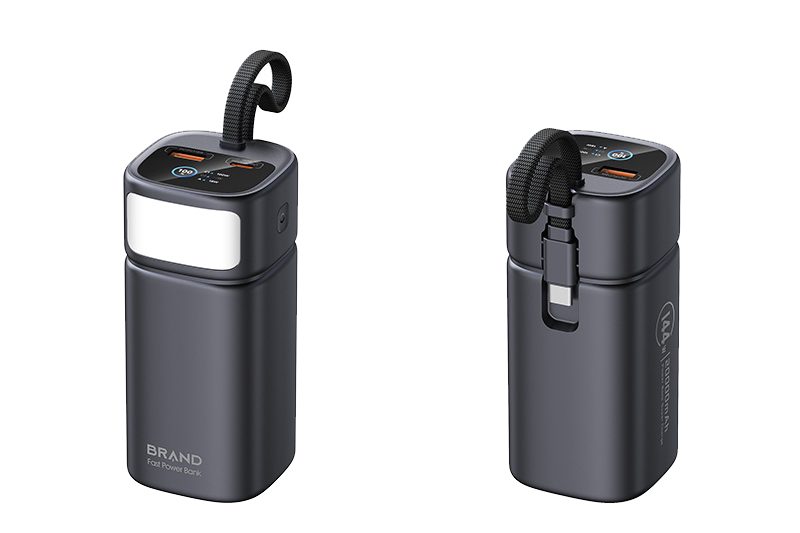 ECS-X021 100W 20,000mAh Power Bank with TFT Display & Retractable Cable
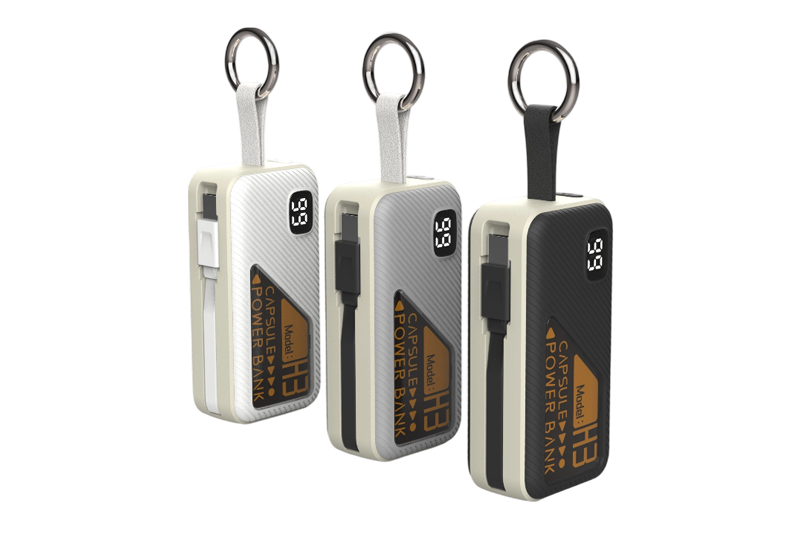 ESC-X023 20W Fast Charging Capsule Power Bank
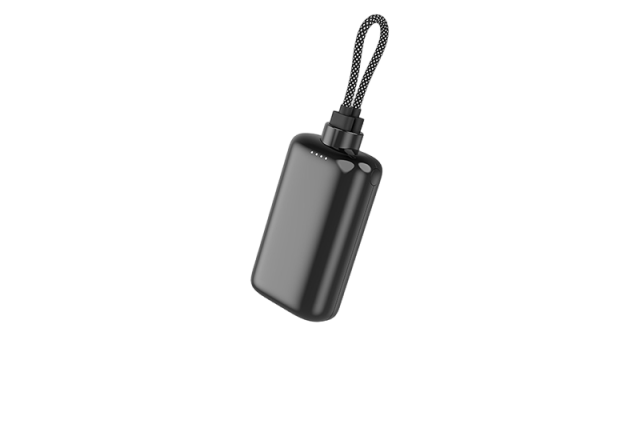 ESC-X024 22.5W 10,000mAh Fast Charging Power Bank
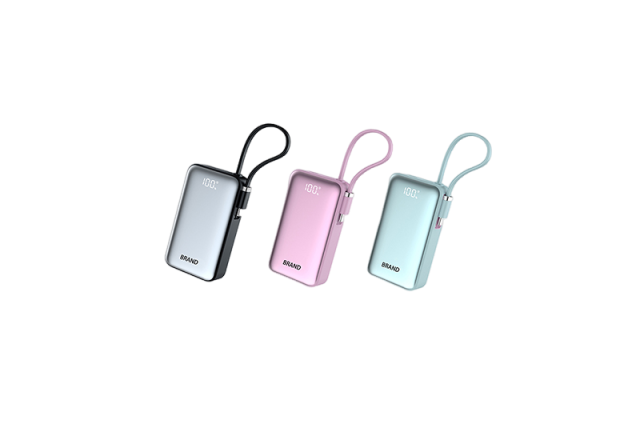 ESC-X025 22.5W Built-in Cable Portable Power Bank
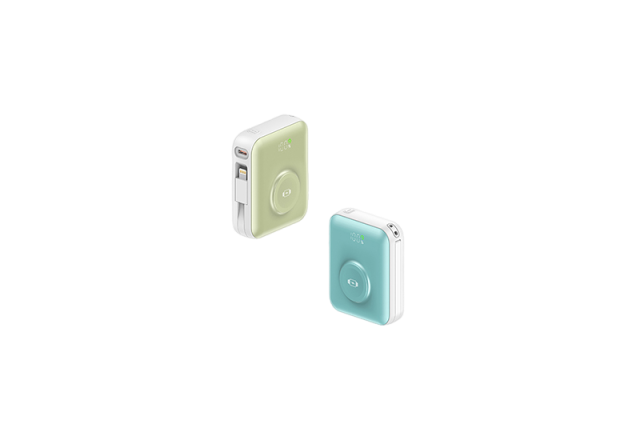 ESC-X026 22.5W 10000mAh Wireless Mini Size Power Bank
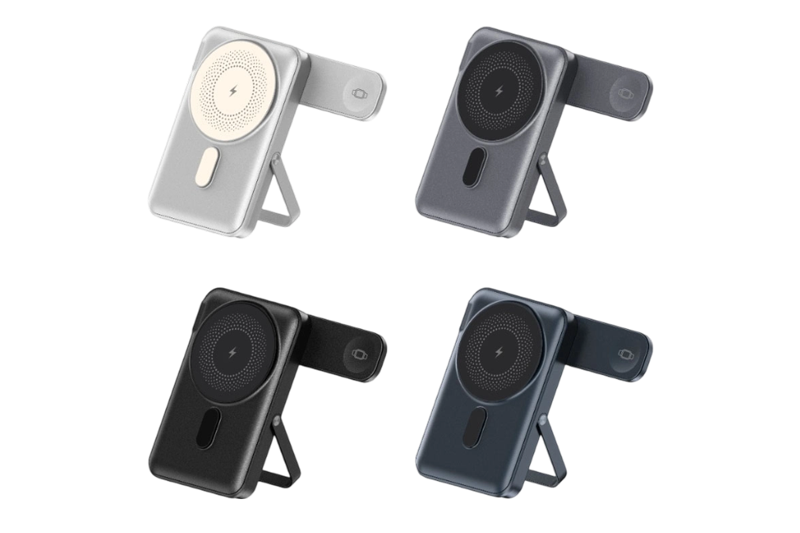 ESC-W018 3-in-1 MagSafe-Style Wireless Charging Stand
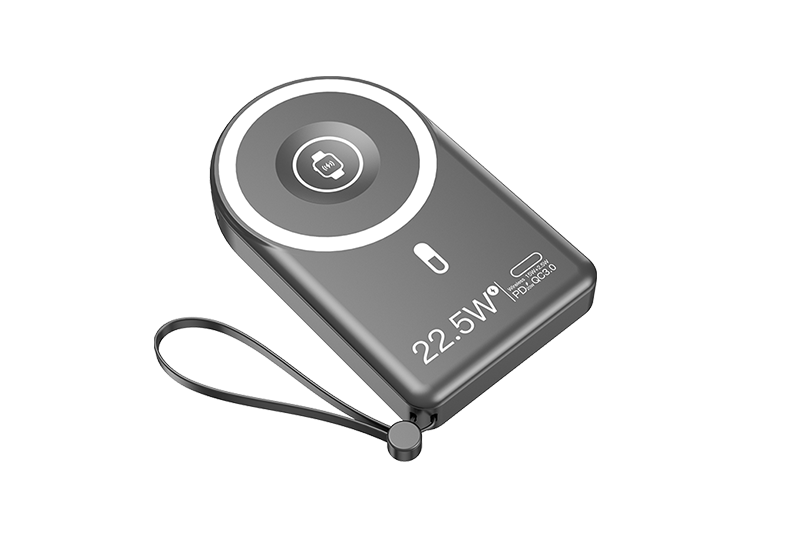 ESC-W017 5000mAh Wireless Ultimate All-in-One Power Solution for Samsung & iPhone Users
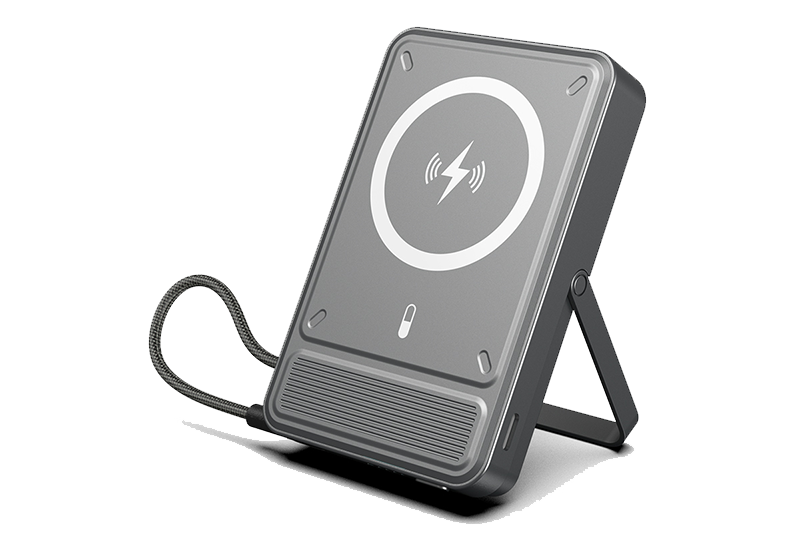 ECS-W016 45W Wireless Power Bank
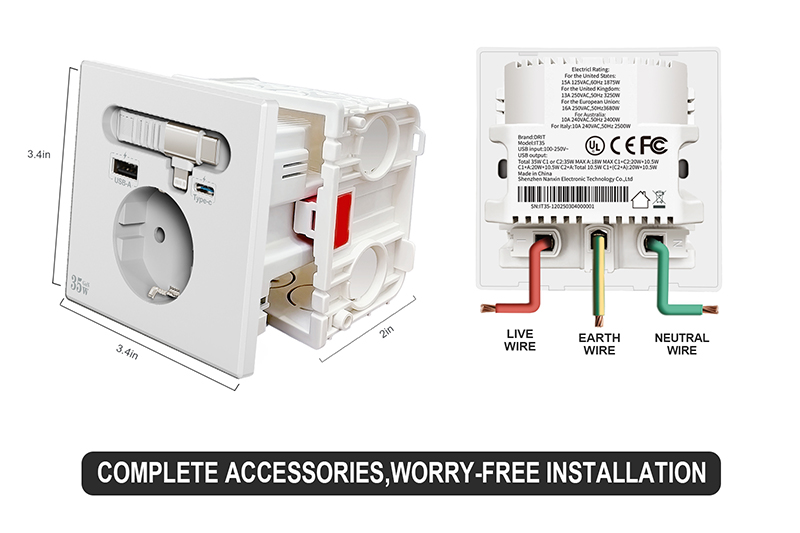 ESC-C019 Ultimate Universal 35W GaN Wall Socket
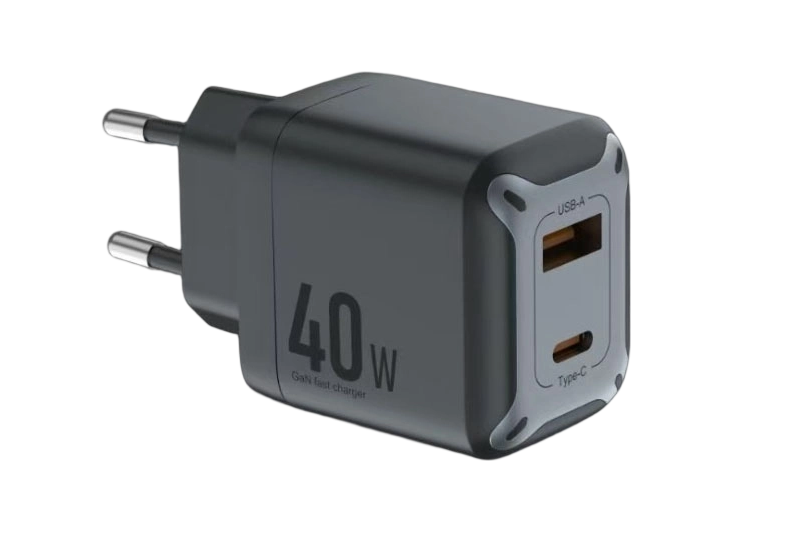 ESC-C018 Small Size 40W GaN Travel Charger
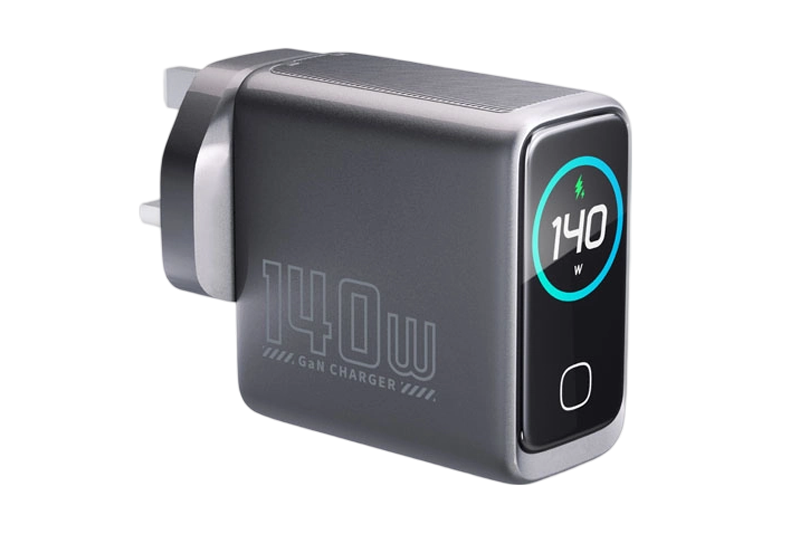 ESC-C017 140W HIGH Speed TFT Screen GaN Charger
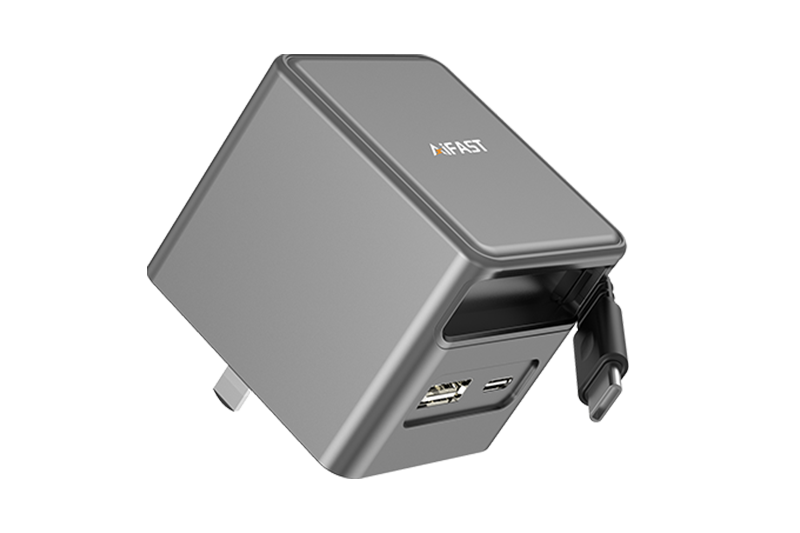 ESC-C016 65CM 65W HIGH Speed Retractable Cable GaN Charger


 Whatsapp
 Wechat