2026 Top Phone Power Bank Trends You Need to Know?
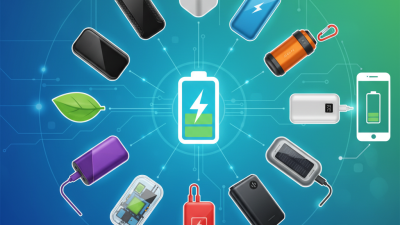
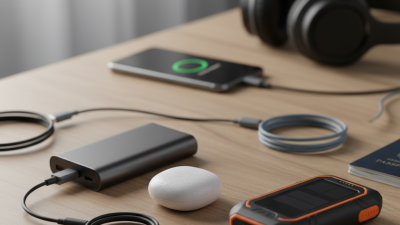
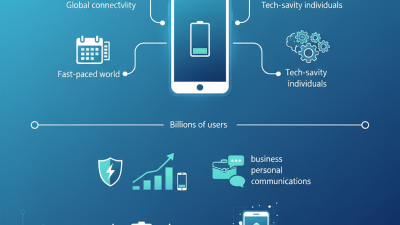
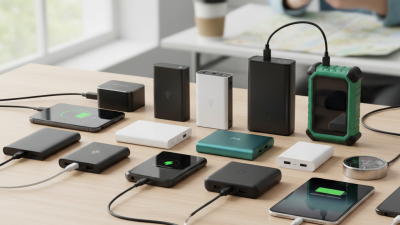
As we approach 2026, the evolution of the Phone Power Bank is undeniable. The need for portable charging solutions has surged. With smartphones becoming integral to our daily lives, the demand for reliable power banks continues to grow.
In recent years, trends have shifted significantly. Consumers seek power banks that are not only efficient but also stylish. Features like fast charging, compact designs, and eco-friendly materials are becoming essential. Many users are overwhelmed with choices, leading to confusion and often poor purchasing decisions.
It's crucial to stay informed about these trends. Understanding them can enhance your experience and ensure you choose the right Phone Power Bank for your needs. The market is dynamic, and what works today may not be relevant tomorrow. Embrace the change and reflect on what features matter most to you.
Emerging Technologies in Phone Power Banks for 2026
As we look towards 2026, phone power banks are set to undergo significant transformations. One exciting trend will be the integration of solar charging technology. Imagine a power bank that harnesses energy from sunlight efficiently. However, this technology is still developing and may not perform well in low-light conditions. Users may find themselves frustrated when their device runs out of power.
Another emerging technology is the introduction of ultra-fast charging capabilities. These advancements could allow users to charge their devices in just a few minutes. However, the safety aspects of such rapid charging need careful consideration. Overheating issues could arise, leading to concerns about battery longevity and safety. It's crucial for manufacturers to address these potential risks.
Additionally, the design of power banks will evolve to become more lightweight and portable. New materials will make it possible to create thinner and more stylish options. Yet, this raises questions about durability. A power bank that is too thin might sacrifice strength. Users might find themselves with a stylish accessory that can't withstand everyday wear and tear. Balancing form and function will be a challenge for manufacturers.
Key Features to Look for in 2026 Power Bank Models
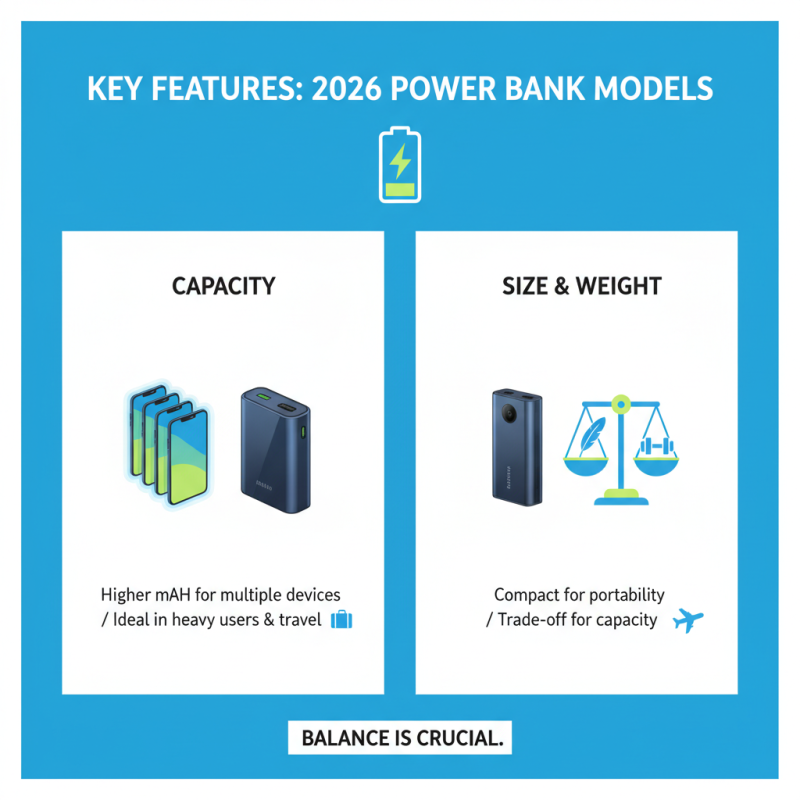
As we approach 2026, the power bank market is evolving rapidly. One key feature to consider is the capacity. Power banks with higher capacity can charge multiple devices. This is ideal for heavy users or traveling professionals. However, these models can be bulkier and heavier. Finding a balance between size and capacity is crucial.
Another important aspect is the charging speed. Most users prefer power banks that support fast charging. Look for models with advanced technologies that deliver power swiftly. But beware: some fast chargers may generate excess heat. This can lead to safety concerns and damage. Always choose a power bank with robust safety features.
Portability remains a hot topic. With people on the move, lightweight designs are desirable. Some power banks are compact, fitting easily into pockets or bags. Yet, this can compromise capacity. Evaluating your personal needs is essential. A smaller power bank may not last for multiple charges. In the end, thoughtful consideration of your daily habits will guide your choice.
Eco-Friendly Power Bank Options: Sustainability Trends
As sustainability becomes a priority, eco-friendly power banks are emerging as essential gadgets. Many consumers now seek alternatives that minimize environmental impact. Solar-powered models are gaining popularity. They harness sunlight to recharge, perfect for outdoor enthusiasts. Imagine charging your device simply by placing it under the sun.
Materials matter too. Many power banks now use recycled plastics and sustainable materials. Manufacturers are exploring biodegradable options, which break down naturally over time. This shift reflects a growing awareness of our planet's health. Yet, challenges remain. Not all eco-friendly options provide the same efficiency. Some may take longer to charge devices or hold less energy. This can frustrate users who prioritize performance.
Design is also evolving. Sleeker, more portable models are appealing. Some incorporate features like LED indicators to show battery life clearly. However, consumers need to be cautious. The term "eco-friendly" can be misleading. It's essential to look for certifications that verify claims. Support brands that prioritize transparency and sustainability.
2026 Top Phone Power Bank Trends You Need to Know
| Trend |
Description |
Key Features |
Sustainability Aspect |
| Solar Charging |
Power banks with integrated solar panels for outdoor charging. |
Portable, eco-friendly, reduces reliance on electrical sources. |
Utilizes renewable energy, minimizing carbon footprint. |
| Recycled Materials |
Power banks made from recycled plastics and metals. |
Lightweight, durable, environmentally friendly. |
Promotes waste reduction and resource conservation. |
| Wireless Charging |
Power banks that support Qi wireless charging technology. |
Convenient, reduces cable waste, greater ease of use. |
Reduces manufacturing of cables and connectors. |
| Power Bank with Eco-Friendly Batteries |
Use of sustainable lithium-ion batteries that are easier to recycle. |
Long lifespan, safer disposal options, high efficiency. |
Encourages responsible resource use and recyclability. |
| Compact and Lightweight Designs |
Small-size power banks that are easy to carry. |
Travel-friendly, efficient energy storage. |
Less material use and better energy efficiency. |
The Impact of Fast Charging on Power Bank Design
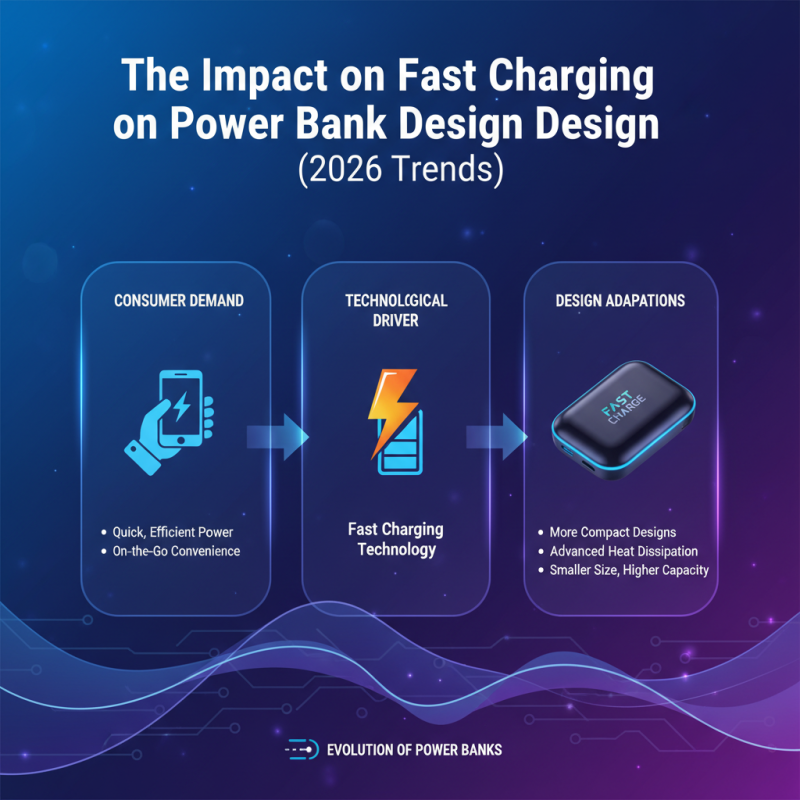
In 2026, power banks will evolve significantly. Fast charging technology is a major factor driving this change. Consumers want quick, efficient charging on the go. Consequently, design adaptations are necessary. More compact designs will be essential to meet these needs.
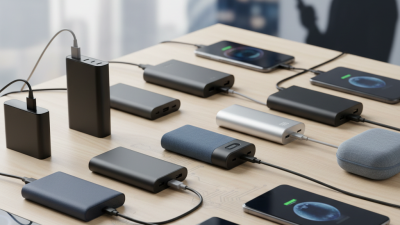
Power banks may soon feature multiple charging ports. This allows users to charge several devices at once. However, battery efficiency is crucial. Fast charging can generate heat, which affects the battery's lifespan. Manufacturers are grappling with this challenge. They must balance speed and durability.
**Tip:** Consider a power bank with built-in overheating protection. This feature can extend your device’s life. Also, look for options with LED indicators. They provide real-time feedback on battery status.
As designs become sleeker, power banks might lose some bulk storage. This trend raises questions. Will consumers need to carry multiple devices? It's important to consider personal charging habits. Your usage will determine what features are necessary.
Consumer Preferences Shaping the Future of Power Banks
As we look ahead to 2026, consumer preferences are significantly shaping the evolution of power banks. Users now demand more than just functionality. They want sleek designs that fit seamlessly into their lifestyles. Lightweight options are preferred, especially for those who travel frequently. Users value portability, but aesthetics matter too. Color choices and materials are becoming key deciding factors.
Moreover, the environmental impact of power banks is under scrutiny. Consumers expect eco-friendly materials and sustainable processes. Many are now willing to pay a bit more for products that align with their values. They want devices that won’t just charge their phones but also reflect their commitment to the planet. However, achieving this balance is challenging for manufacturers.
Battery technology is also evolving. Fast charging is becoming the norm, but consumers have mixed feelings about it. While they appreciate the speed, some worry about battery longevity. Users are left wondering if quick charges shorten their lifespans. In this rapidly changing landscape, companies face the task of meeting diverse needs while navigating sustainability concerns. These trends highlight a growing complexity in the power bank market.
2026 Top Phone Power Bank Trends
This chart illustrates the key trends shaping consumer preferences for power banks in 2026. The majority of consumers prioritize high capacity and fast charging features, while aspects like portability and eco-friendly materials also play a significant role in their purchasing decisions.

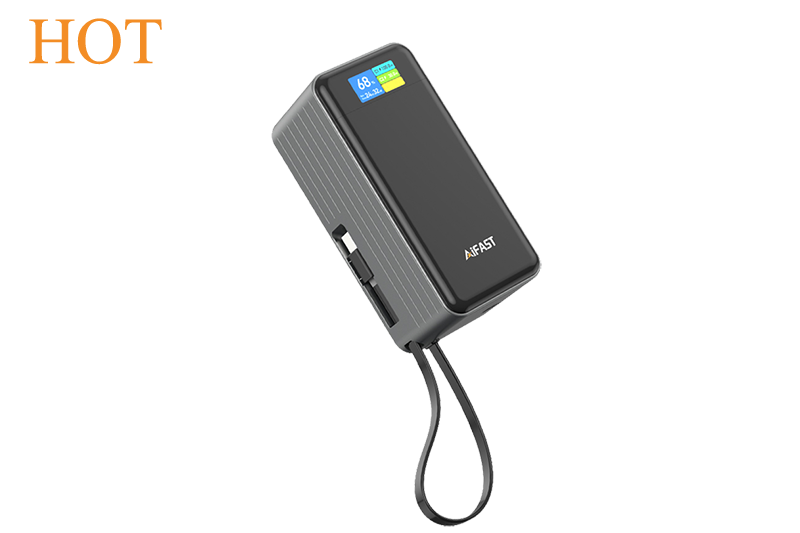 ESC-X019 65W Fast charge power bank
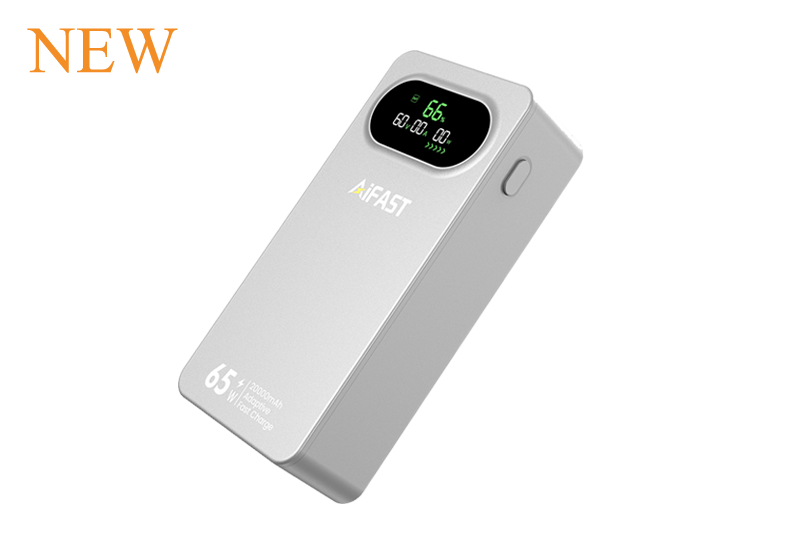 ESC-X018 65W Ultra-Fast 10000mAh Power Bank with TFT Display & Retractable Cable
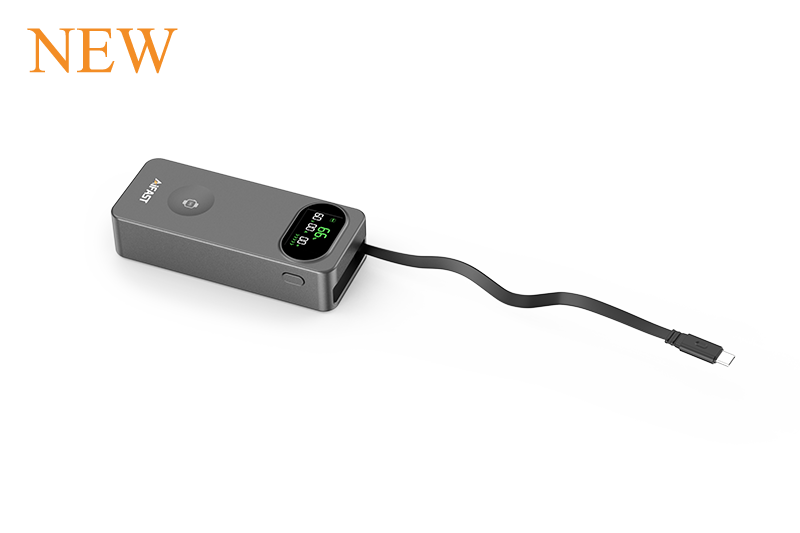 ESC-X017 65W Ultra-Fast 20000mAh Power Bank with TFT Display & Retractable Cable
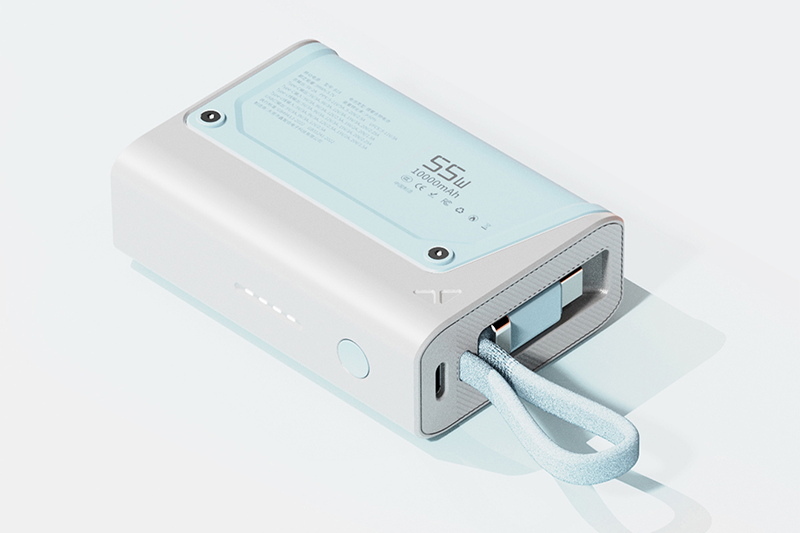 ESC-X020 10000mAh 55W Fast Charge Power Bank with cable built-in
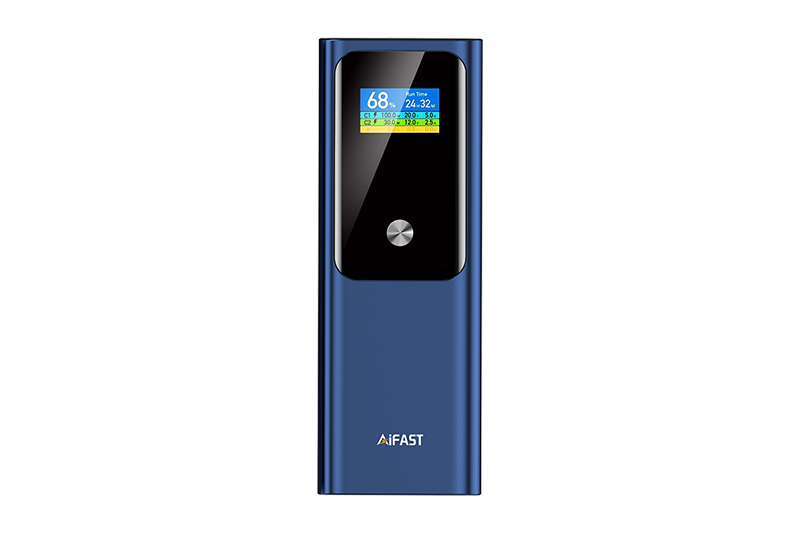 ESC-X016 120W 20000mAh Power Bank with Multi-Protocol TFT Display
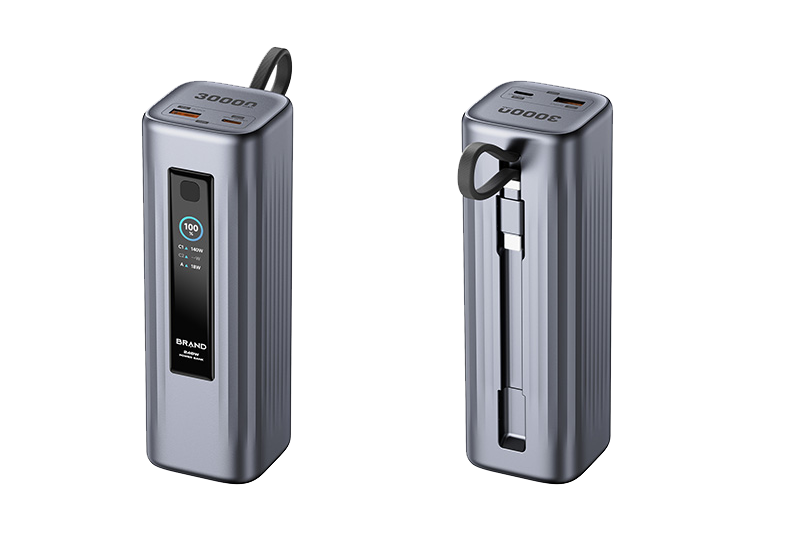 ECS-X022 145W 30,000mAh Power Bank with TFT Display & Retractable Cable
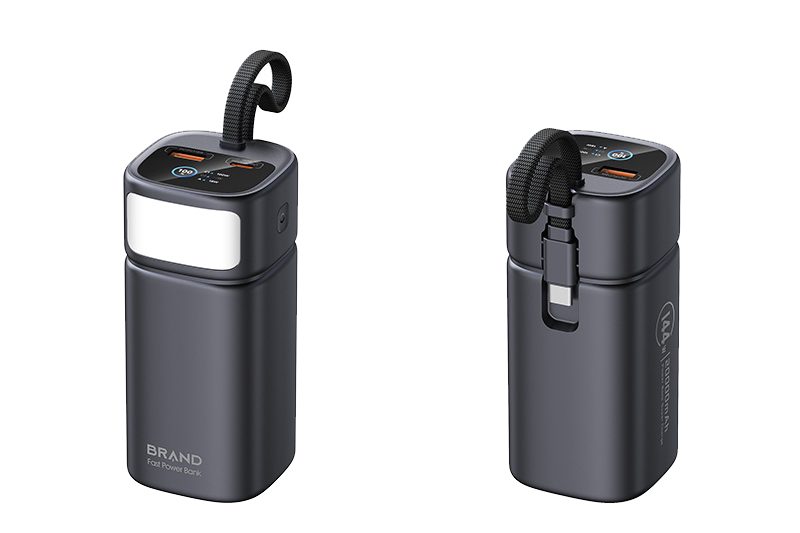 ECS-X021 100W 20,000mAh Power Bank with TFT Display & Retractable Cable
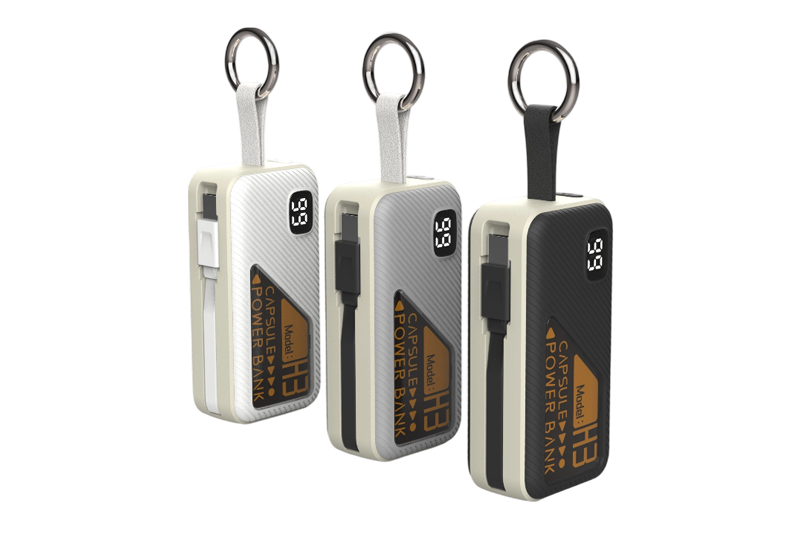 ESC-X023 20W Fast Charging Capsule Power Bank
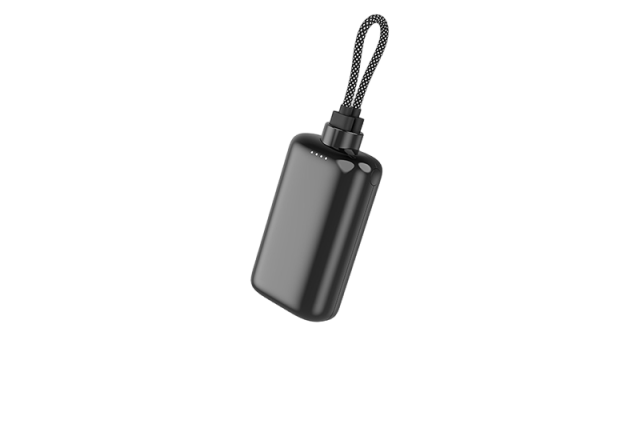 ESC-X024 22.5W 10,000mAh Fast Charging Power Bank
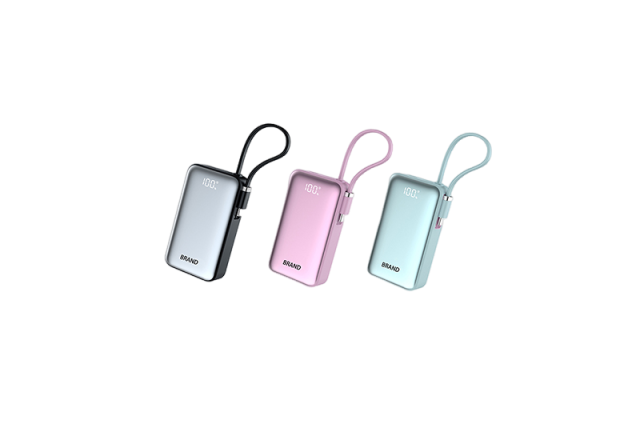 ESC-X025 22.5W Built-in Cable Portable Power Bank
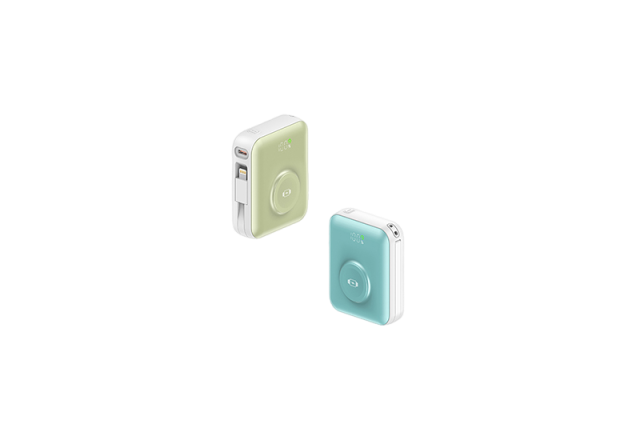 ESC-X026 22.5W 10000mAh Wireless Mini Size Power Bank
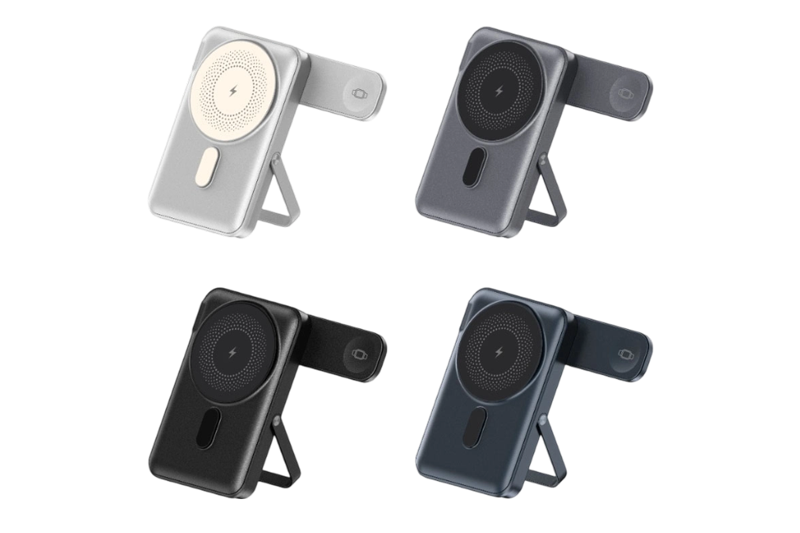 ESC-W018 3-in-1 MagSafe-Style Wireless Charging Stand
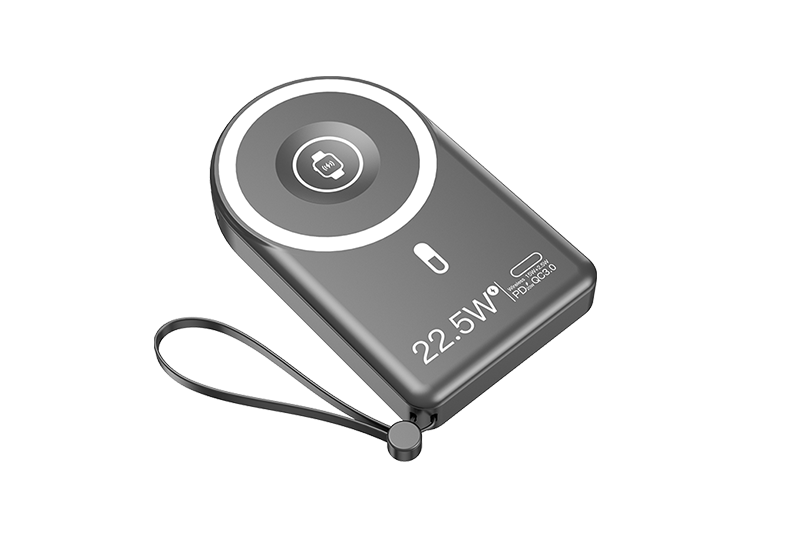 ESC-W017 5000mAh Wireless Ultimate All-in-One Power Solution for Samsung & iPhone Users
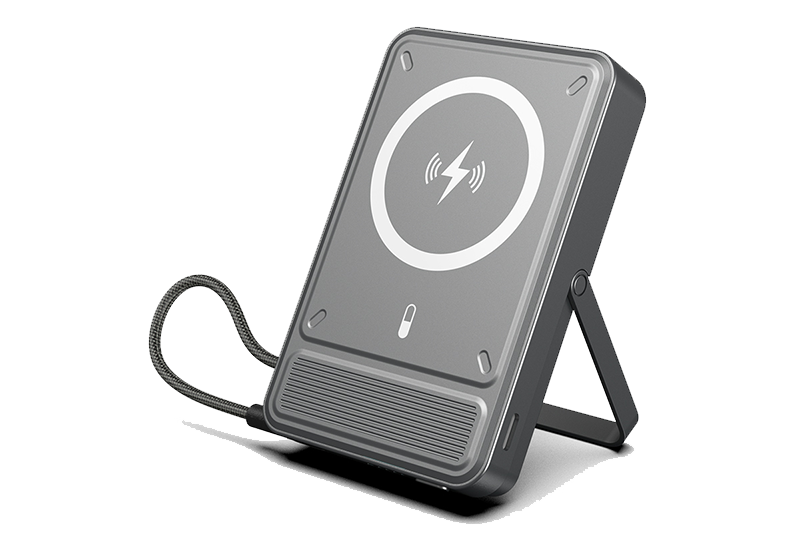 ECS-W016 45W Wireless Power Bank
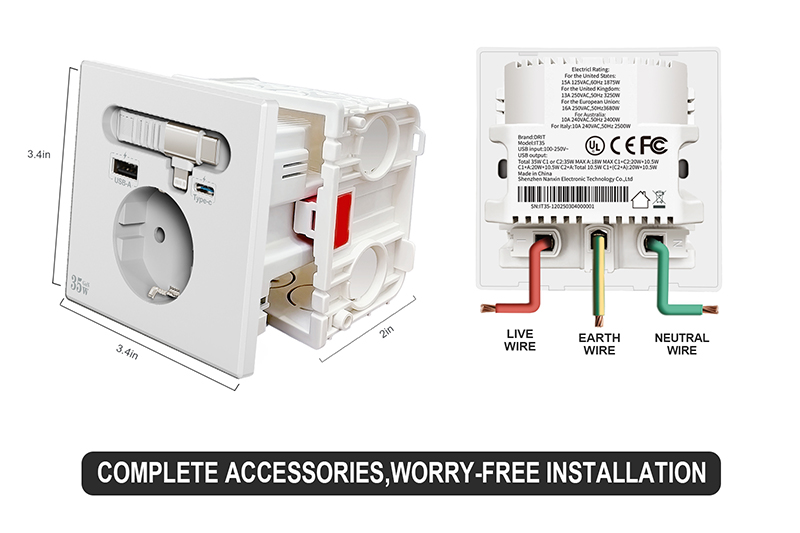 ESC-C019 Ultimate Universal 35W GaN Wall Socket
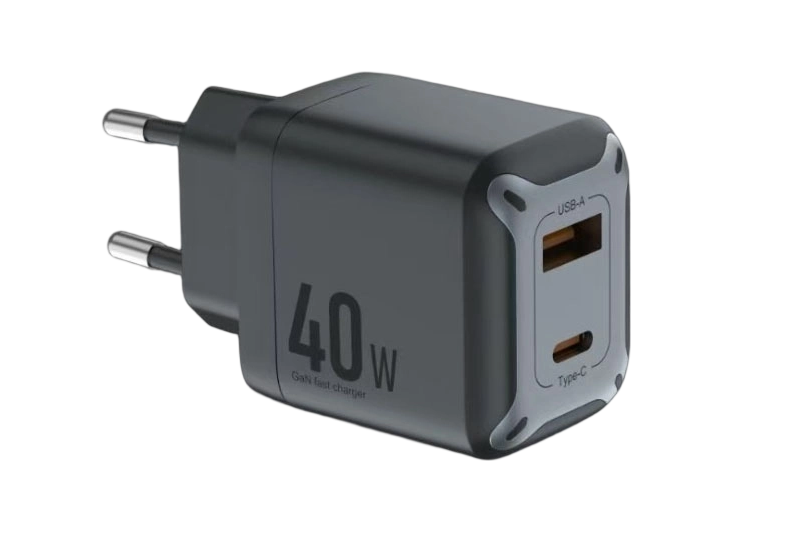 ESC-C018 Small Size 40W GaN Travel Charger
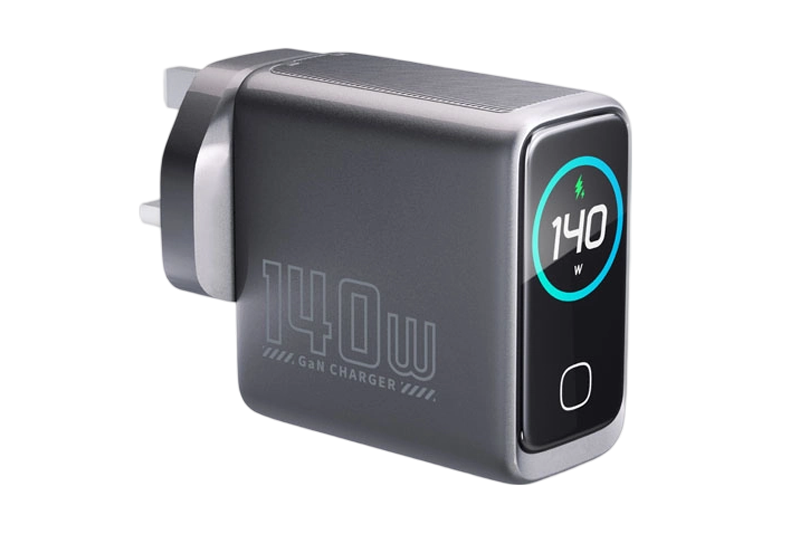 ESC-C017 140W HIGH Speed TFT Screen GaN Charger
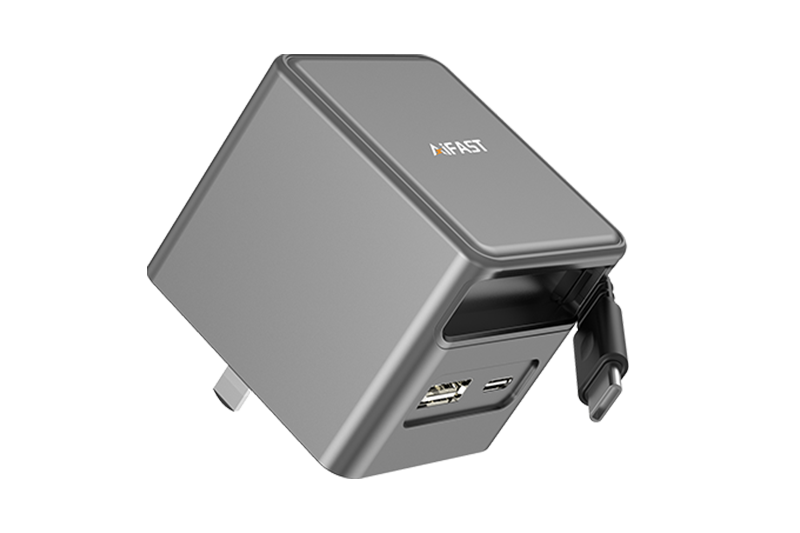 ESC-C016 65CM 65W HIGH Speed Retractable Cable GaN Charger


 Whatsapp
 Wechat