2026 Top Mobile Phone Power Bank Trends You Need to Know?
In the ever-evolving world of technology, the "Mobile Phone Power Bank" industry is buzzing with new trends for 2026. Experts, like John Doe, an industry analyst, highlight the importance of staying updated. He emphasizes, "Understanding future trends in power banks is crucial for consumers and manufacturers alike."
As smartphones become more powerful, the demand for robust Mobile Phone Power Banks grows. Consumers can now expect faster charging and higher capacities. Innovations such as solar charging and eco-friendly materials are emerging. However, not all advancements will suit everyone’s needs. Some power banks may prioritize aesthetics over functionality, leading to a disconnect between style and usability.
The future is bright, but challenges remain. As battery technology advances, battery safety must not be overlooked. Consumers often face confusion with various options available in the market. Education on key features is essential. The Mobile Phone Power Bank landscape is set for rapid changes, but vigilance is needed. Balancing innovation with practicality will define the success of future products.
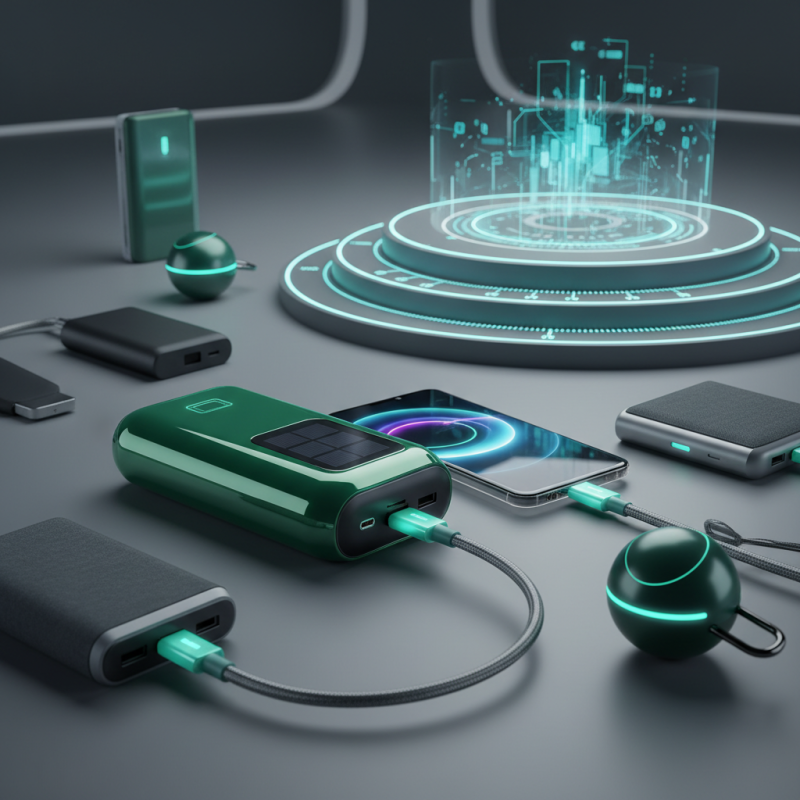
Emerging Technologies in Mobile Power Banks for 2026
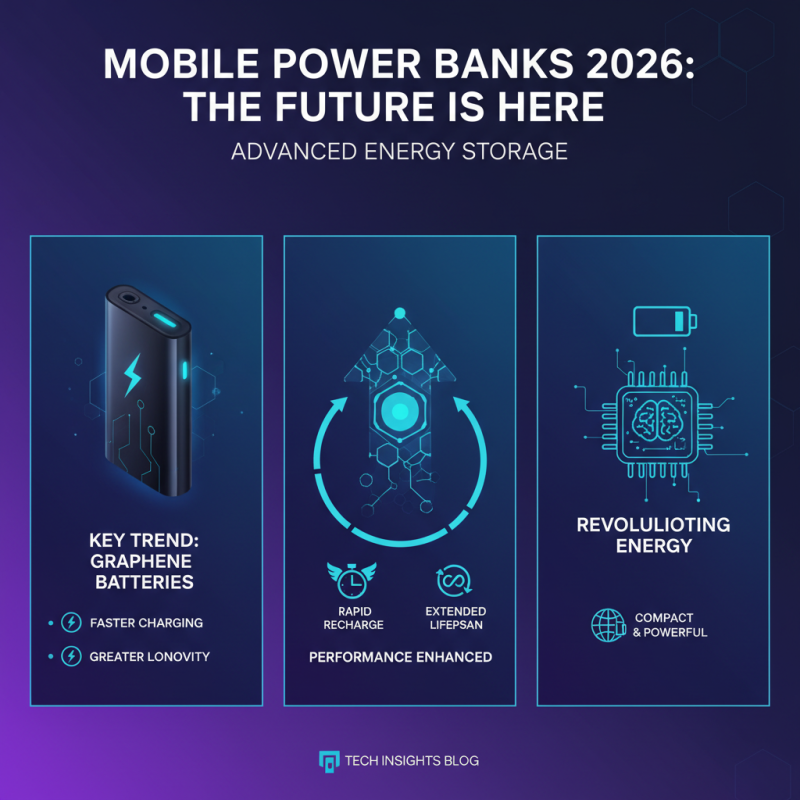
As we look ahead to 2026, mobile power banks are becoming more advanced. Emerging technologies promise to enhance their performance significantly. One key trend is the adoption of graphene batteries. These batteries offer faster charging times and greater longevity. They could revolutionize how we perceive energy storage.
Wireless charging is another exciting development. Imagine using a power bank without any cables. This technology is still evolving, and we need to consider efficiency. While it’s convenient, the charging speed may not always match that of traditional wired methods. This could lead to frustration in moments of urgency.
Lastly, smart technology integration is on the rise. Power banks are becoming more intelligent. They can monitor usage and suggest optimal charging times. However, this raises questions about data privacy and security. Balancing convenience with safety remains a challenge for manufacturers. As these trends develop, reflection on their implications will be vital.
Sustainable Material Trends in the Manufacturing of Power Banks
The trend of using sustainable materials in power bank manufacturing is gaining momentum. Consumers are increasingly aware of the environmental impact of their purchases. Manufacturers are responding by utilizing materials like recycled plastics and biodegradable components. These materials not only reduce waste but also lower the carbon footprint.
For those looking to buy a power bank, consider these tips. Check for certifications related to sustainability. Look for products that highlight their eco-friendly materials. Sometimes, the best designs prioritize both function and the planet.
It's clear that while great strides are being made, challenges remain. Not all manufacturers are fully transparent about their material sources. This creates a gap in consumer knowledge. As shoppers, we should demand clarity. Choosing a sustainable power bank requires effort, but it is a step toward a greener future. Sustainable choices are not always perfect, but they are improving.
Innovative Charging Solutions: Fast Charging and Wireless Options
The world of power banks is evolving rapidly. One of the most significant trends is the shift towards innovative charging solutions. Fast charging capabilities are at the forefront. Many users now seek devices that can recharge rapidly while being lightweight and portable. Imagine powering a phone in just 30 minutes, allowing users to stay connected longer.
Wireless charging options are gaining popularity as well. Picture simply placing your phone on a power bank and watching it charge. This convenience eliminates tangled wires and the hassle of plugging in. However, there are challenges. Not all wireless power banks deliver the same efficiency, often leading to frustration. Users may often ponder if they are getting the most for their time and money.
An essential aspect of these trends is sustainability. As technology advances, the demand for eco-friendly materials in power banks is increasing. Consumers are becoming more conscious of their environmental impact. Yet, finding power banks that balance innovation and sustainability remains a task. Users frequently reflect on how their choices affect the planet and their daily lives.
2026 Top Mobile Phone Power Bank Trends You Need to Know
| Feature |
Description |
Trend Popularity (%) |
User Rating (out of 5) |
| Fast Charging |
Ability to charge devices rapidly, often within 30 minutes. |
78% |
4.5 |
| Wireless Charging |
Convenient charging without cables, using Qi technology. |
65% |
4.2 |
| Solar Charging |
Utilizes solar panels for eco-friendly charging. |
45% |
4.0 |
| Compact Design |
Slim and lightweight to enhance portability. |
73% |
4.6 |
| Multi-Port Charging |
Ability to charge multiple devices simultaneously. |
70% |
4.4 |
Smart Features: The Rise of App-Controlled Power Banks
The rise of app-controlled power banks is reshaping the way we think about portable charging. According to recent studies, over 30% of smartphone users express the need for smarter charging solutions. These power banks offer features like battery status updates and charging management through user-friendly apps. Such innovations allow users to monitor their power usage efficiently.
Data from industry analysis reveals that the demand for app-controlled power banks could reach a massive $18 billion by 2026. Many users now expect their gadgets to sync seamlessly with their devices. However, not all designs are intuitive. Many apps require improvements to enhance user experience.
App-controlled power banks aim to address common charging concerns. Features like automatic shut-off, when devices are fully charged, are driving user engagement. Yet, this technology is not flawless. Connectivity issues can disrupt functionality, frustrating users reliant on real-time updates. As the market evolves, balancing functionality with ease is crucial for success.
Market Predictions: Consumer Preferences and Buying Habits in 2026
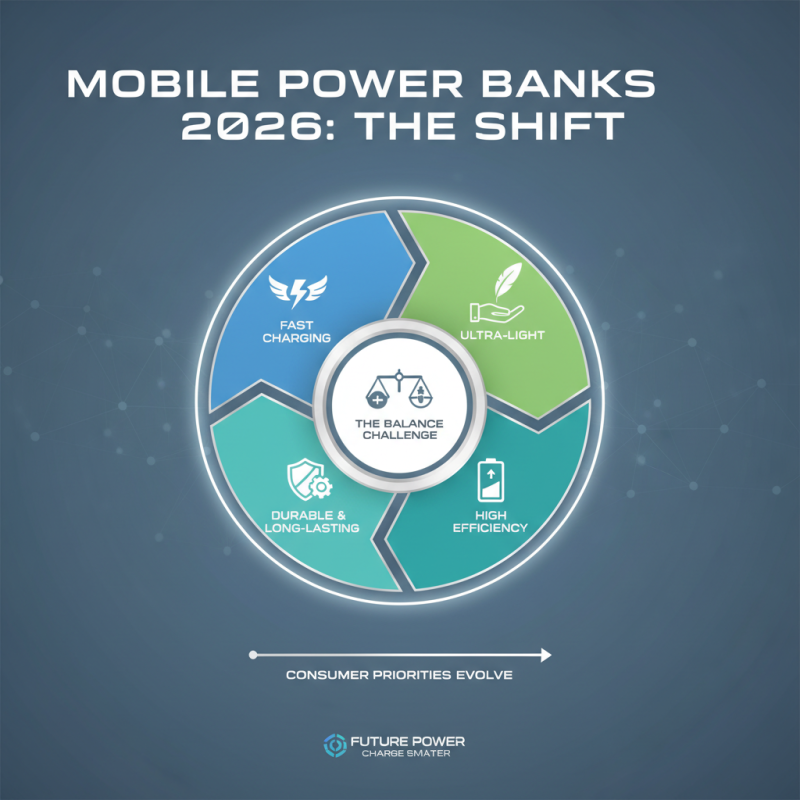
In 2026, consumer preferences for mobile power banks will shift significantly. Portability and efficiency will be top priorities. Many users seek lightweight designs without sacrificing performance. Brands that succeed will focus on fast charging capabilities. However, consumers also desire durability and longevity in their devices. This dual focus can be problematic, as materials that enhance durability often add weight. A delicate balance must be struck.
Sustainability will play a crucial role in buying habits. Environmentally friendly materials could attract eco-conscious consumers. Transparent manufacturing processes may foster trust. Yet, not all brands will prioritize eco-friendliness. Some may cut corners to reduce costs. This could lead to disillusionment among consumers who value sustainability.
Color and design will also influence purchases. Bold, unique styles may stand out. However, minimalism still appeals to many. The challenge for brands will be to cater to diverse tastes. Analyzing trends will be essential to meet consumer expectations. Ultimately, brands that adapt quickly will enjoy success. But overlooking the complexities of consumer desires may lead to missed opportunities.

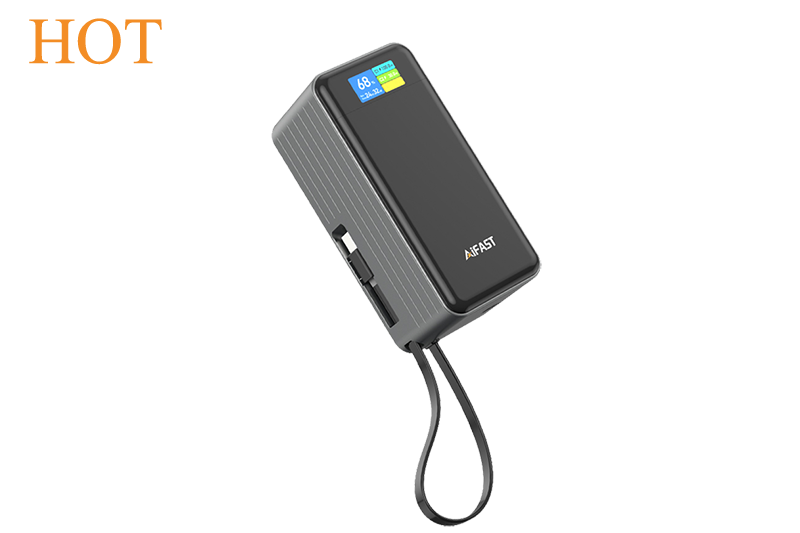 ESC-X019 65W Fast charge power bank
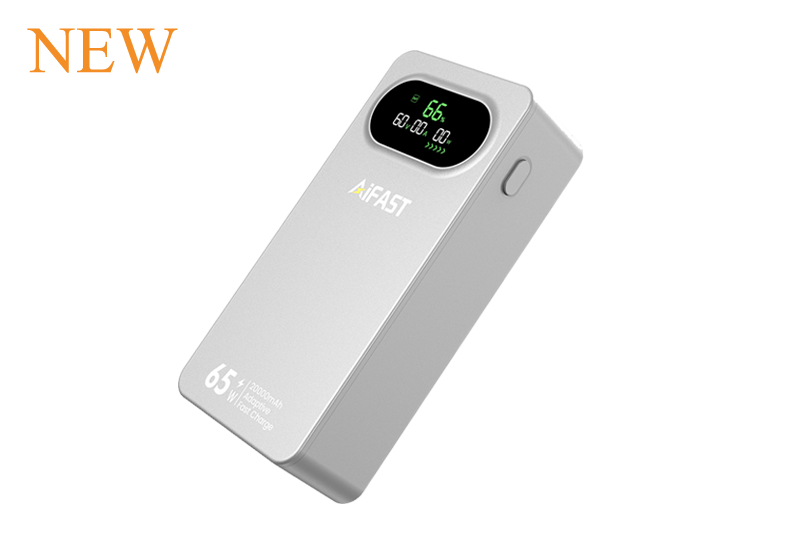 ESC-X018 65W Ultra-Fast 10000mAh Power Bank with TFT Display & Retractable Cable
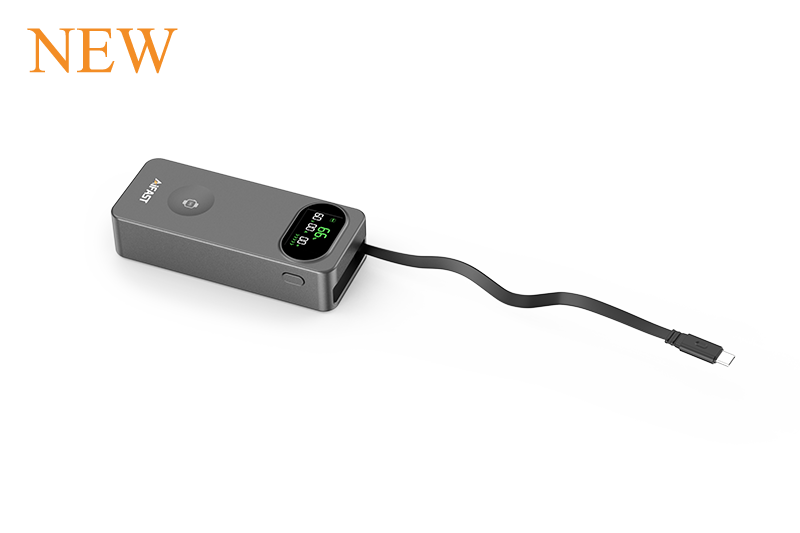 ESC-X017 65W Ultra-Fast 20000mAh Power Bank with TFT Display & Retractable Cable
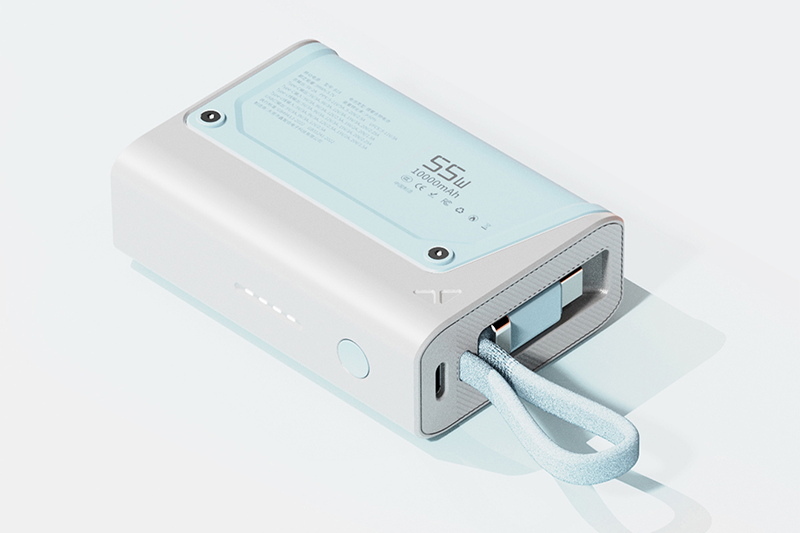 ESC-X020 10000mAh 55W Fast Charge Power Bank with cable built-in
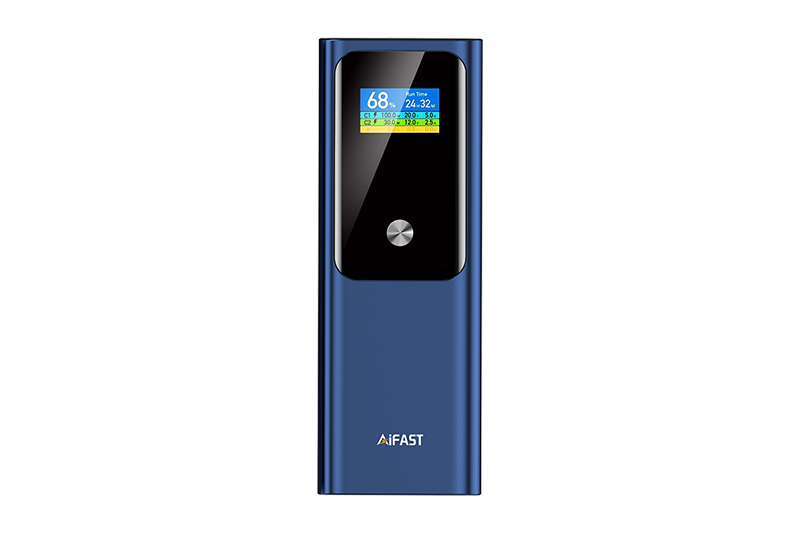 ESC-X016 120W 20000mAh Power Bank with Multi-Protocol TFT Display
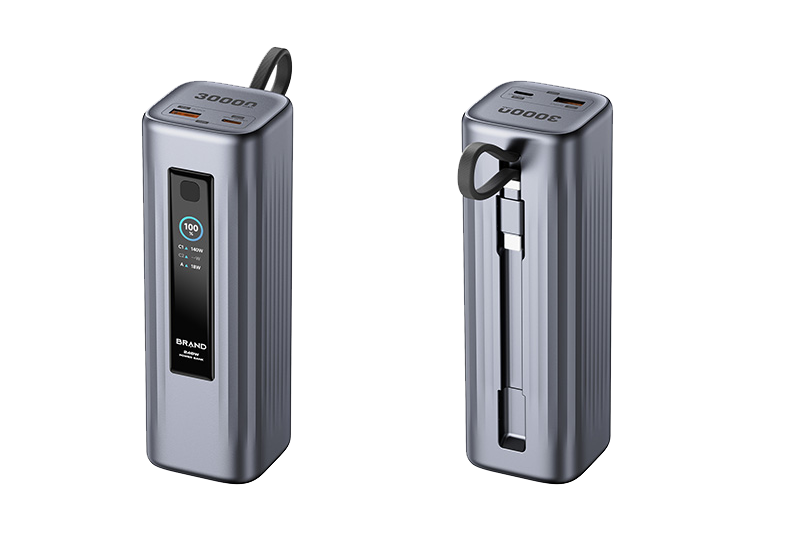 ECS-X022 145W 30,000mAh Power Bank with TFT Display & Retractable Cable
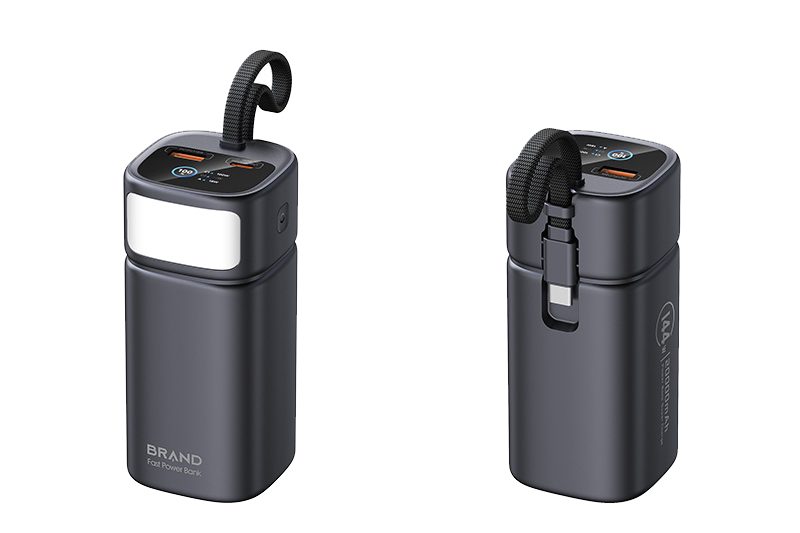 ECS-X021 100W 20,000mAh Power Bank with TFT Display & Retractable Cable
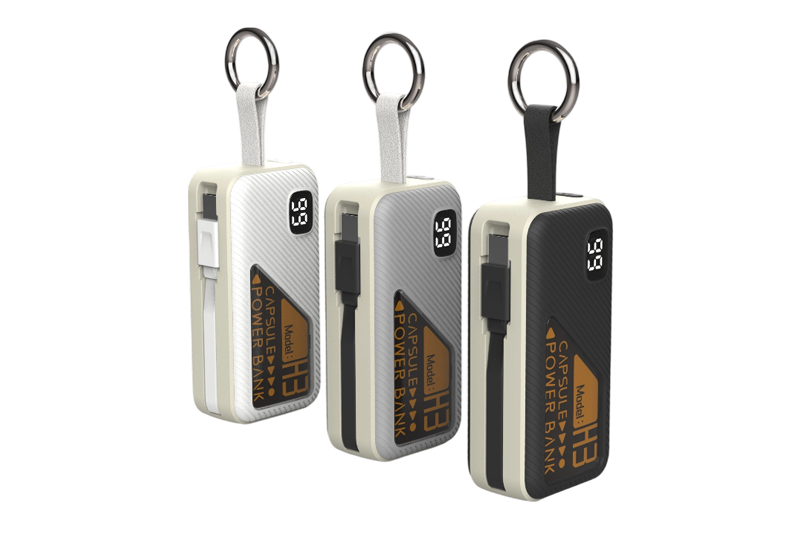 ESC-X023 20W Fast Charging Capsule Power Bank
 ESC-X024 22.5W 10,000mAh Fast Charging Power Bank
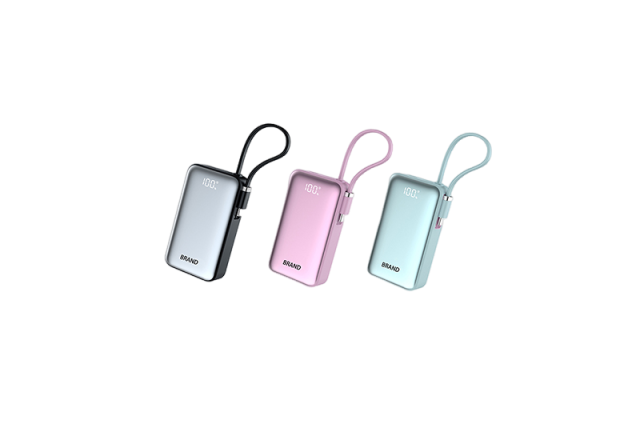 ESC-X025 22.5W Built-in Cable Portable Power Bank
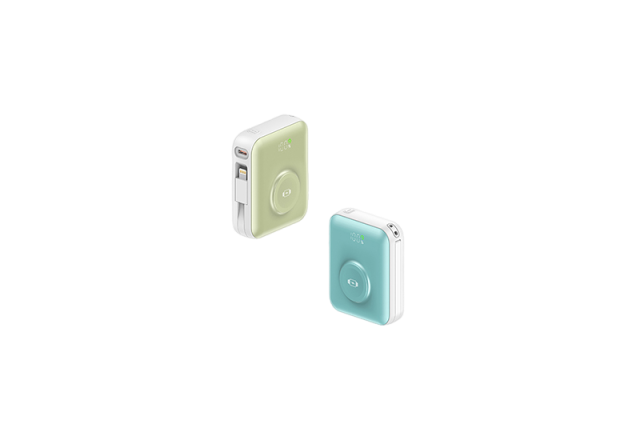 ESC-X026 22.5W 10000mAh Wireless Mini Size Power Bank
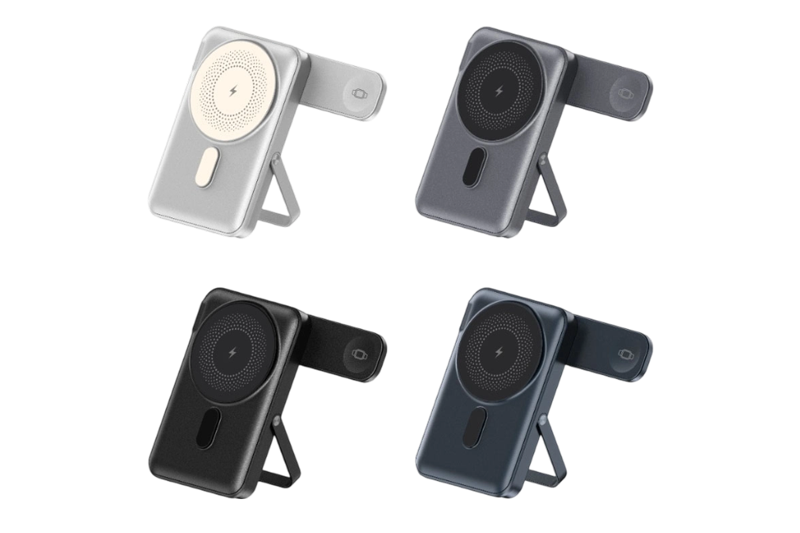 ESC-W018 3-in-1 MagSafe-Style Wireless Charging Stand
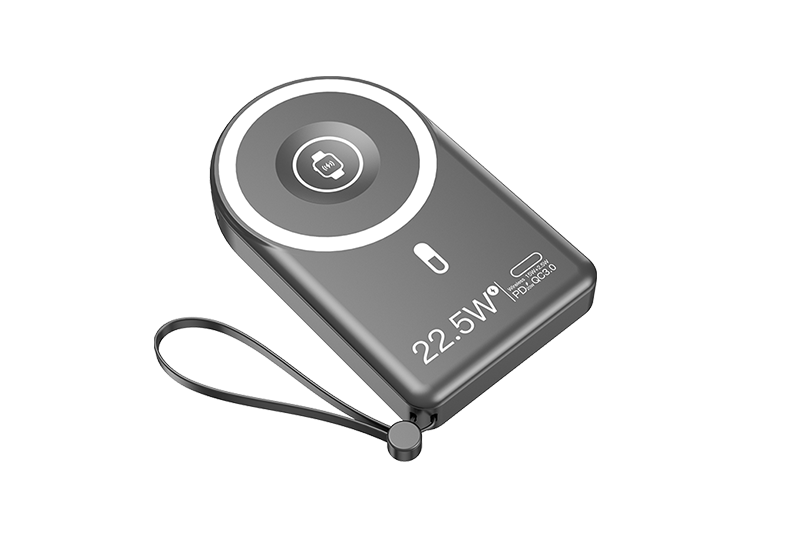 ESC-W017 5000mAh Wireless Ultimate All-in-One Power Solution for Samsung & iPhone Users
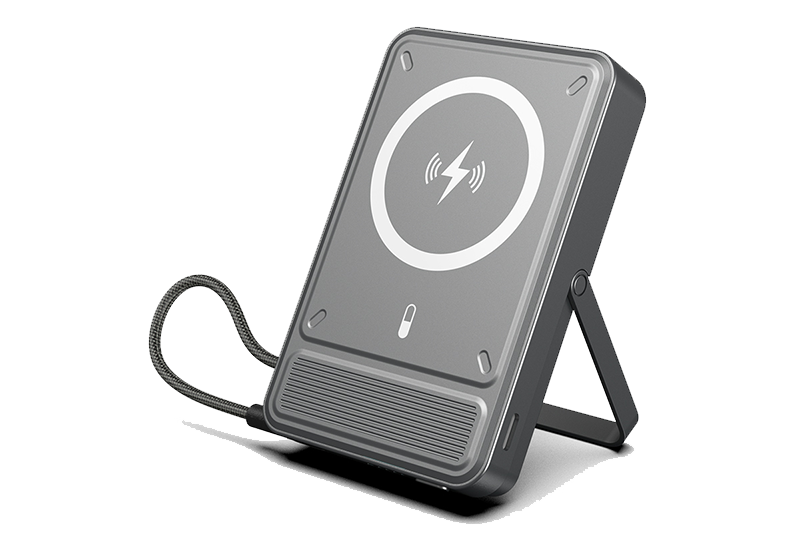 ECS-W016 45W Wireless Power Bank
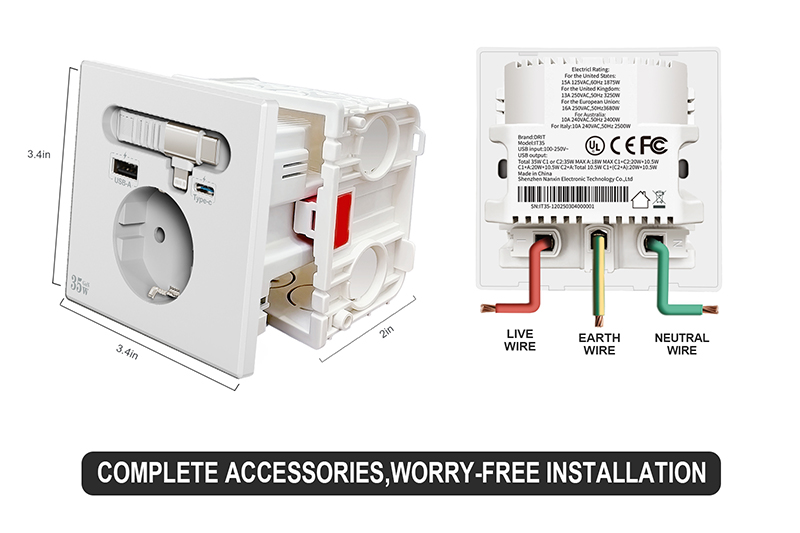 ESC-C019 Ultimate Universal 35W GaN Wall Socket
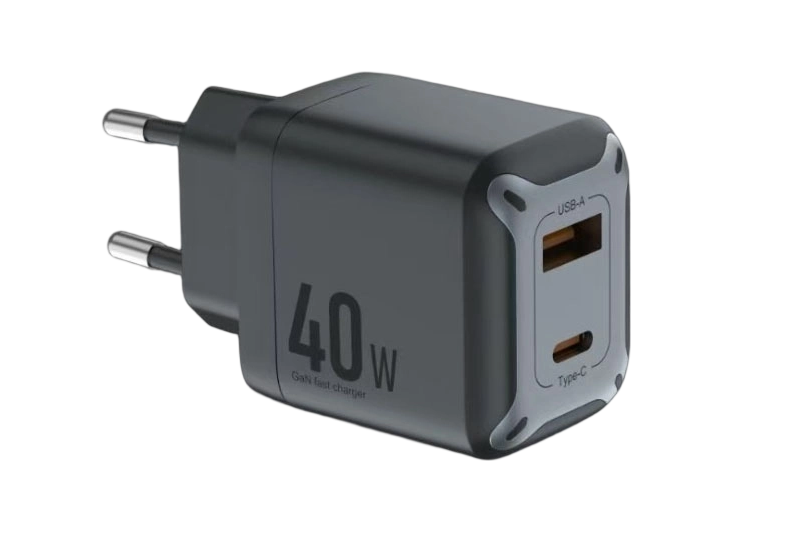 ESC-C018 Small Size 40W GaN Travel Charger
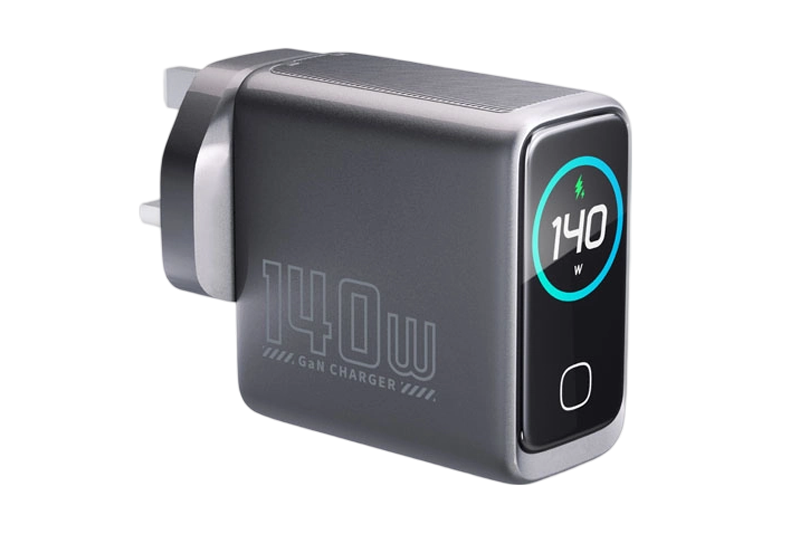 ESC-C017 140W HIGH Speed TFT Screen GaN Charger
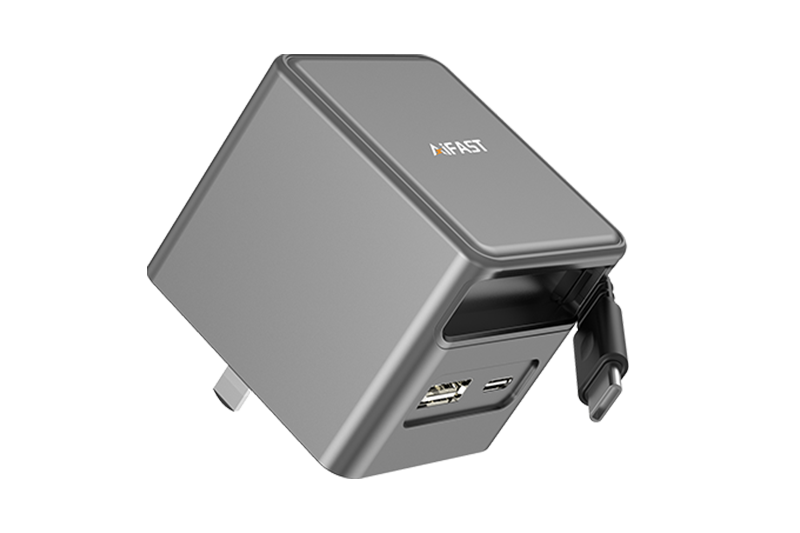 ESC-C016 65CM 65W HIGH Speed Retractable Cable GaN Charger


 Whatsapp
 Wechat